Animal Comparison
Ant vs Termite
Ants are narrow-waisted hymenopterans; termites are broader-waisted social cockroach relatives that digest cellulose. Swarmers look similar until you check the waist and wings.
By WARN Research & Conservation Team Last updated
In brief — Ant vs Termite
Pinched waist and elbowed antennae usually means ant; broader waist and equal-length wing pairs on swarmers usually means termite.
Ants are social insects in the order Hymenoptera with a clearly pinched waist and elbowed antennae. Termites are social insects more closely related to cockroaches, with a broader waist and a diet centred on cellulose. Winged swarmers are the stage people confuse most; body shape and wing length separate them when you look closely.
See the difference
Images are shown at different scales. Read each caption for the species, source and context.
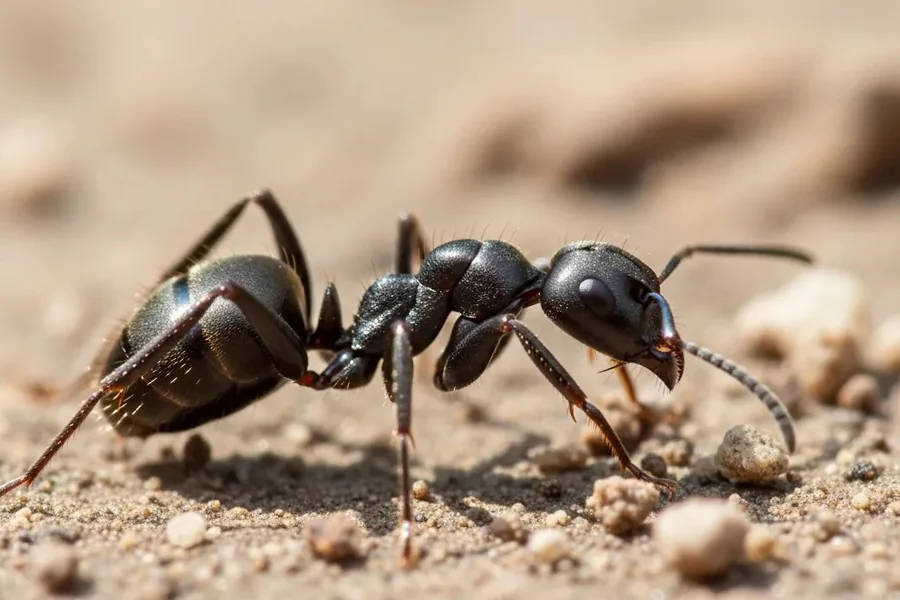
Ant — pinched waist, elbowed antennae
AI-generated educational wildlife portrait — World Animal Rescue Network
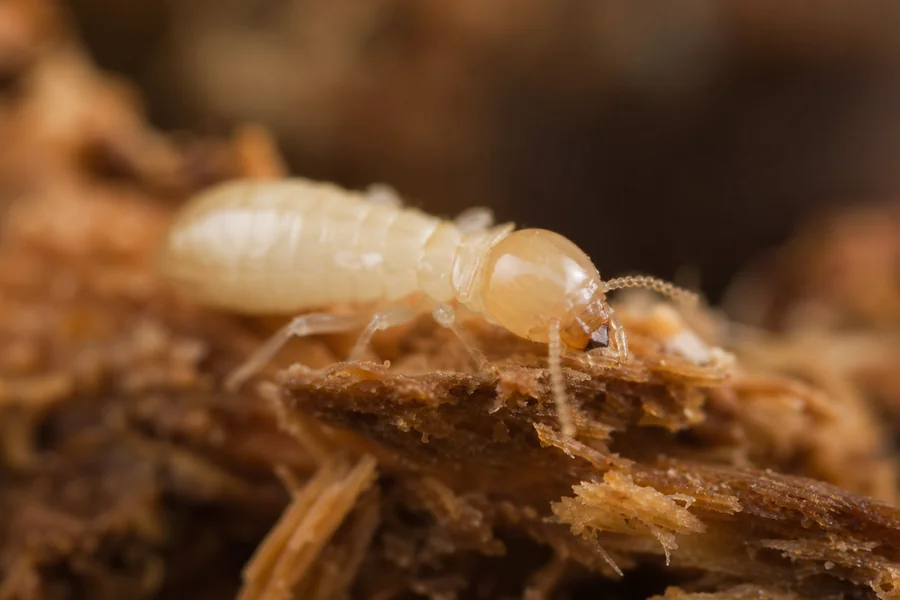
Termite — straight waist, beaded antennae
AI-generated educational wildlife portrait — World Animal Rescue Network
Ant vs Termite: At a Glance
| Feature | Ant | Termite |
|---|---|---|
| Waist | Clearly pinched (petiole) | Broad; little pinch |
| Antennae | Usually elbowed | Usually straight bead-like |
| Diet | Varied — sweets, proteins, oils by species | Cellulose / wood / plant material focus |
| Related to | Bees and wasps (Hymenoptera) | Cockroach lineage |
| Swarmers’ wings | Forewings larger than hindwings | Two pairs often similar in length |
| Worker eyes | Often obvious | Workers often reduced eyes |
| Colour stereotype | Many dark ants | Many pale “white ant” workers — misleading name |
| Nest materials | Soil, wood, cavities — varies | Soil, wood, carton — cellulose link |
| Metamorphosis | Complete (larva/pupa) | Incomplete (nymphs resemble adults) |
| Everyday confusion | Winged ants in nuptial flights | Winged termites in dispersal flights |
Size and physical differences
Worker sizes overlap by species — many familiar ants and termites are only a few millimetres long — so waist shape beats length for everyday ID.
Ant versus termite is a household and garden identification problem with real practical stakes: one group includes familiar kitchen foragers, the other includes wood-damaging cellulose eaters in many regions. They are not close cousins in the way their social lifestyles suggest. Ants are hymenopterans alongside bees and wasps. Termites sit with cockroaches in a different lineage, even though both run complex colonies with castes.
Winged adults cause most mix-ups during dispersal flights. Both can appear suddenly in large numbers. Check the waist and the wings before deciding which pest-control script applies. Workers without wings are easier: ants usually show the classic node-pinched silhouette; termite workers look more uniformly broad from front to back.
This comparison sticks to marks you can use without laboratory gear: size, shape, behaviour and the words people actually type into a search box. Scientific names are given where they prevent a regional mix-up. Where a popular belief is wrong, the correction leads; where two animals are simply different, the decisive field mark leads. Ranges and masses are given as working bands from standard natural-history references, not as courtroom measurements for every individual.
Waist and antennae first
Look at the junction between thorax and abdomen. Ants have a narrow petiole — sometimes with one or two nodes — that reads as a pinched waist. Termites lack that dramatic constriction, so the body looks more tubular. Antennae reinforce the call: ants typically show an elbow; termite antennae are often straighter and bead-like. Those two marks work on workers and help on swarmers when wings make the outline busier. Use more than one mark before you decide — single-trait IDs fail on juveniles, regional forms and poor light. In practice, people meet these animals in brief glances. Slow down long enough to check the two or three marks in the table above before accepting the first common name that comes to mind. Mislabeling spreads through photos and social posts faster than corrections do, which is why a short, checkable comparison page earns its keep. When experts disagree on subspecies or English names, the underlying biology — diet, body plan, reproductive cycle — remains the stable part of the answer.
Wings on swarmers
During dispersal, both groups grow wings, shed them after mating flights, and leave piles of discarded wings that alarm homeowners. Ant swarmers usually have longer forewings than hindwings. Termite swarmers often have two pairs of similar length. If you find only wings, identification is harder; if you still have the insect, waist shape remains decisive. Geography matters: the same English names attach to different species on different continents, and range often settles an argument faster than colour. In practice, people meet these animals in brief glances. Slow down long enough to check the two or three marks in the table above before accepting the first common name that comes to mind. Mislabeling spreads through photos and social posts faster than corrections do, which is why a short, checkable comparison page earns its keep. When experts disagree on subspecies or English names, the underlying biology — diet, body plan, reproductive cycle — remains the stable part of the answer.
Diet and damage patterns
Many termites digest cellulose with help from symbionts, which is why wood and plant fibre structures matter in their ecology. Ants have far more varied diets — from honeydew farming to predation to pantry raiding — depending on species. Seeing insects in a wall void does not automatically mean termites; some ants nest in wood too. Confirm identity before assuming a cellulose specialist. Behaviour at the moment of observation — feeding, escape, nesting — is evidence, not a personality story about the whole species. In practice, people meet these animals in brief glances. Slow down long enough to check the two or three marks in the table above before accepting the first common name that comes to mind. Mislabeling spreads through photos and social posts faster than corrections do, which is why a short, checkable comparison page earns its keep. When experts disagree on subspecies or English names, the underlying biology — diet, body plan, reproductive cycle — remains the stable part of the answer.
Social life without synonymy
Both run colonies with castes and cooperative brood care, which tempts people to treat them as versions of each other. Phylogeny says otherwise. Complete metamorphosis in ants versus incomplete development in termites is another deep split. Convergent social behaviour is interesting biology; it is a poor ID tool in a kitchen. Conservation status is assessed taxon by taxon; a group label like 'wasp' or 'antelope' is not an IUCN status. In practice, people meet these animals in brief glances. Slow down long enough to check the two or three marks in the table above before accepting the first common name that comes to mind. Mislabeling spreads through photos and social posts faster than corrections do, which is why a short, checkable comparison page earns its keep. When experts disagree on subspecies or English names, the underlying biology — diet, body plan, reproductive cycle — remains the stable part of the answer.
“White ant” is a bad name
Calling termites white ants preserves the confusion this page exists to clear. Worker termites may be pale, but they are not ants. Using accurate words helps when seeking advice, because control methods and ecological roles diverge. If unsure, describe waist, colour, wings and where they were found rather than forcing a name. If you are managing conflict with people or pets, identify first, then choose a proportionate response; misidentification wastes effort and can harm the wrong animal. In practice, people meet these animals in brief glances. Slow down long enough to check the two or three marks in the table above before accepting the first common name that comes to mind. Mislabeling spreads through photos and social posts faster than corrections do, which is why a short, checkable comparison page earns its keep. When experts disagree on subspecies or English names, the underlying biology — diet, body plan, reproductive cycle — remains the stable part of the answer.
Did you know?
A dumped pile of discarded wings after a warm-day flight is a classic swarmer clue — but waist shape still decides ant versus termite.
Ant vs Termite: FAQs
What is the difference between an ant and a termite?
How can I tell flying ants from termites?
Are termites a type of ant?
Why do people say white ants?
Do both damage wood?
Which is bigger?
Help protect animals
Learning about animals can help more people understand their needs. WARN raises funds for eligible animal-welfare organisations. Read the relevant appeal’s purpose, recipient status and fund terms, or share this free guide to raise awareness.
Stay connected with WARN
Receive appeal updates, animal-welfare news and published funding reports. Unsubscribe any time.
We only use your address for WARN updates. See our privacy policy.