Wildlife · Animal myth busters
What is the difference between a monkey and an ape?
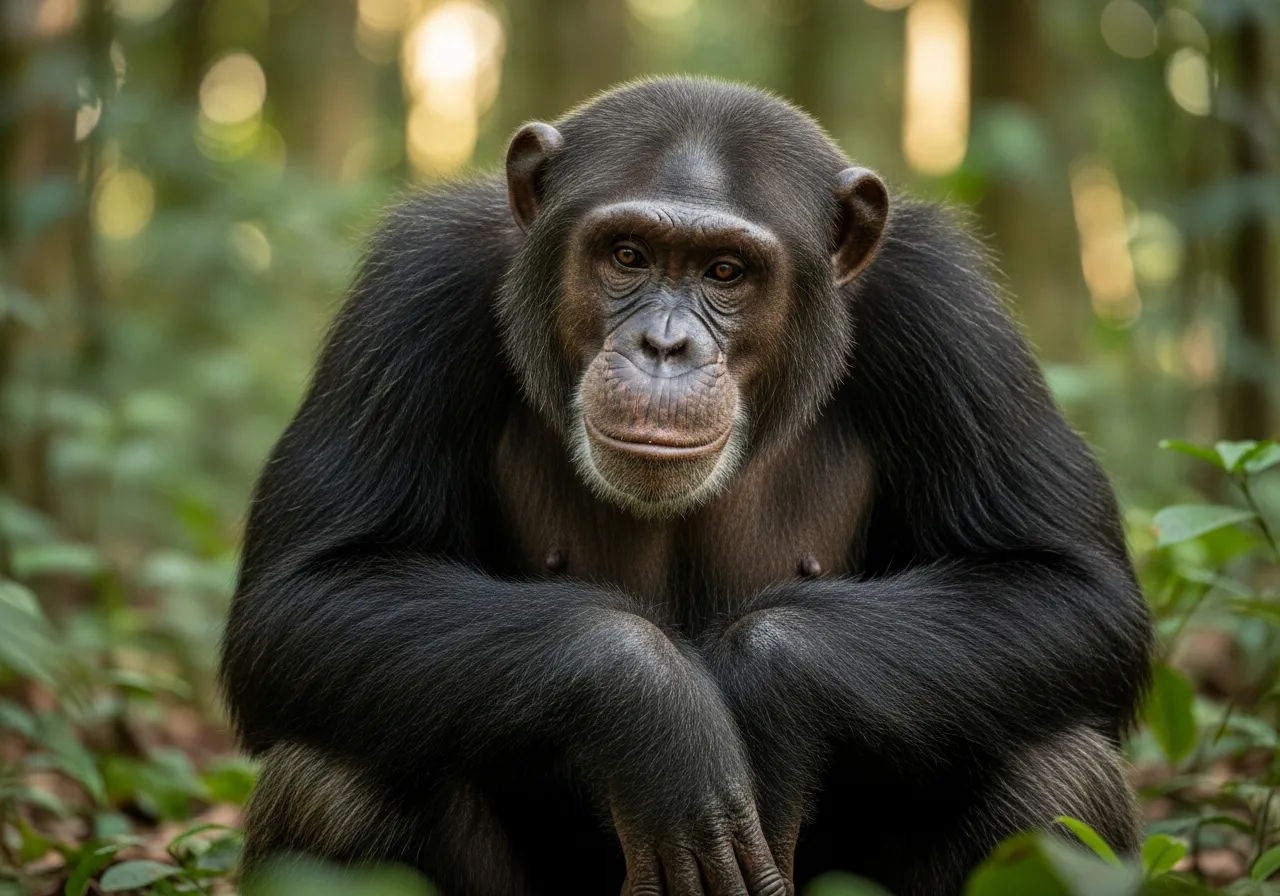
Apes have no tails and broader chests; monkeys usually have tails — the quickest rule for telling them apart.
In brief
Apes (gorillas, chimpanzees, orangutans, gibbons, bonobos) lack tails and have broader chests and more flexible shoulders for climbing and knuckle-walking. Monkeys usually have tails — except barbary macaques — and are generally smaller-bodied.
By the WARN Research & Conservation TeamChecked against IUCN Red List & CITES sourcesLast updated
Monkeys and apes are primates, but apes — gorillas, chimpanzees, bonobos, orangutans, gibbons and humans — lack tails and have more flexible shoulders for climbing and knuckle-walking. Monkeys include dozens of Old World and New World species, most with tails. All great apes are threatened: every orangutan species is Critically Endangered on the IUCN Red List. Both groups suffer from deforestation and hunting, but apes reproduce slowly and cannot recover quickly from pet-trade poaching that kills mothers to capture infants.
500+
Primate species worldwide
60%
Primate species threatened (approx.)
0
Tails on apes — barbary macaque excepted among monkeys
CR
All three orangutan species — Critically Endangered
Quick facts
| Apes | No tail; broader chest; greater size and intelligence |
|---|---|
| Monkeys | Usually tailed; split into Old World and New World groups |
| Great apes | Gorilla, chimp, bonobo, orangutan — all highly threatened |
| Barbary macaque | Tailless monkey — exception to the tail rule |
| Pet trade | Slow lorises, capuchins and apes trafficked as pets illegally |
| Recovery time | Apes need decades to replace lost breeding females |
Key takeaways
- Apes lack tails; most monkeys have them — quickest field rule.
- Barbary macaque is the main tailless monkey exception.
- All great apes are highly threatened; all orangutans Critically Endangered.
- Pet trade kills mothers and removes slow-reproducing females permanently.
- Old World and New World monkeys split by geography and nose shape.
- Habitat and trafficking enforcement matter more than sanctuary intake alone.
Tails and body plan
Tail presence is the field mark most guides teach first. Apes — hominoids — evolved without external tails and show broader, more upright torsos adapted for suspension and knuckle-walking. Monkeys use tails for balance: prehensile tails in many New World species act as a fifth limb; Old World monkeys such as baboons have non-prehensile tails. The Barbary macaque of North Africa lacks a visible tail but remains a monkey by skeleton and genetics — the main exception to the tail rule. Shoulder mobility differs too: apes can extend arms overhead for brachiation and knuckle-walking; many monkeys rely more on quadrupedal running along branches.
Old World vs New World monkeys
New World monkeys — capuchins, howlers, spider monkeys — evolved in the Americas with flat noses and sideways nostrils. Old World monkeys — baboons, macaques, colobus — inhabit Africa and Asia with downward nostrils like apes. Both groups appear in illegal wildlife trade: capuchins as pets in social media markets; long-tailed macaques in biomedical supply chains in some regions. Distinguishing monkey from ape helps enforcement identify CITES Appendix I great apes versus Appendix II monkeys — legal consequences and welfare needs differ sharply. WARN’s slow loris and orangutan guides document trafficking routes and rescue outcomes.
Conservation priorities
Habitat protection remains the foundation for both groups, but ape conservation adds anti-poaching, anti-trafficking and conflict mitigation where farms replace forest. Orangutan oil-palm expansion, gorilla bushmeat markets and chimpanzee pet demand in the Middle East and elsewhere drain wild populations. Monkey crop-raiding leads to retaliatory killing — different conflict dynamic from ape tourism economies that fund protection when managed ethically. Donors prioritising primates should verify partners tackle root drivers — snares, forest conversion, illegal online sales — not only sanctuary intake of confiscated individuals after damage is done.