Wildlife · Mammal facts hub
What is a primate?
Monkeys, apes, lemurs and lorises — forward-facing eyes, grasping hands, and sixty percent of species threatened.
In brief
Primates include monkeys, apes, lemurs, lorises and tarsiers — mammals with forward-facing eyes, grasping hands, and (in most) opposable thumbs. Humans are primates.
By the WARN Research & Conservation TeamChecked against IUCN Red List & CITES sourcesLast updated
Primates (order Primates) include monkeys, apes, lemurs, lorises and tarsiers — mammals with forward-facing eyes, grasping hands and (in most) opposable thumbs. Humans are primates. Roughly 500 species exist; about sixty percent are threatened — highest proportion of any mammal group. Deforestation, bushmeat, snares and pet trade drive declines. All three orangutan species are Critically Endangered.
500+
Primate species
60%
Primate species threatened (approx.)
CR
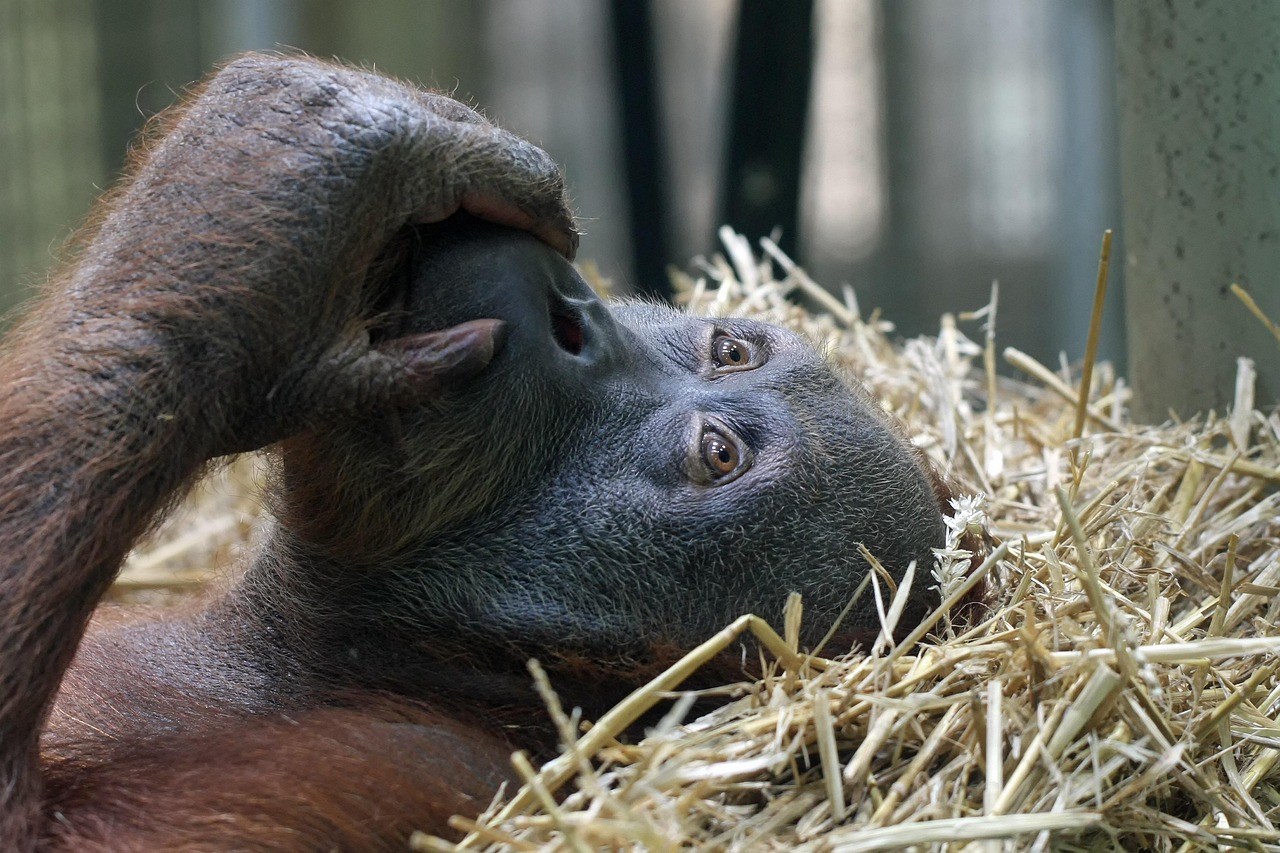
All three orangutan species
Forward
Eyes face forward — depth perception for arboreal life
Quick facts
| Includes | Monkeys, apes, lemurs, lorises, tarsiers — and humans |
|---|---|
| Hands | Grasping with opposable thumbs (most species) |
| Vision | Forward-facing eyes — binocular depth perception |
| Great apes | Gorilla, chimp, bonobo, orangutan — all highly threatened |
| Madagascar | Lemurs — dozens of endemic species, most threatened |
| Pet trade | Slow lorises, orangutans, capuchins trafficked illegally |
Key takeaways
- Forward eyes and grasping hands define primates.
- 500+ species — humans included.
- ~60% threatened — highest mammal group share.
- All orangutans Critically Endangered.
- Pet trade and bushmeat remove slow-reproducing apes.
- Habitat protection beats sanctuary intake alone.
Primate anatomy and behaviour
Forward-facing eyes overlap visual fields — depth perception for leaping between branches. Opposable thumbs and sensitive fingertips manipulate food and tools — extensive in great apes. Most primates are arboreal or mixed arboreal–terrestrial; exceptions include baboons and humans. Social systems range from solitary orangutans to multi-male gorilla groups and large monkey troops. Long lifespans and slow reproduction in apes amplify extinction risk from hunting — one killed mother may mean decades without replacement offspring.
Major groups
Strepsirrhines include lemurs of Madagascar and lorises of Africa and Asia — wet nose, often nocturnal. Haplorhines include monkeys, apes and tarsiers — dry nose, mostly diurnal. New World monkeys (Americas) have prehensile tails in many species; Old World monkeys and apes (Africa, Asia) lack prehensile tails except partial exceptions. Apes lack tails entirely — gorillas, chimps, bonobos, orangutans, gibbons. Understanding groups aids CITES enforcement — great apes Appendix I with strictest trade bans.
Threats across regions
Southeast Asia — orangutan palm oil deforestation, slow loris pet trade on social media. Central Africa — gorilla and chimp bushmeat in commercial markets. Madagascar — lemur habitat loss and hunting after political instability. Central and South America — spider monkey and howler forest fragmentation. Snares and logging roads penetrate all regions. Climate change shifts montane lemur and monkey ranges upward until no habitat remains.
Conservation responses
Habitat protection remains foundation — corridors, national parks, indigenous land rights. Anti-trafficking targets online sales and tourist photo props with drugged lorises. Community ecotourism funds guards where revenue reaches locals. Rehabilitation centres handle confiscated orphans but cannot replace wild populations — prevention beats intake. WARN orangutan and slow loris content links primates to trafficking and habitat appeals donors can verify.