Wildlife · Animal myth busters
Do whales sleep?
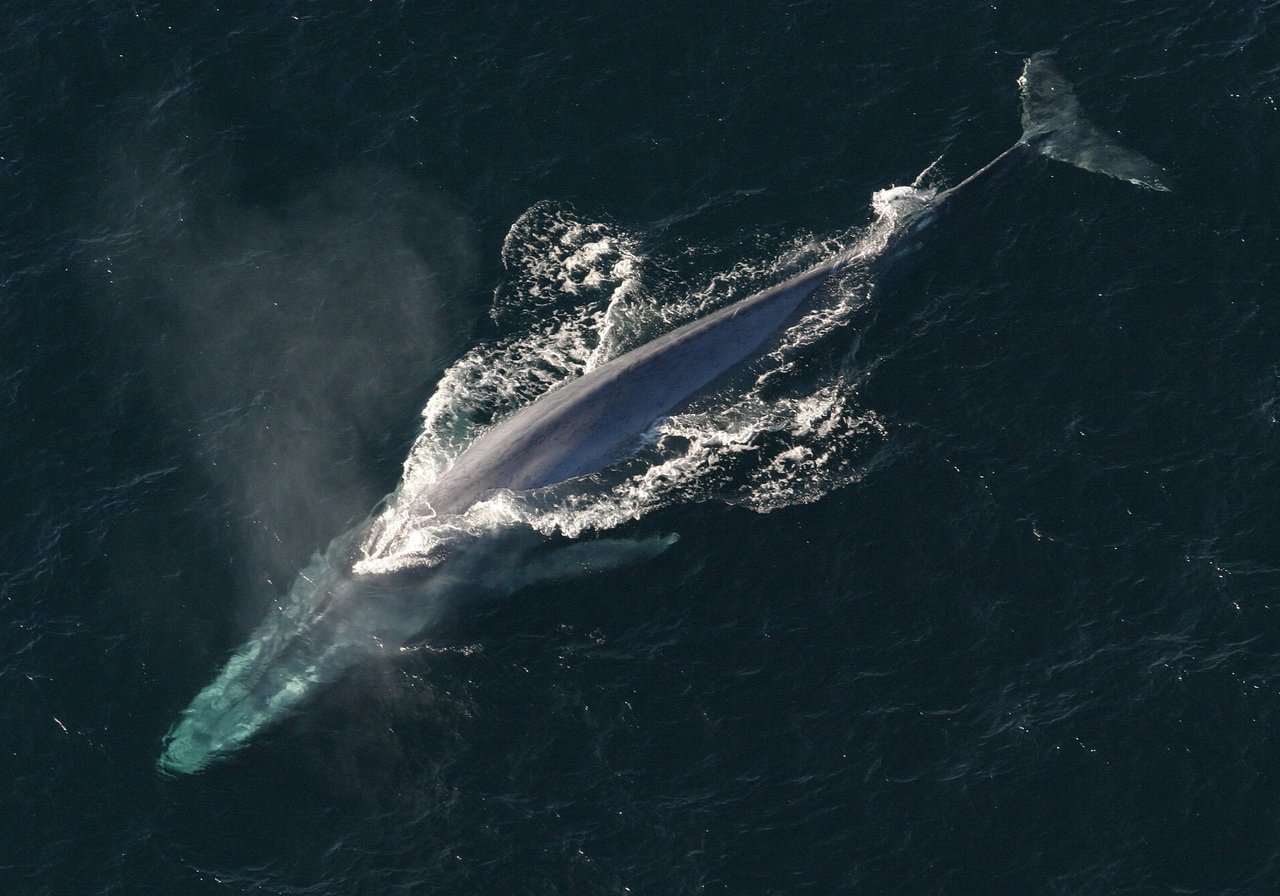
Whales and dolphins do sleep — often one brain hemisphere at a time so they can keep breathing at the surface.
In brief
Yes. Whales and dolphins sleep, but differently from humans: many cetaceans rest one brain hemisphere at a time so they can keep surfacing to breathe. Some species also “log” at the surface in short rest bouts.
By the WARN Research & Conservation TeamChecked against IUCN Red List & CITES sourcesLast updated
Cetaceans are voluntary breathers: they must consciously open their blowhole to inhale. That constraint shaped a unique sleep strategy — unihemispheric slow-wave sleep, where one half of the brain rests while the other monitors breathing and predators. Bottlenose dolphins have been filmed sleeping with one eye open, the awake hemisphere on the opposite side. Larger whales may drift in a “logging” posture at the surface for short rest bouts. Ocean noise from shipping and sonar can disrupt these patterns — an under-discussed welfare impact alongside entanglement and ship strikes tracked by NOAA Fisheries.
90+
Cetacean species worldwide
1/2
Brain hemispheres that can sleep independently
30m
Typical logging rest bouts in some species
Endangered
Blue whale IUCN status — recovery ongoing
Quick facts
| Sleep type | Unihemispheric slow-wave sleep in many species |
|---|---|
| Breathing | Voluntary — must surface; no automatic gill breathing |
| Logging | Motionless surface drift — short rest posture in large whales |
| Dolphin evidence | One eye open; awake hemisphere opposite closed eye |
| Noise threat | Shipping, sonar and seismic surveys disrupt rest |
| Class | Mammalia — order Cetacea, not fish |
Key takeaways
- Whales and dolphins do sleep — mainly one brain hemisphere at a time.
- Voluntary breathing requires sleep adaptations unlike land mammals.
- Logging at the surface may serve as short rest for large whales.
- The “never sleep” myth came from hard-to-observe unihemispheric rest.
- Ocean noise can disrupt cetacean rest — a growing welfare concern.
- NOAA tracks entanglement, ship strikes and habitat issues alongside behaviour.
Why whales cannot sleep like humans
Land mammals can stop breathing during deep sleep because respiration is automatic. Cetaceans must decide each time to open the blowhole at the surface. Full unconscious sleep would risk drowning. Evolution solved this with unihemispheric sleep: one brain hemisphere enters slow-wave rest while the other maintains enough awareness to breathe and scan for threats. Bottlenose dolphins in controlled studies showed alternating hemispheric sleep over hours. Sperm whales and killer whales show similar patterns. The adaptation is not optional — it is how air-breathing marine mammals reconcile sleep with survival in open water where predators and boat traffic remain hazards even during rest.
Logging and micro-rests
Observers sometimes see large whales floating almost motionless at the surface — a behaviour called logging. These bouts may last minutes and appear to serve a rest function, though research continues on how deeply animals sleep during logging. Smaller cetaceans also take brief micro-rests between active periods. Sleep-deprivation experiments on dolphins in the 1970s showed they compensate with frequent short rests rather than one long sleep block. Migration, nursing and feeding all compete with rest time — animals in poor body condition or noisy habitats may sleep less, with potential welfare and navigation consequences documented in peer-reviewed cetacean research.
The myth that whales never sleep
Early observers rarely saw obvious sleep in fast-moving pods and assumed cetaceans did not sleep at all. Underwater visibility and continuous motion hid the behaviour. Modern tagging and EEG studies confirmed sleep in dolphins, belugas and other species. The myth persists in trivia lists because unihemispheric sleep looks unlike human sleep — one eye may remain open, animals may continue slow swimming. Correcting the myth matters for policy: if whales do sleep, noise regulations during rest periods become a welfare issue, not an abstract concern. NOAA and IMO discussions on shipping noise increasingly reference behavioural rest disruption.
Conservation and welfare context
Entanglement, ship strikes and prey depletion dominate cetacean headlines, but chronic sleep disruption from anthropogenic noise is a growing research focus. Naval sonar, seismic airguns and constant shipping traffic overlap with habitats where animals need quiet surface intervals to breathe and rest. Marine protected areas and speed restrictions in whale corridors address some collision risk; noise mitigation is harder but equally relevant to welfare. WARN’s marine animals hub links species guides to habitat and bycatch issues — understanding that whales sleep helps frame why “quiet ocean” campaigns are biological, not sentimental.