Wildlife · Animal myth busters
What is the difference between an alligator and a crocodile?
Snout shape, visible teeth and salt tolerance separate alligators from crocodiles in the field.
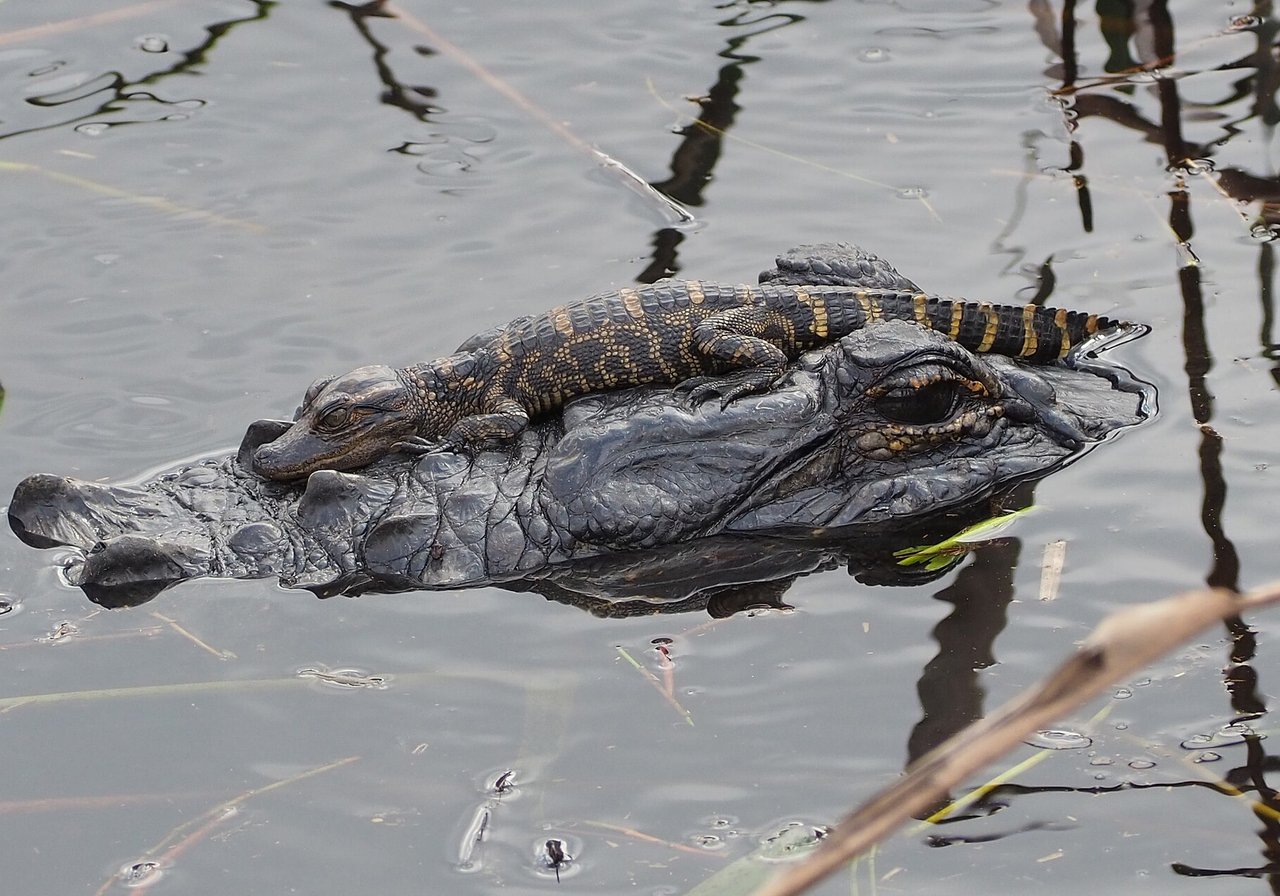
In brief
Alligators have broad, U-shaped snouts and only upper teeth visible when the mouth is closed; crocodiles have narrower V-shaped snouts and a fourth tooth on each side of the lower jaw that shows when closed. Crocodiles tolerate salt water; alligators are mainly freshwater.
By the WARN Research & Conservation TeamChecked against IUCN Red List & CITES sourcesLast updated
Alligators and crocodiles belong to the order Crocodilia but different families — Alligatoridae versus Crocodileidae. Alligators have broad U-shaped snouts and only upper teeth visible when the mouth closes. Crocodiles have narrower V-shaped snouts and a fourth lower-jaw tooth that shows when closed. Crocodiles often tolerate salt water thanks to salt glands; alligators are mainly freshwater. The American alligator recovered after legal protection; the Chinese alligator remains Critically Endangered with a tiny wild population. Saltwater crocodiles are the largest living reptiles.
23
Living crocodilian species
2
Alligator species — American and Chinese
6m+
Maximum saltwater crocodile length
CR
Chinese alligator IUCN status
Quick facts
| Alligator snout | Broad and U-shaped |
|---|---|
| Crocodile snout | Narrower and V-shaped |
| Teeth when closed | Crocodile — fourth lower tooth visible; alligator — upper only |
| Salt tolerance | Many crocodiles use salt glands; alligators mostly freshwater |
| Range | Alligators — Americas and eastern China; crocodiles — tropics worldwide |
| Conservation | Varies sharply by species — not one status for both groups |
Key takeaways
- Snout shape and visible lower teeth are the fastest field marks.
- Crocodiles often tolerate salt water; alligators are mainly freshwater.
- Saltwater crocodiles are the largest living reptiles.
- American alligator recovered; Chinese alligator is Critically Endangered.
- Conservation status applies to species — not the whole “crocodile vs alligator” split.
- WARN’s comparison page covers bite force, range and habitat in table form.
Head shape and teeth
The fastest field identification uses the snout and teeth. American alligators have a wide, rounded snout suited to crushing turtle shells and hard prey in freshwater marshes. Crocodiles — including Nile, saltwater and Morelet’s — tend toward narrower jaws built for gripping fish and mammals. When jaws close, look at the fourth tooth on the lower jaw: in crocodiles it sits outside the upper jaw line and remains visible. Alligators hide lower teeth under the upper jaw. Head shape alone can mislead at a distance — tooth visibility is the classic zoo and field mark taught by Smithsonian and national wildlife agencies worldwide.
Habitat and geography
American alligators dominate southeastern United States wetlands — swamps, rivers and marshes. Chinese alligators survive in a fragment of the Yangtze basin. True crocodiles occupy a wider global range: Nile crocodiles across Africa, saltwater crocodiles from India to northern Australia, American crocodiles in Florida and the Neotropics. Saltwater crocodiles swim long distances in coastal seas; alligators rarely enter full marine conditions. Geographic overlap exists in South Florida where American alligator and American crocodile coexist — making local identification skills especially useful for wildlife officers and rescue teams documenting conflict calls.
Size, behaviour and conflict
Saltwater crocodiles exceed six metres and cause most fatal crocodilian attacks on humans globally. American alligators are smaller on average but still dangerous if fed or approached. Both ambush prey at water edges; neither hunts humans as preferred prey — most incidents involve territory defence, nest protection or habituation to food from people. Wetland loss concentrates animals in canals and golf courses, increasing sightings. Rescue and relocation require trained professionals; public education on snout ID helps reporters give accurate species information to authorities, improving response and research data.
Conservation contrasts
American alligator recovery is a conservation success story after Endangered Species Act protection — populations rebounded across millions of hectares. Chinese alligator remains Critically Endangered with fewer than 200 wild individuals and intensive captive breeding. Philippine and Siamese crocodiles face similar peril from habitat loss and illegal trade. Crocodilian skin and meat trades persist despite CITES listings for threatened species. Understanding that “crocodile” and “alligator” are not interchangeable labels for conservation status prevents false assumptions — each species has its own IUCN assessment, threats and recovery plan.