Wildlife · Animal myth busters
What is the difference between a leopard, jaguar and cheetah?
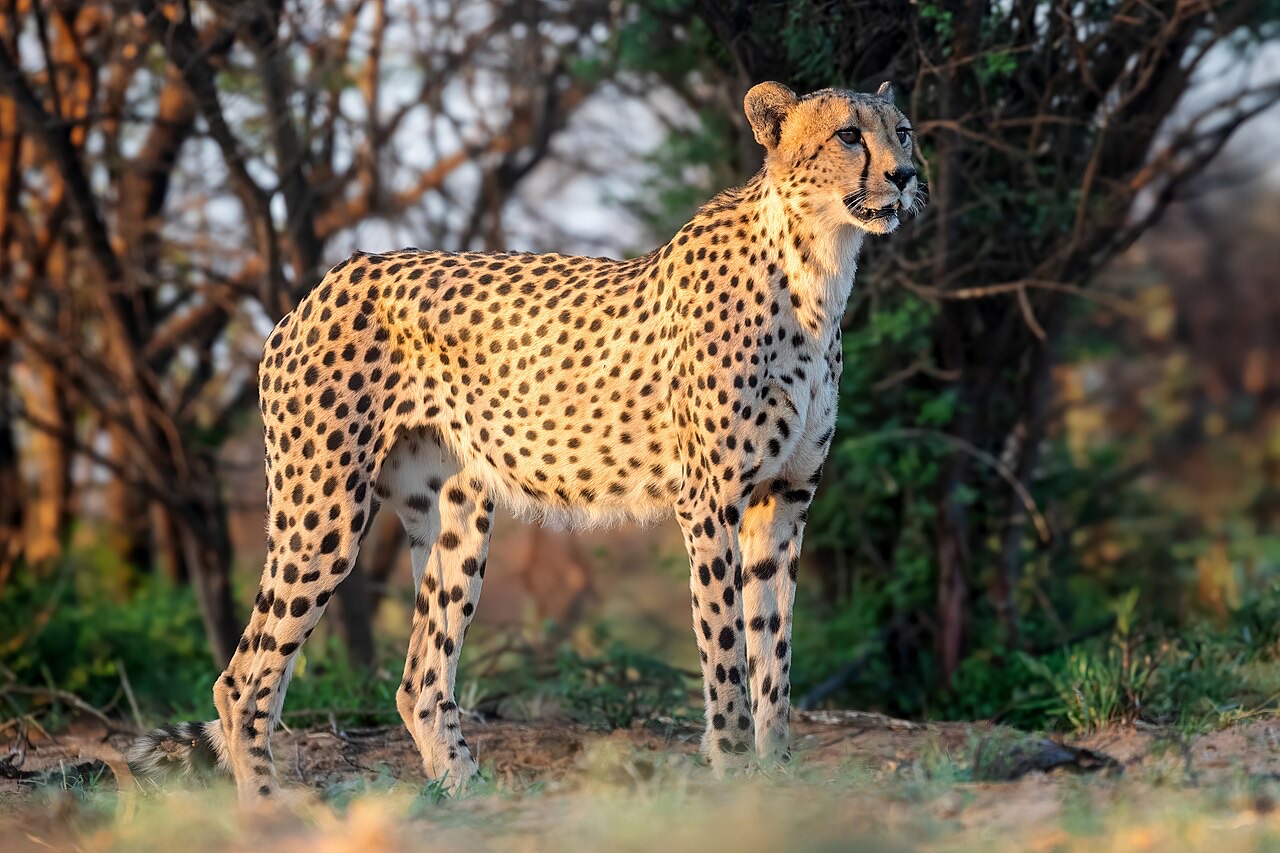
Cheetahs sprint with solid spots; leopards and jaguars power through rosettes — three cats, three continents, three strategies.
In brief
Leopards (Africa/Asia) and jaguars (Americas) are spotted, muscular big cats — jaguars have rosettes with central spots and the strongest bite; cheetahs (Africa, small Iran population) are slender speed specialists with solid spots and cannot roar.
By the WARN Research & Conservation TeamChecked against IUCN Red List & CITES sourcesLast updated
Leopards range across Africa and Asia; jaguars rule Neotropical forests and wetlands; cheetahs are built for speed in African savannas with a tiny Iranian population. Cheetahs cannot roar and have simple black spots plus tear marks. Leopards and jaguars show rosettes — jaguar rosettes contain central dots; leopard rosettes usually do not. All three face habitat loss and poaching; cheetahs have lost over 90% of historic range. Jaguars connect to WARN partner work in Brazil and Colombia corridor programmes.
110 km/h
Cheetah top speed — fastest land mammal
VU
Cheetah and leopard IUCN status
NT
Jaguar — Near Threatened
3
Continents/regions — Africa, Asia, Americas
Quick facts
| Cheetah | Solid spots; tear marks; non-retractable claws; cannot roar |
|---|---|
| Leopard | Rosettes without central dots; Africa and Asia; tree hauler |
| Jaguar | Rosettes with central dots; strongest bite among big cats |
| Speed vs power | Cheetah — sprint hunter; leopard/jaguar — ambush predators |
| Range loss | Cheetah lost 90%+ of historic range |
| Snares | Wire snares kill leopards and cheetahs as bycatch |
Key takeaways
- Cheetah — solid spots, tear marks, speed specialist; cannot roar.
- Leopard — rosettes without central dots; widest felid range.
- Jaguar — rosettes with central dots; strongest bite; Americas only.
- All three threatened by habitat loss, snares and conflict killing.
- Cheetah lost over 90% of historic range — Vulnerable on IUCN Red List.
- Identification guides correct conflict response and conservation funding.
Spot patterns and build
Cheetahs have solid round or oval black spots evenly distributed — no rosettes. Black “tear lines” run from inner eyes to mouth, reducing glare during high-speed chases. Body shape is slender with long legs and a small head; claws are semi-retractable for traction like cleats. Leopards and jaguars are heavier, with rosette patterns: jaguars show a dot inside many rosettes; leopards typically do not. Jaguars have massive skulls and the strongest bite among felids — capable of piercing turtle shells and caiman armour. Leopards often stash kills in trees; jaguars kill prey with a skull bite through forest and riverine habitat.
Hunting strategy and speed
Cheetahs hunt by explosive acceleration over short distances — roughly 110 km/h for seconds — then risk overheating and exhaustion. They cannot sustain speed or fight larger competitors; hyenas and lions often steal cheetah kills. Leopards and jaguars ambush from cover, relying on strength and stealth rather than sustained speed. Jaguars swim well and hunt in wetlands; leopards range from desert to rainforest and tolerate human proximity more than many big cats. Confusing cheetah with leopard leads to wrong conflict responses — cheetahs rarely threaten livestock compared with leopards in some regions.
Geography and corridors
Leopards have the widest geographic range of any wild felid — Africa, Middle East, India, Southeast Asia. Jaguars span from northern Mexico to Argentina, with core populations in Amazon and Pantanal wetlands. Cheetahs survive mainly in fragmented African savannas; Asiatic cheetahs cling to Iran in critically small numbers. Corridor projects link jaguar populations across highways in Latin America; leopard snares in Asia and Africa kill indiscriminately in bushmeat sets. Each species needs connected habitat — isolated parks cannot hold viable populations long-term without gene flow and prey base.
Conservation status and threats
IUCN lists cheetah and leopard as Vulnerable; jaguar as Near Threatened — all trending down in many regions. Habitat fragmentation, prey depletion, retaliatory killing after livestock loss and poaching for skins drive declines. Cheetah cubs face high mortality and illegal pet trade demand in some Gulf states. Jaguar corridor funding and anti-snare patrols are active interventions WARN links through appeals and species guides. Correct identification helps researchers and communities apply the right conflict-mitigation tools — livestock guarding for leopards differs from highway crossing design for jaguars.