Wildlife · Animal myth busters
What is the difference between a lion and a tiger?
Lions live in prides with manes; tigers hunt alone with stripes — Africa and Asia’s apex cats compared.
In brief
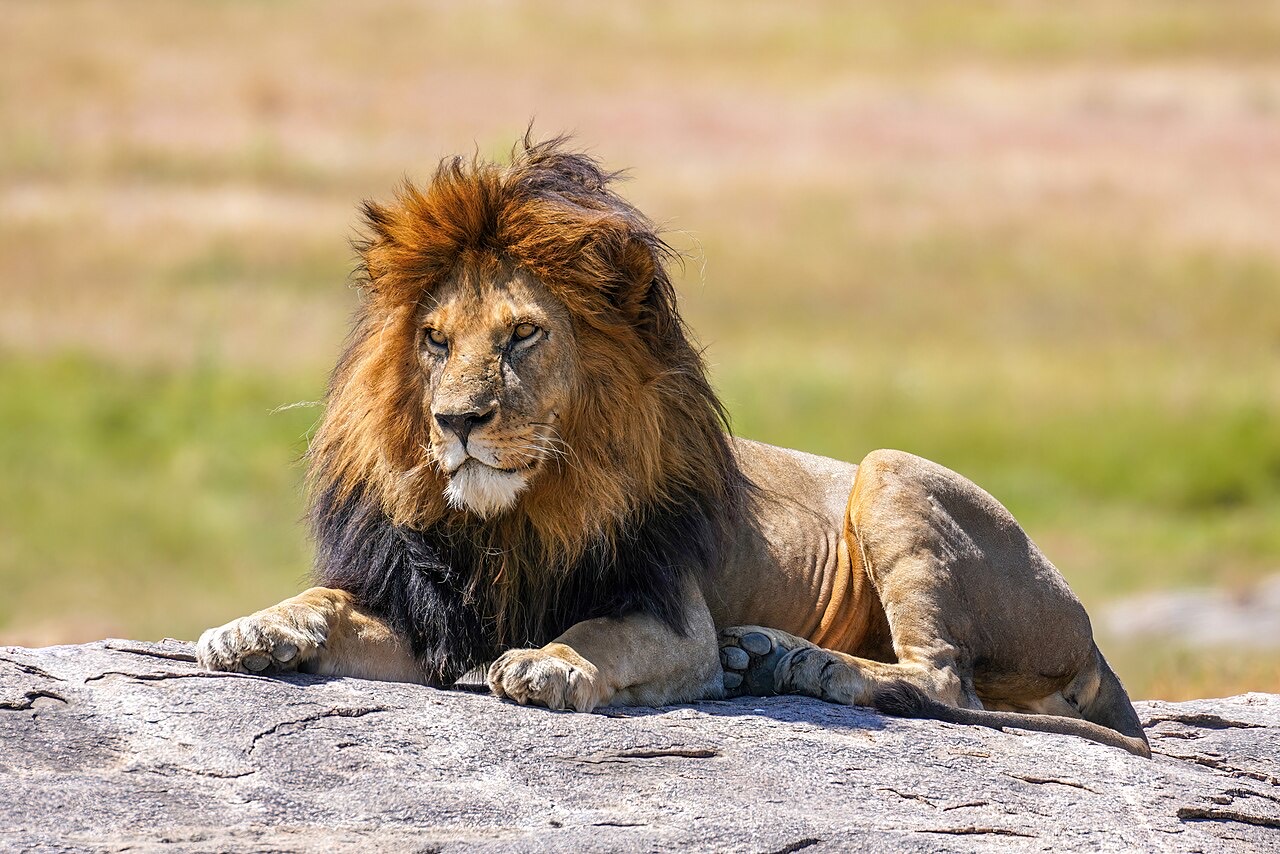
Lions are the only social big cats — living in prides — and males grow manes. Tigers are solitary, striped, and generally heavier, with powerful swimming ability. Lions range in Africa (and a tiny Asiatic population in India); tigers in Asia.
By the WARN Research & Conservation TeamChecked against IUCN Red List & CITES sourcesLast updated
Lions are the only social big cats — females cooperate in prides while males defend territory with conspicuous manes. Tigers are solitary, striped ambush hunters and generally the heavier cat — males can exceed 300 kg. African lions are Vulnerable with declining populations outside protected areas; tigers are Endangered across fragmented Asian range. Both face habitat loss and poaching for bones and body parts despite legal bans. WARN’s tiger guide and Sumatran tiger briefing cover trafficking and corridor work in Southeast Asia.
300 kg+
Large male tiger weight — heavier than most lions
VU
African lion IUCN status
EN
Tiger — Endangered
4,000
Fewer wild tigers estimated globally
Quick facts
| Social structure | Lions — prides; tigers — solitary except mothers with cubs |
|---|---|
| Appearance | Lions — mane on males; tigers — vertical stripes |
| Range | Lions — Africa (plus tiny Asiatic population in India); tigers — Asia |
| Swimming | Tigers swim well; lions less associated with water |
| Roaring | Both roar — unlike cheetahs and snow leopards |
| Poaching | Illegal trade in bones and parts affects both species |
Key takeaways
- Lions — social prides, manes, African range (plus Gir lions in India).
- Tigers — solitary, striped, generally heavier; Asian range only.
- Tiger Endangered; African lion Vulnerable on IUCN Red List.
- Both face poaching for bones and parts despite legal bans.
- Corridors and anti-poaching patrols are core conservation tools.
- They never meet in the wild — different continents and ecosystems.
Size, mane and stripes
Male lions grow conspicuous manes — darker and fuller in well-fed, dominant individuals — signalling fitness to rivals and pride females. Tigers show no mane but carry vertical stripe patterns unique like fingerprints, breaking outline in dappled forest light. Tigers generally outweigh lions: a large Siberian or Bengal male tiger can exceed 300 kg; lion males typically range smaller though outliers exist. Stripes and manes are adaptations to different habitats and social systems, not mere decoration. Misidentification in captivity fuels illegal trade when cubs are passed off as “safe” exotic pets — both species are CITES Appendix I.
Range and habitat
Historic lion range spanned Africa, Middle East and Europe; today wild lions are mostly sub-Saharan with ~650 Asiatic lions in India. Tigers once ranged from Turkey to eastern Russia; now fragmented populations survive in India, Nepal, Bhutan, Bangladesh, Southeast Asia, Sumatra and the Russian Far East. Habitat fragmentation isolates gene pools — Sumatran tigers are a distinct subspecies Critically Endangered from deforestation and snares. African lions lose ground to farmland and bushmeat snares on reserve boundaries. Both need corridors connecting protected areas; lions additionally face retaliatory poisoning when cattle are killed.
Conservation and poaching
Tiger poaching supplies illegal bone and skin markets despite domestic bans in key consumer countries. Lion bone trade from captive facilities in South Africa complicates enforcement and may launder wild kills. IUCN Red List status — Endangered tiger, Vulnerable lion — reflects population trends, not public familiarity. Effective conservation combines anti-poaching patrols, prey recovery, community compensation for livestock loss and habitat corridors. Tourism revenue funds protection in some reserves when governance is strong; without accountability, tourism alone does not save cats. WARN links species guides to appeals funding partner patrols and habitat work.
Social life and hunting
Lion prides typically include related females, cubs and coalition males. Cooperative hunting brings down zebra, wildebeest and buffalo on open savanna — though females do most of the work. Tigers stalk alone through forest and grassland edges, ambushing deer and wild pig with explosive short charges. Solitary life means tigers need larger individual territories — overlap is minimal except for breeding. Asiatic lions in Gujarat’s Gir Forest live in smaller prides in drier scrub — the only wild lion population outside Africa. Understanding social structure explains why lion population counts use pride units while tiger surveys track individual territories via camera traps.