Wildlife · Mammal facts hub
Why are big cats endangered?
Habitat loss, poaching, snares and livestock conflict — shared drivers pushing lions, tigers, leopards and cheetahs toward extinction.
In brief
Big cats — lions, tigers, leopards, jaguars, cheetahs and snow leopards — face habitat loss, prey depletion, poaching for skins and bones, and retaliatory killing after livestock attacks.
By the WARN Research & Conservation TeamChecked against IUCN Red List & CITES sourcesLast updated
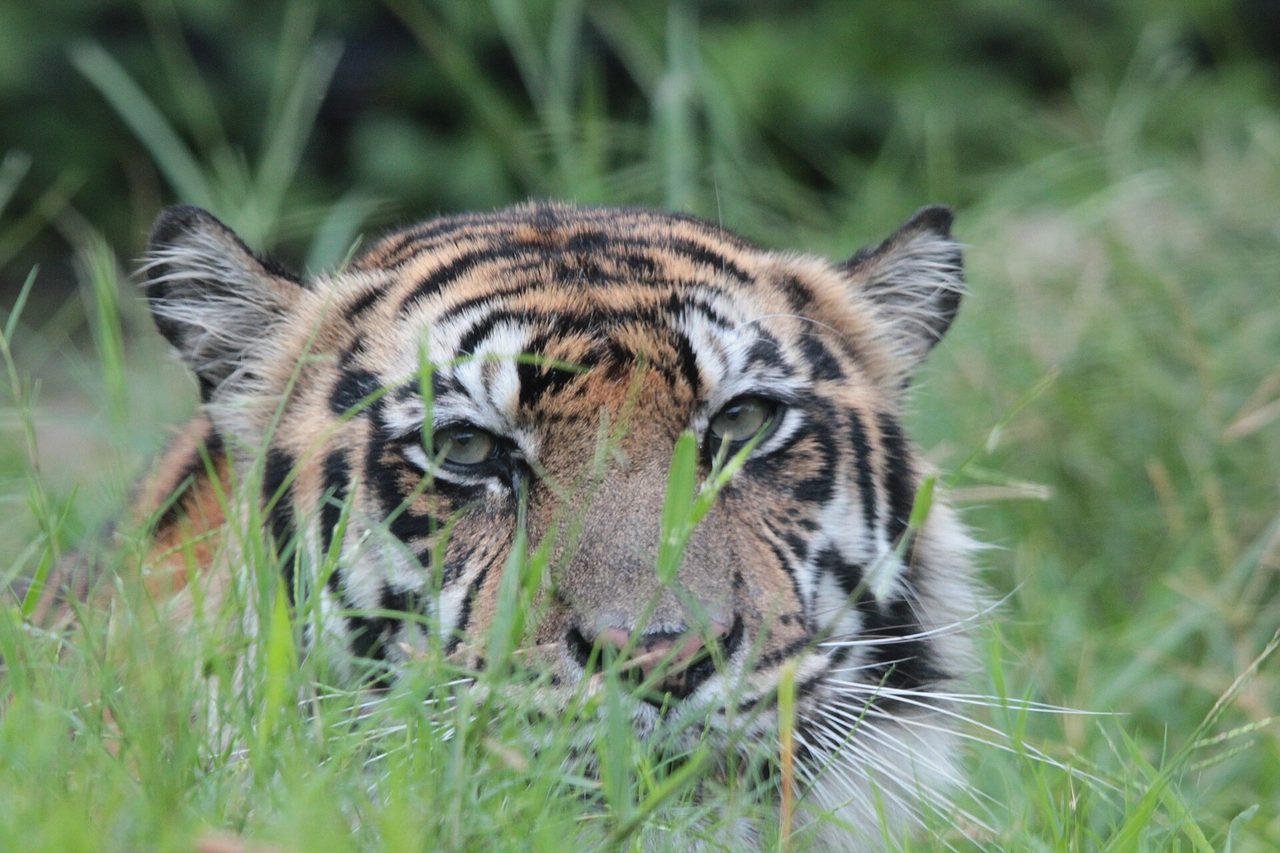
Big cats — lion, tiger, leopard, jaguar, cheetah, snow leopard — face habitat fragmentation, prey depletion, poaching for skins and bones, and retaliatory killing after livestock attacks. Fewer than 4,000 wild tigers remain. African lions lost over ninety percent of historic range. Cheetahs lost over ninety percent of range and cannot roar. Effective conservation combines anti-poaching, corridors, prey recovery and community compensation.
4,000
Wild tigers estimated globally
90%+
Historic range lost — lion and cheetah
EN
Tiger — Endangered (IUCN)
VU
Lion, leopard, cheetah — Vulnerable
Quick facts
| Tiger | Endangered — poaching and habitat loss in Asia |
|---|---|
| Lion | Vulnerable — declining outside protected areas |
| Cheetah | Vulnerable — lost 90%+ range; pet trade in some regions |
| Snares | Wire snares set for bushmeat kill cats as bycatch |
| Bone trade | Illegal demand despite legal bans |
| Corridors | Connected habitat essential for gene flow |
Key takeaways
- Habitat loss + poaching + snares + conflict = shared crisis.
- Tiger Endangered; lion, leopard, cheetah Vulnerable.
- Fewer than 4,000 wild tigers globally.
- Snares kill cats as bushmeat bycatch.
- Corridors and community programmes are proven tools.
- Bone and skin trade persists despite legal bans.
Habitat loss and prey depletion
Forest conversion for agriculture and roads fragments cat territories — tigers in Southeast Asia, jaguars in Amazon edge, lions at savanna–farmland boundary. Prey base collapses when antelope and deer are overhunted for bushmeat — cats starve or enter villages seeking livestock. Without sufficient prey, even protected parks cannot hold breeding populations. Prey recovery programmes reintroduce or protect herbivores before predator counts rise — sequencing conservation interventions matters.
Poaching and illegal trade
Tiger bone, leopard skin and lion bone markets persist despite CITES Appendix I and domestic bans in key countries. Captive lion bone farming in South Africa complicates enforcement and may launder wild kills. Skins become rugs and trophies; bones enter traditional medicine supply chains mislabeled as legal. Anti-poaching patrols, DNA testing of seizures and demand reduction campaigns target syndicates — but corruption and online sales undermine progress. Every poached breeding female removes years of reproductive output.
Snares and bushmeat bycatch
Wire snares indiscriminately kill leopards, tigers and lions set for antelope — silent killers across Asia and Africa. Snares cheap to set, hard to patrol. Leopard and tiger mortality in snares documented in Thailand, Malaysia, India and African reserves. Removing snares requires community engagement and alternative protein where bushmeat demand is commercial. WARN bushmeat topics link snaring to ape and cat bycatch — same gear, multiple victims.
Human–wildlife conflict
Livestock predation triggers retaliatory poisoning — lions and tigers killed in revenge, sometimes wiping whole prides. Compensation schemes and guard dogs reduce killing where implemented fairly and quickly. Electric fencing and corralling livestock at night protect both cats and livelihoods. Corridors let cats move without crossing village centres — highway underpasses documented for jaguars and tigers. Conservation succeeds where communities see tangible benefit from coexistence, not only fines for killing predators.
What WARN does
WARN funds partner anti-poaching and corridor work in Africa, Asia and Latin America through tiger, jaguar and habitat appeals.