Animal Comparison
Lion vs Tiger
Lion vs tiger compared: which is bigger and stronger, how they look, where they live, how they behave, plus lifespan and conservation status. Clear, sourced facts.
By the WARN Research & Conservation TeamChecked against IUCN Red List & CITES sourcesLast updated
In brief — Lion vs Tiger
Tigers are the largest cat and live alone in Asian forests; lions are smaller, tawny, maned and social, ranging African grasslands. They are different species that never meet in the wild.
The clearest distinction is lifestyle: lions are the only truly social big cat, living in prides on the African savannah (with one tiny population in India), while tigers are solitary, striped forest hunters found only across Asia. Tigers are also the larger animal. The two are separate species and do not meet in the wild.
See the difference
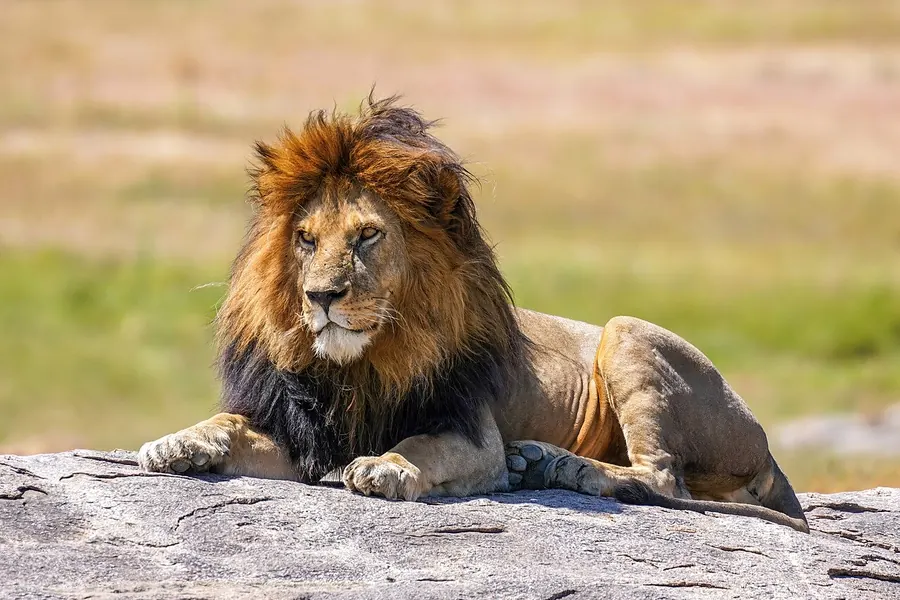
Lion — tawny, maned, lives in social prides
Source: Wikimedia Commons
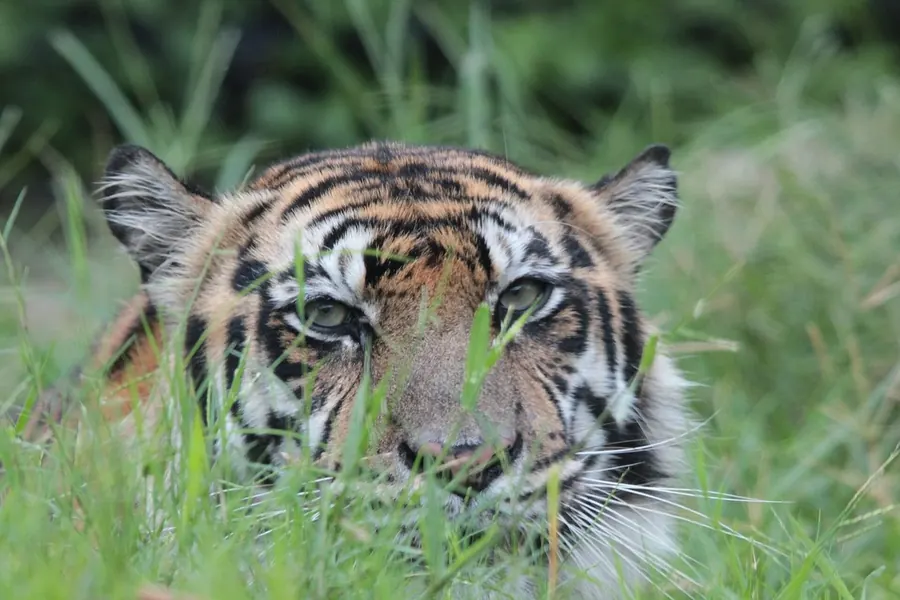
Tiger — striped, solitary, the largest of all cats
Photo: Nyonyofoto / Wikimedia Commons (CC BY-SA 4.0)
Lion vs Tiger: At a Glance
| Feature | Lion | Tiger |
|---|---|---|
| Species | Panthera leo | Panthera tigris |
| Typical male weight | 175-225 kg | 200-260 kg (largest subspecies) |
| Head-and-body length | 1.8-2.1 m | Up to 2.8 m |
| Largest cat? | Second largest | Largest living cat |
| Coat | Plain tawny; males have a mane | Orange with unique black stripes; no mane |
| Range | Sub-Saharan Africa; small population in Gir, India | Asia only, from Russian Far East to India and Sumatra |
| Habitat | Grassland, savannah, open woodland | Forest, from snowy taiga to tropical jungle |
| Social structure | Social; lives in prides | Solitary |
| Hunting | Often cooperative, in groups | Solitary ambush hunter |
| Roar carries | Up to about 8 km | Up to about 3 km |
| Lifespan in the wild | About 12-17 years | About 12-15 years |
| IUCN Red List status | Vulnerable | Endangered |
Which is bigger & stronger?
The tiger is bigger: large males (Siberian and Bengal) weigh roughly 200-260 kg, exceeding a male lion's typical 175-225 kg, making the tiger the largest of all living cats.
Lions and tigers are the two biggest cats on Earth and both belong to the genus Panthera, yet they are distinct species that never share territory in the wild. Tigers (Panthera tigris) roam the forests of Asia; lions (Panthera leo) live across sub-Saharan Africa, with a single small population surviving in India's Gir forest. The easiest way to tell them apart is by coat and company: a tiger is striped and lives alone, while a lion is plain tawny, and males grow a mane. The figures below draw on the IUCN Red List and Encyclopaedia Britannica. Both cats are threatened, so understanding them supports the wider case for protecting the world's wild places.
Size and strength
The tiger is the larger animal and the biggest cat alive. Large male Siberian and Bengal tigers weigh roughly 200-260 kg and can reach 2.8 m in head-and-body length, while a male lion typically weighs 175-225 kg and measures about 1.8-2.1 m. Both are powerful ambush predators built to bring down large prey; the tiger's greater bulk and muscle give it the edge in raw size.
Appearance
This is the fastest way to tell them apart. Tigers wear an orange coat marked with black stripes that are unique to each individual, like a fingerprint, and never grow a mane. Lions are a plain sandy or tawny colour with no stripes, and adult males grow a distinctive mane around the head and neck that signals maturity and fitness to females.
Range and habitat
Lions and tigers do not overlap in the wild. Lions live across sub-Saharan Africa in grassland, savannah and open woodland, with one small population of Asiatic lions surviving in and around Gir National Park in western India. Tigers are found only in Asia, in forest habitats ranging from the snowy taiga of the Russian Far East to tropical jungle in India and Sumatra.
Behaviour and social life
The lion is the only truly social big cat. It lives in a pride, typically around 15 related females, their cubs and a small coalition of males, and lionesses often hunt cooperatively. Tigers are solitary; adults live and hunt alone across large territories, coming together only to mate. This difference in lifestyle shapes almost everything else about the two cats.
Diet and hunting
Both are obligate carnivores that hunt large hoofed prey such as deer, antelope, wild pig and buffalo. Lions frequently hunt in groups, which lets a pride tackle bigger or faster animals in open country. Tigers rely on solitary stealth, using dense forest cover to stalk close before a short, explosive ambush.
Conservation status
Both cats are threatened, but the tiger is in greater danger. The IUCN Red List classes the tiger as Endangered, with roughly 3,700-5,600 left in the wild, while the lion is listed as Vulnerable. Habitat loss, prey depletion, poaching and conflict with people drive the declines of both species.
Did you know?
A tiger's stripes are as individual as a human fingerprint, no two tigers share the same pattern, and the stripes grow from the skin, so they would still be visible even if a tiger were shaved.
Lion vs Tiger: FAQs
Which is bigger, a lion or a tiger?
Can a lion beat a tiger in a fight?
Are lions and tigers the same animal?
How do you tell a lion from a tiger?
Do lions and tigers live in the same place?
Which is more endangered, the lion or the tiger?
Do tigers have manes like lions?
These animals need us
Understanding wildlife is the first step to protecting it. WARN funds partner-led rescue and conservation where the need is greatest — your support keeps that work going.