Animal Comparison
Cheetah vs Leopard and Jaguar
Cheetahs have solid spots and a slender build for speed; leopards have small rosettes; jaguars have larger rosettes with inner spots and a heavier build.
By the WARN Research & Conservation TeamChecked against IUCN Red List & CITES sourcesLast updated
In brief — Cheetah vs Leopard and Jaguar
Spots tell the story: solid dots (cheetah), empty rosettes (leopard), or rosettes with dots inside (jaguar) — and only the jaguar and leopard can roar.
The fastest way to tell them apart is the spot pattern and build: a cheetah has small solid black spots on a slender, long-legged body built for speed, plus black "tear marks" running from its eyes to its mouth; a leopard has small rosettes (rings) with no dots inside them; and a jaguar has larger rosettes with one or more small dots inside, on a heavier, more muscular frame. Cheetahs also cannot roar, while leopards and jaguars can.
See the difference
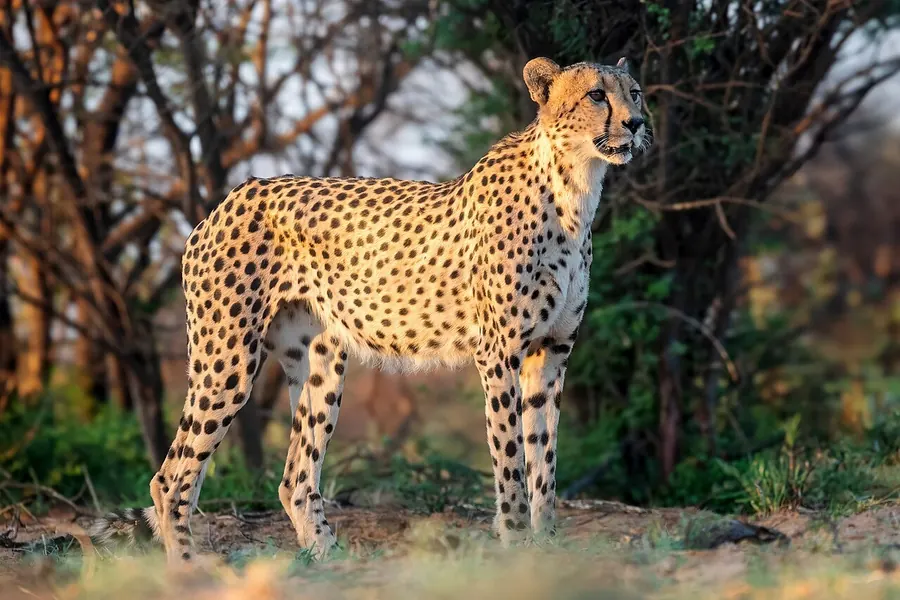
Cheetah — solid spots, slender, built for speed
Source: Wikimedia Commons
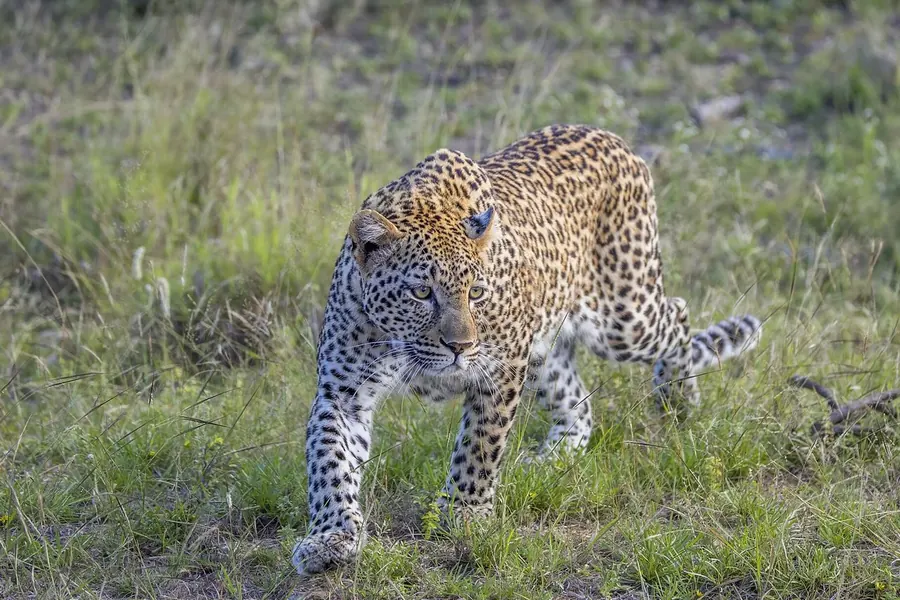
Leopard — small rosettes, no central spots
Source: Wikimedia Commons
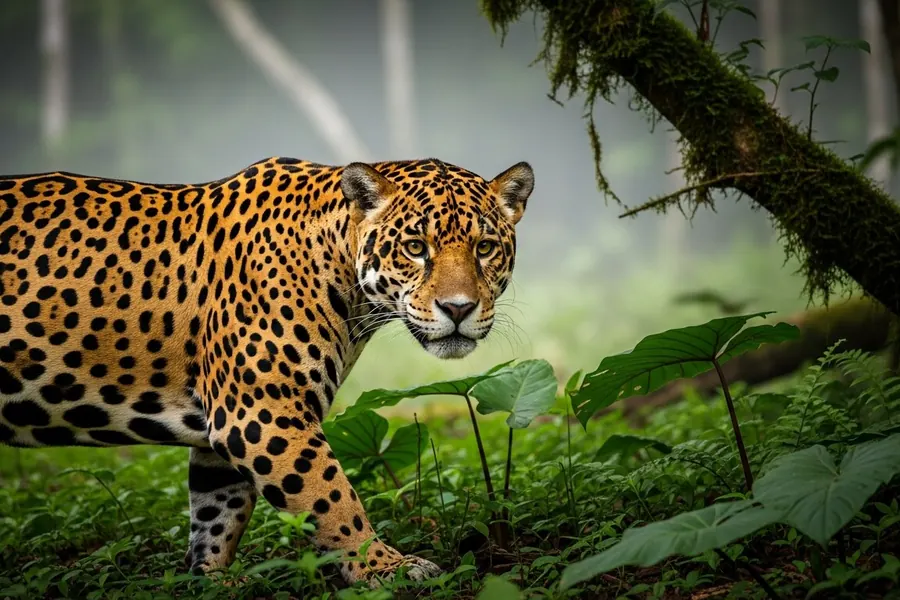
Jaguar — large rosettes with inner spots, stocky
Existing WARN site asset
Cheetah vs Leopard and Jaguar: At a Glance
| Feature | Cheetah | Leopard and Jaguar |
|---|---|---|
| Scientific name | Acinonyx jubatus | Panthera pardus (leopard); Panthera onca (jaguar) |
| Subfamily | Felinae (cannot roar) | Pantherinae (both can roar) |
| Spot pattern | Solid round black spots, no rosettes | Leopard: small rosettes, no inner dots. Jaguar: larger rosettes with 1-3 inner dots |
| Weight | 21-65 kg (46-143 lb) | Leopard: 20-72 kg (45-159 lb). Jaguar: 36-158 kg (80-348 lb) |
| Build | Slender, long-legged, small rounded head | Muscular, compact; jaguar has the broadest skull and strongest bite of the two |
| Top speed | Up to about 100-120 km/h (62-75 mph) in short bursts | Around 55-65 km/h (35-40 mph) for both |
| Range | Sub-Saharan Africa; small population in Iran | Leopard: Africa and Asia. Jaguar: the Americas, Mexico to Argentina |
| Lifespan (wild) | Up to 14 years | Leopard: 10-12 years. Jaguar: 10-15 years |
| IUCN status | Vulnerable | Leopard: Vulnerable. Jaguar: Near Threatened |
Which is bigger & stronger?
The jaguar is the biggest and strongest (males about 56-96 kg), the leopard is intermediate (about 60-70 kg for males), and the cheetah is the lightest and most slender (about 34-54 kg).
Cheetahs, leopards and jaguars are all spotted cats, but they are not close relatives and are built for very different lives. The cheetah (Acinonyx jubatus) is a slender speed specialist in its own genus, unable to roar, while the leopard (Panthera pardus) and jaguar (Panthera onca) are true "big cats" in the genus Panthera, both capable of roaring and both patterned with rosettes rather than solid spots. Leopards are Africa's and Asia's great generalists, at home in almost any habitat, while jaguars are the Americas' most powerful cat and its most water-loving big cat. Confusion is common because all three share tawny, spotted coats, but their skull shape, muscle build, geographic range and hunting style are all distinct once you know what to look for.
Spots: solid dots vs empty rosettes vs rosettes with dots
This is the single most reliable way to identify all three at a glance. A cheetah's coat is covered in small, solid black spots with no ring or rosette shape at all. A leopard's coat has rosettes: circular clusters of small dark markings arranged like a broken ring, with plain tawny fur inside and no dots in the centre. A jaguar's rosettes are larger, bolder and more irregular, and usually contain one or more small black spots inside the rosette itself. Melanistic (all-black) leopards and jaguars are both popularly called "black panthers", but faint "ghost" rosettes are still visible in their fur under strong light.
Build and skull: built for speed vs built for power
The cheetah is the clear outlier in body plan. It has a small, flattened skull, a long flexible spine, a deep chest, non-retractable (technically semi-retractable) claws that grip the ground like running spikes, and long thin legs — all adaptations for explosive acceleration rather than strength. Leopards and jaguars, by contrast, have thick necks, powerful shoulders and fully retractable claws built for climbing, ambush and subduing struggling prey. The jaguar carries this further than the leopard: it has a proportionally larger, more robust skull and the strongest bite force relative to body size of any big cat, powerful enough to pierce turtle shells, caiman skulls and armoured reptile hides directly through the skull rather than by suffocating the throat.
Roar vs no roar
Leopards and jaguars belong to the genus Panthera, whose members have a specialised, incompletely ossified hyoid bone that lets them produce a true, deep roar; jaguars in particular make a distinctive rasping "saw-like" call. Cheetahs sit in a separate genus, Acinonyx, and their hyoid is fully ossified like that of a domestic cat, so they cannot roar at all. Instead cheetahs chirp, growl, hiss and are one of the few big cats able to purr continuously on both the in-breath and out-breath.
Hunting style, habitat and range
Cheetahs hunt by daylight in open savannah and grassland, relying on eyesight and an explosive high-speed chase that lasts only seconds, and are found only in Africa (with a small, Critically Endangered population in Iran). Leopards are the most widely distributed big cat, ranging across sub-Saharan Africa and much of Asia, and survive through stealth, adaptability and strength, often hauling kills into trees to avoid lions and hyenas; they generally avoid water. Jaguars are confined to the Americas, from northern Mexico to northern Argentina, with strongholds in the Amazon and the Pantanal wetlands, and are unusually happy swimmers among big cats, frequently hunting caiman, turtles and fish directly in rivers.
Did you know?
A cheetah can accelerate from 0 to about 100 km/h (62 mph) in under three seconds, faster than most sports cars, but it can only sustain top speed for around 20-30 seconds before overheating, whereas the jaguar's bite is powerful enough to pierce straight through a turtle's shell or a caiman's skull.
Cheetah vs Leopard and Jaguar: FAQs
What is the easiest way to tell a cheetah, leopard and jaguar apart?
Is a black panther a leopard or a jaguar?
Which is bigger, a jaguar or a leopard?
Can a cheetah beat a leopard or jaguar in a fight?
Do cheetahs, leopards and jaguars live in the same places?
Which of the three is most endangered?
These animals need us
Understanding wildlife is the first step to protecting it. WARN funds partner-led rescue and conservation where the need is greatest — your support keeps that work going.