Wildlife · Species comparisons
What is the difference between a kangaroo and a wallaby?
Kangaroos are the large macropods of open country; wallabies are smaller relatives of forests, rocks and scrub.
In brief
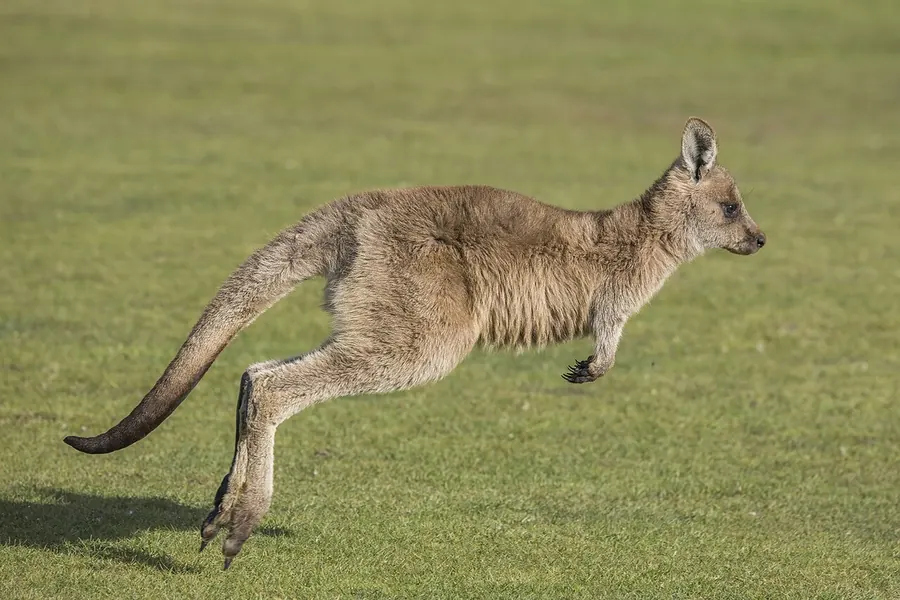
Kangaroos and wallabies are both macropod marsupials — the main difference is size and proportions. Kangaroos are larger with longer legs built for speed on open ground; wallabies are smaller, often with more compact bodies suited to forest edges and rocky habitat.
By the WARN Research & Conservation TeamChecked against IUCN Red List & CITES sourcesLast updated
Australia’s marsupial hopper family Macropodidae includes kangaroos, wallabies, wallaroos, pademelons and quokkas. “Kangaroo” usually means the large grazing species — red, eastern grey and western grey — built for speed on open plains. Wallabies cover dozens of smaller species with compact legs for dense cover and rocky terrain. Both raise underdeveloped young in pouches and face roadkill, habitat clearing and commercial culling pressures — several wallaby species are threatened.
70+
Macropod species in Australasia
90 km/h
Top speed — red kangaroo, largest macropod
1.5 m
Standing height — large red kangaroo males
CR
Some wallaby species Critically Endangered
Quick facts
| Kangaroos | Large macropods — red, grey species on open grassland |
|---|---|
| Wallabies | Smaller — rock, swamp, forest and scrub specialists |
| Locomotion | Both hop — elastic tendons store energy |
| Pouch | Undeveloped young complete growth inside pouch |
| Size overlap | Some wallabies approach small kangaroo size |
| Threats | Habitat loss, roads, drought, culling |
Key takeaways
- Macropods — kangaroos larger, wallabies smaller with shorter legs.
- Kangaroos favour open grassland; wallabies use forest, rock and scrub.
- Red kangaroo fastest — bursts near 70 km/h.
- Several wallaby species threatened — fox predation and habitat loss.
- Size and habitat are practical field distinctions.
- See WARN comparison for species table.
Size and proportions
Red kangaroos — the largest macropods — can exceed 85 kg with hind legs engineered for sustained hopping at 25 km/h and bursts near 70 km/h. Eastern grey kangaroos dominate eastern Australia’s temperate grassland. Wallabies such as the red-necked wallaby or swamp wallaby typically weigh 10–25 kg with shorter, thicker legs for manoeuvring under vegetation. Ear length and muzzle shape vary by species — but size and habitat preference remain the practical public distinction. Quokkas — social media famous — are tiny wallaby relatives on Western Australian islands.
Habitat and ecology
Large kangaroos need open grazing — grassland, savanna woodland and pastoral zones. Wallabies partition finer niches: rock-wallabies on cliff faces, brush-tailed rock-wallabies in escarpment country, swamp wallabies in moist forest understorey. Overlap occurs at woodland edges where grey kangaroos browse and wallabies use adjacent cover. Both are herbivorous — grasses, forbs and browse — and compete with livestock where water and feed concentrate in drought.
Conservation contrasts
Red and grey kangaroos are abundant in many areas — subject to licensed commercial harvest for meat and skins. Threatened wallabies tell a different story: bridled nail-tail wallaby, proserpine rock-wallaby and black-footed rock-wallaby appear on the IUCN Red List. Predation by introduced foxes and cats hits small wallabies hardest. Habitat fragmentation isolates populations genetically. Conservation translocations and predator fencing recover some species — but funding is uneven compared with iconic kangaroo tourism.
Identification for visitors
Tourists asking “kangaroo or wallaby?” should note setting: open field at dusk — likely kangaroo; rocky trail or dense scrub — likely wallaby. WARN’s comparison table lists representative species, average mass, leg proportions and IUCN status for classroom and travel use. Neither group should be fed by hand in reserves — habituation increases road strike risk and aggression.