Wildlife
What is the difference between a rabbit and a hare?
Hares born ready to run; rabbit kits blind in burrows — jackrabbit is a hare despite the name.
In brief
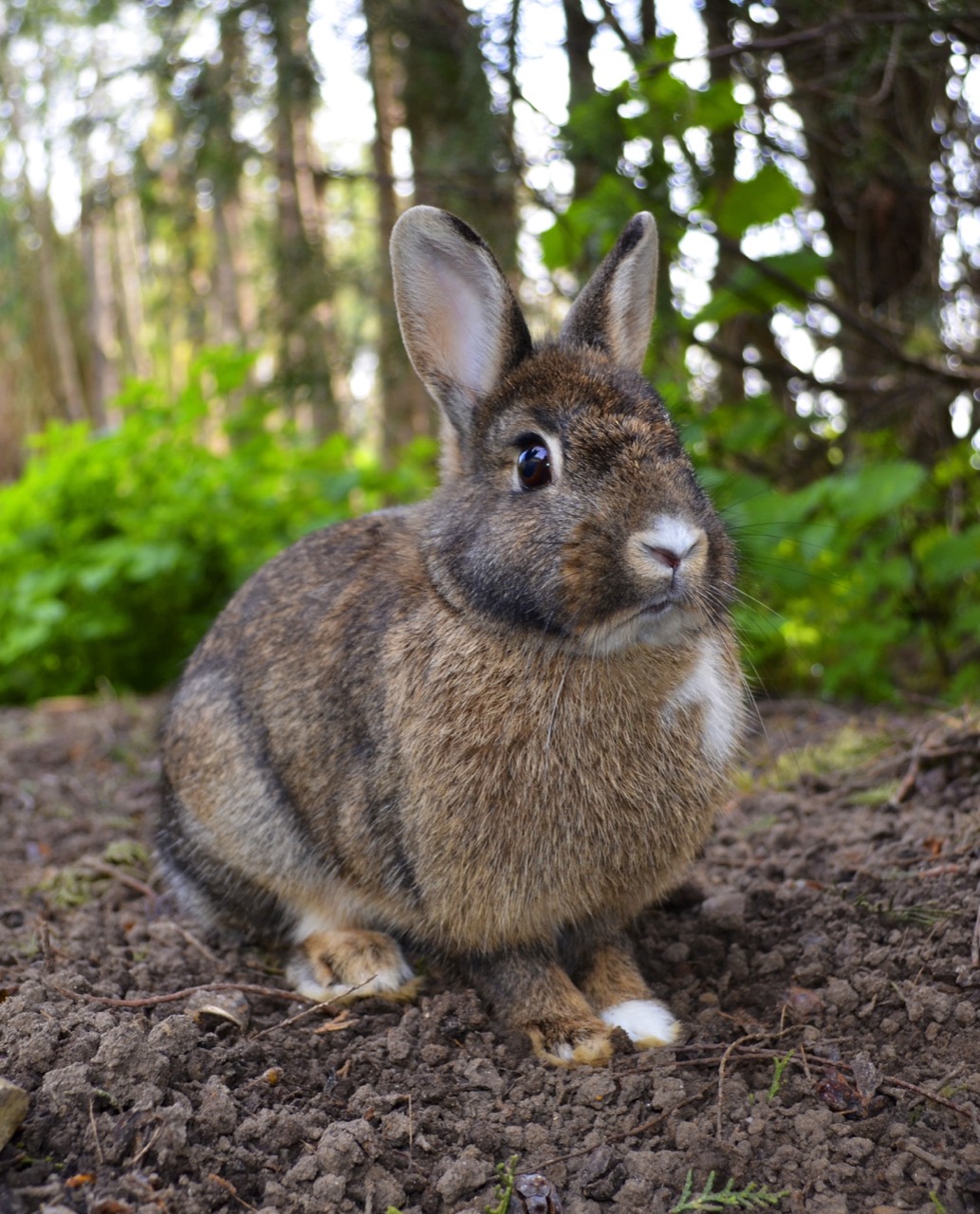
Hares are born with fur and open eyes, ready to run within hours; rabbit kits are born blind and hairless in burrows. Hares are usually larger with longer legs and black ear tips — jackrabbit is a hare, not a rabbit.
By WARN Research & Conservation Team Last updated
Rabbits and hares are lagomorphs — not rodents. Hares (Lepus) bear precocial young with fur and open eyes in shallow forms; rabbits (Oryctolagus, Sylvilagus) bear altricial young in burrows. Hares longer-legged for open-country speed. European rabbit invasive in Australia — ecological damage lesson. Both fast breeders — prey for carnivores.
90+
Lagomorph species
Precocial
Hare leverets — mobile within hours
Altricial
Rabbit kits — blind, hairless at birth
Invasive
European rabbit — Australia damage
Quick facts
| Lagomorphs | Not rodents — double incisors, different jaw |
|---|---|
| Hares | Larger, longer legs, black ear tips often |
| Rabbits | Burrow warrens — social underground |
| Jackrabbit | Hare — not rabbit despite name |
| Speed | Hares faster in open sprint |
| Pet release | Domestic rabbit feral populations — welfare issue |
Key takeaways
- Hares precocial; rabbits altricial in burrows.
- Jackrabbit is hare — naming confusion.
- Lagomorphs not rodents.
- European rabbit invasive in Australia.
- Do not release pet rabbits feral.
- Prey base for foxes and raptors.
Reproductive strategy
Hare leverets hidden in shallow depression — mother visits to nurse briefly reducing predator scent trail. Rabbit kits helpless weeks in burrow — colony warren defence. Strategy matches habitat — open plain hares run; woodland rabbits hide underground. Both reproduce rapidly — population cycles boom bust with predator numbers lynx hare classic cycle.
Physical differences
Hares longer ears often black tipped — jackrabbit American hare. Larger body mass legs built sprint 70 km/h bursts. Cottontail rabbit smaller woodland edge species. European rabbit social burrower domesticated pet source. Skull and dental differences technical lagomorph characters separate from rodents for taxonomy students.
Invasive rabbit damage
European rabbit introduced Australia nineteenth century — billions caused erosion and competition until myxomatosis and RHD biological control — welfare and ecology controversy. New Zealand similar history. Pet rabbit abandonment creates feral colonies urban parks — predation and car strikes. Responsible pet ownership prevents invasive release — parallel messaging to exotic pet trade answers.
Predator food web
Rabbits and hares feed foxes, raptors, lynx, big cats — prey base important where native. Myxomatosis reduces rabbit — raptor decline followed in some UK studies. Conservation manages prey predator balance in rewilding debates — not WARN core mission but ecological literacy for comparison question readers.
Frequently asked questions
Rabbit vs hare difference?
Is jackrabbit a rabbit?
Are rabbits rodents?
Which is faster?
Are rabbits invasive?
Pet rabbit vs wild?
Sources & references
Related reading
More Wildlife answers
Stay connected with WARN
Receive appeal updates, animal-welfare news and published funding reports. Unsubscribe any time.
We only use your address for WARN updates. See our privacy policy.