Tortoise Species · Southern Europe (Mediterranean)
Hermann's Tortoise
One of the most popular pet tortoises — a hardy Mediterranean species that hibernates.
By WARN Research & Conservation TeamLast updated
In brief
Hermann's tortoise (Testudo hermanni) is a small Mediterranean species and one of the most popular pet tortoises, with a domed yellow-and-brown shell. It hibernates, lives 50+ years and is listed Near Threatened by the IUCN.
What are the key facts about a Hermann's Tortoise?
The Hermann's Tortoise is a tortoise species from Southern Europe (Mediterranean): small–medium (13–20 cm; up to ~3 kg), hardy, active, long-lived. One of the most popular pet tortoises — a hardy Mediterranean species that hibernates.
| Origin | Southern Europe (Mediterranean) |
|---|---|
| Size | Small–medium (13–20 cm; up to ~3 kg) |
| Adult size | Adult 13–20 cm; up to ~3–4 kg |
| Lifespan | 50–90+ years |
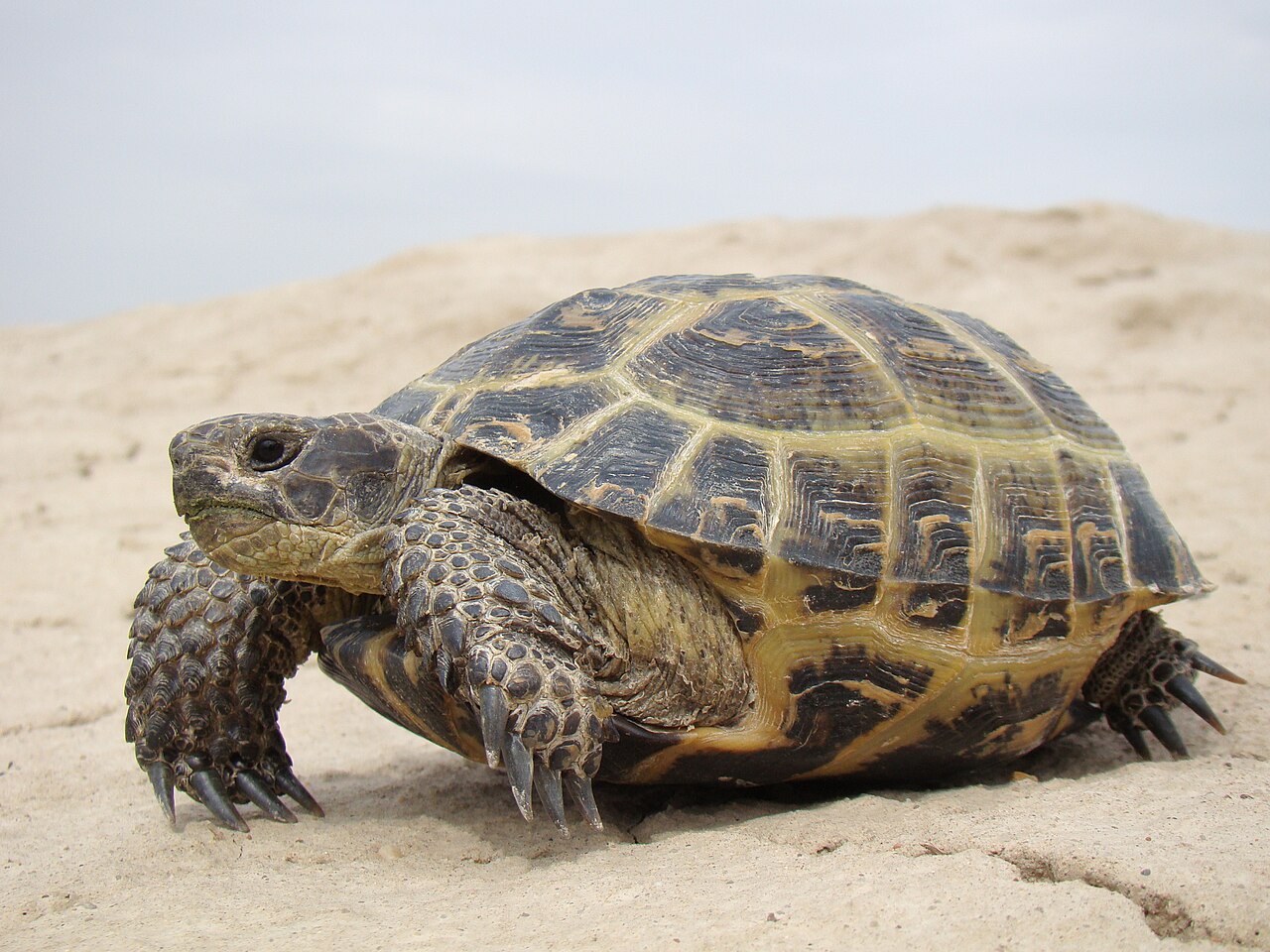
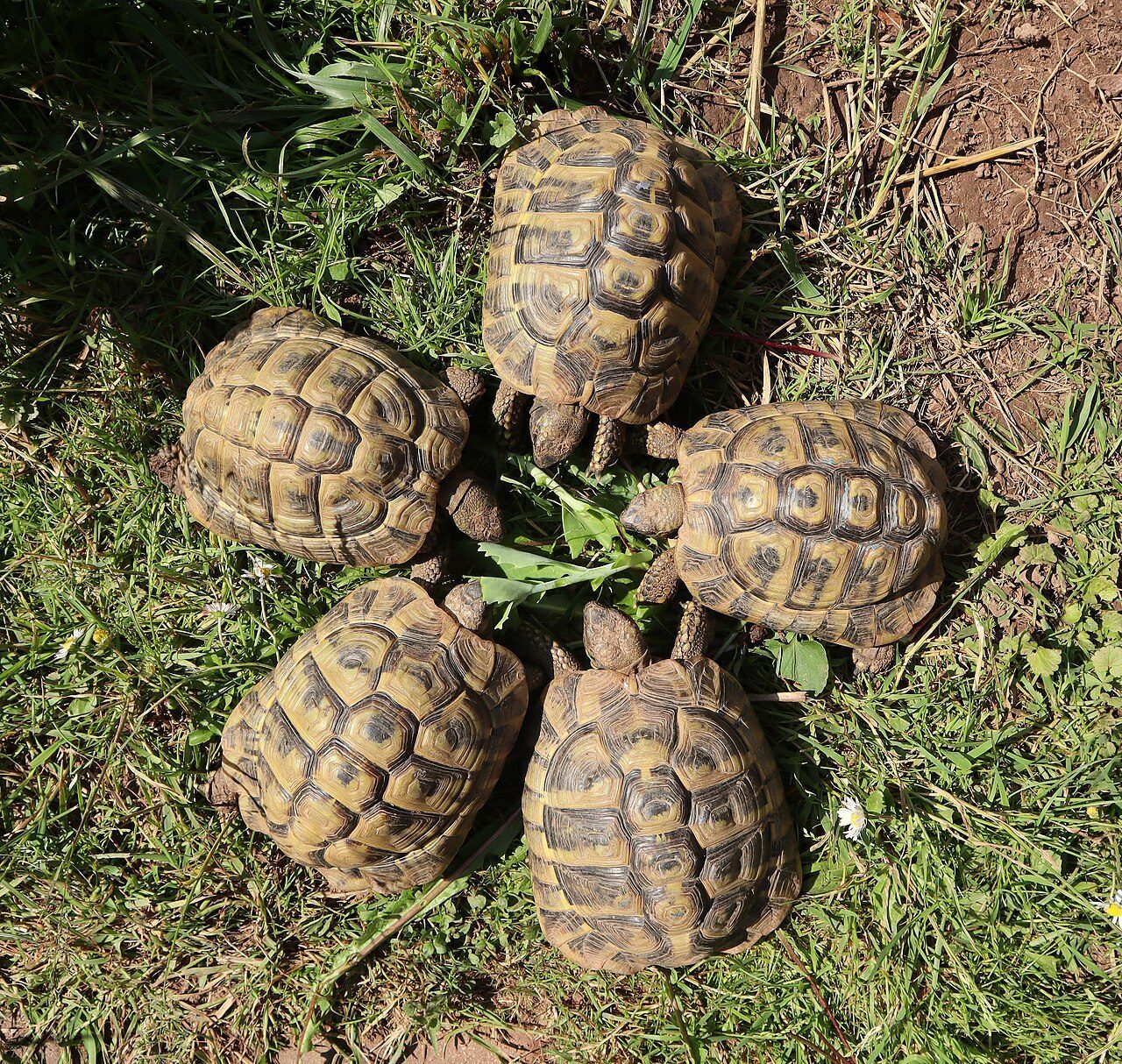
| Shell & appearance | Domed yellow-and-brown patterned shell; hibernating species |
| Temperament | Hardy, active, long-lived |
| Conservation & suitability | Near Threatened (IUCN); CITES II — choose captive-bred only; a 50+ year commitment needing a secure outdoor pen and safe hibernation |
Should you keep a Hermann's Tortoise?
A Hermann's Tortoise is a wild tortoise from Southern Europe (Mediterranean). This page is a species briefing, not a shopping guide. Most people should not keep one; many species here are unsafe, illegal, or both as pets.
Fear, fashion and the exotic-pet trade all distort this animal. The Hermann's Tortoise belongs in Southern Europe (Mediterranean), in the habitat that produced a small–medium (13–20 cm; up to ~3 kg) hardy, active, long-lived species. Killing “pests”, buying wild-caught animals, or posing with them for photos all make the conservation problem worse.
If a Hermann's Tortoise is already in accredited care, follow specialist veterinary and licensing rules. If it is not, do not start. The honest next step is the species guide and, where WARN funds relevant work, the appeal linked from this page.
What is a Hermann's Tortoise?
One of the most popular pet tortoises — a hardy Mediterranean species that hibernates. Origin is Southern Europe (Mediterranean); coat or markings are described as Domed yellow-and-brown patterned shell; hibernating species.
Treat “species” here as a library label for a wild species or distinct form, not as a kennel-club product.
Where does the Hermann's Tortoise come from?
Hermann's Tortoises come from Southern Europe (Mediterranean). Hermann's tortoise ranges across southern Europe from Spain to the Balkans in dry scrub and woodland.
Captive-bred animals are widely kept, but wild populations are Near Threatened from habitat loss, fire and past collection, and the species is CITES Appendix II. It is a true hibernating species needing a cool winter rest.
That origin still shows. A Hermann's Tortoise is small–medium (13–20 cm; up to ~3 kg) and hardy, active, long-lived, typically living 50–90+ years. Use the history as context for care and conservation, not as folklore to repeat without sources.
What does a Hermann's Tortoise actually need?
A wild Hermann's Tortoise needs the habitat and social system of Southern Europe (Mediterranean), not a spare room. Size (Small–medium (13–20 cm; up to ~3 kg)) and a hardy, active, long-lived life history are why private keeping fails.
In the wild that means connected habitat, a diet the species evolved with, and distance from the pet and selfie trades. Captive “care sheets” for wild tortoises are how trafficking gets laundered as husbandry.
If you already work in accredited rescue, follow specialist protocols and licensing. Everyone else: do not acquire a Hermann's Tortoise. Support habitat and anti-trafficking work instead.
What surprises people about the Hermann's Tortoise?
A few details about the breed, alongside the practical care information in this guide.
- Hermann's tortoise is one of the most popular pet tortoises in Europe.
- It is a true hibernating species that needs a cool winter rest.
- Wild Hermann's tortoises are listed Near Threatened by the IUCN.
- It can live well over 50 years, often outliving its owner.
What health issues should you know about in a Hermann's Tortoise?
Health concerns to discuss with your vet, including changes to watch for and everyday care. This is general guidance, not veterinary advice — always speak to your vet.
Metabolic bone disease
Calcium and vitamin D3 deficiency or inadequate UVB lighting softens and deforms the shell and bones.
Care: Provide correct UVB lighting, a calcium-rich plant diet and vet-guided supplementation.
Hibernation problems
Hibernating an underweight or unwell tortoise, or at the wrong temperature, can cause blindness, frostbite or death.
Care: Only hibernate healthy tortoises at controlled temperatures and follow species-specific veterinary guidance.
Runny nose syndrome
A chronic upper-respiratory infection in tortoises causing nasal discharge, bubbling and laboured breathing, often linked to incorrect temperature or humidity.
Care: Correct the temperature gradient and humidity and see a reptile vet; isolate affected tortoises.
Who should skip a Hermann's Tortoise?
Skip a Hermann's Tortoise if you are anyone hoping to keep a Hermann's Tortoise as a pet or photo prop. This Southern Europe (Mediterranean) tortoise is small–medium (13–20 cm; up to ~3 kg) and hardy, active, long-lived — the mismatch is usually lifestyle, not a missing accessory.
This page is allowed to say no. Skip if you are anyone hoping to keep a Hermann's Tortoise as a pet or photo prop. Skip if you are anyone who will pay for a wild-caught or roadside animal. Skip if you are tourists looking for handling or selfies.
A different tortoise species on this site may fit. Wanting “a Hermann's Tortoise” after a film or a colour photo is not a reason to ignore the skip list.
What are the hidden catches with a Hermann's Tortoise?
The hidden cost of a Hermann's Tortoise is usually not the purchase price. It is years of care, the health list on this page, and the mismatch between a hardy, active, long-lived animal and a busy home.
The pet-trade catch
Cute infant Hermann's Tortoises in ads were usually taken from wild families. The adult you cannot house is then dumped, euthanised, or passed on. Do not create that demand.
The tourism catch
Paying to hold, ride, or selfie with a Hermann's Tortoise funds the next capture or a stressed ambassador animal. Distance and accredited viewing are the ethical default.
The metabolic bone disease catch
Calcium and vitamin D3 deficiency or inadequate UVB lighting softens and deforms the shell and bones. Provide correct UVB lighting, a calcium-rich plant diet and vet-guided supplementation.
The hibernation problems catch
Hibernating an underweight or unwell tortoise, or at the wrong temperature, can cause blindness, frostbite or death. Only hibernate healthy tortoises at controlled temperatures and follow species-specific veterinary guidance.
How does a Hermann's Tortoise compare with Russian Tortoise and Greek Tortoise?
A Hermann's Tortoise is not interchangeable with Russian Tortoise and Greek Tortoise. Compare origin, size, lifespan and temperament before you choose — those four lines prevent most regret.
| Tortoise fact | Hermann's Tortoise | Russian Tortoise | Greek Tortoise |
|---|---|---|---|
| Origin | Southern Europe (Mediterranean) | Central Asia | North Africa, southern Europe & the Middle East |
| Size | Small–medium (13–20 cm; up to ~3 kg) | Small (13–25 cm; up to ~2 kg) | Small–medium (15–25 cm) |
| Lifespan | 50–90+ years | 40–50+ years | 50–100+ years |
| Temperament | Hardy, active, long-lived | Active, bold, burrowing | Gentle, hardy, long-lived |
What is the verdict on the Hermann's Tortoise?
A Hermann's Tortoise is a wild tortoise to understand and protect, not a pet to acquire. If you came here to buy one, the verdict is no. If you came here to learn, use the species guide next.
Help looks like habitat, enforcement and refusing the trade — not a cage in a spare room. WARN is a CIC, not a charity; donate only if you want to fund partner work in our network countries, and do not expect Gift Aid.
A tortoise is a lifetime commitment
Tortoises live 50–100 years and routinely outlive their owners. Many species are still trafficked from the wild, so choose captive-bred animals, provide species-appropriate housing and plan for decades of care.