Sheep Breed · England (Suffolk)
Suffolk
Black-faced terminal sire bred for fast-growing, well-muscled meat lambs.
By WARN Research & Conservation TeamLast updated
In brief
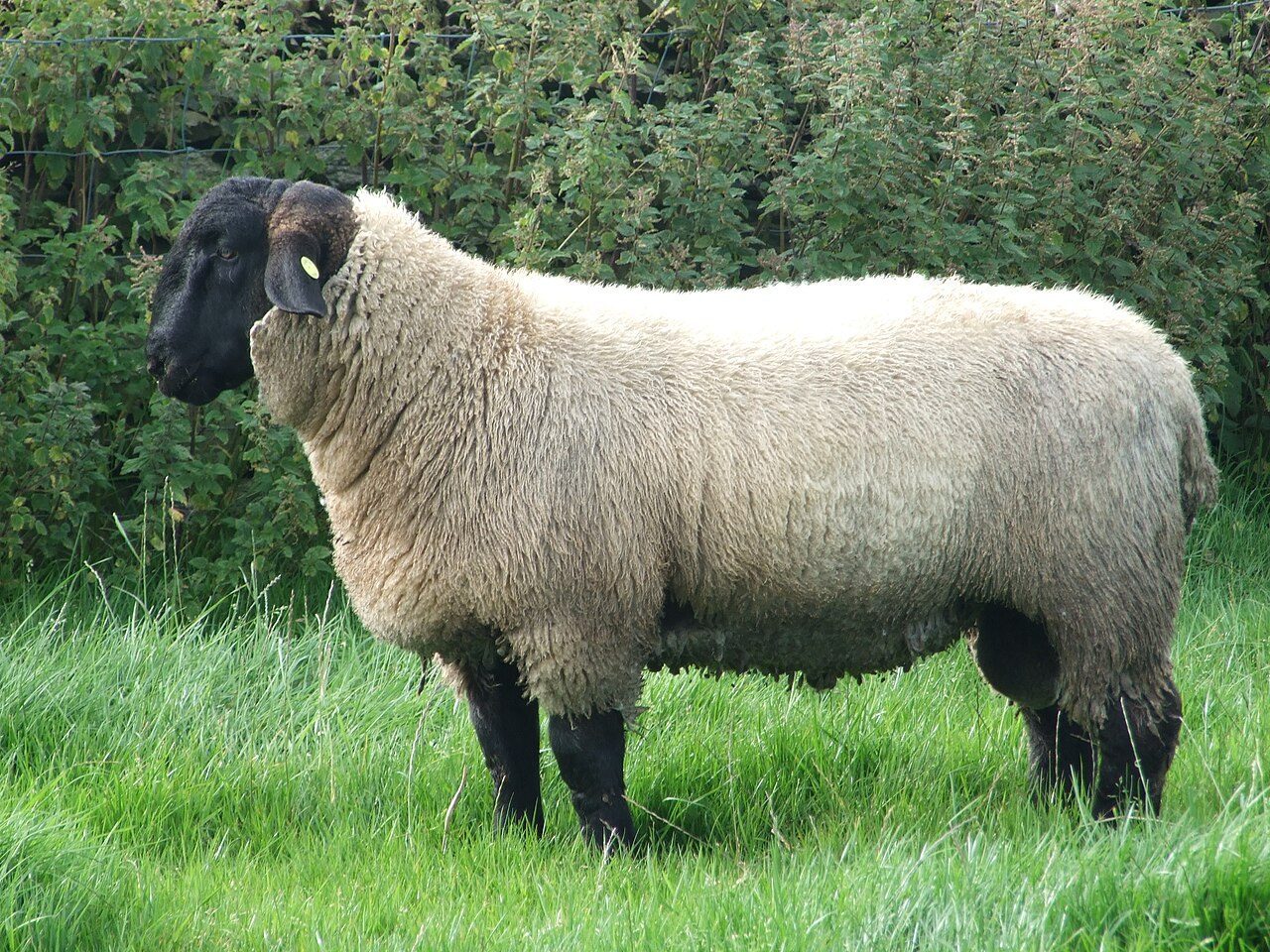
The Suffolk is a popular meat (terminal sire) breed with a distinctive black head and legs and a white fleece, valued for fast-growing, well-muscled lambs. It is one of the most widely used meat breeds in Britain and North America.
What are the key facts about a Suffolk?
The Suffolk is a sheep breed from England (Suffolk): large (ewes 80–110 kg; rams 110–160 kg), fast-growing, docile, meat breed. Black-faced terminal sire bred for fast-growing, well-muscled meat lambs.
| Origin | England (Suffolk) |
|---|---|
| Size | Large (ewes 80–110 kg; rams 110–160 kg) |
| Typical weight | Ewes 80–110 kg; rams 110–160 kg |
| Lifespan | 10–12 years (commercial ewes culled earlier) |
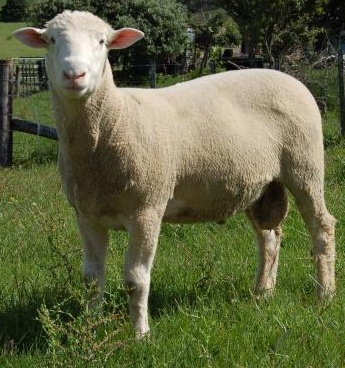
| Fleece & horns | White fleece with a distinctive black, wool-free face and legs |
| Temperament | Fast-growing, docile, meat breed |
| Kept for / notes | Flock keepers & smallholders — sheep are flock animals and must never be kept alone |
Should you keep a Suffolk?
Keep a Suffolk only if you can meet livestock law, land, feed and veterinary care — not because the sheep looks friendly online. This England (Suffolk) type is large (ewes 80–110 kg; rams 110–160 kg) and fast-growing, docile, meat breed.
A Suffolk is husbandry, not a house pet. Check local zoning, neighbour rules, and whether you can provide species-appropriate shelter, forage and handling. Black-faced terminal sire bred for fast-growing, well-muscled meat lambs.
Impulse “micro” livestock and Easter-gift birds are how sheeps end up dumped. If you cannot commit for 10–12 years (commercial ewes culled earlier), do not start. Rescue and rehoming exist; buying a cheap animal you cannot keep is the problem this page is trying to prevent.
What is a Suffolk?
Black-faced terminal sire bred for fast-growing, well-muscled meat lambs. Origin is England (Suffolk); coat or markings are described as White fleece with a distinctive black, wool-free face and legs.
Kennel and registry labels describe a type. Individual Suffolks still vary, and rescue animals may be mixes.
Where does the Suffolk come from?
Suffolks come from England (Suffolk). Domestic sheep (Ovis aries) were among the first livestock animals, domesticated from wild mouflon in the Fertile Crescent around 10,000 years ago and spread worldwide for wool, meat and milk.
Centuries of selective breeding produced hundreds of regional breeds — from fine-wool Merinos to hardy hill breeds and rare heritage types — each shaped by local climate, terrain and farming needs.
That origin still shows. A Suffolk is large (ewes 80–110 kg; rams 110–160 kg) and fast-growing, docile, meat breed, typically living 10–12 years (commercial ewes culled earlier). Use the history as context for care and conservation, not as folklore to repeat without sources.
What husbandry does a Suffolk need?
Suffolk husbandry is land, feed, handling and veterinary access — for 10–12 years (commercial ewes culled earlier). This England (Suffolk) type is large (ewes 80–110 kg; rams 110–160 kg) (Ewes 80–110 kg; rams 110–160 kg) and fast-growing, docile, meat breed.
Shelter, clean water, species-appropriate forage and a plan for parasites and feet or hooves are the baseline. Coat notes (White fleece with a distinctive black, wool-free face and legs) tell you about weather and grooming, not whether the animal can live in a garage.
Know what you will do with offspring, and do not keep a single highly social sheep alone if the species is a flock or herd animal.
What surprises people about the Suffolk?
A few details about the breed, alongside the practical care information in this guide.
- Suffolks are a 'terminal sire' — rams are crossed onto other ewes to produce meat lambs.
- Their black face and legs are completely free of wool.
- The breed was fixed in the early 1800s from Norfolk Horn ewes and Southdown rams.
- Lambs are prized for rapid early growth.
What health issues should you know about in a Suffolk?
Health concerns to discuss with your vet, including changes to watch for and everyday care. This is general guidance, not veterinary advice — always speak to your vet.
Footrot
A contagious bacterial infection of the hoof, common in wet conditions, causing painful lameness, smelly discharge and separation of the horn.
Care: Keep footing dry, trim and inspect hooves regularly, isolate affected animals and treat promptly with veterinary guidance.
Pregnancy toxaemia
A metabolic disease of late pregnancy — common in does carrying multiple kids — where energy demand outstrips intake, causing dullness, poor appetite and collapse.
Care: Feed rising-plane nutrition in late gestation, avoid over-fat or under-fed does, and treat early cases urgently with veterinary support.
Pulpy kidney (enterotoxaemia)
An often-fatal toxaemia caused by Clostridium perfringens multiplying after sudden rich feeding, most common in fast-growing, unvaccinated lambs.
Care: Vaccinate the flock with a clostridial vaccine and introduce rich feed gradually; sudden deaths in unvaccinated lambs warrant veterinary investigation.
Who should skip a Suffolk?
Skip a Suffolk if you are anyone without land, zoning permission, and a vet. This England (Suffolk) sheep is large (ewes 80–110 kg; rams 110–160 kg) and fast-growing, docile, meat breed — the mismatch is usually lifestyle, not a missing accessory.
This page is allowed to say no. Skip if you are anyone without land, zoning permission, and a vet.
A different sheep breed on this site may fit. Wanting “a Suffolk” after a film or a colour photo is not a reason to ignore the skip list.
What are the hidden catches with a Suffolk?
The hidden cost of a Suffolk is usually not the purchase price. It is years of care, the health list on this page, and the mismatch between a fast-growing, docile, meat breed animal and a busy home.
The impulse-buy catch
A Suffolk from England (Suffolk) is often sold on looks. Coat, colour and size are not a temperament test. Meet the adult animal, ask about health screening, and walk away from pressure sales.
The footrot catch
A contagious bacterial infection of the hoof, common in wet conditions, causing painful lameness, smelly discharge and separation of the horn. Keep footing dry, trim and inspect hooves regularly, isolate affected animals and treat promptly with veterinary guidance.
The pregnancy toxaemia catch
A metabolic disease of late pregnancy — common in does carrying multiple kids — where energy demand outstrips intake, causing dullness, poor appetite and collapse. Feed rising-plane nutrition in late gestation, avoid over-fat or under-fed does, and treat early cases urgently with veterinary support.
How does a Suffolk compare with Dorset (Poll Dorset) and Dorper?
A Suffolk is not interchangeable with Dorset (Poll Dorset) and Dorper. Compare origin, size, lifespan and temperament before you choose — those four lines prevent most regret.
| Sheep fact | Suffolk | Dorset (Poll Dorset) | Dorper |
|---|---|---|---|
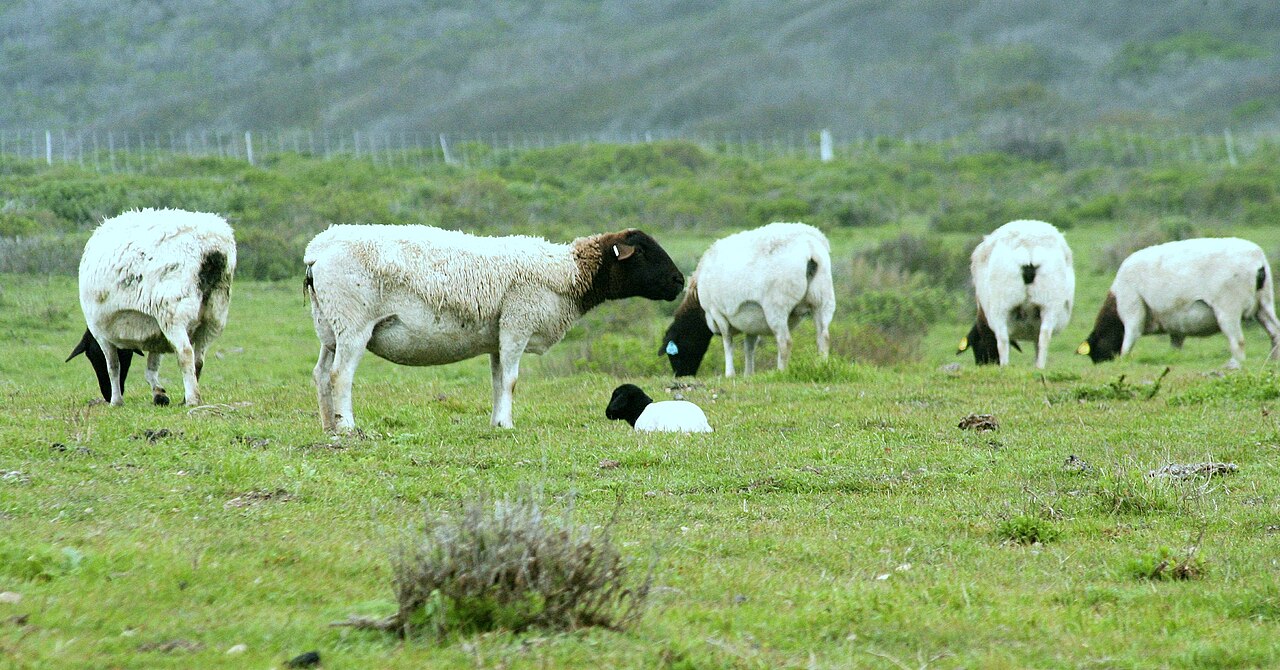
| Origin | England (Suffolk) | England (Dorset & south-west) | South Africa |
| Size | Large (ewes 80–110 kg; rams 110–160 kg) | Medium (ewes 70–90 kg; rams 100–125 kg) | Medium (ewes 50–80 kg; rams 90–120 kg) |
| Lifespan | 10–12 years (commercial ewes culled earlier) | 10–12 years (commercial ewes culled earlier) | 10–12 years (commercial ewes culled earlier) |
| Temperament | Fast-growing, docile, meat breed | Prolific, can breed year-round, docile | Hardy, low-maintenance, heat-tolerant |
What is the verdict on the Suffolk?
Choose a Suffolk only if the care, skip-if and health sections still look like your life after a week of thinking. Otherwise pick a different sheep or wait. Rescue is usually the better first door than a waiting-list puppy or kitten.
If the match is real, budget for 10–12 years (commercial ewes culled earlier) of vet care and do not skip health screening. If it is not, walking away is the kind choice — for you and for the animal.
Help animals in need
World Animal Rescue Network funds partner-led rescue, veterinary care and protection programmes across South Asia, Southeast Asia and South America.