Sheep Breed · Britain (heritage breed)
Jacob
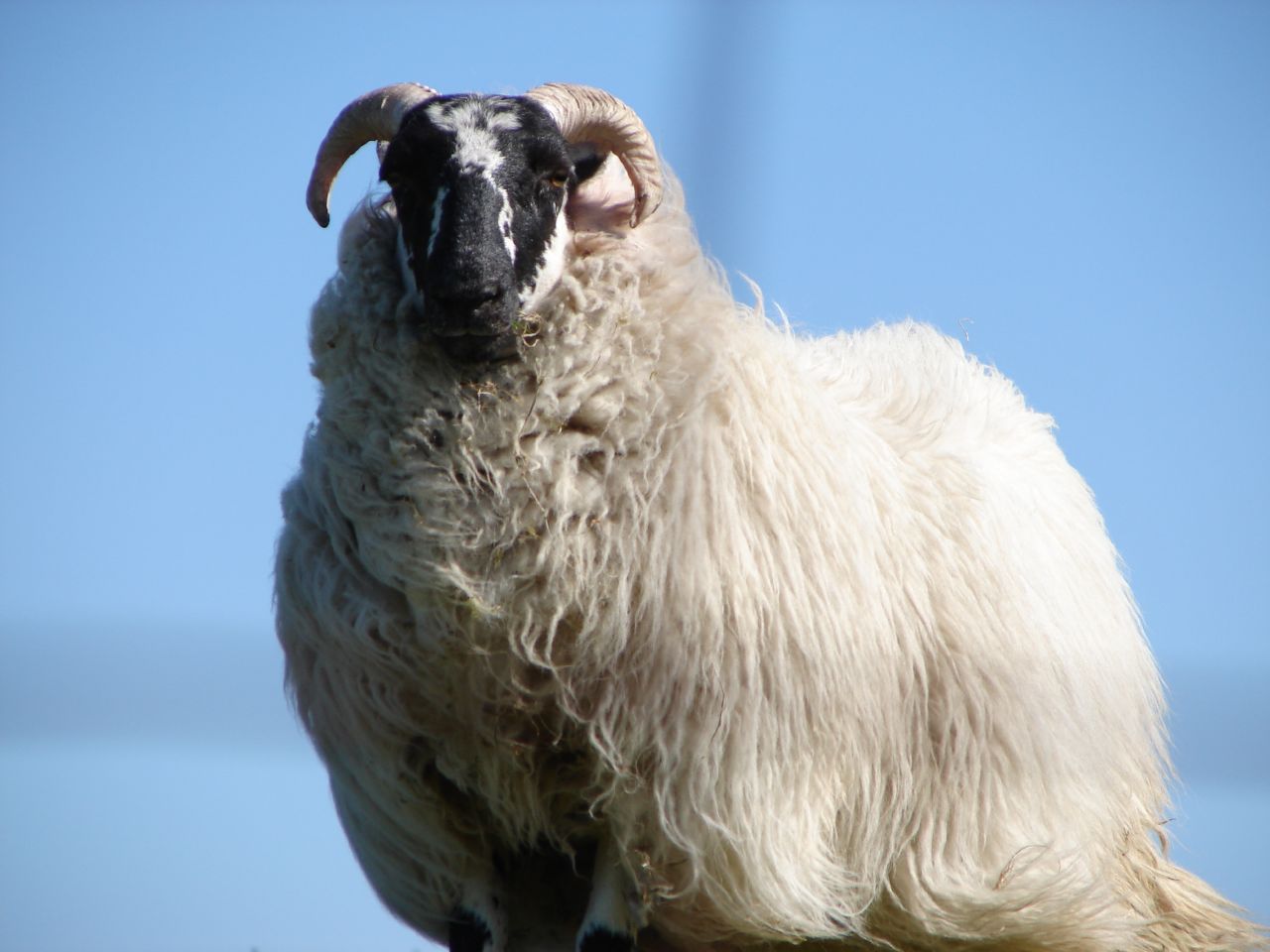
A striking piebald heritage sheep, often with four horns, kept for wool and grazing.
By WARN Research & Conservation TeamLast updated
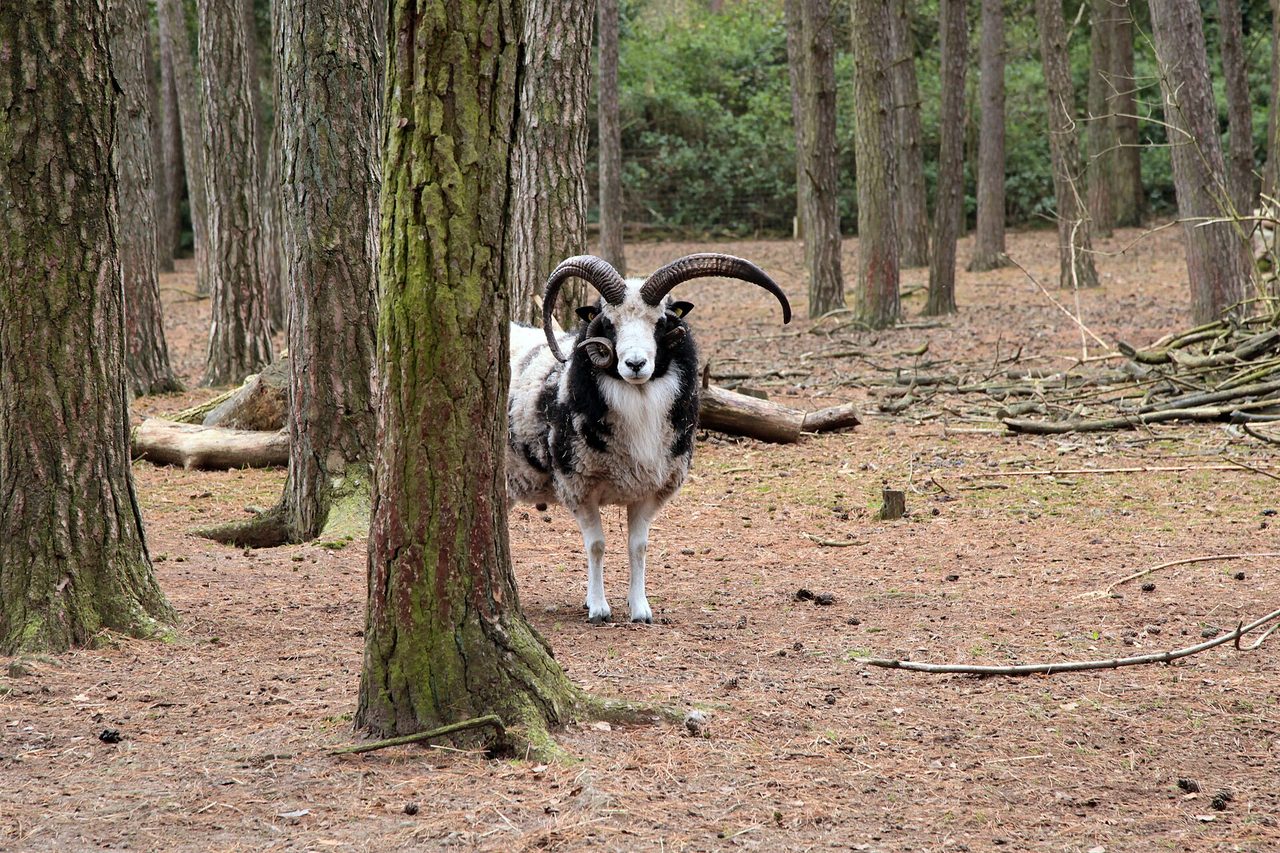
Photo: Frank Vincentz / Wikimedia Commons (CC BY-SA 3.0)
In brief
The Jacob is a striking heritage sheep with a piebald black-and-white fleece and often four horns. Small, hardy and long-lived, it is kept for conservation grazing, hand-spinning wool and as a smallholder breed.
What are the key facts about a Jacob?
The Jacob is a sheep breed from Britain (heritage breed): small–medium (ewes 36–55 kg; rams 54–80 kg), hardy, alert, easy-care heritage breed. A striking piebald heritage sheep, often with four horns, kept for wool and grazing.
| Origin | Britain (heritage breed) |
|---|---|
| Size | Small–medium (ewes 36–55 kg; rams 54–80 kg) |
| Typical weight | Ewes 36–55 kg; rams 54–80 kg |
| Lifespan | 10–12 years (commercial ewes culled earlier) |
| Fleece & horns | Piebald black-and-white fleece; commonly four horns (sometimes two or six) |
| Temperament | Hardy, alert, easy-care heritage breed |
| Kept for / notes | Flock keepers & smallholders — sheep are flock animals and must never be kept alone |
Should you keep a Jacob?
Keep a Jacob only if you can meet livestock law, land, feed and veterinary care — not because the sheep looks friendly online. This Britain (heritage breed) type is small–medium (ewes 36–55 kg; rams 54–80 kg) and hardy, alert, easy-care heritage breed.
A Jacob is husbandry, not a house pet. Check local zoning, neighbour rules, and whether you can provide species-appropriate shelter, forage and handling. A striking piebald heritage sheep, often with four horns, kept for wool and grazing.
Impulse “micro” livestock and Easter-gift birds are how sheeps end up dumped. If you cannot commit for 10–12 years (commercial ewes culled earlier), do not start. Rescue and rehoming exist; buying a cheap animal you cannot keep is the problem this page is trying to prevent.
What is a Jacob?
A striking piebald heritage sheep, often with four horns, kept for wool and grazing. Origin is Britain (heritage breed); coat or markings are described as Piebald black-and-white fleece; commonly four horns (sometimes two or six).
Kennel and registry labels describe a type. Individual Jacobs still vary, and rescue animals may be mixes.
Where does the Jacob come from?
Jacobs come from Britain (heritage breed). Domestic sheep (Ovis aries) were among the first livestock animals, domesticated from wild mouflon in the Fertile Crescent around 10,000 years ago and spread worldwide for wool, meat and milk.
Centuries of selective breeding produced hundreds of regional breeds — from fine-wool Merinos to hardy hill breeds and rare heritage types — each shaped by local climate, terrain and farming needs.
That origin still shows. A Jacob is small–medium (ewes 36–55 kg; rams 54–80 kg) and hardy, alert, easy-care heritage breed, typically living 10–12 years (commercial ewes culled earlier). Use the history as context for care and conservation, not as folklore to repeat without sources.
What husbandry does a Jacob need?
Jacob husbandry is land, feed, handling and veterinary access — for 10–12 years (commercial ewes culled earlier). This Britain (heritage breed) type is small–medium (ewes 36–55 kg; rams 54–80 kg) (Ewes 36–55 kg; rams 54–80 kg) and hardy, alert, easy-care heritage breed.
Shelter, clean water, species-appropriate forage and a plan for parasites and feet or hooves are the baseline. Coat notes (Piebald black-and-white fleece; commonly four horns (sometimes two or six)) tell you about weather and grooming, not whether the animal can live in a garage.
Know what you will do with offspring, and do not keep a single highly social sheep alone if the species is a flock or herd animal.
What surprises people about the Jacob?
A few details about the breed, alongside the practical care information in this guide.
- Jacobs frequently grow four horns, and occasionally six.
- Their piebald fleece is popular with hand-spinners.
- They are a hardy, low-input heritage breed.
- The breed is named after the biblical Jacob's spotted flocks.
What health issues should you know about in a Jacob?
Health concerns to discuss with your vet, including changes to watch for and everyday care. This is general guidance, not veterinary advice — always speak to your vet.
Footrot
A contagious bacterial infection of the hoof, common in wet conditions, causing painful lameness, smelly discharge and separation of the horn.
Care: Keep footing dry, trim and inspect hooves regularly, isolate affected animals and treat promptly with veterinary guidance.
Parasitic gastroenteritis (barber's pole worm)
Gut worms — especially Haemonchus contortus, the 'barber's pole worm' — cause anaemia, bottle jaw, weight loss and death, particularly in warm, wet climates.
Care: Use faecal egg counts and targeted, rotational worming rather than blanket dosing; pasture management and the FAMACHA anaemia check help control resistance.
Flystrike
Blowflies lay eggs on soiled or wet wool — often around the tail — and the maggots eat into the living flesh, causing rapid, painful and potentially fatal damage, especially in warm months.
Care: Keep the rear end clean (crutching), prevent scouring, check at-risk sheep daily in fly season and treat affected animals urgently with veterinary help; preventive products are available.
Who should skip a Jacob?
Skip a Jacob if you are anyone without land, zoning permission, and a vet. This Britain (heritage breed) sheep is small–medium (ewes 36–55 kg; rams 54–80 kg) and hardy, alert, easy-care heritage breed — the mismatch is usually lifestyle, not a missing accessory.
This page is allowed to say no. Skip if you are anyone without land, zoning permission, and a vet.
A different sheep breed on this site may fit. Wanting “a Jacob” after a film or a colour photo is not a reason to ignore the skip list.
What are the hidden catches with a Jacob?
The hidden cost of a Jacob is usually not the purchase price. It is years of care, the health list on this page, and the mismatch between a hardy, alert, easy-care heritage breed animal and a busy home.
The impulse-buy catch
A Jacob from Britain (heritage breed) is often sold on looks. Coat, colour and size are not a temperament test. Meet the adult animal, ask about health screening, and walk away from pressure sales.
The footrot catch
A contagious bacterial infection of the hoof, common in wet conditions, causing painful lameness, smelly discharge and separation of the horn. Keep footing dry, trim and inspect hooves regularly, isolate affected animals and treat promptly with veterinary guidance.
The parasitic gastroenteritis (barber's pole worm) catch
Gut worms — especially Haemonchus contortus, the 'barber's pole worm' — cause anaemia, bottle jaw, weight loss and death, particularly in warm, wet climates. Use faecal egg counts and targeted, rotational worming rather than blanket dosing; pasture management and the FAMACHA anaemia check help control resistance.
How does a Jacob compare with Romney and Texel?
A Jacob is not interchangeable with Romney and Texel. Compare origin, size, lifespan and temperament before you choose — those four lines prevent most regret.
| Sheep fact | Jacob | Romney | Texel |
|---|---|---|---|
| Origin | Britain (heritage breed) | England (Romney Marsh, Kent) | Netherlands (island of Texel) |
| Size | Small–medium (ewes 36–55 kg; rams 54–80 kg) | Large (ewes 70–100 kg; rams 110–140 kg) | Medium–large (ewes 70–90 kg; rams 100–135 kg) |
| Lifespan | 10–12 years (commercial ewes culled earlier) | 10–12 years (commercial ewes culled earlier) | 10–12 years (commercial ewes culled earlier) |
| Temperament | Hardy, alert, easy-care heritage breed | Hardy, calm, wet-climate long-wool | Muscular, calm, meat breed |
What is the verdict on the Jacob?
Choose a Jacob only if the care, skip-if and health sections still look like your life after a week of thinking. Otherwise pick a different sheep or wait. Rescue is usually the better first door than a waiting-list puppy or kitten.
If the match is real, budget for 10–12 years (commercial ewes culled earlier) of vet care and do not skip health screening. If it is not, walking away is the kind choice — for you and for the animal.
Help animals in need
World Animal Rescue Network funds partner-led rescue, veterinary care and protection programmes across South Asia, Southeast Asia and South America.