Parrot Species · South-west Africa (Namibia, Angola)
Peach-faced Lovebird
Small African parrot named for mutual preening — popular but needs a companion.
By WARN Research & Conservation TeamLast updated
In brief
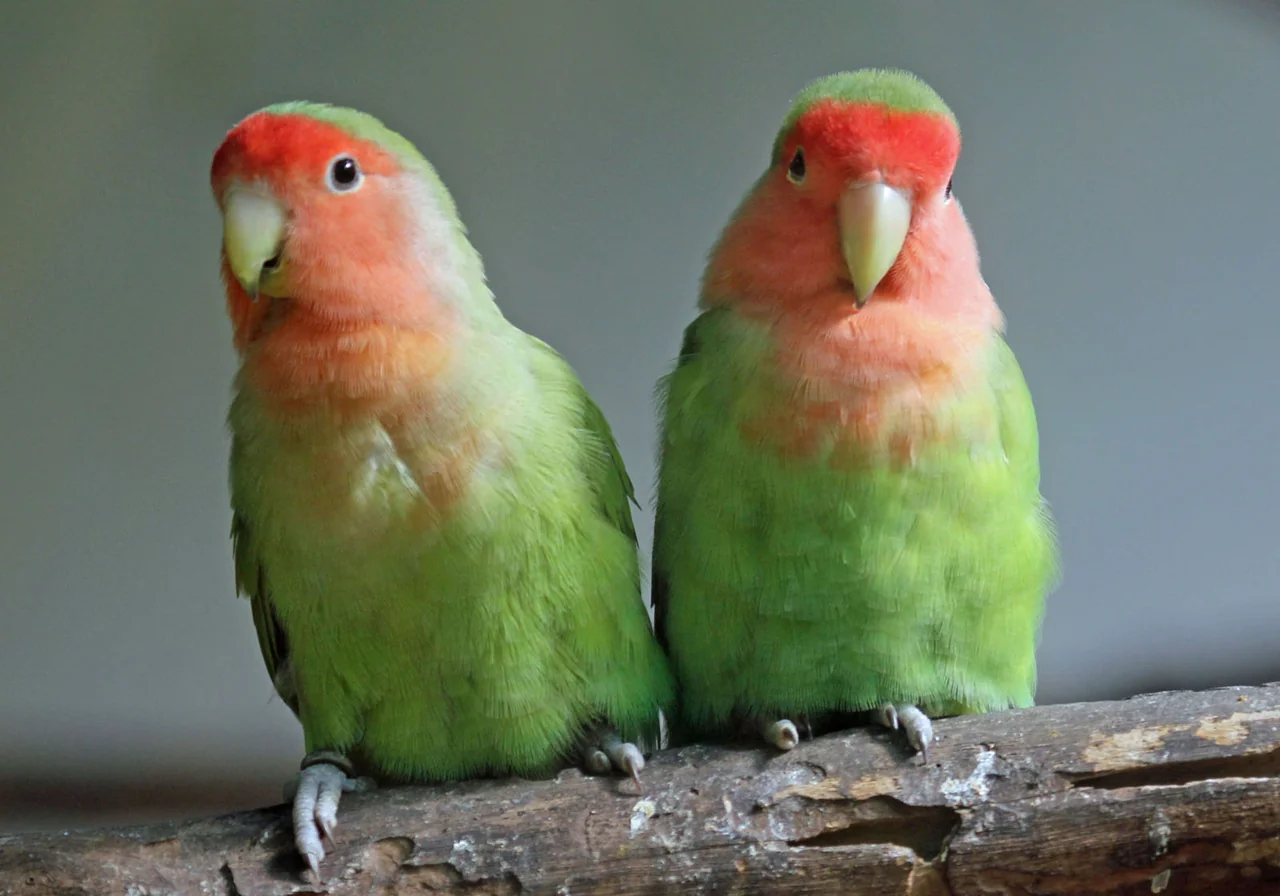
The Peach-faced Lovebird is a tiny African parrot named for mutual preening between pair-bonded birds — roughly 15 cm long with peach face, blue rump and green body. Its defining trait is intense pair bonding and active temperament in a small package. Wild birds inhabit arid woodland in Namibia and Angola; captive colour mutations are numerous but wild populations remain Least Concern.
What are the key facts about a Peach-faced Lovebird?
The Peach-faced Lovebird is a parrot species from South-west Africa (Namibia, Angola): very small (50 g), pair-bonded, active, nippy. Small African parrot named for mutual preening — popular but needs a companion.
| Origin | South-west Africa (Namibia, Angola) |
|---|---|
| Size | Very small (50 g) |
| Typical weight | 45–55 g (1.6–1.9 oz); compact and agile |
| Lifespan | 10–80 years depending on species |
| Plumage | Wild-type: green body with peach-orange face and throat, blue rump, grey feet. Captive mutations include lutino, pied, violet, orange-faced and Dutch blue. Lovebirds carry nesting material tucked into rump feathers — a distinctive behaviour among parrots. Smooth feathers with minimal powder down. |
| Temperament | Pair-bonded, active, nippy |
| Conservation note | Best kept in compatible pairs rather than singly — lovebirds bond intensely and may reject human interaction when paired, or become aggressive and lonely when kept alone. Suits owners with a large cage, daily flight time and tolerance for nippy behaviour during hormonal periods. Not ideal as a child's hands-on pet without supervision. |
Should you keep a Peach-faced Lovebird?
Usually no. A Peach-faced Lovebird is a parrot species from South-west Africa (Namibia, Angola), not a starter pet. Most of the birds in this library are pressured by habitat loss and the pet trade; a legal captive bird still needs decades of specialist care.
Parrots are long-lived, loud and socially demanding. A Peach-faced Lovebird from South-west Africa (Namibia, Angola) is not a weekend project. If you already share a home with one, this page is about honest husbandry and why wild populations still need habitat, not about encouraging a purchase.
Never buy a wild-caught bird. If you are choosing a companion parrot at all, work with a rescue or a documented captive-bred source, budget for an avian vet, and assume the animal will outlive several house moves.
What is a Peach-faced Lovebird?
Small African parrot named for mutual preening — popular but needs a companion. Origin is South-west Africa (Namibia, Angola); coat or markings are described as Wild-type: green body with peach-orange face and throat, blue rump, grey feet. Captive mutations include lutino, pied, violet, orange-faced and Dutch blue. Lovebirds carry nesting material tucked into rump feathers — a distinctive behaviour among parrots. Smooth feathers with minimal powder down..
Treat “species” here as a library label for a wild species or distinct form, not as a kennel-club product.
Where does the Peach-faced Lovebird come from?
Peach-faced Lovebirds come from South-west Africa (Namibia, Angola). Peach-faced lovebirds inhabit dry woodland, scrub and semi-desert of south-west Africa — Namibia, south-west Angola and north-west South Africa.
They nest in sociable colonies in tree cavities and cliff crevices, carrying strips of bark and grass tucked into rump feathers. European aviculture began in the nineteenth century; selective breeding produced dozens of colour mutations from the mid-twentieth century onward. Wild trapping for export occurs locally but has not yet threatened overall population status. CITES Appendix II listing applies to international trade. Lovebirds earned their common name from the mutual preening and close physical contact of pair-bonded birds. Despite small size, they are bold, active and can deliver surprisingly strong bites when territorial or hormonal.
What does a Peach-faced Lovebird actually need?
A wild Peach-faced Lovebird needs the habitat and social system of South-west Africa (Namibia, Angola), not a spare room. Size (Very small (50 g)) and a pair-bonded, active, nippy life history are why private keeping fails.
In the wild that means connected habitat, a diet the species evolved with, and distance from the pet and selfie trades. Captive “care sheets” for wild parrots are how trafficking gets laundered as husbandry.
If you already work in accredited rescue, follow specialist protocols and licensing. Everyone else: do not acquire a Peach-faced Lovebird. Support habitat and anti-trafficking work instead.
What surprises people about the Peach-faced Lovebird?
A few details about the breed, alongside the practical care information in this guide.
- Lovebirds carry nesting material in rump feathers — unique among parrots and visible in wild breeding colonies.
- Peach-faced lovebirds can live 12 to 15 years with good care despite their small size.
- Wild flocks visit waterholes in arid Namibia during drought in hundreds.
- Nine lovebird species exist in Africa and Madagascar; peach-faced is the most common in aviculture.
What health issues should you know about in a Peach-faced Lovebird?
Health concerns to discuss with your vet, including changes to watch for and everyday care. This is general guidance, not veterinary advice — always speak to your vet.
Egg binding in females
Retained eggs cause straining, weakness and death if untreated. Common in reproductively active females on calcium-poor diets.
Care: Emergency avian vet care is required. Prevent with dietary calcium, limit breeding triggers and avoid constant nest-box access.
Nutritional deficiencies
Seed-only diets cause vitamin A deficiency, poor feather quality and weakened immunity in lovebirds.
Care: Offer pelleted base with fresh greens daily. Cuttlebone supports calcium for breeding females.
Avian chlamydiosis
Chlamydia psittaci causes respiratory disease, lethargy and green droppings. Lovebirds may carry the bacterium subclinically.
Care: Test new birds before introduction. Treatment requires extended antibiotic courses under avian vet supervision.
Who should skip a Peach-faced Lovebird?
Skip a Peach-faced Lovebird if you are anyone hoping to keep a Peach-faced Lovebird as a pet or photo prop. This South-west Africa (Namibia, Angola) parrot is very small (50 g) and pair-bonded, active, nippy — the mismatch is usually lifestyle, not a missing accessory.
This page is allowed to say no. Skip if you are anyone hoping to keep a Peach-faced Lovebird as a pet or photo prop. Skip if you are anyone who will pay for a wild-caught or roadside animal. Skip if you are tourists looking for handling or selfies.
A different parrot species on this site may fit. Wanting “a Peach-faced Lovebird” after a film or a colour photo is not a reason to ignore the skip list.
What are the hidden catches with a Peach-faced Lovebird?
The hidden cost of a Peach-faced Lovebird is usually not the purchase price. It is years of care, the health list on this page, and the mismatch between a pair-bonded, active, nippy animal and a busy home.
The pet-trade catch
Cute infant Peach-faced Lovebirds in ads were usually taken from wild families. The adult you cannot house is then dumped, euthanised, or passed on. Do not create that demand.
The tourism catch
Paying to hold, ride, or selfie with a Peach-faced Lovebird funds the next capture or a stressed ambassador animal. Distance and accredited viewing are the ethical default.
The herding catch
Herding types may chase children, bikes and other pets. That is the job they were bred for, not spite. They need a real outlet, not a scolding.
The egg binding in females catch
Retained eggs cause straining, weakness and death if untreated. Common in reproductively active females on calcium-poor diets. Emergency avian vet care is required. Prevent with dietary calcium, limit breeding triggers and avoid constant nest-box access.
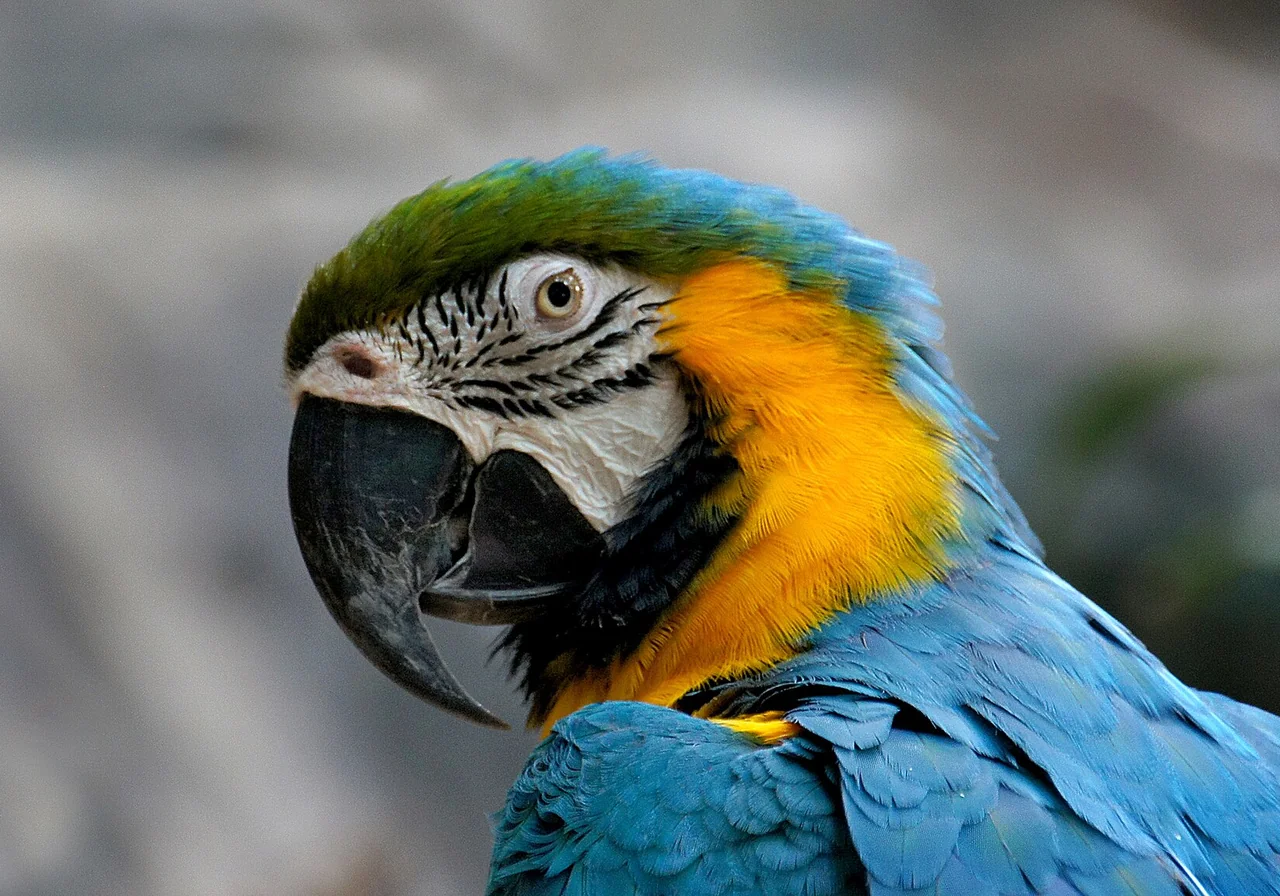
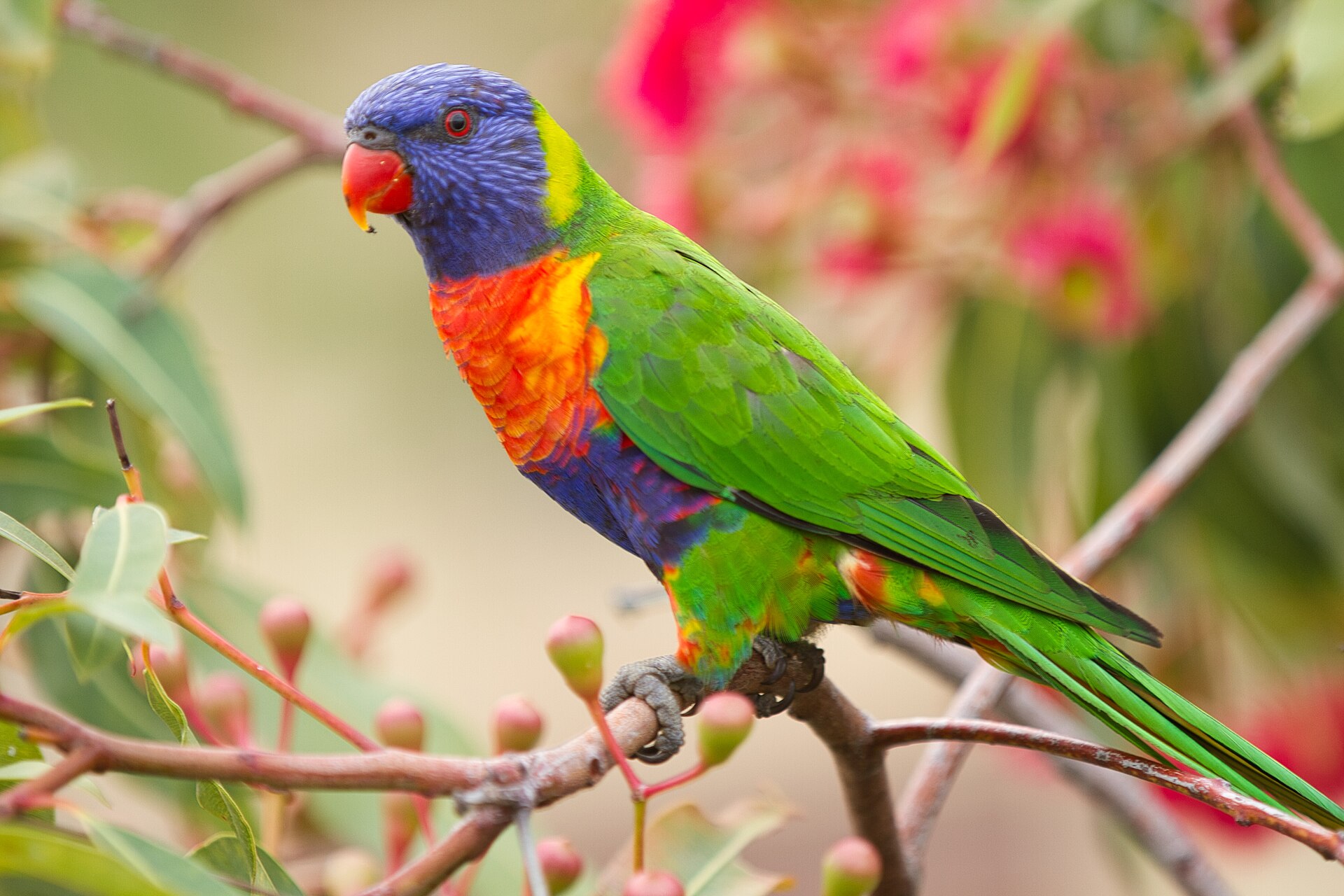
How does a Peach-faced Lovebird compare with Blue-and-Gold Macaw and Rainbow Lorikeet?
A Peach-faced Lovebird is not interchangeable with Blue-and-Gold Macaw and Rainbow Lorikeet. Compare origin, size, lifespan and temperament before you choose — those four lines prevent most regret.
| Parrot fact | Peach-faced Lovebird | Blue-and-Gold Macaw | Rainbow Lorikeet |
|---|---|---|---|
| Origin | South-west Africa (Namibia, Angola) | Panama to Brazil | Australia, Indonesia, Papua New Guinea |
| Size | Very small (50 g) | Very large (1 kg+) | Medium (130 g) |
| Lifespan | 10–80 years depending on species | 10–80 years depending on species | 15–25 years (lorikeet); 25–35 years (ring-necked parakeet) |
| Temperament | Pair-bonded, active, nippy | Social, loud, intelligent | Nectar-feeding, noisy, agile |
What is the verdict on the Peach-faced Lovebird?
A Peach-faced Lovebird is a wild parrot to understand and protect, not a pet to acquire. If you came here to buy one, the verdict is no. If you came here to learn, use the species guide next.
Help looks like habitat, enforcement and refusing the trade — not a cage in a spare room. WARN is a CIC, not a charity; donate only if you want to fund partner work in our network countries, and do not expect Gift Aid.
Parrots belong in the forest
Every parrot species in this guide is threatened by habitat loss or the illegal pet trade. A gift to WARN helps fund parrot rescue, anti-trafficking work and customs training in Brazil and Colombia.