Parrot Species · Panama to Brazil
Blue-and-Gold Macaw
Classic large macaw — see also WARN's full macaw species library.
By WARN Research & Conservation TeamLast updated
In brief
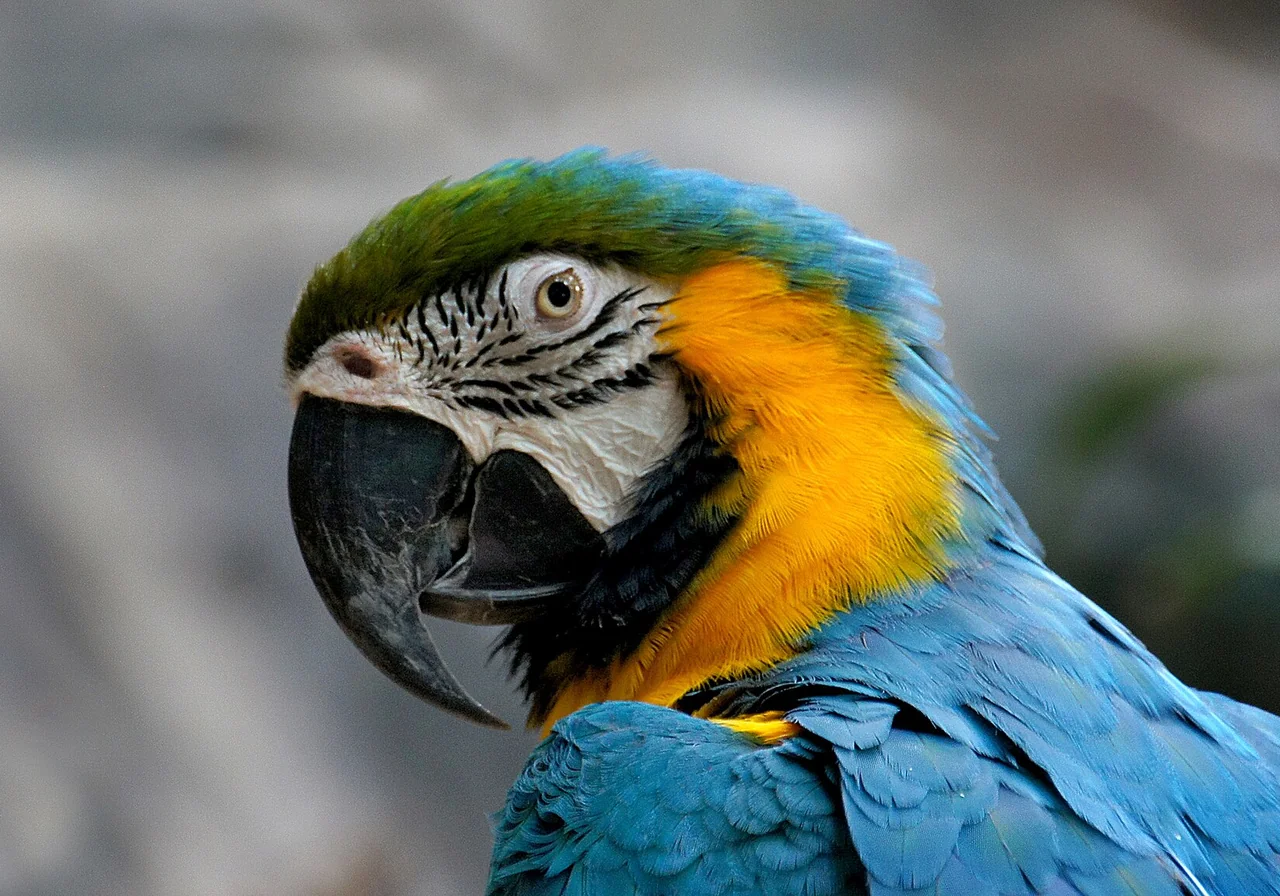
The Blue-and-Gold Macaw is among the most recognisable parrots — turquoise upperparts, golden underparts and a powerful black beak spanning Panama to Brazil. Its defining trait is bold social intelligence paired with scream-level vocalisation, requiring expert owners and lifelong commitment. CITES Appendix I/II listing applies; wild populations face habitat loss across the Amazon and Pantanal.
What are the key facts about a Blue-and-Gold Macaw?
The Blue-and-Gold Macaw is a parrot species from Panama to Brazil: very large (1 kg+), social, loud, intelligent. Classic large macaw — see also WARN's full macaw species library.
| Origin | Panama to Brazil |
|---|---|
| Size | Very large (1 kg+) |
| Typical weight | 900–1,500 g (2–3.3 lb); 85–90 cm total length with wingspan around 100–105 cm |
| Lifespan | 10–80 years depending on species |
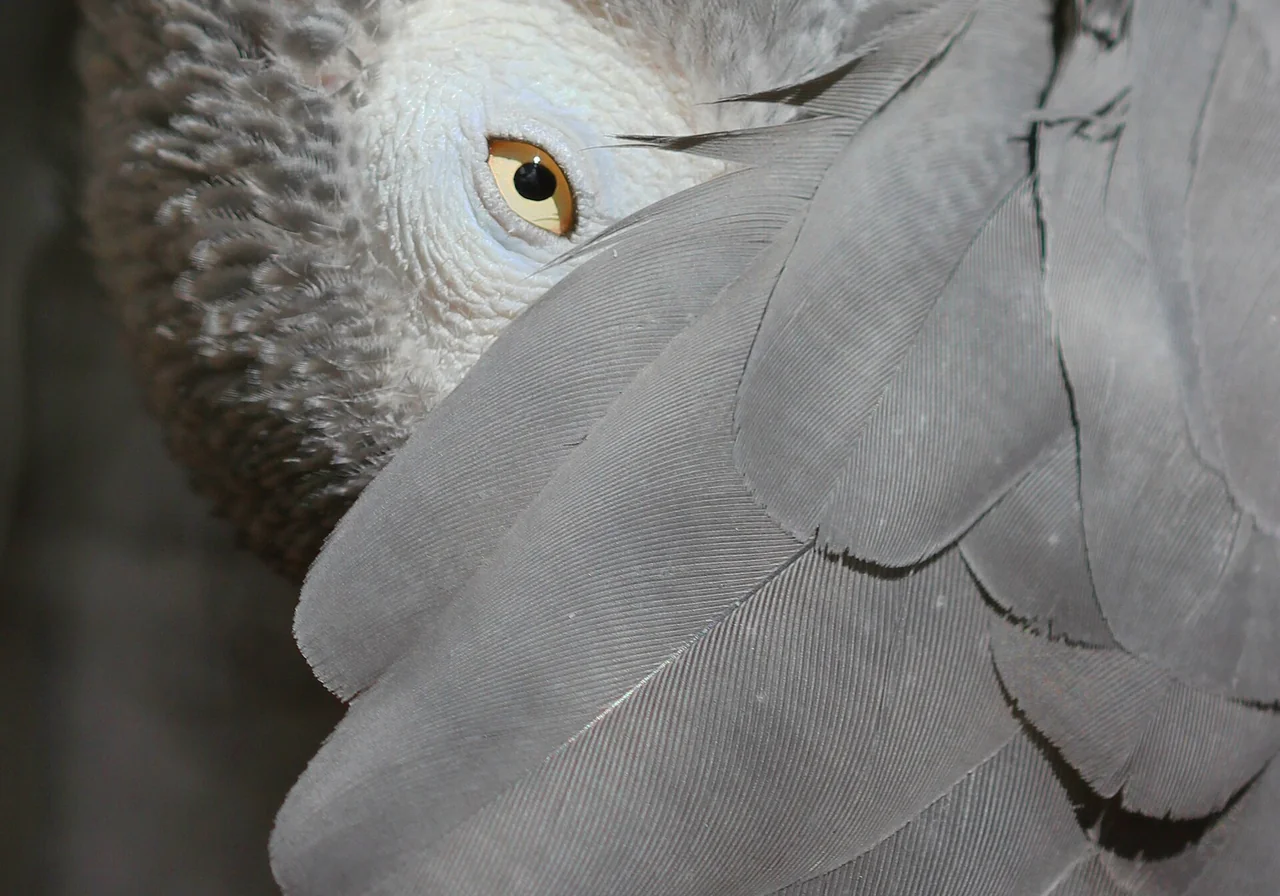
| Plumage | Vivid plumage: blue upper wings and tail, golden-yellow chest, green forehead band and bare white facial skin with fine black feather lines. Feathers require misting or bathing and safe hardwood chewing for beak wear. Damaged feather bars may indicate stress, poor diet or medical issues warranting avian vet review. |
| Temperament | Social, loud, intelligent |
| Conservation note | Expert aviculturists only — wild populations face habitat loss and CITES trade controls across Brazil and Colombia; verify legal, documented sourcing. Captive birds need aviary-scale space, daily enrichment and decades of care. Not suitable for flats or casual owners; rescue organisations frequently rehome macaws when owners underestimate lifespan and noise. |
Should you keep a Blue-and-Gold Macaw?
Usually no. A Blue-and-Gold Macaw is a parrot species from Panama to Brazil, not a starter pet. Most of the birds in this library are pressured by habitat loss and the pet trade; a legal captive bird still needs decades of specialist care.
Parrots are long-lived, loud and socially demanding. A Blue-and-Gold Macaw from Panama to Brazil is not a weekend project. If you already share a home with one, this page is about honest husbandry and why wild populations still need habitat, not about encouraging a purchase.
Never buy a wild-caught bird. If you are choosing a companion parrot at all, work with a rescue or a documented captive-bred source, budget for an avian vet, and assume the animal will outlive several house moves.
What is a Blue-and-Gold Macaw?
Classic large macaw — see also WARN's full macaw species library. Origin is Panama to Brazil; coat or markings are described as Vivid plumage: blue upper wings and tail, golden-yellow chest, green forehead band and bare white facial skin with fine black feather lines. Feathers require misting or bathing and safe hardwood chewing for beak wear. Damaged feather bars may indicate stress, poor diet or medical issues warranting avian vet review..
Treat “species” here as a library label for a wild species or distinct form, not as a kennel-club product.
Where does the Blue-and-Gold Macaw come from?
Blue-and-Gold Macaws come from Panama to Brazil. Blue-and-gold macaws range from Panama through northern South America in forest, savanna and palm groves — including Brazil and Colombia, WARN partner regions.
Indigenous peoples kept them as feather sources and companions long before modern aviculture. International pet trade pressure contributed to local declines, prompting CITES listing and national protection laws in range countries. Captive breeding supplies legal markets today, though release of pet birds rarely benefits wild conservation. Wild pairs bond for life, roost communally in palms and crack hard palm nuts with powerful beaks. Habitat protection in the Amazon and Pantanal remains central to long-term species security. Macaws can live beyond 60 years in captivity — among the longest-lived parrots and a commitment spanning generations.
What does a Blue-and-Gold Macaw actually need?
A wild Blue-and-Gold Macaw needs the habitat and social system of Panama to Brazil, not a spare room. Size (Very large (1 kg+)) and a social, loud, intelligent life history are why private keeping fails.
In the wild that means connected habitat, a diet the species evolved with, and distance from the pet and selfie trades. Captive “care sheets” for wild parrots are how trafficking gets laundered as husbandry.
If you already work in accredited rescue, follow specialist protocols and licensing. Everyone else: do not acquire a Blue-and-Gold Macaw. Support habitat and anti-trafficking work instead.
What surprises people about the Blue-and-Gold Macaw?
A few details about the breed, alongside the practical care information in this guide.
- Blue-and-gold macaws can live beyond 60 years with excellent care — a multi-generational commitment.
- Wild flocks visit clay licks to supplement minerals — shared behaviour with African greys and other macaws.
- They are among the most commonly kept large macaws worldwide in legal captive breeding programmes.
- Pair bonds in the wild often last for years with coordinated flight and shared nest cavities.
What health issues should you know about in a Blue-and-Gold Macaw?
Health concerns to discuss with your vet, including changes to watch for and everyday care. This is general guidance, not veterinary advice — always speak to your vet.
Feather destructive behaviour
Plucking or chewing feathers stems from medical pain, boredom, stress or poor humidity. Bald patches and damaged shafts appear progressively.
Care: Rule out parasites, allergies and pain with an avian vet before behavioural modification. Enrich environment and maintain flock-style interaction time.
Proventricular dilatation disease (PDD)
A viral condition affecting nerve supply to the gut, causing weight loss, regurgitation and poor digestion.
Care: Avian veterinary diagnosis via histology or PCR where available. Supportive care and isolation from susceptible birds under professional guidance.
Beak malocclusion
Overgrown or misaligned beaks impede eating and preening. Trauma, poor chewing opportunity or congenital issues contribute.
Care: Regular avian vet trims and provide appropriate hardwood toys for natural wear.
Who should skip a Blue-and-Gold Macaw?
Skip a Blue-and-Gold Macaw if you are anyone hoping to keep a Blue-and-Gold Macaw as a pet or photo prop. This Panama to Brazil parrot is very large (1 kg+) and social, loud, intelligent — the mismatch is usually lifestyle, not a missing accessory.
This page is allowed to say no. Skip if you are anyone hoping to keep a Blue-and-Gold Macaw as a pet or photo prop. Skip if you are anyone who will pay for a wild-caught or roadside animal. Skip if you are tourists looking for handling or selfies.
A different parrot species on this site may fit. Wanting “a Blue-and-Gold Macaw” after a film or a colour photo is not a reason to ignore the skip list.
What are the hidden catches with a Blue-and-Gold Macaw?
The hidden cost of a Blue-and-Gold Macaw is usually not the purchase price. It is years of care, the health list on this page, and the mismatch between a social, loud, intelligent animal and a busy home.
The pet-trade catch
Cute infant Blue-and-Gold Macaws in ads were usually taken from wild families. The adult you cannot house is then dumped, euthanised, or passed on. Do not create that demand.
The tourism catch
Paying to hold, ride, or selfie with a Blue-and-Gold Macaw funds the next capture or a stressed ambassador animal. Distance and accredited viewing are the ethical default.
The feather destructive behaviour catch
Plucking or chewing feathers stems from medical pain, boredom, stress or poor humidity. Bald patches and damaged shafts appear progressively. Rule out parasites, allergies and pain with an avian vet before behavioural modification. Enrich environment and maintain flock-style interaction time.
The proventricular dilatation disease (pdd) catch
A viral condition affecting nerve supply to the gut, causing weight loss, regurgitation and poor digestion. Avian veterinary diagnosis via histology or PCR where available. Supportive care and isolation from susceptible birds under professional guidance.
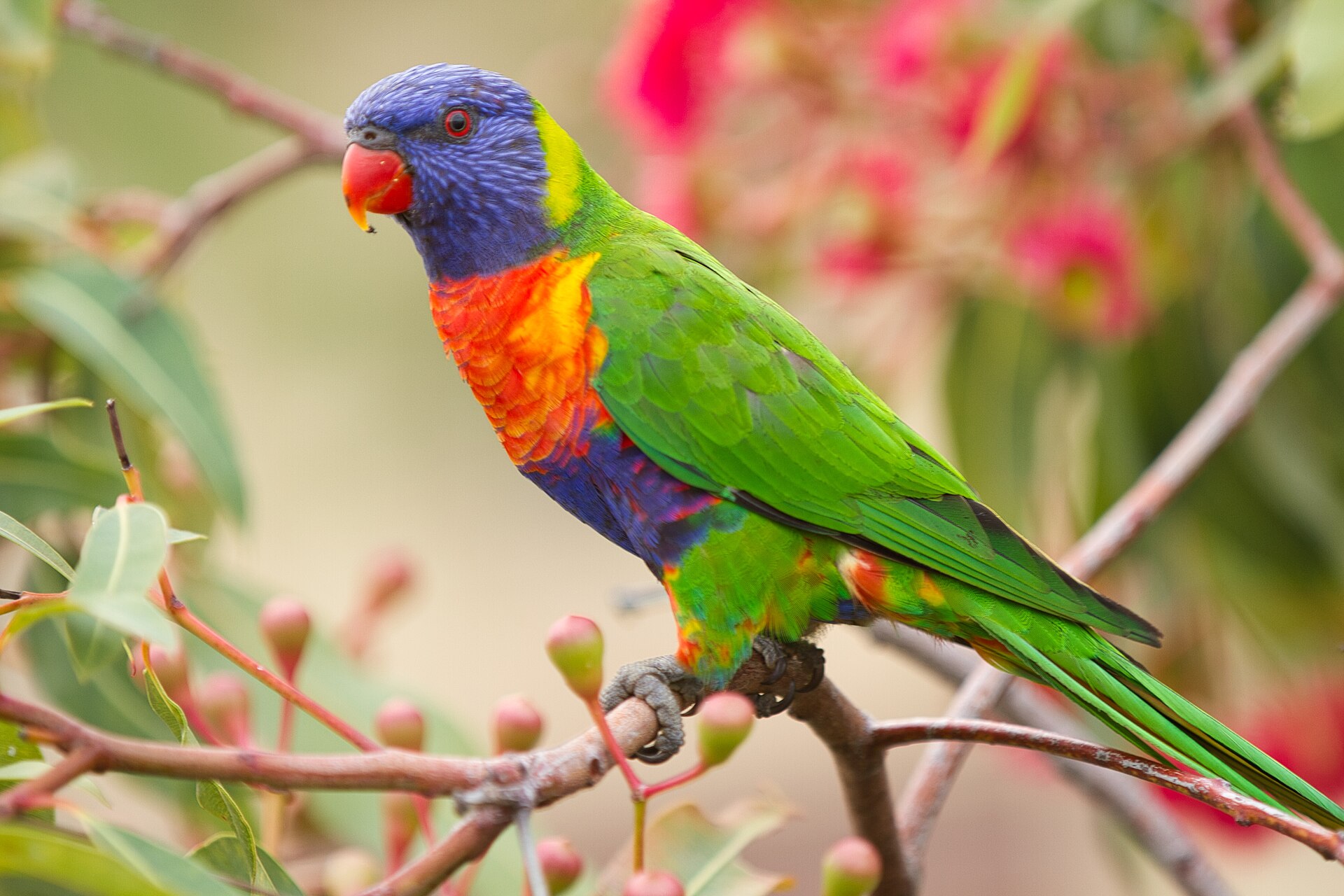
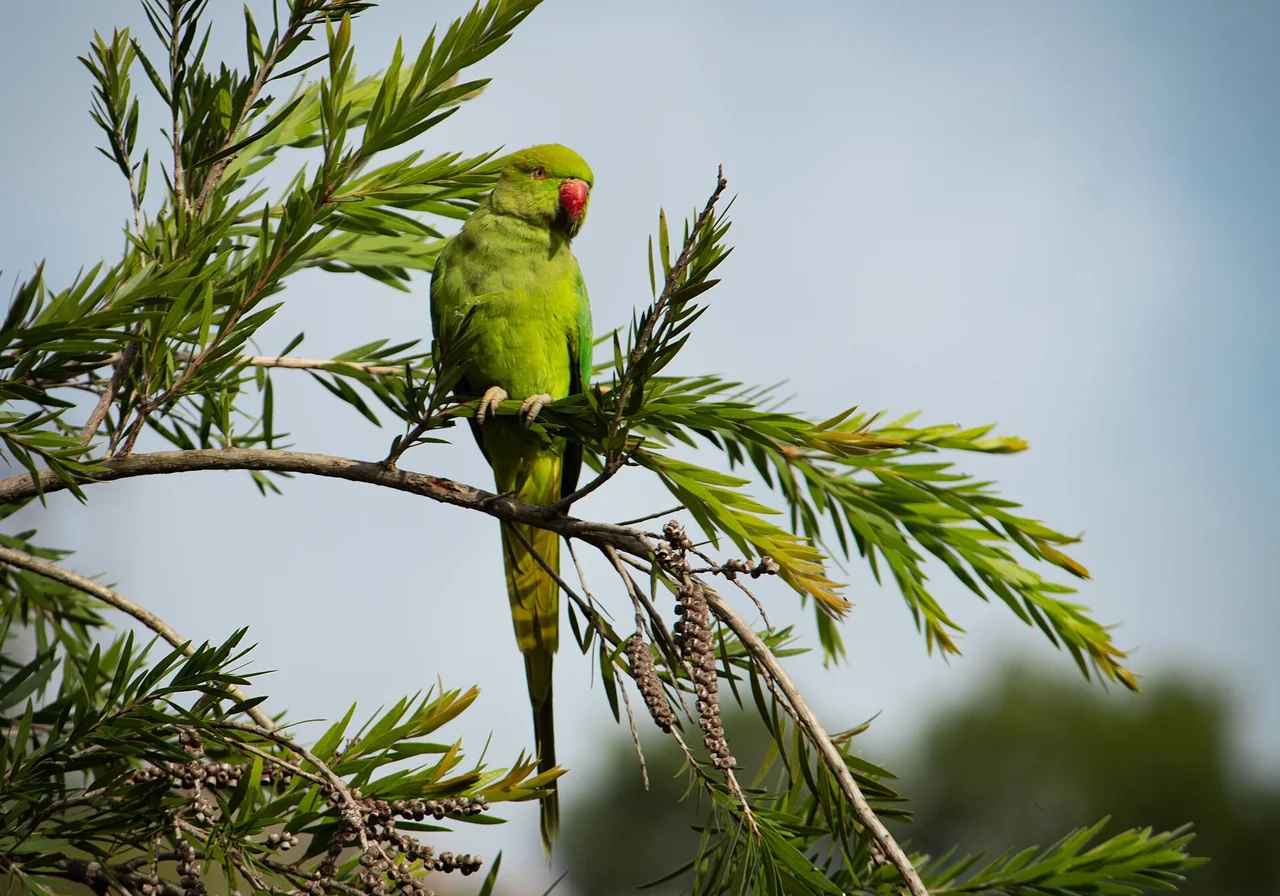
How does a Blue-and-Gold Macaw compare with Rainbow Lorikeet and Ring-necked Parakeet?
A Blue-and-Gold Macaw is not interchangeable with Rainbow Lorikeet and Ring-necked Parakeet. Compare origin, size, lifespan and temperament before you choose — those four lines prevent most regret.
| Parrot fact | Blue-and-Gold Macaw | Rainbow Lorikeet | Ring-necked Parakeet |
|---|---|---|---|
| Origin | Panama to Brazil | Australia, Indonesia, Papua New Guinea | Africa, South Asia |
| Size | Very large (1 kg+) | Medium (130 g) | Medium (120 g) |
| Lifespan | 10–80 years depending on species | 15–25 years (lorikeet); 25–35 years (ring-necked parakeet) | 15–25 years (lorikeet); 25–35 years (ring-necked parakeet) |
| Temperament | Social, loud, intelligent | Nectar-feeding, noisy, agile | Adaptable, hardy, vocal |
What is the verdict on the Blue-and-Gold Macaw?
A Blue-and-Gold Macaw is a wild parrot to understand and protect, not a pet to acquire. If you came here to buy one, the verdict is no. If you came here to learn, use the species guide next.
Help looks like habitat, enforcement and refusing the trade — not a cage in a spare room. WARN is a CIC, not a charity; donate only if you want to fund partner work in our network countries, and do not expect Gift Aid.
Parrots belong in the forest
Every parrot species in this guide is threatened by habitat loss or the illegal pet trade. A gift to WARN helps fund parrot rescue, anti-trafficking work and customs training in Brazil and Colombia.