Parrot Species · Australia
Budgerigar
The world's most familiar small parakeet — wild flocks still cross the Outback.
By WARN Research & Conservation TeamLast updated
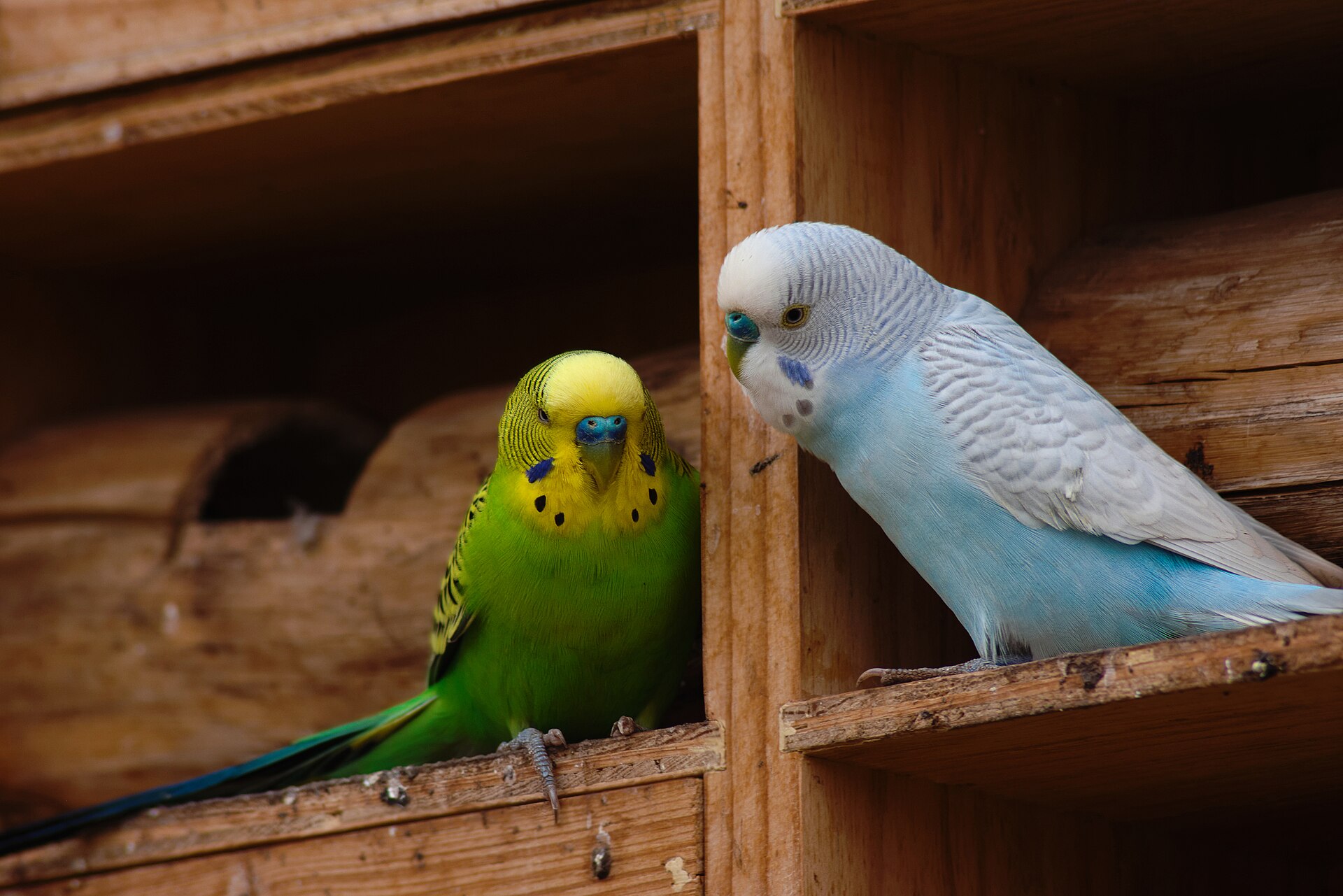
Photo: Carlos Valenzuela / Wikimedia Commons (CC BY-SA 4.0)
In brief
The Budgerigar is the world's most familiar small parakeet — roughly 18 cm long with green and yellow wild-type plumage or blue, yellow and pied mutations in captivity. Its defining trait is nomadic flocking behaviour in the Australian Outback, where wild budgies still move in tens of thousands after rainfall. Despite aviculture success, budgies need flight space, companionship and foraging enrichment rather than solitary cage keeping.
What are the key facts about a Budgerigar?
The Budgerigar is a parrot species from Australia: small (30–40 g), social flocking bird, active. The world's most familiar small parakeet — wild flocks still cross the Outback.
| Origin | Australia |
|---|---|
| Size | Small (30–40 g) |
| Typical weight | 30–40 g (1–1.4 oz); show-line birds may reach 50 g |
| Lifespan | 10–80 years depending on species |
| Plumage | Wild-type: grass-green body with yellow face, black scalloping on wings and long tail. Captive mutations include blue, yellow, albino, pied and spangle. Smooth contour feathers with minimal powder down; moulting occurs two to three times yearly in heated homes. |
| Temperament | Social flocking bird, active |
| Conservation note | Suits attentive owners who provide a flight cage or aviary and at least one compatible companion — budgies are flock birds and pine alone. Pairs or small groups thrive with daily supervised out-of-cage flight in a budgie-proof room. Not ideal as a child's sole pet without adult supervision of diet and housing. |
Should you keep a Budgerigar?
Usually no. A Budgerigar is a parrot species from Australia, not a starter pet. Most of the birds in this library are pressured by habitat loss and the pet trade; a legal captive bird still needs decades of specialist care.
Parrots are long-lived, loud and socially demanding. A Budgerigar from Australia is not a weekend project. If you already share a home with one, this page is about honest husbandry and why wild populations still need habitat, not about encouraging a purchase.
Never buy a wild-caught bird. If you are choosing a companion parrot at all, work with a rescue or a documented captive-bred source, budget for an avian vet, and assume the animal will outlive several house moves.
What is a Budgerigar?
The world's most familiar small parakeet — wild flocks still cross the Outback. Origin is Australia; coat or markings are described as Wild-type: grass-green body with yellow face, black scalloping on wings and long tail. Captive mutations include blue, yellow, albino, pied and spangle. Smooth contour feathers with minimal powder down; moulting occurs two to three times yearly in heated homes..
Treat “species” here as a library label for a wild species or distinct form, not as a kennel-club product.
Where does the Budgerigar come from?
Budgerigars come from Australia. Budgerigars are nomadic seed-eaters of arid and semi-arid Australia, moving in huge flocks across the interior after rainfall greening spinifex grasslands.
John Gould introduced them to British aviculture in the 1840s; selective breeding from the 1870s produced colour morphs unknown in wild birds, including the first blue budgie in 1878. Today hundreds of millions are kept worldwide, yet wild budgies remain Least Concern — though drought and habitat change affect regional abundance. Wild budgies nest in tree hollows and fence-post cavities, laying clutches of four to eight eggs. Captive budgies breed readily, making them the entry point for many aviculturists. Their small size belies complex vocal learning — budgies can develop large repertoires of whistles and mimicry. CITES lists budgies on Appendix II, though captive-bred trade is well established and legal documentation is straightforward for reputable breeders.
What does a Budgerigar actually need?
A wild Budgerigar needs the habitat and social system of Australia, not a spare room. Size (Small (30–40 g)) and a social flocking bird, active life history are why private keeping fails.
In the wild that means connected habitat, a diet the species evolved with, and distance from the pet and selfie trades. Captive “care sheets” for wild parrots are how trafficking gets laundered as husbandry.
If you already work in accredited rescue, follow specialist protocols and licensing. Everyone else: do not acquire a Budgerigar. Support habitat and anti-trafficking work instead.
What surprises people about the Budgerigar?
A few details about the breed, alongside the practical care information in this guide.
- Wild budgie flocks can number in the tens of thousands — among the largest parrot aggregations on Earth.
- Budgies grind their beaks when content — a soft clicking sound owners learn to recognise.
- The name 'budgerigar' may derive from an Aboriginal word meaning 'good to eat' or 'good bird'.
- Male budgies typically learn mimicry more readily than females, though individual variation is considerable.
What health issues should you know about in a Budgerigar?
Health concerns to discuss with your vet, including changes to watch for and everyday care. This is general guidance, not veterinary advice — always speak to your vet.
Nutritional deficiencies
Seed-only diets lacking vitamin A and calcium cause poor feather quality, respiratory infections and egg-binding in breeding females.
Care: Offer pelleted base diet with fresh greens daily. Cuttlebone and mineral blocks support calcium intake.
Respiratory infections
Drafts, dusty bedding and poor ventilation predispose budgies to air sac mites and bacterial pneumonia. Tail bobbing and open-mouth breathing are warning signs.
Care: Keep housing draft-free and clean. Seek prompt avian vet care — budgies hide illness until critically unwell.
Tumours in aged birds
Lipomas, fibromas and internal tumours become common in budgies over five years, particularly in American show lines bred for size.
Care: Schedule annual avian vet checks. Surgical removal may be possible for accessible external tumours.
Who should skip a Budgerigar?
Skip a Budgerigar if you are anyone hoping to keep a Budgerigar as a pet or photo prop. This Australia parrot is small (30–40 g) and social flocking bird, active — the mismatch is usually lifestyle, not a missing accessory.
This page is allowed to say no. Skip if you are anyone hoping to keep a Budgerigar as a pet or photo prop. Skip if you are anyone who will pay for a wild-caught or roadside animal. Skip if you are tourists looking for handling or selfies.
A different parrot species on this site may fit. Wanting “a Budgerigar” after a film or a colour photo is not a reason to ignore the skip list.
What are the hidden catches with a Budgerigar?
The hidden cost of a Budgerigar is usually not the purchase price. It is years of care, the health list on this page, and the mismatch between a social flocking bird, active animal and a busy home.
The pet-trade catch
Cute infant Budgerigars in ads were usually taken from wild families. The adult you cannot house is then dumped, euthanised, or passed on. Do not create that demand.
The tourism catch
Paying to hold, ride, or selfie with a Budgerigar funds the next capture or a stressed ambassador animal. Distance and accredited viewing are the ethical default.
The nutritional deficiencies catch
Seed-only diets lacking vitamin A and calcium cause poor feather quality, respiratory infections and egg-binding in breeding females. Offer pelleted base diet with fresh greens daily. Cuttlebone and mineral blocks support calcium intake.
The respiratory infections catch
Drafts, dusty bedding and poor ventilation predispose budgies to air sac mites and bacterial pneumonia. Tail bobbing and open-mouth breathing are warning signs. Keep housing draft-free and clean. Seek prompt avian vet care — budgies hide illness until critically unwell.
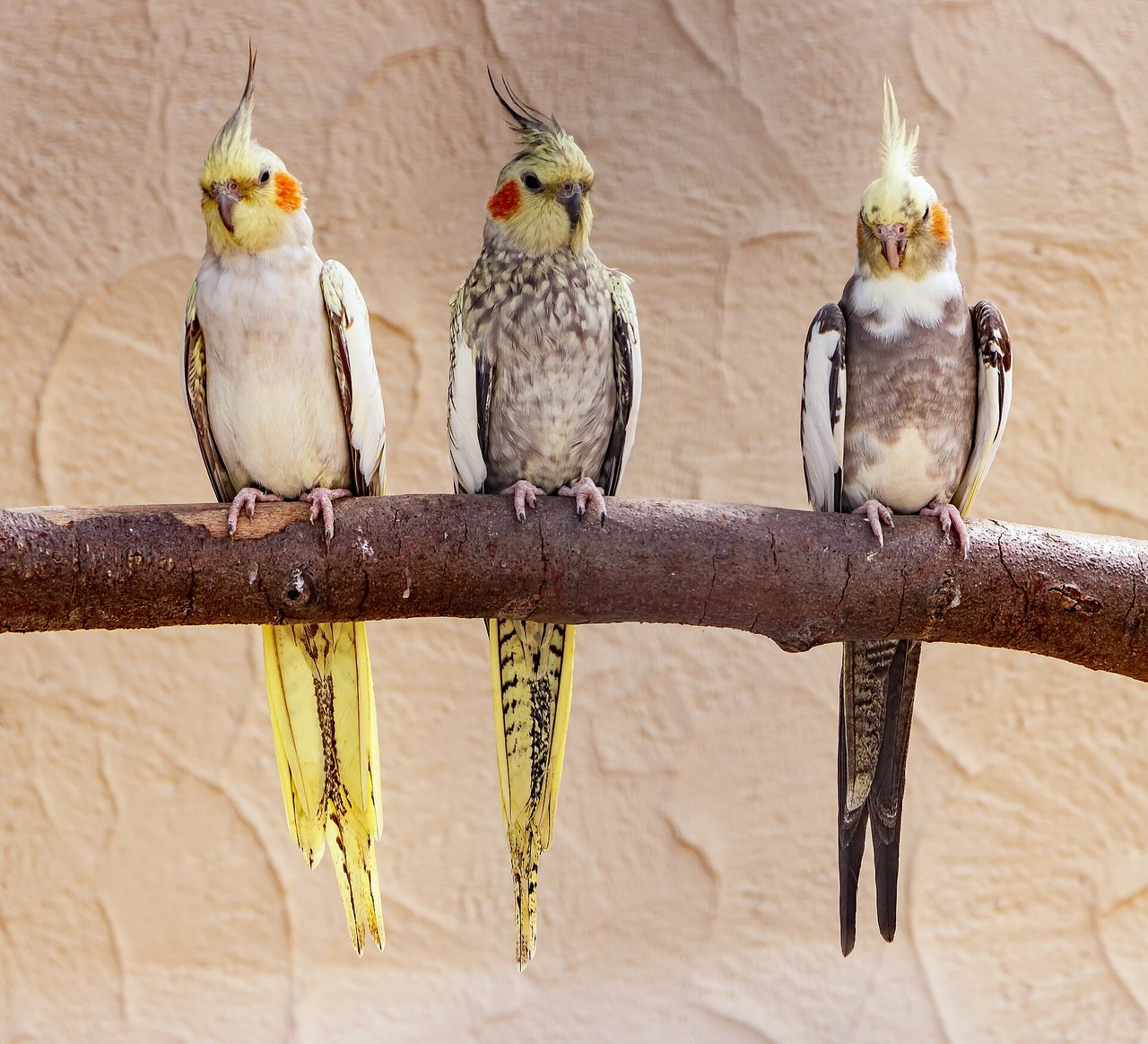
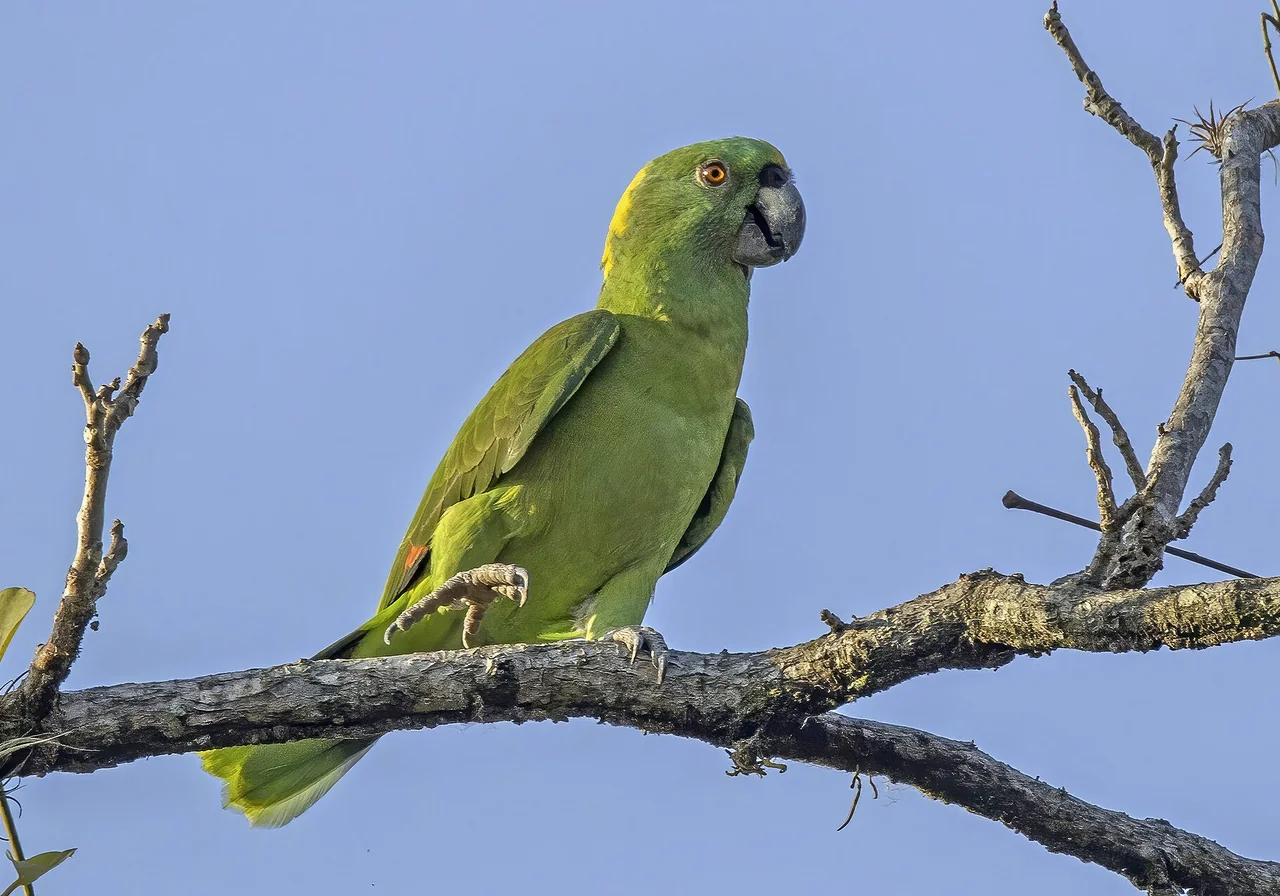
How does a Budgerigar compare with Cockatiel and Yellow-naped Amazon?
A Budgerigar is not interchangeable with Cockatiel and Yellow-naped Amazon. Compare origin, size, lifespan and temperament before you choose — those four lines prevent most regret.
| Parrot fact | Budgerigar | Cockatiel | Yellow-naped Amazon |
|---|---|---|---|
| Origin | Australia | Australia | Central America |
| Size | Small (30–40 g) | Small (80–100 g) | Medium (550 g) |
| Lifespan | 10–80 years depending on species | 10–80 years depending on species | 10–80 years depending on species |
| Temperament | Social flocking bird, active | Gentle, whistling, crested | Bold talker, strong-willed |
What is the verdict on the Budgerigar?
A Budgerigar is a wild parrot to understand and protect, not a pet to acquire. If you came here to buy one, the verdict is no. If you came here to learn, use the species guide next.
Help looks like habitat, enforcement and refusing the trade — not a cage in a spare room. WARN is a CIC, not a charity; donate only if you want to fund partner work in our network countries, and do not expect Gift Aid.
Parrots belong in the forest
Every parrot species in this guide is threatened by habitat loss or the illegal pet trade. A gift to WARN helps fund parrot rescue, anti-trafficking work and customs training in Brazil and Colombia.