Macaw Species · South America
Green-Winged Macaw
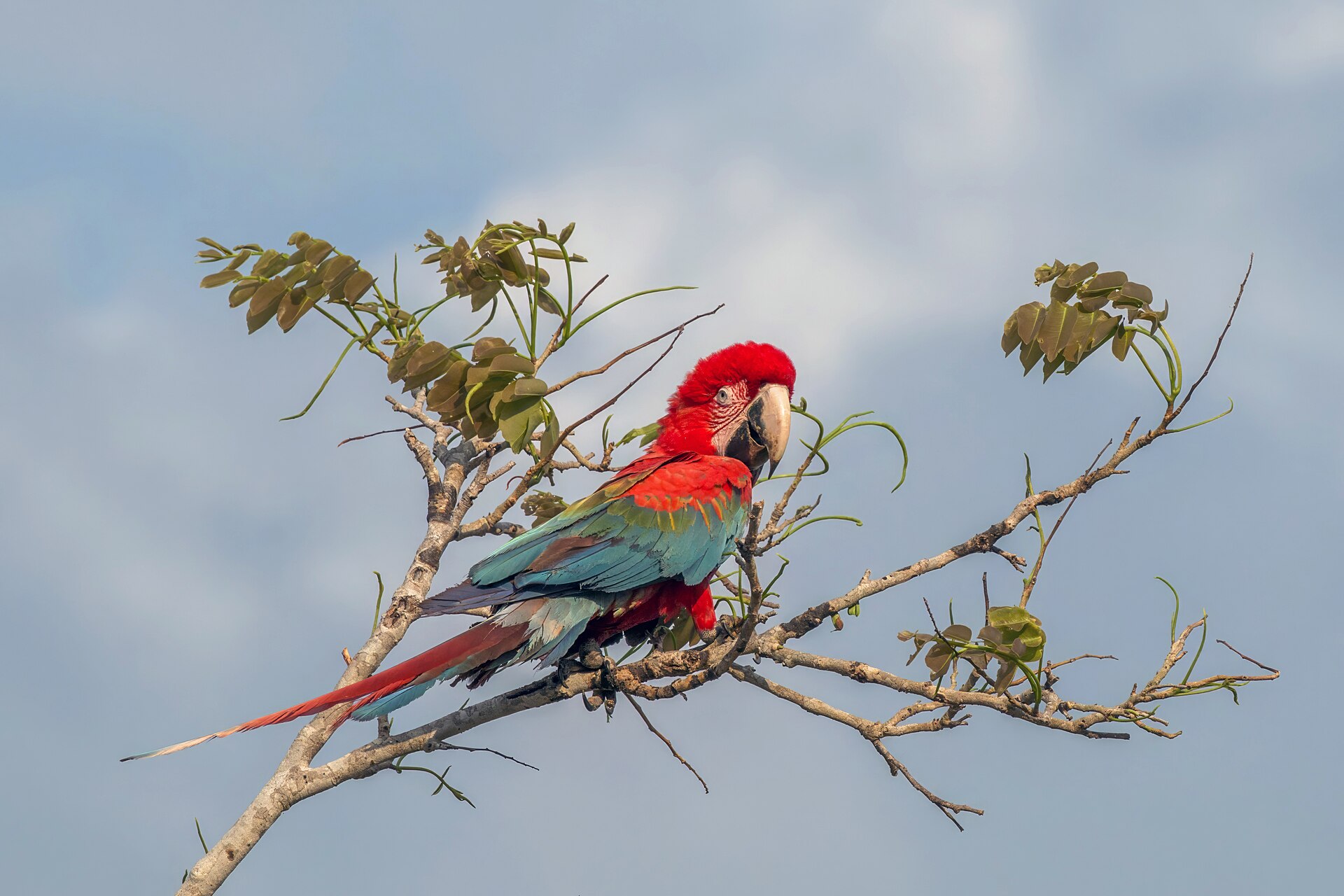
Deep red with green wing bands — often called a gentler large macaw.
By WARN Research & Conservation TeamLast updated
In brief
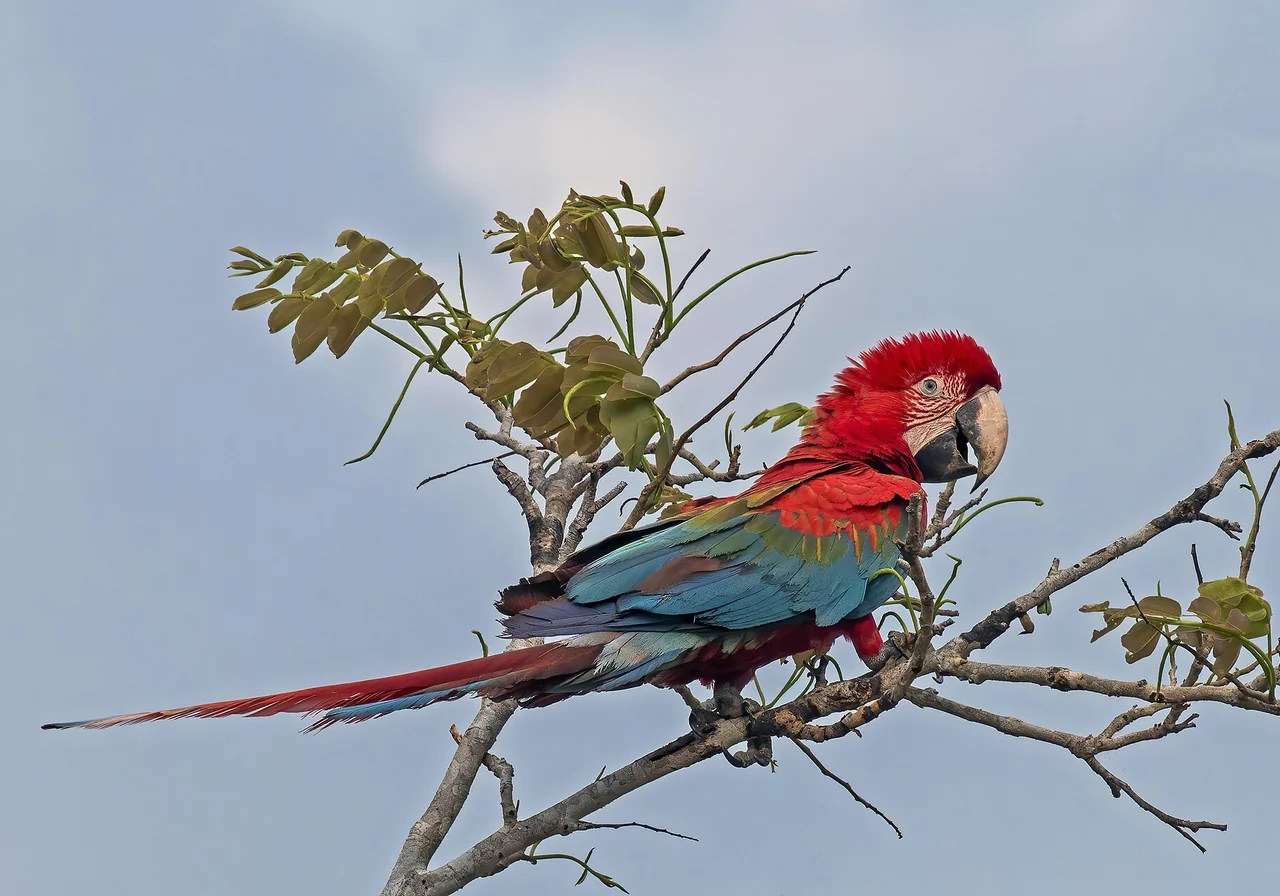
The Green-Winged Macaw — Red-and-Green Macaw in some regions — is a large crimson parrot with green wing bands. Its defining trait is often calmer temperament than Scarlet Macaws, though space and noise demands remain extreme.
What are the key facts about a Green-Winged Macaw?
The Green-Winged Macaw is a macaw species from South America: large (90–95 cm), calmer than scarlet, affectionate. Deep red with green wing bands — often called a gentler large macaw.
| Origin | South America |
|---|---|
| Size | Large (90–95 cm) |
| Typical length | 90–95 cm (35–37 in) typical length; among the largest macaws |
| Lifespan | 40–60 years (large macaws) or 30–40 years (mini macaws) |
| Plumage | Deep red body plumage with broad green wing coverts and blue flight feathers. Bare facial skin shows red lines on white. Regular bathing and humidity support feather sheen; tail and wing feathers need room to avoid breakage in tight housing. |
| Temperament | Calmer than scarlet, affectionate |
| Conservation note | Expert aviculturists only — CITES-regulated across range countries with ongoing habitat pressure in Amazonian forests. Captive Green-wings suit dedicated owners providing aviary life, social bonding and mental stimulation. Often described as affectionate but not apartment birds. |
Should you keep a Green-Winged Macaw?
Usually no. A Green-Winged Macaw is a macaw species from South America, not a starter pet. Most of the birds in this library are pressured by habitat loss and the pet trade; a legal captive bird still needs decades of specialist care.
Parrots are long-lived, loud and socially demanding. A Green-Winged Macaw from South America is not a weekend project. If you already share a home with one, this page is about honest husbandry and why wild populations still need habitat, not about encouraging a purchase.
Never buy a wild-caught bird. If you are choosing a companion parrot at all, work with a rescue or a documented captive-bred source, budget for an avian vet, and assume the animal will outlive several house moves.
What is a Green-Winged Macaw?
Deep red with green wing bands — often called a gentler large macaw. Origin is South America; coat or markings are described as Deep red body plumage with broad green wing coverts and blue flight feathers. Bare facial skin shows red lines on white. Regular bathing and humidity support feather sheen; tail and wing feathers need room to avoid breakage in tight housing..
Treat “species” here as a library label for a wild species or distinct form, not as a kennel-club product.
Where does the Green-Winged Macaw come from?
Green-Winged Macaws come from South America. Green-Winged Macaws inhabit humid lowland forests from Panama to Paraguay, overlapping Scarlet range but preferring wetter forest.
Historic trapping for feathers and pets reduced local abundance. Legal captive breeding networks supply aviculture outside range countries. Wild conservation depends on protected forest corridors and anti-trafficking enforcement.
That origin still shows. A Green-Winged Macaw is large (90–95 cm) and calmer than scarlet, affectionate, typically living 40–60 years (large macaws) or 30–40 years (mini macaws). Use the history as context for care and conservation, not as folklore to repeat without sources.
What does a Green-Winged Macaw actually need?
A wild Green-Winged Macaw needs the habitat and social system of South America, not a spare room. Size (Large (90–95 cm)) and a calmer than scarlet, affectionate life history are why private keeping fails.
In the wild that means connected habitat, a diet the species evolved with, and distance from the pet and selfie trades. Captive “care sheets” for wild macaws are how trafficking gets laundered as husbandry.
If you already work in accredited rescue, follow specialist protocols and licensing. Everyone else: do not acquire a Green-Winged Macaw. Support habitat and anti-trafficking work instead.
What surprises people about the Green-Winged Macaw?
A few details about the breed, alongside the practical care information in this guide.
- Green-Winged Macaws are slightly larger and heavier than Scarlet Macaws on average.
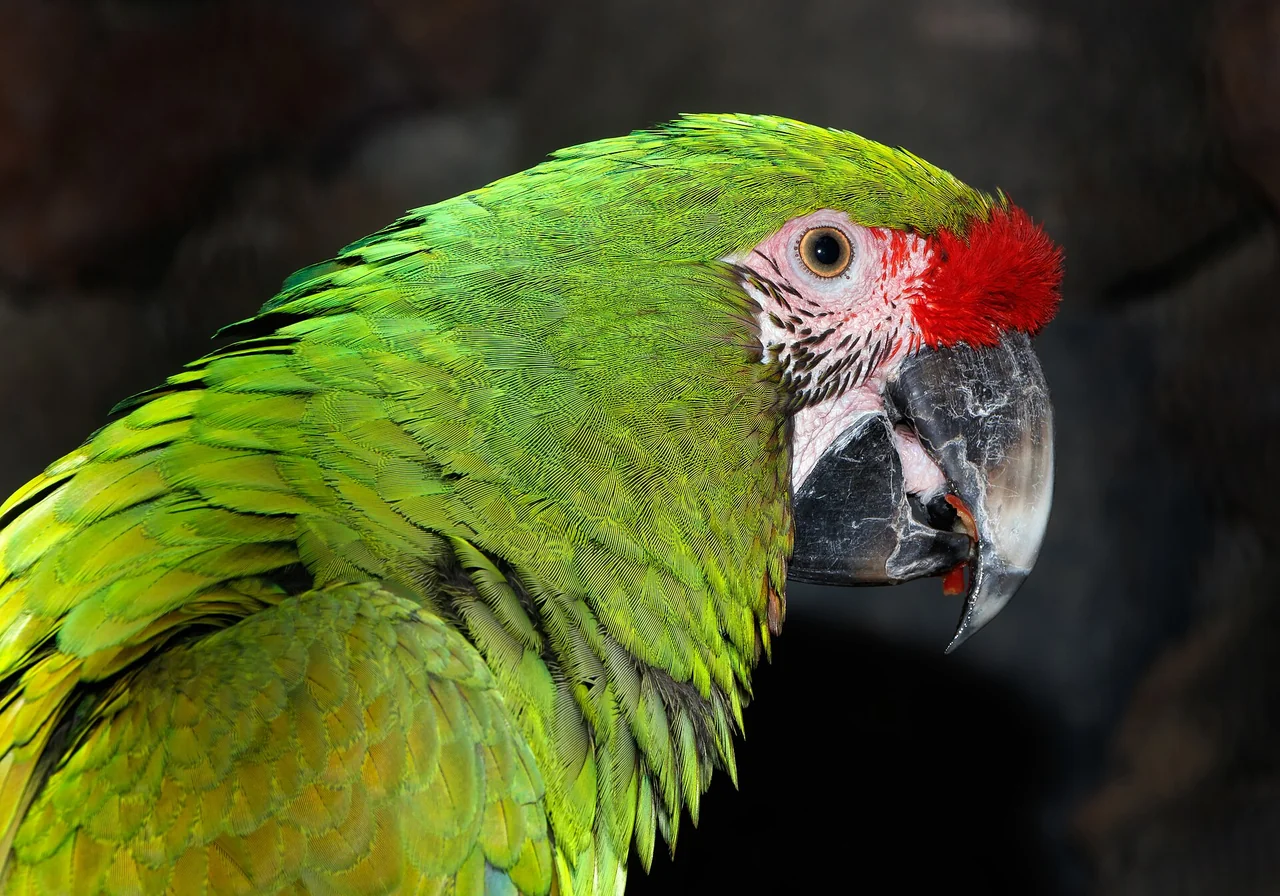
- They are sometimes called Red-and-Green Macaws to avoid confusion with Military Macaws.
- Pairs share nest cavities in large dead trees for many seasons.
- Their calls carry kilometres through rainforest canopy.
What health issues should you know about in a Green-Winged Macaw?
Health concerns to discuss with your vet, including changes to watch for and everyday care. This is general guidance, not veterinary advice — always speak to your vet.
Feather destructive behaviour
Barbering, plucking or chewing feathers indicates medical or psychological distress.
Care: Full avian vet workup then enrichment, social time and environmental changes.
Heavy metal toxicity
Ingestion of lead, zinc or copper from toys, hardware or galvanized surfaces causes neurological signs and GI upset.
Care: Use stainless steel hardware and avian-safe materials. Blood testing and chelation therapy under veterinary care if exposure suspected.
Respiratory infections
Bacterial or fungal respiratory disease presents with discharge, sneezing and reduced activity.
Care: Avoid smoke, candles and non-stick cookware fumes. Prompt culture-based treatment from an avian veterinarian.
Who should skip a Green-Winged Macaw?
Skip a Green-Winged Macaw if you are anyone hoping to keep a Green-Winged Macaw as a pet or photo prop. This South America macaw is large (90–95 cm) and calmer than scarlet, affectionate — the mismatch is usually lifestyle, not a missing accessory.
This page is allowed to say no. Skip if you are anyone hoping to keep a Green-Winged Macaw as a pet or photo prop. Skip if you are anyone who will pay for a wild-caught or roadside animal. Skip if you are tourists looking for handling or selfies.
A different macaw species on this site may fit. Wanting “a Green-Winged Macaw” after a film or a colour photo is not a reason to ignore the skip list.
What are the hidden catches with a Green-Winged Macaw?
The hidden cost of a Green-Winged Macaw is usually not the purchase price. It is years of care, the health list on this page, and the mismatch between a calmer than scarlet, affectionate animal and a busy home.
The pet-trade catch
Cute infant Green-Winged Macaws in ads were usually taken from wild families. The adult you cannot house is then dumped, euthanised, or passed on. Do not create that demand.
The tourism catch
Paying to hold, ride, or selfie with a Green-Winged Macaw funds the next capture or a stressed ambassador animal. Distance and accredited viewing are the ethical default.
The feather destructive behaviour catch
Barbering, plucking or chewing feathers indicates medical or psychological distress. Full avian vet workup then enrichment, social time and environmental changes.
The heavy metal toxicity catch
Ingestion of lead, zinc or copper from toys, hardware or galvanized surfaces causes neurological signs and GI upset. Use stainless steel hardware and avian-safe materials. Blood testing and chelation therapy under veterinary care if exposure suspected.
How does a Green-Winged Macaw compare with Military Macaw and Red-and-Green Macaw?
A Green-Winged Macaw is not interchangeable with Military Macaw and Red-and-Green Macaw. Compare origin, size, lifespan and temperament before you choose — those four lines prevent most regret.
| Macaw fact | Green-Winged Macaw | Military Macaw | Red-and-Green Macaw |
|---|---|---|---|
| Origin | South America | Mexico to Argentina | South America |
| Size | Large (90–95 cm) | Large (70–75 cm) | Large (90 cm) |
| Lifespan | 40–60 years (large macaws) or 30–40 years (mini macaws) | 40–60 years (large macaws) or 30–40 years (mini macaws) | 40–60 years (large macaws) or 30–40 years (mini macaws) |
| Temperament | Calmer than scarlet, affectionate | Social, trainable, loud | Active, vocal, pair-bonded |
What is the verdict on the Green-Winged Macaw?
A Green-Winged Macaw is a wild macaw to understand and protect, not a pet to acquire. If you came here to buy one, the verdict is no. If you came here to learn, use the species guide next.
Help looks like habitat, enforcement and refusing the trade — not a cage in a spare room. WARN is a CIC, not a charity; donate only if you want to fund partner work in our network countries, and do not expect Gift Aid.
Macaws belong in the wild
Every macaw species in this guide is threatened by habitat loss and the illegal pet trade. A symbolic adoption or gift to WARN helps fund anti-trafficking work and sanctuary care for parrots seized from smugglers.