Macaw Species · Bolivia
Blue-Throated Macaw
Critically Endangered Bolivian endemic with turquoise throat patch.
By WARN Research & Conservation TeamLast updated
In brief
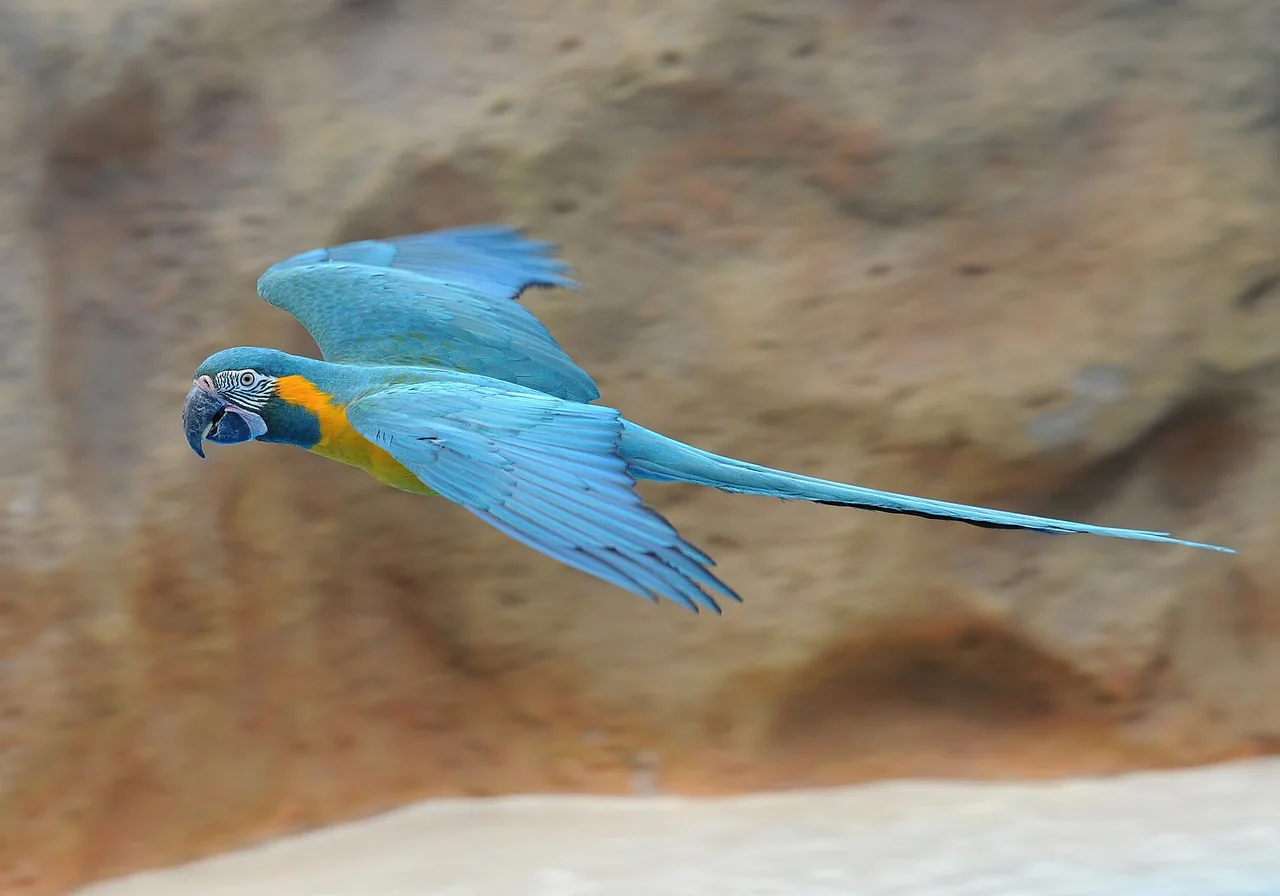
The Blue-Throated Macaw is a Critically Endangered Bolivian endemic — turquoise throat patch on otherwise green plumage. Its defining trait is extreme rarity in the wild with fewer than 500 mature individuals in Llanos de Moxos savanna.
What are the key facts about a Blue-Throated Macaw?
The Blue-Throated Macaw is a macaw species from Bolivia: large (85 cm), rare, social, endangered. Critically Endangered Bolivian endemic with turquoise throat patch.
| Origin | Bolivia |
|---|---|
| Size | Large (85 cm) |
| Typical length | 85 cm (33 in) typical length |
| Lifespan | 40–60 years (large macaws) or 30–40 years (mini macaws) |
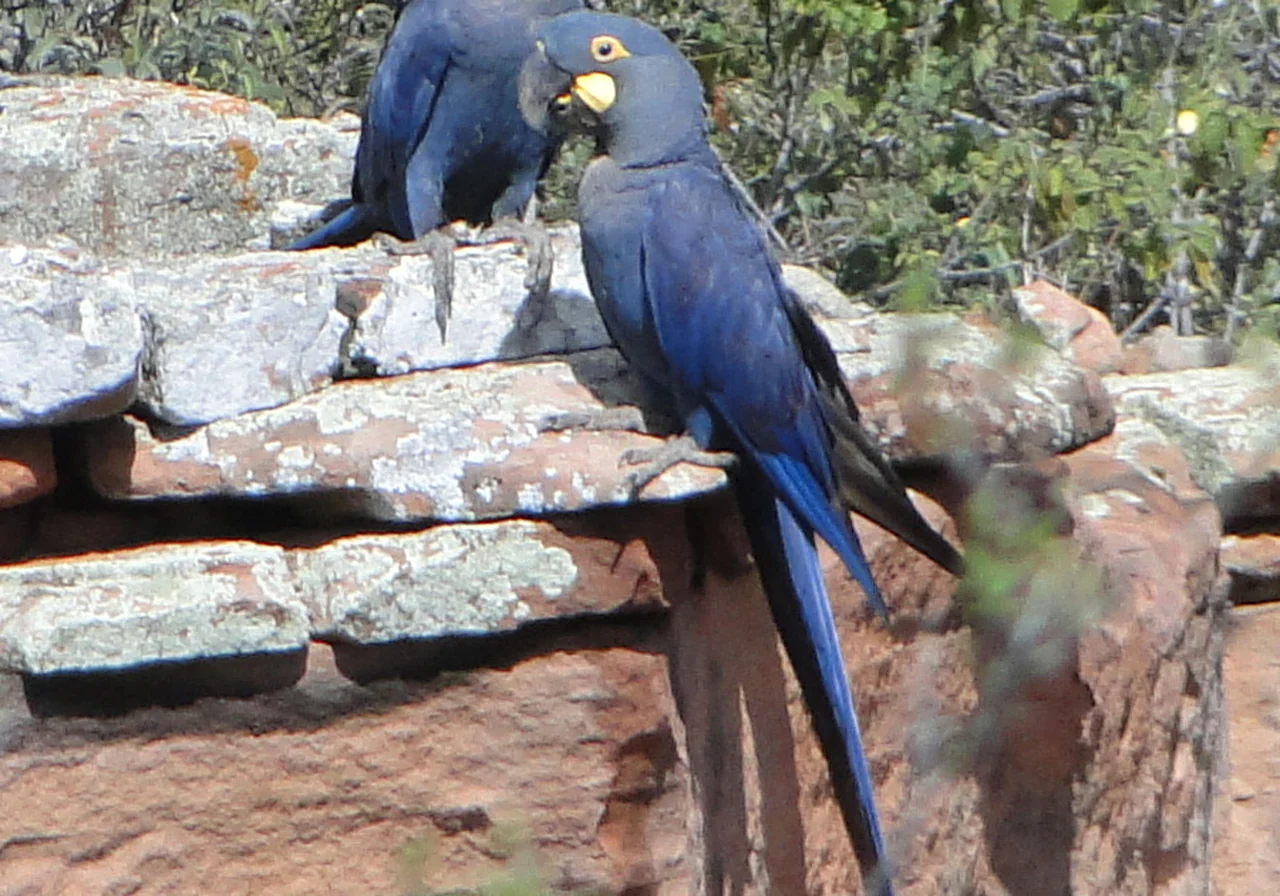
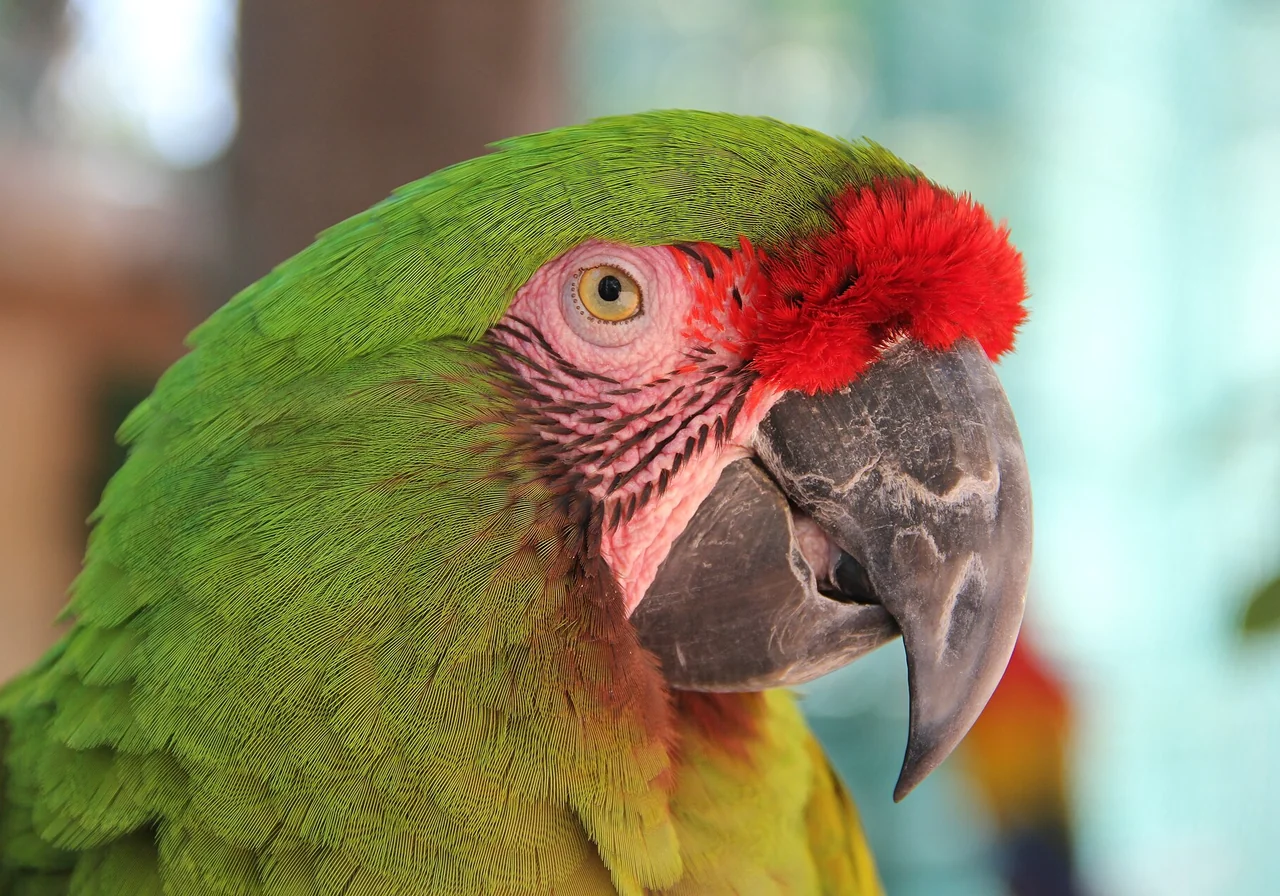
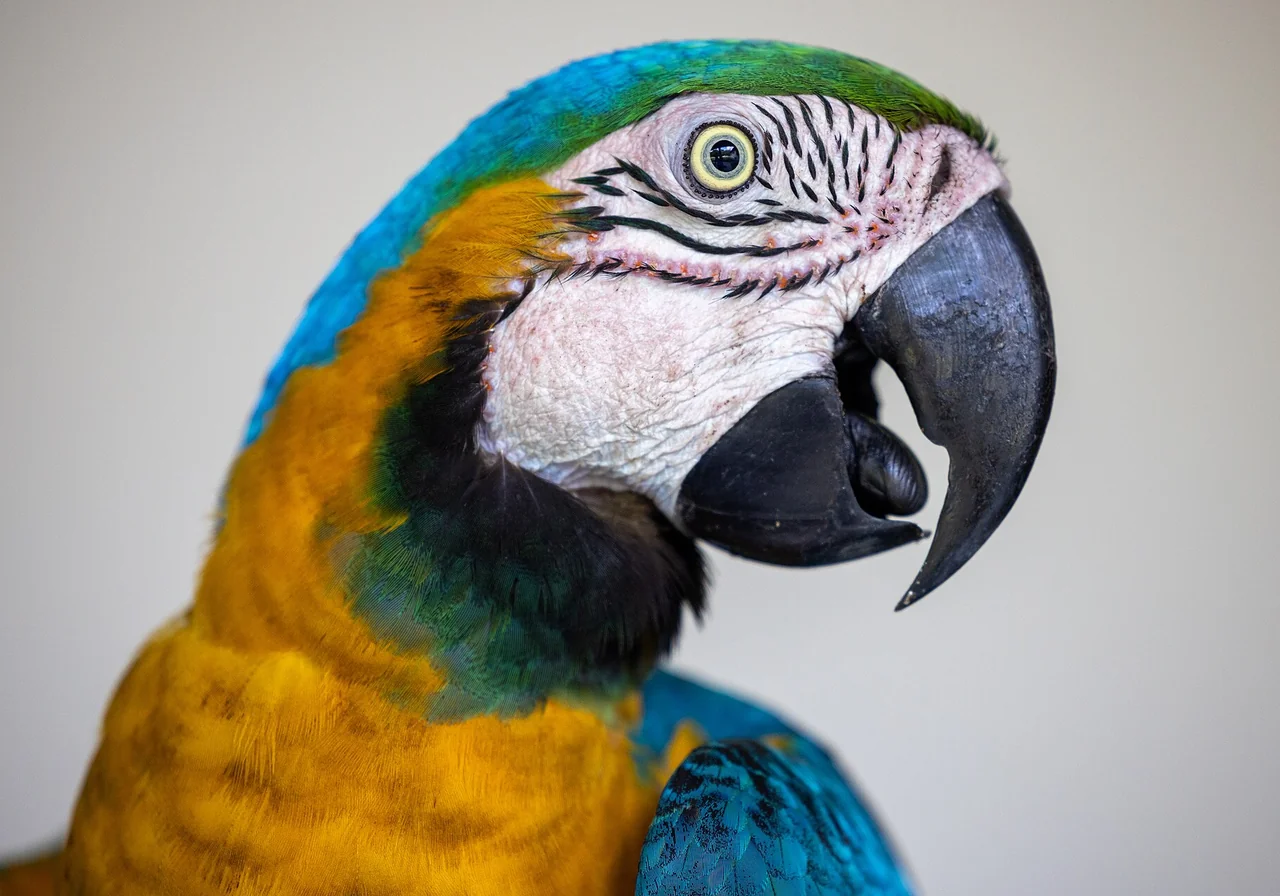
| Plumage | Bright green body with vivid blue throat and forehead, yellow eye rings and blue flight feathers. Bare facial skin is pale with fine feather lines. Captive birds in conservation programmes receive identical feather care to other large macaws: bathing, chew items and stress minimisation. |
| Temperament | Rare, social, endangered |
| Conservation note | Expert aviculturists only — wild Blue-Throated Macaws are Critically Endangered with CITES Appendix I protection. Captive populations participate in managed breeding for conservation; pet ownership should prioritise accredited programmes supporting Bolivian field projects. Genetic diversity concerns make responsible breeding essential. |
Should you keep a Blue-Throated Macaw?
Usually no. A Blue-Throated Macaw is a macaw species from Bolivia, not a starter pet. Most of the birds in this library are pressured by habitat loss and the pet trade; a legal captive bird still needs decades of specialist care.
Parrots are long-lived, loud and socially demanding. A Blue-Throated Macaw from Bolivia is not a weekend project. If you already share a home with one, this page is about honest husbandry and why wild populations still need habitat, not about encouraging a purchase.
Never buy a wild-caught bird. If you are choosing a companion parrot at all, work with a rescue or a documented captive-bred source, budget for an avian vet, and assume the animal will outlive several house moves.
What is a Blue-Throated Macaw?
Critically Endangered Bolivian endemic with turquoise throat patch. Origin is Bolivia; coat or markings are described as Bright green body with vivid blue throat and forehead, yellow eye rings and blue flight feathers. Bare facial skin is pale with fine feather lines. Captive birds in conservation programmes receive identical feather care to other large macaws: bathing, chew items and stress minimisation..
Treat “species” here as a library label for a wild species or distinct form, not as a kennel-club product.
Where does the Blue-Throated Macaw come from?
Blue-Throated Macaws come from Bolivia. Blue-Throated Macaws were unknown to science until described in the 1920s from Bolivia's Llanos de Moxos.
Nest poaching and habitat loss for cattle ranching collapsed wild numbers. The Blue-throated Macaw Programme and similar initiatives install artificial nest boxes and employ local rangers. Captive insurance populations exist in zoos and specialist aviculturists worldwide.
That origin still shows. A Blue-Throated Macaw is large (85 cm) and rare, social, endangered, typically living 40–60 years (large macaws) or 30–40 years (mini macaws). Use the history as context for care and conservation, not as folklore to repeat without sources.
What does a Blue-Throated Macaw actually need?
A wild Blue-Throated Macaw needs the habitat and social system of Bolivia, not a spare room. Size (Large (85 cm)) and a rare, social, endangered life history are why private keeping fails.
In the wild that means connected habitat, a diet the species evolved with, and distance from the pet and selfie trades. Captive “care sheets” for wild macaws are how trafficking gets laundered as husbandry.
If you already work in accredited rescue, follow specialist protocols and licensing. Everyone else: do not acquire a Blue-Throated Macaw. Support habitat and anti-trafficking work instead.
What surprises people about the Blue-Throated Macaw?
A few details about the breed, alongside the practical care information in this guide.
- Fewer than 500 mature Blue-Throated Macaws remain in the wild.
- They depend on motacú palms for nesting and feeding in Bolivian savanna.
- The species was only scientifically described in 1921.
- Conservation nest boxes have significantly boosted fledging success locally.
What health issues should you know about in a Blue-Throated Macaw?
Health concerns to discuss with your vet, including changes to watch for and everyday care. This is general guidance, not veterinary advice — always speak to your vet.
Genetic bottleneck concerns
Small population size increases inbreeding depression and susceptibility to disease outbreaks across related birds.
Care: Managed studbooks, genetic testing and outcrossing plans under conservation programme veterinarians.
Nutritional deficiencies
Imbalanced diets in captivity cause poor breeding results and feather issues.
Care: Avian nutritionist-formulated diets with regular weight and blood monitoring.
Respiratory disease
As with all macaws, fungal and bacterial respiratory infections threaten compromised birds.
Care: Clean housing, prompt veterinary culture and treatment protocols.
Who should skip a Blue-Throated Macaw?
Skip a Blue-Throated Macaw if you are anyone hoping to keep a Blue-Throated Macaw as a pet or photo prop. This Bolivia macaw is large (85 cm) and rare, social, endangered — the mismatch is usually lifestyle, not a missing accessory.
This page is allowed to say no. Skip if you are anyone hoping to keep a Blue-Throated Macaw as a pet or photo prop. Skip if you are anyone who will pay for a wild-caught or roadside animal. Skip if you are tourists looking for handling or selfies.
A different macaw species on this site may fit. Wanting “a Blue-Throated Macaw” after a film or a colour photo is not a reason to ignore the skip list.
What are the hidden catches with a Blue-Throated Macaw?
The hidden cost of a Blue-Throated Macaw is usually not the purchase price. It is years of care, the health list on this page, and the mismatch between a rare, social, endangered animal and a busy home.
The pet-trade catch
Cute infant Blue-Throated Macaws in ads were usually taken from wild families. The adult you cannot house is then dumped, euthanised, or passed on. Do not create that demand.
The tourism catch
Paying to hold, ride, or selfie with a Blue-Throated Macaw funds the next capture or a stressed ambassador animal. Distance and accredited viewing are the ethical default.
The genetic bottleneck concerns catch
Small population size increases inbreeding depression and susceptibility to disease outbreaks across related birds. Managed studbooks, genetic testing and outcrossing plans under conservation programme veterinarians.
The nutritional deficiencies catch
Imbalanced diets in captivity cause poor breeding results and feather issues. Avian nutritionist-formulated diets with regular weight and blood monitoring.
How does a Blue-Throated Macaw compare with Lear's Macaw and Great Green Macaw?
A Blue-Throated Macaw is not interchangeable with Lear's Macaw and Great Green Macaw. Compare origin, size, lifespan and temperament before you choose — those four lines prevent most regret.
| Macaw fact | Blue-Throated Macaw | Lear's Macaw | Great Green Macaw |
|---|---|---|---|
| Origin | Bolivia | Brazil | Central America |
| Size | Large (85 cm) | Large (75 cm) | Large (85 cm) |
| Lifespan | 40–60 years (large macaws) or 30–40 years (mini macaws) | 40–60 years (large macaws) or 30–40 years (mini macaws) | 40–60 years (large macaws) or 30–40 years (mini macaws) |
| Temperament | Rare, social, endangered | Endangered, colony-nesting | Shy, forest-dependent |
What is the verdict on the Blue-Throated Macaw?
A Blue-Throated Macaw is a wild macaw to understand and protect, not a pet to acquire. If you came here to buy one, the verdict is no. If you came here to learn, use the species guide next.
Help looks like habitat, enforcement and refusing the trade — not a cage in a spare room. WARN is a CIC, not a charity; donate only if you want to fund partner work in our network countries, and do not expect Gift Aid.
Macaws belong in the wild
Every macaw species in this guide is threatened by habitat loss and the illegal pet trade. A symbolic adoption or gift to WARN helps fund anti-trafficking work and sanctuary care for parrots seized from smugglers.