Iguana Species · Central America & Caribbean (Ctenosaura)
Spiny-tailed Iguana
Black iguana and related Ctenosaura — common in range but poor pet candidates.
By WARN Research & Conservation TeamLast updated
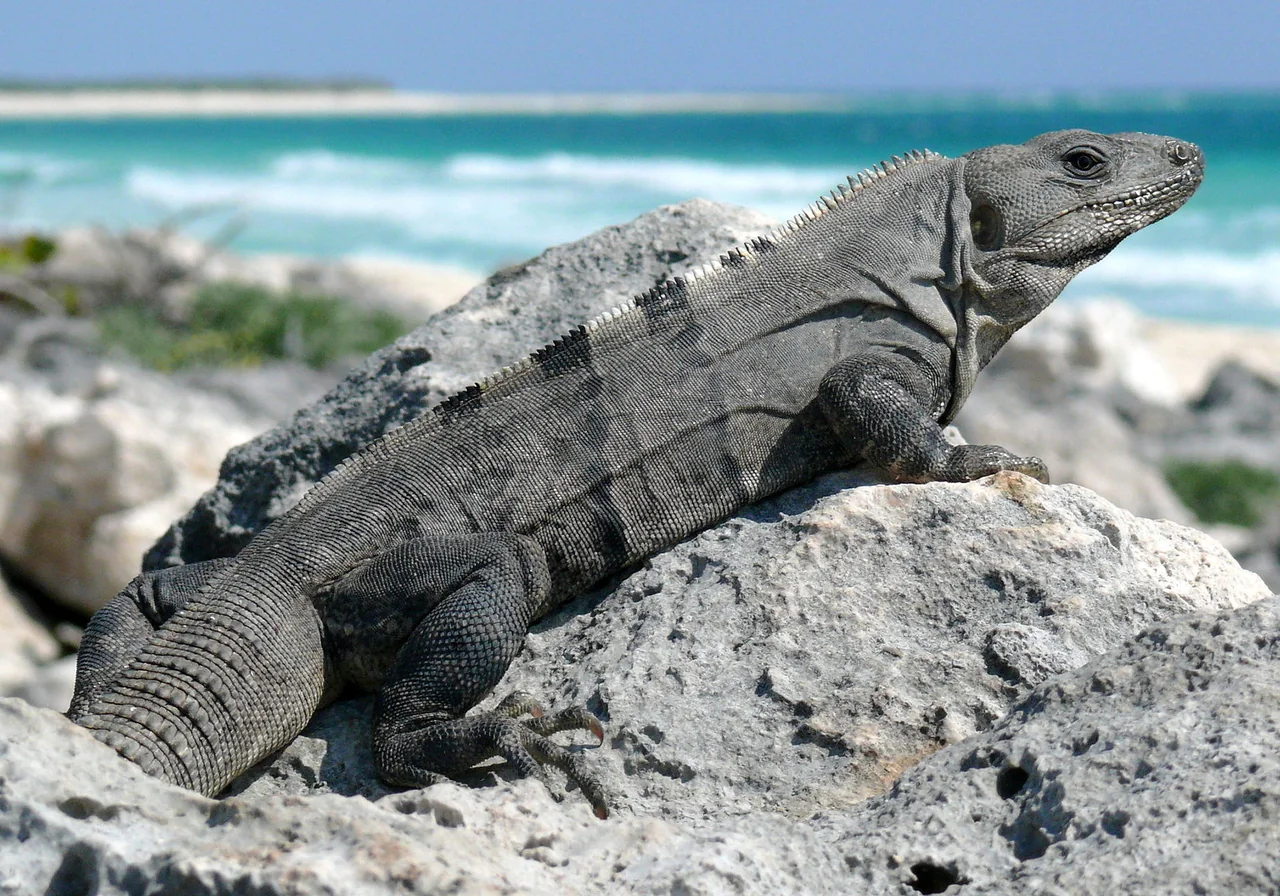
In brief
Spiny-tailed iguanas (Ctenosaura genus) include the fast black iguana of Central America — omnivorous, bite-prone and needing large outdoor enclosures in warm climates. Its defining trait is poor pet candidacy: wild collection pressure and defensive behaviour unsuited to domestic life.
What are the key facts about a Spiny-tailed Iguana?
The Spiny-tailed Iguana is a iguana species from Central America & Caribbean (Ctenosaura): medium–large (1–4 kg), fast, defensive, omnivorous. Black iguana and related Ctenosaura — common in range but poor pet candidates.
| Origin | Central America & Caribbean (Ctenosaura) |
|---|---|
| Size | Medium–large (1–4 kg) |
| Typical weight | 1–4 kg (2.2–8.8 lb) depending on species; black iguana among largest |
| Lifespan | 15–20 years (green iguana in captivity); wild species vary |
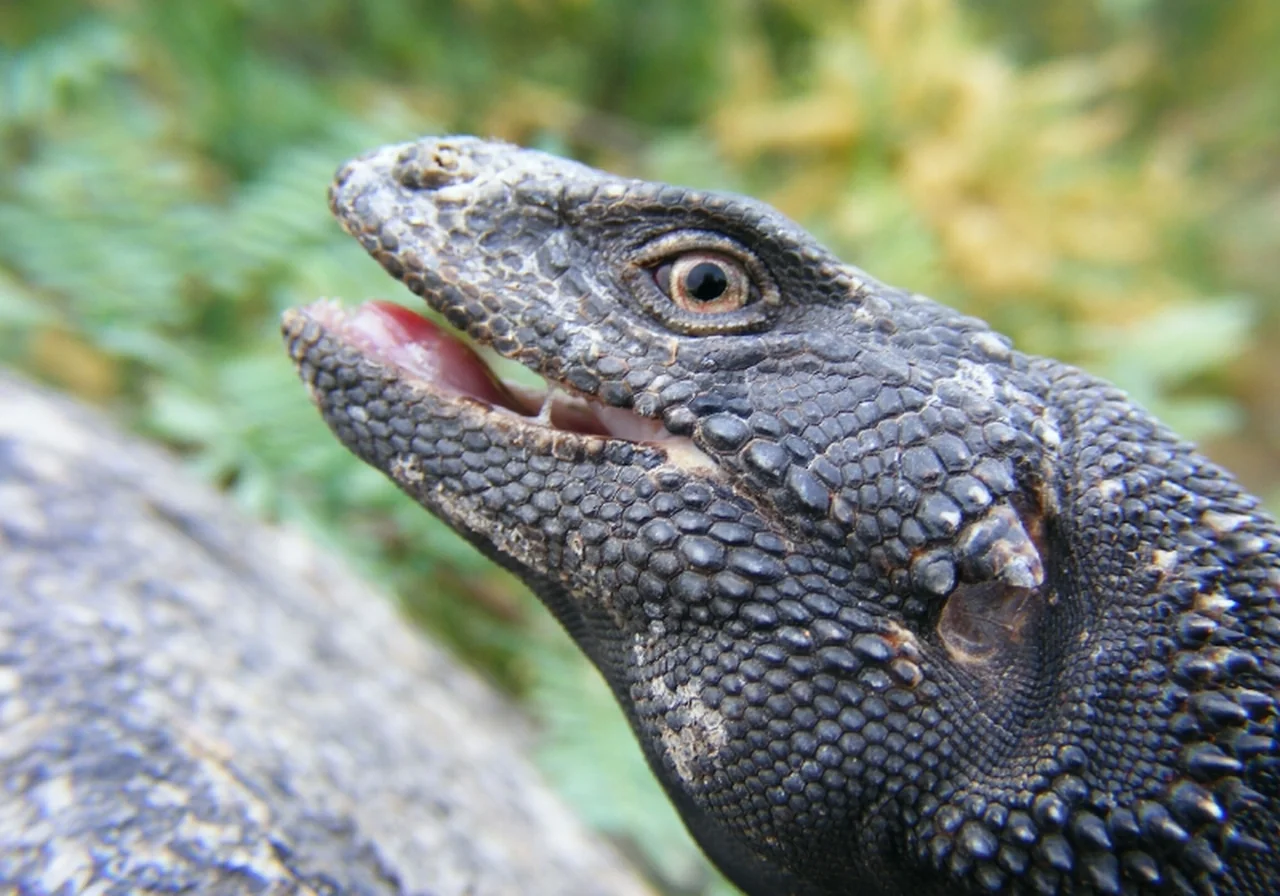
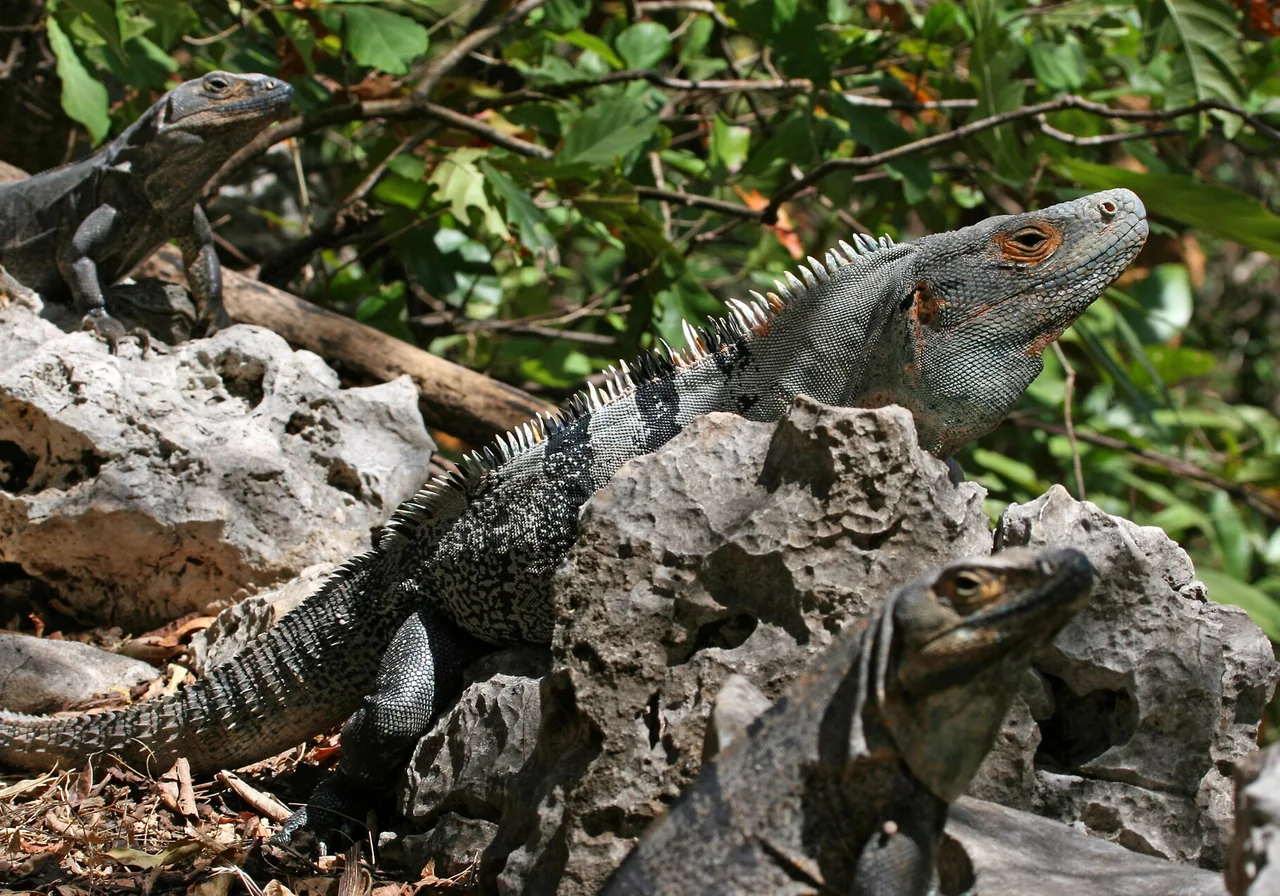
| Scales & colour | Keeled spiny scales along tail whips; grey-black dorsal coloration common in C. similis. Tail used defensively — powerful strike. |
| Temperament | Fast, defensive, omnivorous |
| Conservation note | Wild conservation only — not family pets. Ctenosaura need large outdoor enclosures in tropical climates and remain defensive despite handling attempts. |
Is a Spiny-tailed Iguana a good pet?
A Spiny-tailed Iguana is only a good pet if you will keep heat, humidity and diet correct for years. This Central America & Caribbean (Ctenosaura) type is medium–large (1–4 kg), fast, defensive, omnivorous, and typically lives 15–20 years (green iguana in captivity); wild species vary.
Reptiles do not “ask” for attention the way a dog does, which is why they are impulse-bought and then neglected. A Spiny-tailed Iguana still needs a thermal gradient, hiding places, and a vet who actually sees reptiles. Spiny-tailed iguanas range Mexico to Panama, abundant locally yet poorly suited to captivity.
Skip wild-caught animals. Captive-bred, documented, and a setup that is ready before the animal arrives — or do not get one.
What is a Spiny-tailed Iguana?
Black iguana and related Ctenosaura — common in range but poor pet candidates. Origin is Central America & Caribbean (Ctenosaura); coat or markings are described as Keeled spiny scales along tail whips; grey-black dorsal coloration common in C. similis. Tail used defensively — powerful strike..
Kennel and registry labels describe a type. Individual Spiny-tailed Iguanas still vary, and rescue animals may be mixes.
Where does the Spiny-tailed Iguana come from?
Spiny-tailed Iguanas come from Central America & Caribbean (Ctenosaura). Spiny-tailed iguanas range Mexico to Panama, abundant locally yet poorly suited to captivity.
Pet trade fuels collection alongside bushmeat use. British climate prohibits appropriate outdoor housing — indoor life causes chronic stress in active omnivorous lizards.
That origin still shows. A Spiny-tailed Iguana is medium–large (1–4 kg) and fast, defensive, omnivorous, typically living 15–20 years (green iguana in captivity); wild species vary. Use the history as context for care and conservation, not as folklore to repeat without sources.
How do you care for a Spiny-tailed Iguana?
Spiny-tailed Iguana care is heat, humidity, hiding places and prey size — for 15–20 years (green iguana in captivity); wild species vary. This Central America & Caribbean (Ctenosaura) animal is medium–large (1–4 kg) (1–4 kg (2.2–8.8 lb) depending on species; black iguana among largest) and fast, defensive, omnivorous.
Set up the enclosure before you buy the animal. A Spiny-tailed Iguana cannot “make do” with a heat mat and a water bowl. Wrong temperatures cause respiratory disease, stuck shed and refusal to feed.
Handle little, weigh often, and find a reptile vet in advance. Coat or pattern (Keeled spiny scales along tail whips; grey-black dorsal coloration common in C. similis. Tail used defensively — powerful strike.) is not a care substitute.
What surprises people about the Spiny-tailed Iguana?
A few details about the breed, alongside the practical care information in this guide.
- Black spiny-tailed iguana among fastest running lizards — sprint escape specialists.
- Tail spines used in defensive whipping — painful bites if cornered.
- Omnivorous — insect and fruit component unlike strict green iguana herbivory.
- Common on Central American ruins and roadsides — still not domesticated pets.
What health issues should you know about in a Spiny-tailed Iguana?
Health concerns to discuss with your vet, including changes to watch for and everyday care. This is general guidance, not veterinary advice — always speak to your vet.
Inappropriate captivity stress
Small tanks cause pacing, anorexia and aggression.
Care: Do not keep as pets — support habitat conservation.
Metabolic bone disease
Poor UVB in indoor setups causes MBD.
Care: Avoid purchase — species not suited to British indoor keeping.
Habitat loss (wild)
Development and collection pressure despite local abundance.
Care: Reduce pet trade demand; fund habitat protection.
Who should skip a Spiny-tailed Iguana?
Skip a Spiny-tailed Iguana if you are homes that cannot match a fast, defensive, omnivorous medium–large (1–4 kg) iguana from Central America & Caribbean (Ctenosaura). This Central America & Caribbean (Ctenosaura) iguana is medium–large (1–4 kg) and fast, defensive, omnivorous — the mismatch is usually lifestyle, not a missing accessory.
This page is allowed to say no. Skip if you are homes that cannot match a fast, defensive, omnivorous medium–large (1–4 kg) iguana from Central America & Caribbean (Ctenosaura).
A different iguana species on this site may fit. Wanting “a Spiny-tailed Iguana” after a film or a colour photo is not a reason to ignore the skip list.
What are the hidden catches with a Spiny-tailed Iguana?
The hidden cost of a Spiny-tailed Iguana is usually not the purchase price. It is years of care, the health list on this page, and the mismatch between a fast, defensive, omnivorous animal and a busy home.
The impulse-buy catch
A Spiny-tailed Iguana from Central America & Caribbean (Ctenosaura) is often sold on looks. Coat, colour and size are not a temperament test. Meet the adult animal, ask about health screening, and walk away from pressure sales.
The setup-last catch
Buying the Spiny-tailed Iguana before the enclosure is how respiratory infections and stuck sheds start. Hardware first, animal second.
The inappropriate captivity stress catch
Small tanks cause pacing, anorexia and aggression. Do not keep as pets — support habitat conservation.
The metabolic bone disease catch
Poor UVB in indoor setups causes MBD. Avoid purchase — species not suited to British indoor keeping.
How does a Spiny-tailed Iguana compare with Chuckwalla and Fiji Banded Iguana?
A Spiny-tailed Iguana is not interchangeable with Chuckwalla and Fiji Banded Iguana. Compare origin, size, lifespan and temperament before you choose — those four lines prevent most regret.
| Iguana fact | Spiny-tailed Iguana | Chuckwalla | Fiji Banded Iguana |
|---|---|---|---|
| Origin | Central America & Caribbean (Ctenosaura) | South-western United States & Mexico | Fiji & Tonga |
| Size | Medium–large (1–4 kg) | Medium (0.5–0.9 kg) | Medium (0.4–0.6 kg) |
| Lifespan | 15–20 years (green iguana in captivity); wild species vary | 15–20 years (green iguana in captivity); wild species vary | 15–20 years (green iguana in captivity); wild species vary |
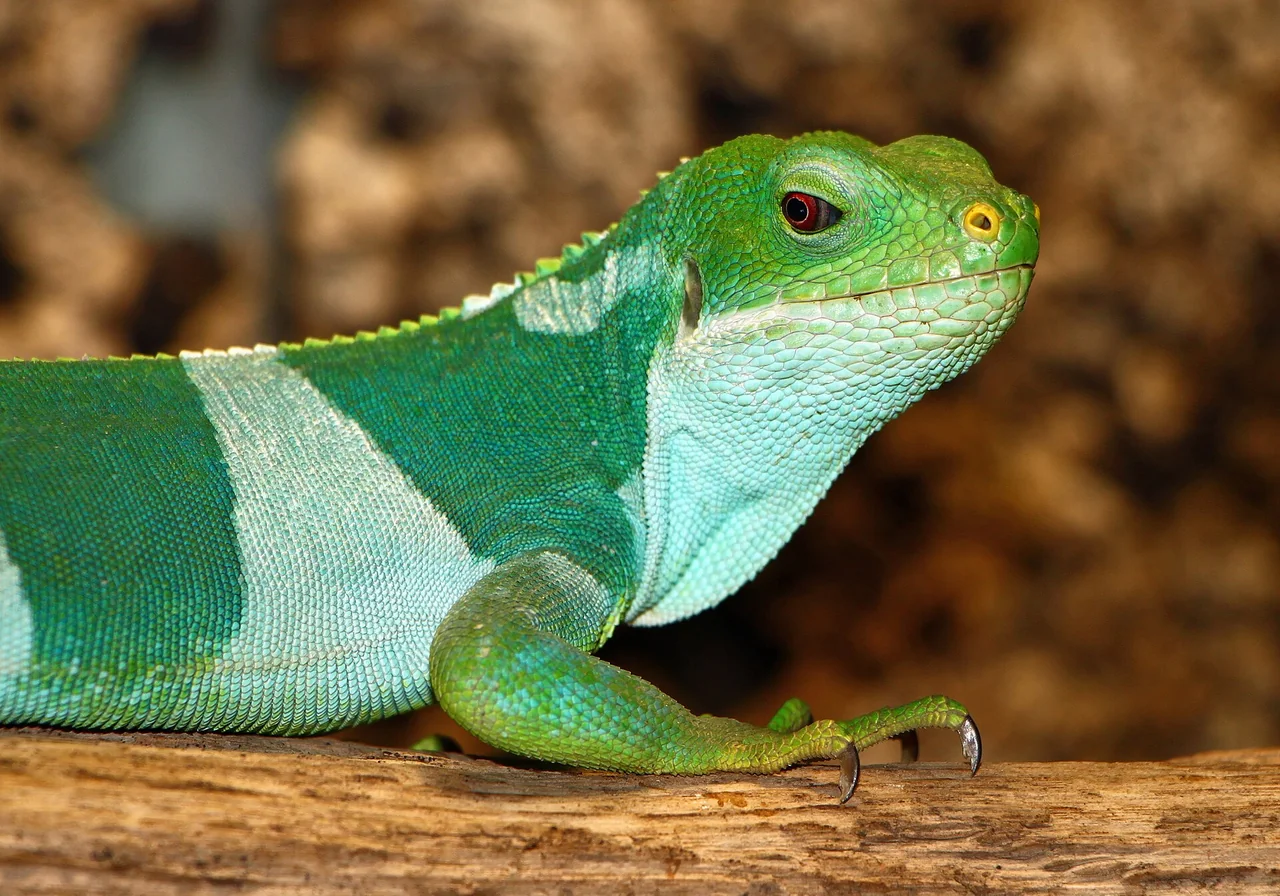
| Temperament | Fast, defensive, omnivorous | Shy, herbivorous, heat-loving | Arboreal, shy, protected |
What is the verdict on the Spiny-tailed Iguana?
Choose a Spiny-tailed Iguana only if the care, skip-if and health sections still look like your life after a week of thinking. Otherwise pick a different iguana or wait. Rescue is usually the better first door than a waiting-list puppy or kitten.
If the match is real, budget for 15–20 years (green iguana in captivity); wild species vary of vet care and do not skip health screening. If it is not, walking away is the kind choice — for you and for the animal.
Most iguanas are not beginner pets
Green iguanas grow to two metres and live twenty years — most owners are unprepared. Released pets become invasive. Consider adoption only if you can meet specialist reptile welfare standards.