Iguana Species · Central & South America
Green Iguana
The common pet-shop iguana — far too large and specialist for most homes.
By WARN Research & Conservation TeamLast updated
In brief
The Green iguana (Iguana iguana) is the cheap pet-shop lizard that outgrows nearly every home — reaching 1.5–2 metres including tail with powerful claws, whipping tail and herbivorous specialist needs. Its defining trait is catastrophic mismatch between hatchling price and adult welfare requirements; rescues worldwide report chronic surrender within two years.
What are the key facts about a Green Iguana?
The Green Iguana is a iguana species from Central & South America: large (4–8 kg adult), arboreal, herbivorous, defensive when mature. The common pet-shop iguana — far too large and specialist for most homes.
| Origin | Central & South America |
|---|---|
| Size | Large (4–8 kg adult) |
| Typical weight | 4–8 kg (9–18 lb) adult; hatchlings sold at 30–50 g create false size expectations |
| Lifespan | 15–20 years (green iguana in captivity); wild species vary |
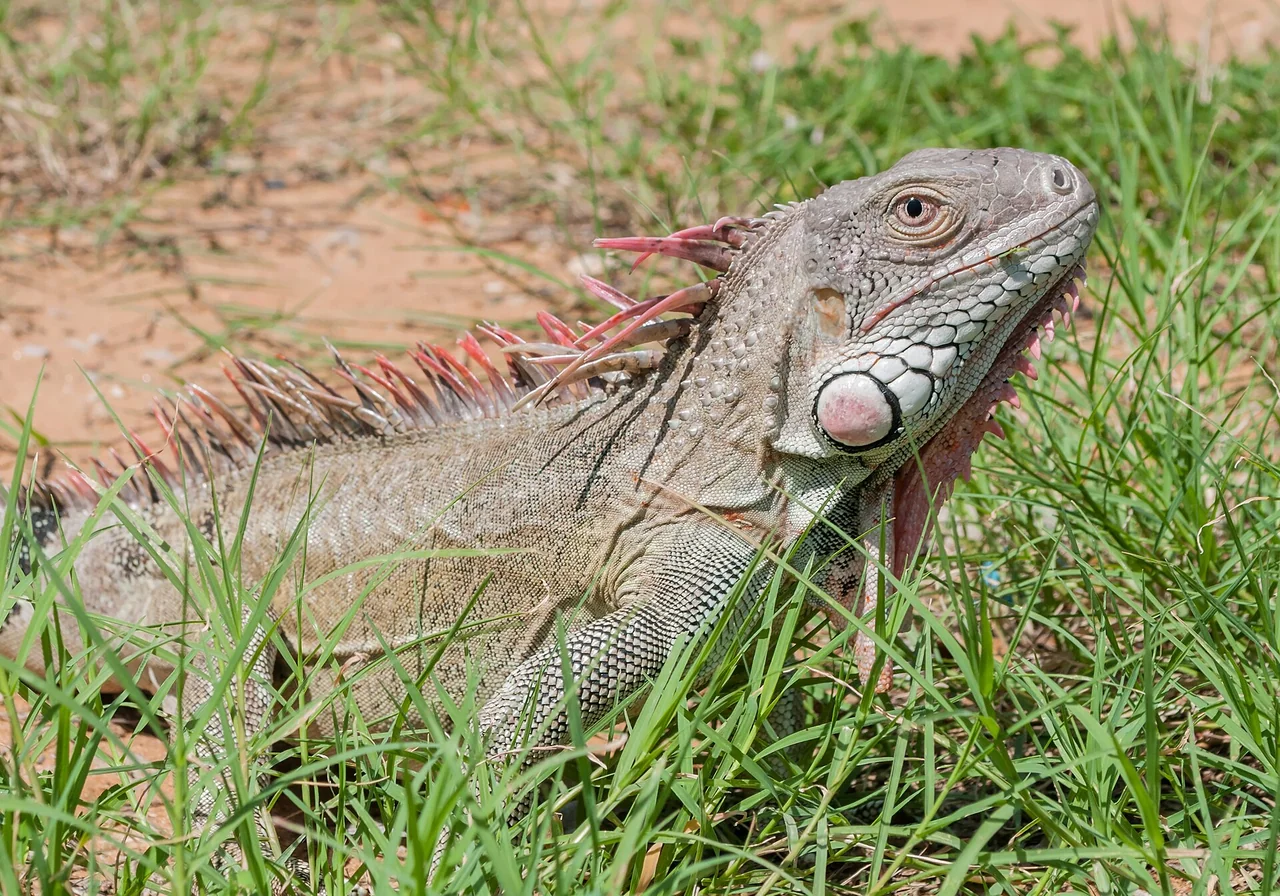
| Scales & colour | Green to grey-green rough scales with dewlap and dorsal crest spines; colour shifts with temperature and mood. Adult males develop larger jowls and crest — not a beginner reptile at any age. |
| Temperament | Arboreal, herbivorous, defensive when mature |
| Conservation note | Accredited rescues and specialist reptile facilities only — not typical domestic pets. Green iguanas need custom arboreal enclosures metres long, UVB, strict herbivorous diet and tolerate handling poorly at maturity. |
Is a Green Iguana a good pet?
A Green Iguana is only a good pet if you will keep heat, humidity and diet correct for years. This Central & South America type is large (4–8 kg adult), arboreal, herbivorous, defensive when mature, and typically lives 15–20 years (green iguana in captivity); wild species vary.
Reptiles do not “ask” for attention the way a dog does, which is why they are impulse-bought and then neglected. A Green Iguana still needs a thermal gradient, hiding places, and a vet who actually sees reptiles. Green iguanas range from Mexico to Brazil, arboreal in tropical forest feeding on leaves and flowers.
Skip wild-caught animals. Captive-bred, documented, and a setup that is ready before the animal arrives — or do not get one.
What is a Green Iguana?
The common pet-shop iguana — far too large and specialist for most homes. Origin is Central & South America; coat or markings are described as Green to grey-green rough scales with dewlap and dorsal crest spines; colour shifts with temperature and mood. Adult males develop larger jowls and crest — not a beginner reptile at any age..
Kennel and registry labels describe a type. Individual Green Iguanas still vary, and rescue animals may be mixes.
Where does the Green Iguana come from?
Green Iguanas come from Central & South America. Green iguanas range from Mexico to Brazil, arboreal in tropical forest feeding on leaves and flowers.
Pet trade imports millions of hatchlings annually while rescues overflow with adults exceeding standard ceiling height. British RSPCA and exotic welfare groups advise against green iguana purchase — legality does not equal suitability. Most hatchlings sold are wild-caught or ranch-raised with poor early nutrition.
That origin still shows. A Green Iguana is large (4–8 kg adult) and arboreal, herbivorous, defensive when mature, typically living 15–20 years (green iguana in captivity); wild species vary. Use the history as context for care and conservation, not as folklore to repeat without sources.
How do you care for a Green Iguana?
Green Iguana care is heat, humidity, hiding places and prey size — for 15–20 years (green iguana in captivity); wild species vary. This Central & South America animal is large (4–8 kg adult) (4–8 kg (9–18 lb) adult; hatchlings sold at 30–50 g create false size expectations) and arboreal, herbivorous, defensive when mature.
Set up the enclosure before you buy the animal. A Green Iguana cannot “make do” with a heat mat and a water bowl. Wrong temperatures cause respiratory disease, stuck shed and refusal to feed.
Handle little, weigh often, and find a reptile vet in advance. Coat or pattern (Green to grey-green rough scales with dewlap and dorsal crest spines; colour shifts with temperature and mood. Adult males develop larger jowls and crest — not a beginner reptile at any age.) is not a care substitute.
What surprises people about the Green Iguana?
A few details about the breed, alongside the practical care information in this guide.
- Green iguanas can drop and regrow tails — regrown tails differ in scale pattern.
- Strict herbivores — animal protein causes kidney and liver disease.
- Adult males turn orange during breeding season in adequate UVB.
- Cheap hatchling price hides enclosure costs exceeding thousands of pounds.
What health issues should you know about in a Green Iguana?
Health concerns to discuss with your vet, including changes to watch for and everyday care. This is general guidance, not veterinary advice — always speak to your vet.
Metabolic bone disease
Incorrect UVB, calcium and diet cause soft jaws, fractures and paralysis in iguanids kept in inadequate enclosures.
Care: Only specialist facilities with veterinary oversight should keep green iguanas long term — not impulse pet purchases.
Reproductive disease in captivity
Egg binding and follicular stasis kill mature females on incorrect diets and small enclosures.
Care: Spaying under exotics vet care and proper enclosure scale — prevention beats emergency surgery.
Inappropriate captivity stress
Small tanks cause stereotypic pacing, anorexia and tail whipping injuries to keepers.
Care: Surrender to accredited rescues rather than maintaining failing home setups.
Who should skip a Green Iguana?
Skip a Green Iguana if you are homes that cannot match a arboreal, herbivorous, defensive when mature large (4–8 kg adult) iguana from Central & South America. This Central & South America iguana is large (4–8 kg adult) and arboreal, herbivorous, defensive when mature — the mismatch is usually lifestyle, not a missing accessory.
This page is allowed to say no. Skip if you are homes that cannot match a arboreal, herbivorous, defensive when mature large (4–8 kg adult) iguana from Central & South America.
A different iguana species on this site may fit. Wanting “a Green Iguana” after a film or a colour photo is not a reason to ignore the skip list.
What are the hidden catches with a Green Iguana?
The hidden cost of a Green Iguana is usually not the purchase price. It is years of care, the health list on this page, and the mismatch between a arboreal, herbivorous, defensive when mature animal and a busy home.
The impulse-buy catch
A Green Iguana from Central & South America is often sold on looks. Coat, colour and size are not a temperament test. Meet the adult animal, ask about health screening, and walk away from pressure sales.
The setup-last catch
Buying the Green Iguana before the enclosure is how respiratory infections and stuck sheds start. Hardware first, animal second.
The metabolic bone disease catch
Incorrect UVB, calcium and diet cause soft jaws, fractures and paralysis in iguanids kept in inadequate enclosures. Only specialist facilities with veterinary oversight should keep green iguanas long term — not impulse pet purchases.
The reproductive disease in captivity catch
Egg binding and follicular stasis kill mature females on incorrect diets and small enclosures. Spaying under exotics vet care and proper enclosure scale — prevention beats emergency surgery.
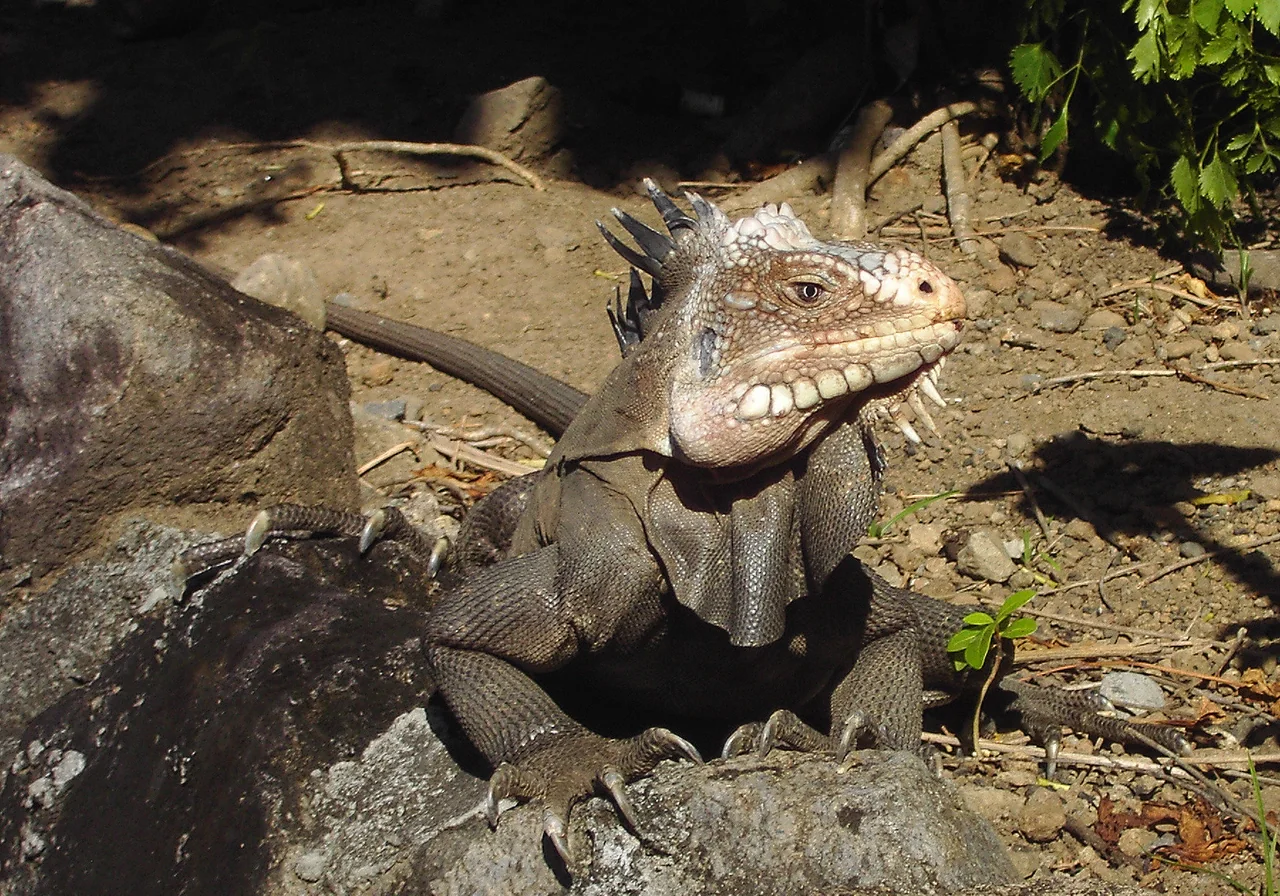
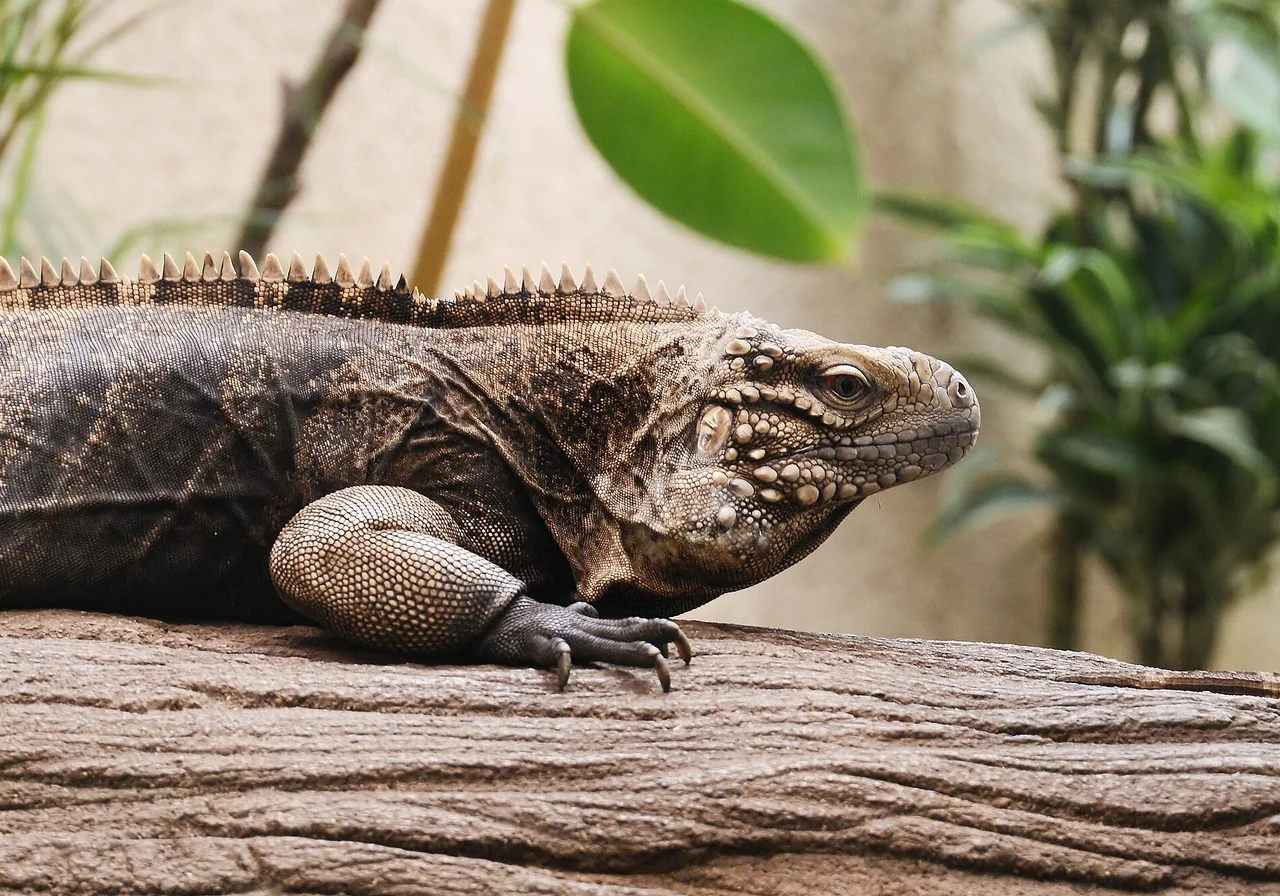
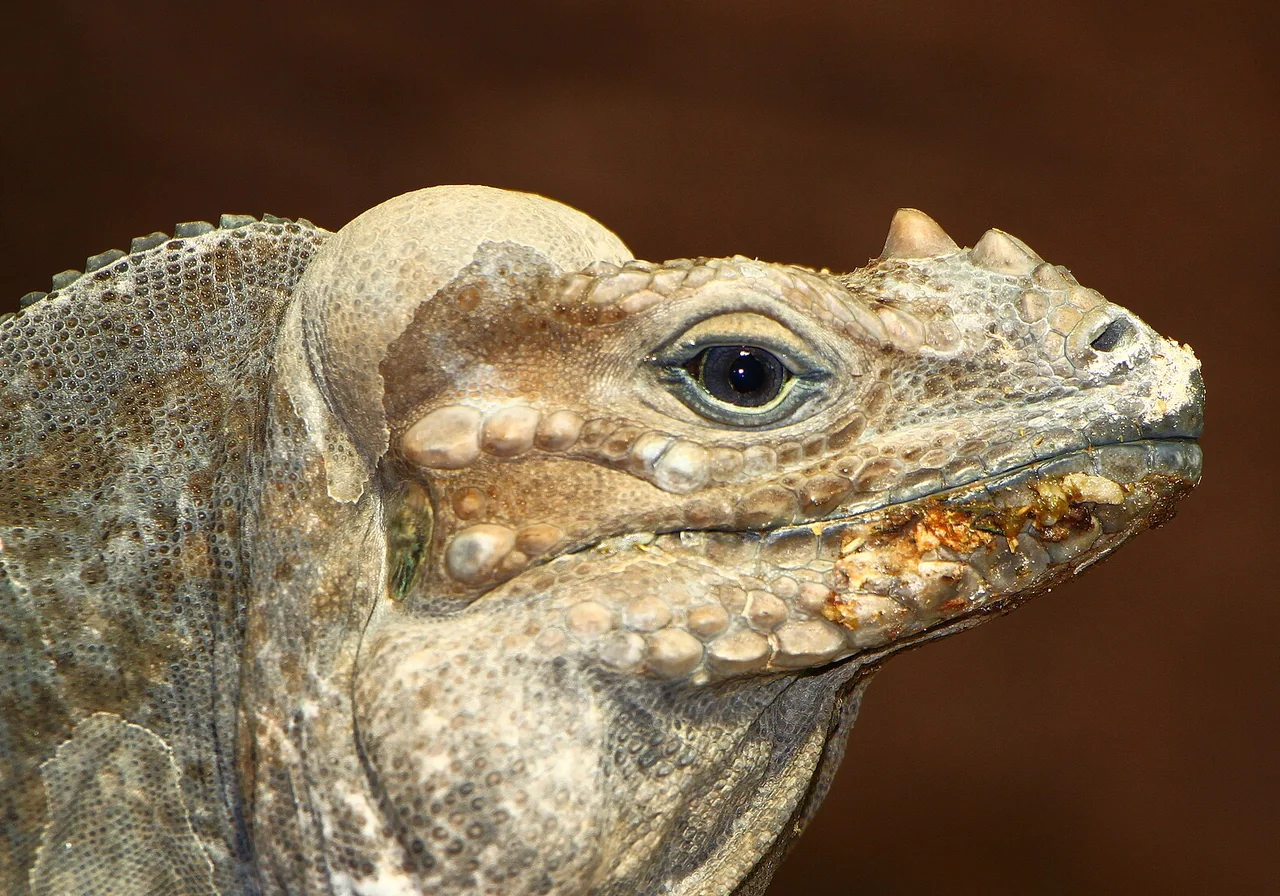
How does a Green Iguana compare with Lesser Antillean Iguana and Cuban Rock Iguana?
A Green Iguana is not interchangeable with Lesser Antillean Iguana and Cuban Rock Iguana. Compare origin, size, lifespan and temperament before you choose — those four lines prevent most regret.
| Iguana fact | Green Iguana | Lesser Antillean Iguana | Cuban Rock Iguana |
|---|---|---|---|
| Origin | Central & South America | Lesser Antilles (Caribbean) | Cuba & Bahamas |
| Size | Large (4–8 kg adult) | Large (3–5 kg) | Large (6–7 kg) |
| Lifespan | 15–20 years (green iguana in captivity); wild species vary | 15–20 years (green iguana in captivity); wild species vary | 15–20 years (green iguana in captivity); wild species vary |
| Temperament | Arboreal, herbivorous, defensive when mature | Arboreal, endangered, protected | Terrestrial, bold, protected |
What is the verdict on the Green Iguana?
Choose a Green Iguana only if the care, skip-if and health sections still look like your life after a week of thinking. Otherwise pick a different iguana or wait. Rescue is usually the better first door than a waiting-list puppy or kitten.
If the match is real, budget for 15–20 years (green iguana in captivity); wild species vary of vet care and do not skip health screening. If it is not, walking away is the kind choice — for you and for the animal.
Most iguanas are not beginner pets
Green iguanas grow to two metres and live twenty years — most owners are unprepared. Released pets become invasive. Consider adoption only if you can meet specialist reptile welfare standards.