Goose Breed · China
Chinese
Swan-necked lightweight goose — prolific layer and vigilant flock guard.
By WARN Research & Conservation TeamLast updated
In brief
The Chinese goose is a lightweight swan-necked breed prolific in egg production and vigilant flock guarding. Its defining trait is an upright elegant carriage combined with loud alarm calling that deters intruders on smallholdings.
What are the key facts about a Chinese?
The Chinese is a goose breed from China: light (4.5–5.5 kg), noisy, active, good forager. Swan-necked lightweight goose — prolific layer and vigilant flock guard.
| Origin | China |
|---|---|
| Size | Light (4.5–5.5 kg) |
| Typical weight | 4.5–5.5 kg (10–12 lb); lightweight goose |
| Lifespan | 15–25 years |
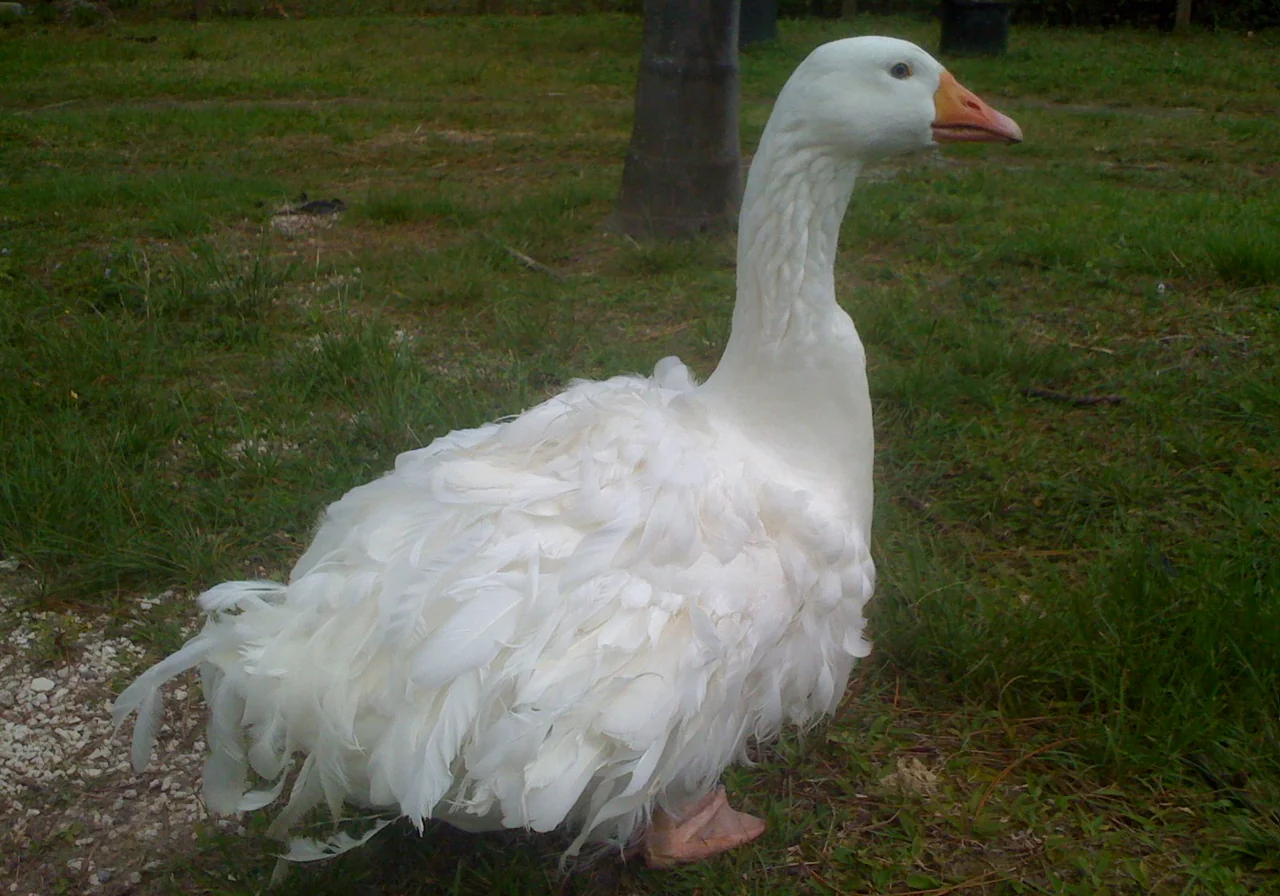
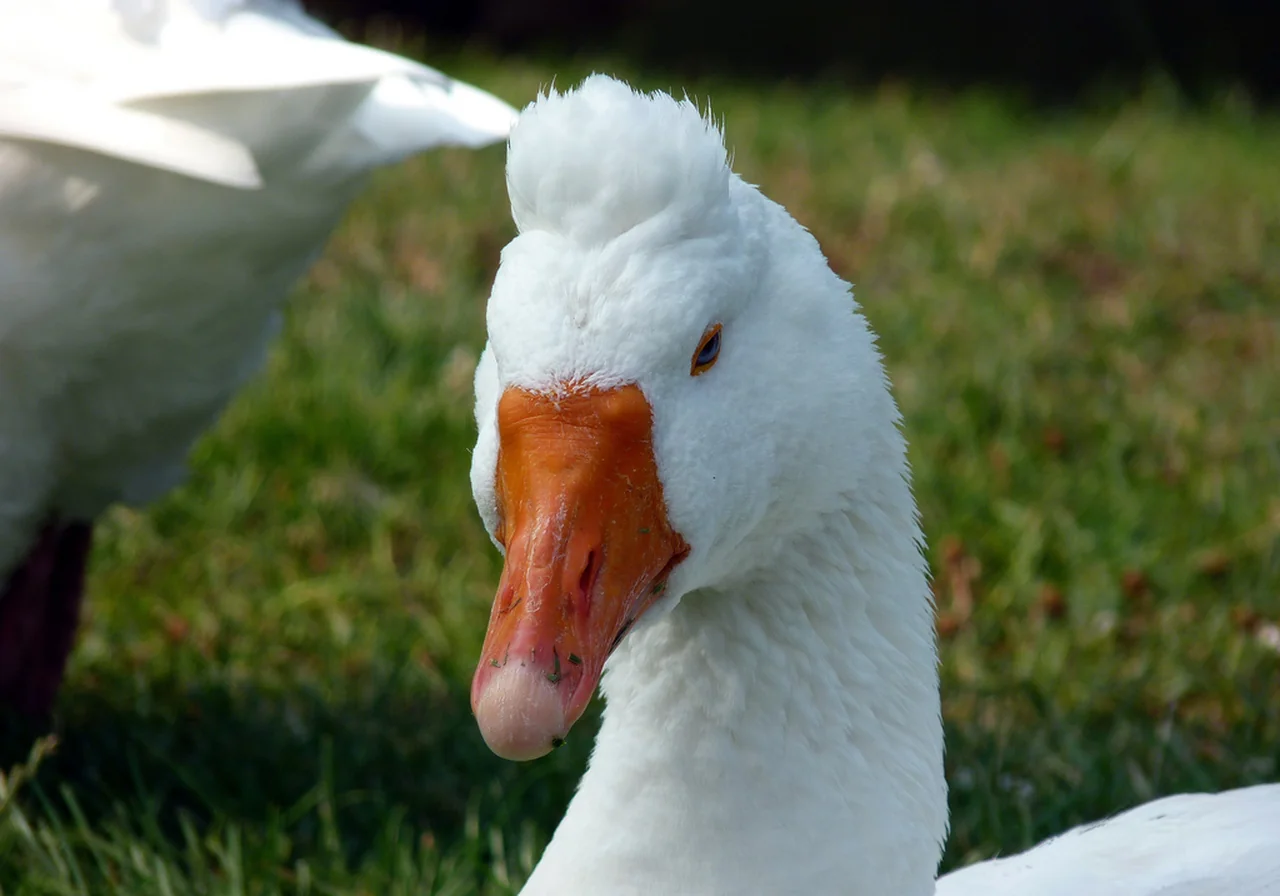
| Plumage | Smooth white or brown feathers with a long arched neck and knob at the base of the bill on purebred lines. Feathers repel water after preening in clean ponds. Knob frostbite can occur in harsh winters without shelter. |
| Temperament | Noisy, active, good forager |
| Best suited to | Ideal for pasture-based egg production and hobby farms wanting alert watchdog geese. Chinese geese graze actively and suit pairs or small flocks. They need secure night housing and tolerant neighbours regarding noise. |
Should you keep a Chinese?
Keep a Chinese only if you can meet livestock law, land, feed and veterinary care — not because the goose looks friendly online. This China type is light (4.5–5.5 kg) and noisy, active, good forager.
A Chinese is husbandry, not a house pet. Check local zoning, neighbour rules, and whether you can provide species-appropriate shelter, forage and handling. Swan-necked lightweight goose — prolific layer and vigilant flock guard.
Impulse “micro” livestock and Easter-gift birds are how gooses end up dumped. If you cannot commit for 15–25 years, do not start. Rescue and rehoming exist; buying a cheap animal you cannot keep is the problem this page is trying to prevent.
What is a Chinese?
Swan-necked lightweight goose — prolific layer and vigilant flock guard. Origin is China; coat or markings are described as Smooth white or brown feathers with a long arched neck and knob at the base of the bill on purebred lines. Feathers repel water after preening in clean ponds. Knob frostbite can occur in harsh winters without shelter..
Kennel and registry labels describe a type. Individual Chineses still vary, and rescue animals may be mixes.
Where does the Chinese come from?
Chineses come from China. Chinese geese descend from the wild swan goose of Asia and were refined in China for egg production over centuries.
They reached Europe and America through nineteenth-century trade. Breeders selected for prolific laying and upright posture. Chinese geese remain among the most popular lightweight breeds worldwide.
That origin still shows. A Chinese is light (4.5–5.5 kg) and noisy, active, good forager, typically living 15–25 years. Use the history as context for care and conservation, not as folklore to repeat without sources.
What husbandry does a Chinese need?
Chinese husbandry is land, feed, handling and veterinary access — for 15–25 years. This China type is light (4.5–5.5 kg) (4.5–5.5 kg (10–12 lb); lightweight goose) and noisy, active, good forager.
Shelter, clean water, species-appropriate forage and a plan for parasites and feet or hooves are the baseline. Coat notes (Smooth white or brown feathers with a long arched neck and knob at the base of the bill on purebred lines. Feathers repel water after preening in clean ponds. Knob frostbite can occur in harsh winters without shelter.) tell you about weather and grooming, not whether the animal can live in a garage.
Know what you will do with offspring, and do not keep a single highly social goose alone if the species is a flock or herd animal.
What surprises people about the Chinese?
A few details about the breed, alongside the practical care information in this guide.
- Chinese geese can lay 50–100 eggs yearly — exceptional for a goose.
- Swan goose ancestry explains the prominent bill knob on many lines.
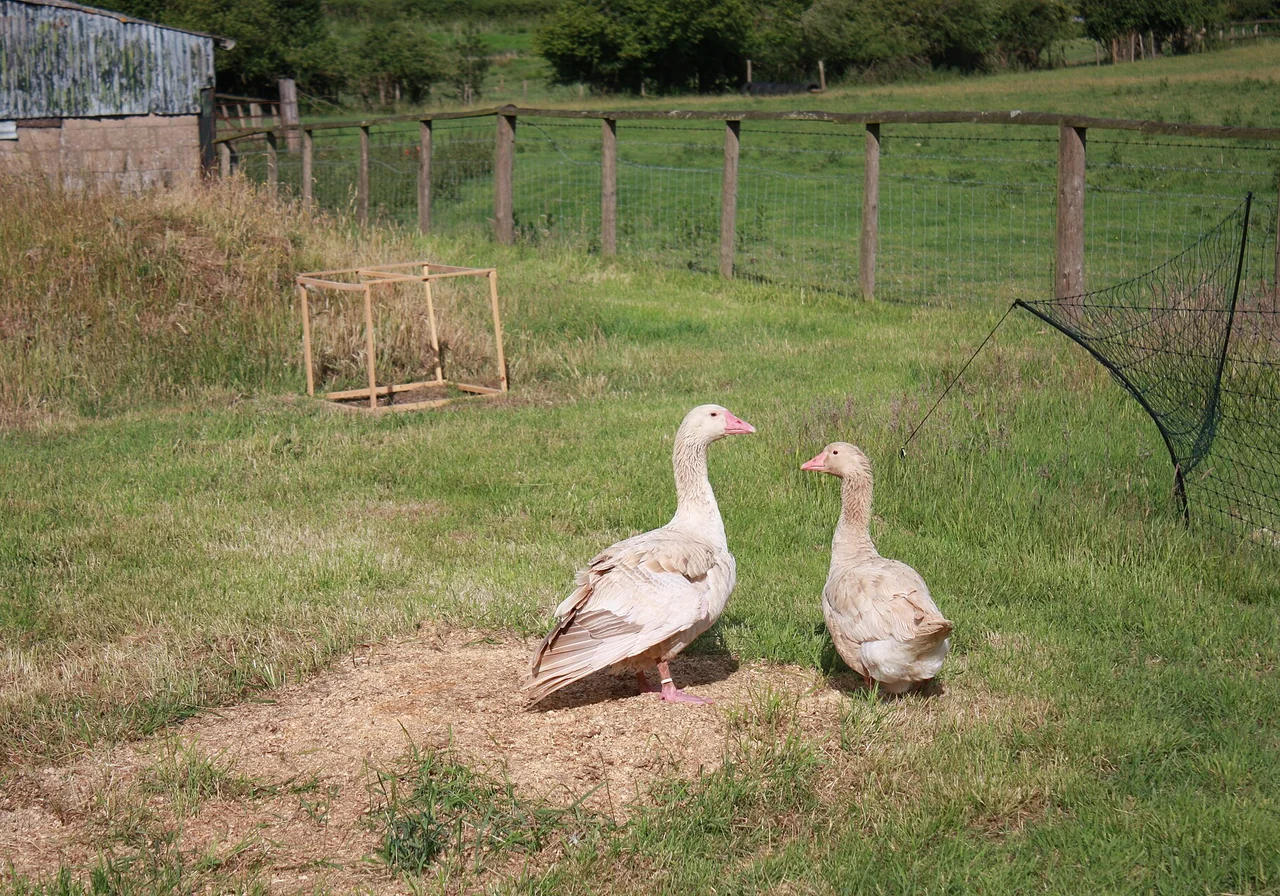
- White and brown varieties are recognised in breed standards.
- Geese pair-bond strongly and may grieve if a mate dies.
What health issues should you know about in a Chinese?
Health concerns to discuss with your vet, including changes to watch for and everyday care. This is general guidance, not veterinary advice — always speak to your vet.
Bumblefoot
Hard ground and overweight birds develop foot pad infections presenting as limping.
Care: Maintain soft pasture, healthy body weight and veterinary treatment for advanced cases.
Predator injuries if free-ranged unsafely
Foxes attack geese at night on open water and in unsecured paddocks.
Care: Secure fox-proof housing at dusk — geese cannot defend effectively against predators.
Obesity on rich feed
Supplemental grain without adequate grazing causes fatty liver and reduced fertility.
Care: Prioritise grass and limit energy-rich feeds outside winter.
Who should skip a Chinese?
Skip a Chinese if you are owners who wanted a low-exercise companion. This China goose is light (4.5–5.5 kg) and noisy, active, good forager — the mismatch is usually lifestyle, not a missing accessory.
This page is allowed to say no. Skip if you are owners who wanted a low-exercise companion. Skip if you are anyone without land, zoning permission, and a vet.
A different goose breed on this site may fit. Wanting “a Chinese” after a film or a colour photo is not a reason to ignore the skip list.
What are the hidden catches with a Chinese?
The hidden cost of a Chinese is usually not the purchase price. It is years of care, the health list on this page, and the mismatch between a noisy, active, good forager animal and a busy home.
The impulse-buy catch
A Chinese from China is often sold on looks. Coat, colour and size are not a temperament test. Meet the adult animal, ask about health screening, and walk away from pressure sales.
The bumblefoot catch
Hard ground and overweight birds develop foot pad infections presenting as limping. Maintain soft pasture, healthy body weight and veterinary treatment for advanced cases.
The predator injuries if free-ranged unsafely catch
Foxes attack geese at night on open water and in unsecured paddocks. Secure fox-proof housing at dusk — geese cannot defend effectively against predators.
How does a Chinese compare with Pilgrim and Sebastopol?
A Chinese is not interchangeable with Pilgrim and Sebastopol. Compare origin, size, lifespan and temperament before you choose — those four lines prevent most regret.
| Goose fact | Chinese | Pilgrim | Sebastopol |
|---|---|---|---|
| Origin | China | United States | Eastern Europe |
| Size | Light (4.5–5.5 kg) | Medium (5.5–7.3 kg) | Medium (4.5–6.8 kg) |
| Lifespan | 15–25 years | 15–25 years | 15–25 years |
| Temperament | Noisy, active, good forager | Calm, auto-sexing, docile | Gentle, ornamental, needs shelter |
What is the verdict on the Chinese?
Choose a Chinese only if the care, skip-if and health sections still look like your life after a week of thinking. Otherwise pick a different goose or wait. Rescue is usually the better first door than a waiting-list puppy or kitten.
If the match is real, budget for 15–25 years of vet care and do not skip health screening. If it is not, walking away is the kind choice — for you and for the animal.
Geese need space and respect
Geese are intelligent, long-lived birds that bond strongly with flockmates. Whether kept for eggs, grazing or companionship, they need secure water access and thoughtful handling — not impulse purchases.