Goose Breed · United States
Pilgrim
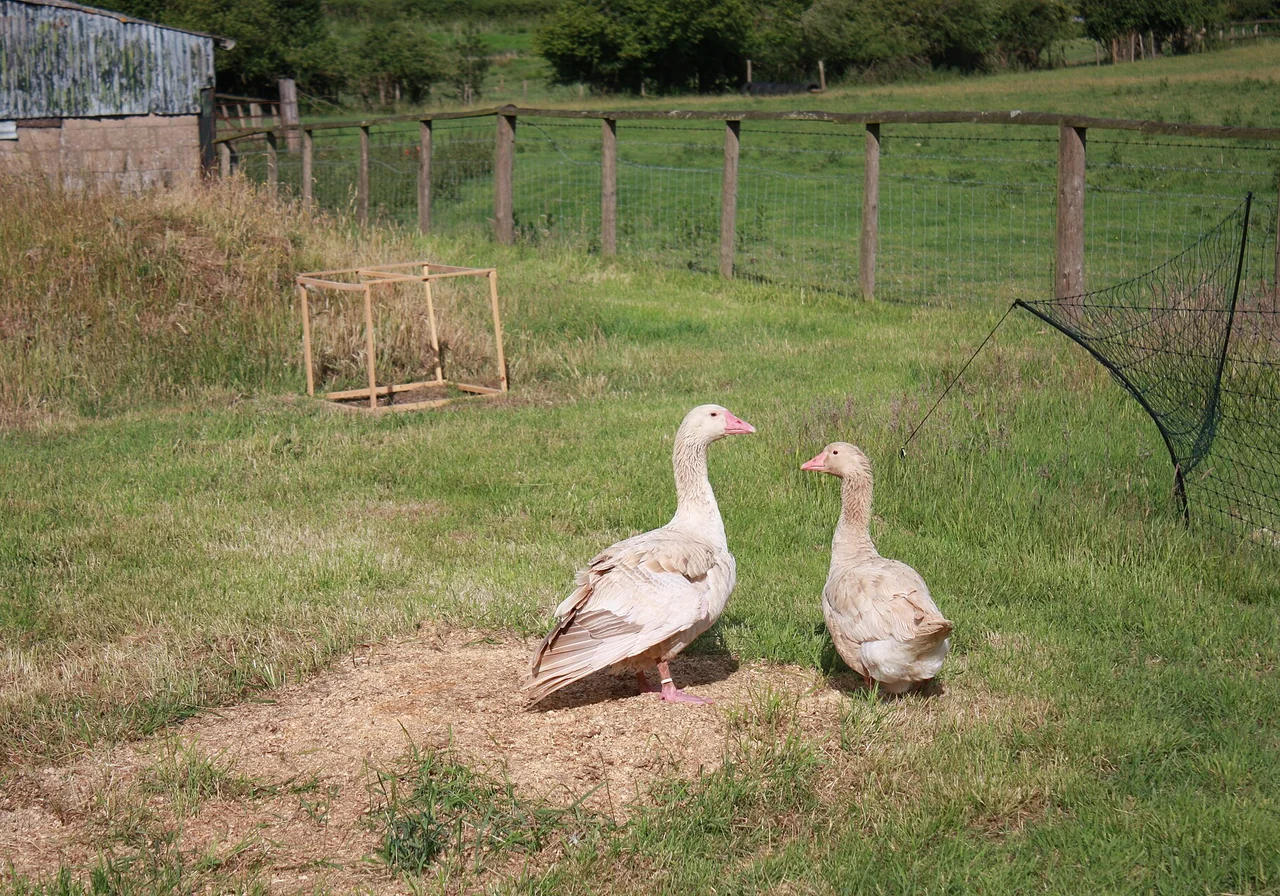
Auto-sexing grey and white goose — males pale, females grey as adults.
By WARN Research & Conservation TeamLast updated

In brief
The Pilgrim goose is an auto-sexing American breed — adult males are white, females grey. Its defining trait is calm temperament and colour-based sex identification prized by small-scale breeders.
What are the key facts about a Pilgrim?
The Pilgrim is a goose breed from United States: medium (5.5–7.3 kg), calm, auto-sexing, docile. Auto-sexing grey and white goose — males pale, females grey as adults.
| Origin | United States |
|---|---|
| Size | Medium (5.5–7.3 kg) |
| Typical weight | 5.5–7.3 kg (12–16 lb); medium goose |
| Lifespan | 15–25 years |
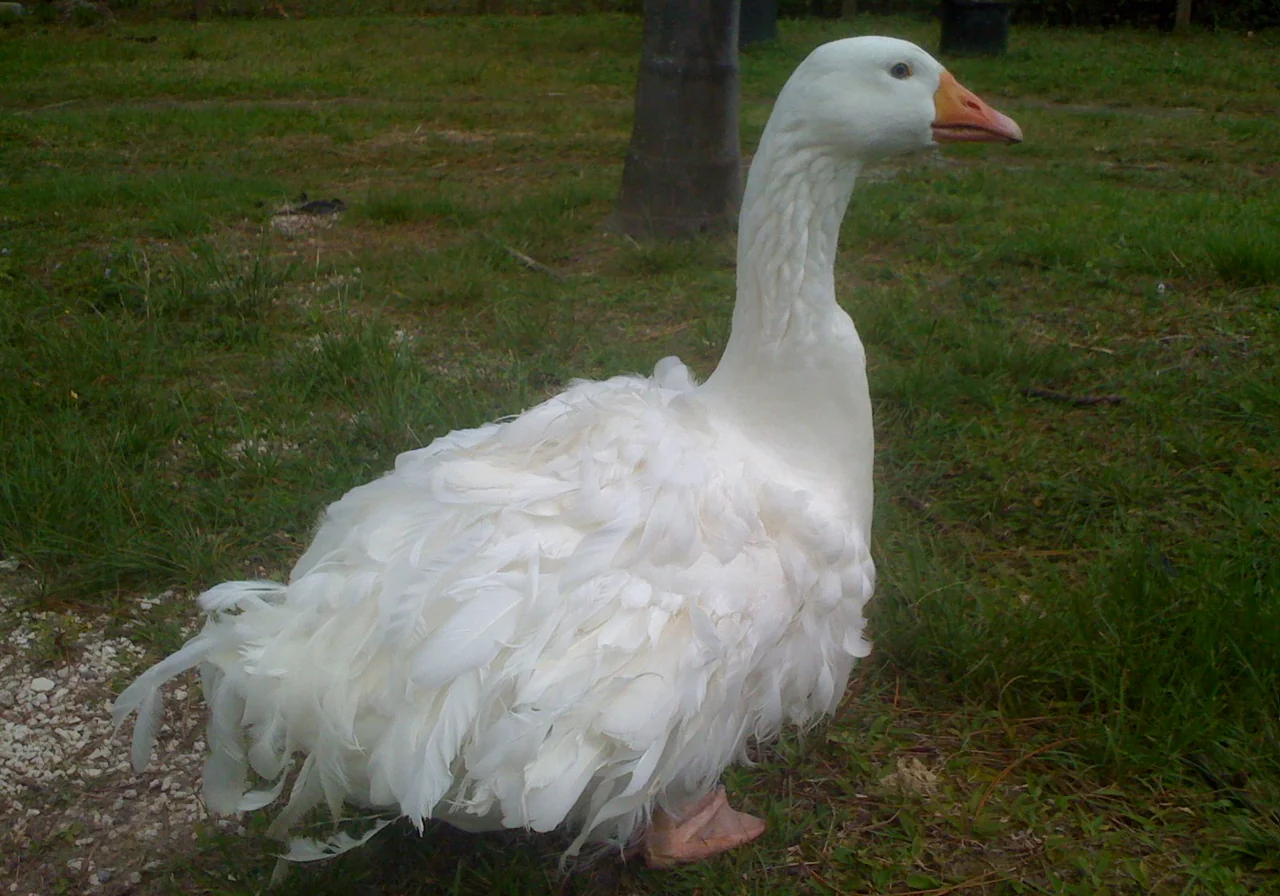
| Plumage | Males pure white; females soft grey with some white feathering increasing with age. Down is dense for cold tolerance. Feather quality reflects parasite control and nutrition during the annual moult. |
| Temperament | Calm, auto-sexing, docile |
| Best suited to | Excellent for beginners wanting quiet, docile geese with easy visual sexing. Pilgrims graze well on pasture and suit family smallholdings. Provide water for bathing and secure night shelter from foxes. |
Should you keep a Pilgrim?
Keep a Pilgrim only if you can meet livestock law, land, feed and veterinary care — not because the goose looks friendly online. This United States type is medium (5.5–7.3 kg) and calm, auto-sexing, docile.
A Pilgrim is husbandry, not a house pet. Check local zoning, neighbour rules, and whether you can provide species-appropriate shelter, forage and handling. Auto-sexing grey and white goose — males pale, females grey as adults.
Impulse “micro” livestock and Easter-gift birds are how gooses end up dumped. If you cannot commit for 15–25 years, do not start. Rescue and rehoming exist; buying a cheap animal you cannot keep is the problem this page is trying to prevent.
What is a Pilgrim?
Auto-sexing grey and white goose — males pale, females grey as adults. Origin is United States; coat or markings are described as Males pure white; females soft grey with some white feathering increasing with age. Down is dense for cold tolerance. Feather quality reflects parasite control and nutrition during the annual moult..
Kennel and registry labels describe a type. Individual Pilgrims still vary, and rescue animals may be mixes.
Where does the Pilgrim come from?
Pilgrims come from United States. Oscar Grow popularised Pilgrim geese in Iowa in the twentieth century, naming them after the Mayflower pilgrims.
Auto-sexing grey saddleback geese existed in Europe; Grow stabilised the American type. The APA recognised Pilgrims in 1939. The breed spread as a homestead favourite due to manageable size and temperament.
That origin still shows. A Pilgrim is medium (5.5–7.3 kg) and calm, auto-sexing, docile, typically living 15–25 years. Use the history as context for care and conservation, not as folklore to repeat without sources.
What husbandry does a Pilgrim need?
Pilgrim husbandry is land, feed, handling and veterinary access — for 15–25 years. This United States type is medium (5.5–7.3 kg) (5.5–7.3 kg (12–16 lb); medium goose) and calm, auto-sexing, docile.
Shelter, clean water, species-appropriate forage and a plan for parasites and feet or hooves are the baseline. Coat notes (Males pure white; females soft grey with some white feathering increasing with age. Down is dense for cold tolerance. Feather quality reflects parasite control and nutrition during the annual moult.) tell you about weather and grooming, not whether the animal can live in a garage.
Know what you will do with offspring, and do not keep a single highly social goose alone if the species is a flock or herd animal.
What surprises people about the Pilgrim?
A few details about the breed, alongside the practical care information in this guide.
- Day-old goslings can be sexed by colour in well-bred Pilgrim lines.
- Females grey up gradually while males stay white.
- Pilgrims were featured in Oscar Grow's influential 1963 book Starting with Geese.
- The breed is listed as threatened on conservation watchlists.
What health issues should you know about in a Pilgrim?
Health concerns to discuss with your vet, including changes to watch for and everyday care. This is general guidance, not veterinary advice — always speak to your vet.
Bumblefoot
Medium-weight geese on muddy winter paddocks develop foot pad abscesses.
Care: Rotate grazing, provide dry straw in shelters and treat infections early.
Obesity
Hand-feeding bread or corn without grazing leads to excessive weight gain.
Care: Offer grass-first management and measure supplementary grain.
Predator injuries if free-ranged unsafely
Docile Pilgrims are vulnerable to fox predation when not locked away at night.
Care: Use electric fencing or secure goose houses before dusk daily.
Who should skip a Pilgrim?
Skip a Pilgrim if you are anyone without land, zoning permission, and a vet. This United States goose is medium (5.5–7.3 kg) and calm, auto-sexing, docile — the mismatch is usually lifestyle, not a missing accessory.
This page is allowed to say no. Skip if you are anyone without land, zoning permission, and a vet.
A different goose breed on this site may fit. Wanting “a Pilgrim” after a film or a colour photo is not a reason to ignore the skip list.
What are the hidden catches with a Pilgrim?
The hidden cost of a Pilgrim is usually not the purchase price. It is years of care, the health list on this page, and the mismatch between a calm, auto-sexing, docile animal and a busy home.
The impulse-buy catch
A Pilgrim from United States is often sold on looks. Coat, colour and size are not a temperament test. Meet the adult animal, ask about health screening, and walk away from pressure sales.
The bumblefoot catch
Medium-weight geese on muddy winter paddocks develop foot pad abscesses. Rotate grazing, provide dry straw in shelters and treat infections early.
The obesity catch
Hand-feeding bread or corn without grazing leads to excessive weight gain. Offer grass-first management and measure supplementary grain.
How does a Pilgrim compare with Sebastopol and Roman Tufted?
A Pilgrim is not interchangeable with Sebastopol and Roman Tufted. Compare origin, size, lifespan and temperament before you choose — those four lines prevent most regret.
| Goose fact | Pilgrim | Sebastopol | Roman Tufted |
|---|---|---|---|
| Origin | United States | Eastern Europe | Italy |
| Size | Medium (5.5–7.3 kg) | Medium (4.5–6.8 kg) | Light (4–5.5 kg) |
| Lifespan | 15–25 years | 15–25 years | 15–25 years |
| Temperament | Calm, auto-sexing, docile | Gentle, ornamental, needs shelter | Active, compact, ornamental |
What is the verdict on the Pilgrim?
Choose a Pilgrim only if the care, skip-if and health sections still look like your life after a week of thinking. Otherwise pick a different goose or wait. Rescue is usually the better first door than a waiting-list puppy or kitten.
If the match is real, budget for 15–25 years of vet care and do not skip health screening. If it is not, walking away is the kind choice — for you and for the animal.
Geese need space and respect
Geese are intelligent, long-lived birds that bond strongly with flockmates. Whether kept for eggs, grazing or companionship, they need secure water access and thoughtful handling — not impulse purchases.