Goat Breed · West Africa (Cameroon valley region)
Pygmy
A small, stocky, cobby goat kept mainly as a hardy, good-natured pet.
By WARN Research & Conservation TeamLast updated
In brief
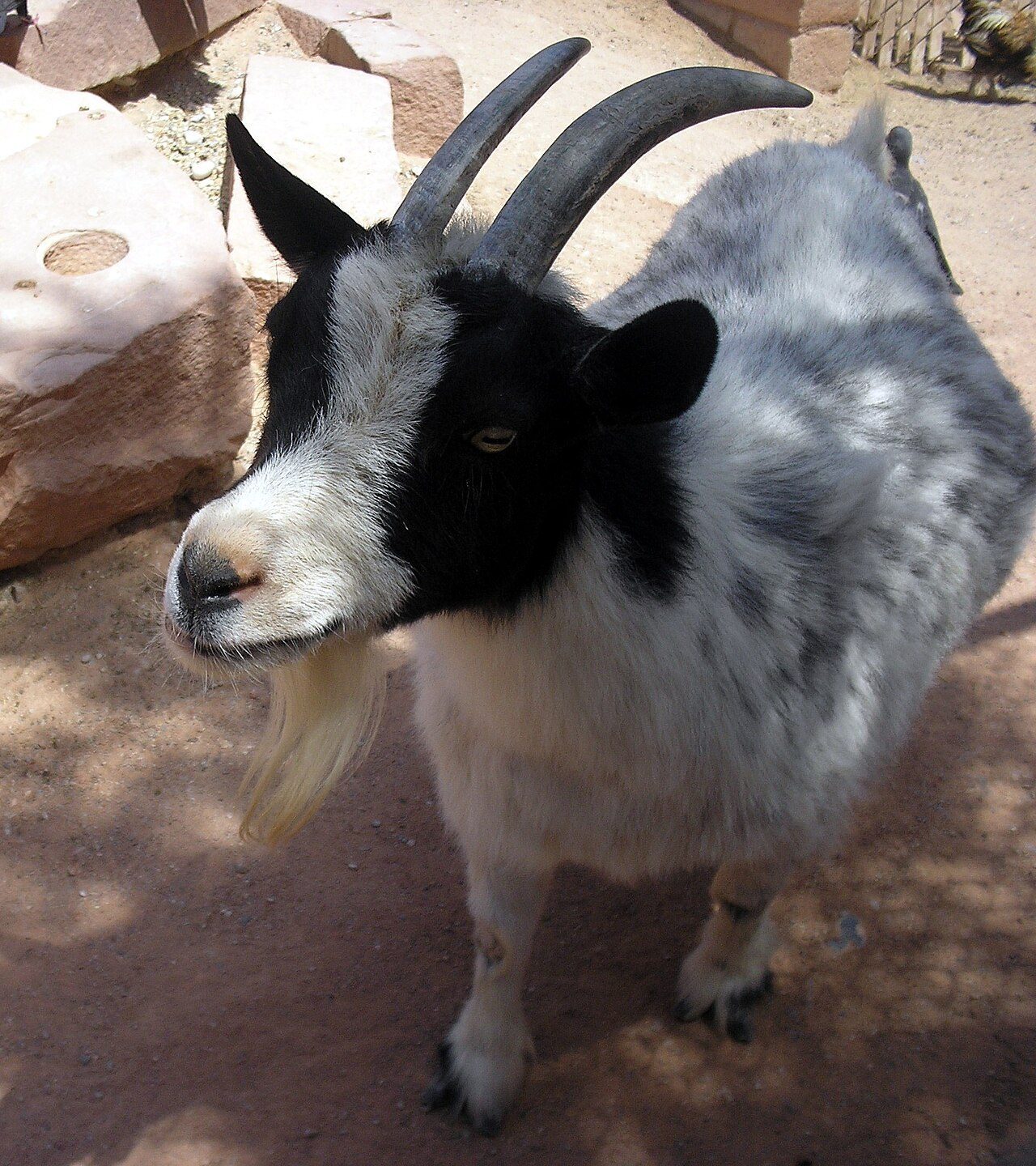
The Pygmy goat is a small, stocky, cobby goat originating from West Africa and kept worldwide mainly as a hardy, good-natured pet. Unlike the dairy-shaped Nigerian Dwarf, it has a compact, muscular build and is not a heavy milker.
What are the key facts about a Pygmy?
The Pygmy is a goat breed from West Africa (Cameroon valley region): small (20–39 kg; ~40–58 cm tall), hardy, friendly, playful. A small, stocky, cobby goat kept mainly as a hardy, good-natured pet.
| Origin | West Africa (Cameroon valley region) |
|---|---|
| Size | Small (20–39 kg; ~40–58 cm tall) |
| Typical weight | 20–39 kg; ~40–58 cm tall |
| Lifespan | 10–15 years |
| Coat & colour | Full, straight coat in agouti and other colours; cobby body |
| Temperament | Hardy, friendly, playful |
| Kept for / suits | Pets and companions (always in pairs); not serious dairy |
Should you keep a Pygmy?
Keep a Pygmy only if you can meet livestock law, land, feed and veterinary care — not because the goat looks friendly online. This West Africa (Cameroon valley region) type is small (20–39 kg; ~40–58 cm tall) and hardy, friendly, playful.
A Pygmy is husbandry, not a house pet. Check local zoning, neighbour rules, and whether you can provide species-appropriate shelter, forage and handling. A small, stocky, cobby goat kept mainly as a hardy, good-natured pet.
Impulse “micro” livestock and Easter-gift birds are how goats end up dumped. If you cannot commit for 10–15 years, do not start. Rescue and rehoming exist; buying a cheap animal you cannot keep is the problem this page is trying to prevent.
What is a Pygmy?
A small, stocky, cobby goat kept mainly as a hardy, good-natured pet. Origin is West Africa (Cameroon valley region); coat or markings are described as Full, straight coat in agouti and other colours; cobby body.
Kennel and registry labels describe a type. Individual Pygmys still vary, and rescue animals may be mixes.
Where does the Pygmy come from?
Pygmys come from West Africa (Cameroon valley region). Pygmy goats originate from the Cameroon valley region of West Africa and were first imported to zoos in Europe and North America before becoming popular private pets.
Hardy, adaptable and good-natured, they are kept primarily as companion animals rather than for serious milk or meat production.
That origin still shows. A Pygmy is small (20–39 kg; ~40–58 cm tall) and hardy, friendly, playful, typically living 10–15 years. Use the history as context for care and conservation, not as folklore to repeat without sources.
What husbandry does a Pygmy need?
Pygmy husbandry is land, feed, handling and veterinary access — for 10–15 years. This West Africa (Cameroon valley region) type is small (20–39 kg; ~40–58 cm tall) (20–39 kg; ~40–58 cm tall) and hardy, friendly, playful.
Shelter, clean water, species-appropriate forage and a plan for parasites and feet or hooves are the baseline. Coat notes (Full, straight coat in agouti and other colours; cobby body) tell you about weather and grooming, not whether the animal can live in a garage.
Know what you will do with offspring, and do not keep a single highly social goat alone if the species is a flock or herd animal.
What surprises people about the Pygmy?
A few details about the breed, alongside the practical care information in this guide.
- Pygmy goats are kept mainly as pets, not for milk or meat.
- They have a compact, muscular 'cobby' build.
- They differ from Nigerian Dwarfs by conformation, not just size.
- Like all goats, they are herd animals and need a companion.
What health issues should you know about in a Pygmy?
Health concerns to discuss with your vet, including changes to watch for and everyday care. This is general guidance, not veterinary advice — always speak to your vet.
Obesity
Excess weight strains joints and organs and shortens lifespan.
Care: Measure meals, limit treats, and maintain daily exercise appropriate for the breed.
Urinary calculi
Mineral stones block the urinary tract of male goats (especially wethers) fed grain-heavy diets, causing straining, pain and life-threatening blockage.
Care: Feed a correct calcium-to-phosphorus ratio, ensure constant fresh water and seek emergency veterinary care if a male cannot urinate.
Hoof overgrowth
Without natural wear, goats' hooves overgrow and fold, trapping debris and causing lameness and footrot.
Care: Trim hooves every six to eight weeks and provide firm, varied terrain to slow regrowth.
Who should skip a Pygmy?
Skip a Pygmy if you are anyone without land, zoning permission, and a vet. This West Africa (Cameroon valley region) goat is small (20–39 kg; ~40–58 cm tall) and hardy, friendly, playful — the mismatch is usually lifestyle, not a missing accessory.
This page is allowed to say no. Skip if you are anyone without land, zoning permission, and a vet.
A different goat breed on this site may fit. Wanting “a Pygmy” after a film or a colour photo is not a reason to ignore the skip list.
What are the hidden catches with a Pygmy?
The hidden cost of a Pygmy is usually not the purchase price. It is years of care, the health list on this page, and the mismatch between a hardy, friendly, playful animal and a busy home.
The impulse-buy catch
A Pygmy from West Africa (Cameroon valley region) is often sold on looks. Coat, colour and size are not a temperament test. Meet the adult animal, ask about health screening, and walk away from pressure sales.
The obesity catch
Excess weight strains joints and organs and shortens lifespan. Measure meals, limit treats, and maintain daily exercise appropriate for the breed.
The urinary calculi catch
Mineral stones block the urinary tract of male goats (especially wethers) fed grain-heavy diets, causing straining, pain and life-threatening blockage. Feed a correct calcium-to-phosphorus ratio, ensure constant fresh water and seek emergency veterinary care if a male cannot urinate.
How does a Pygmy compare with LaMancha and Angora?
A Pygmy is not interchangeable with LaMancha and Angora. Compare origin, size, lifespan and temperament before you choose — those four lines prevent most regret.
| Goat fact | Pygmy | LaMancha | Angora |
|---|---|---|---|
| Origin | West Africa (Cameroon valley region) | United States (Oregon) | Turkey (Ankara region) |
| Size | Small (20–39 kg; ~40–58 cm tall) | Medium (does 59+ kg; bucks 70+ kg) | Small–medium (does 30–50 kg; bucks 50–80 kg) |
| Lifespan | 10–15 years | 15–18 years | 10–12+ years |
| Temperament | Hardy, friendly, playful | Calm, sweet, people-oriented | Gentle, timid, calm |
What is the verdict on the Pygmy?
Choose a Pygmy only if the care, skip-if and health sections still look like your life after a week of thinking. Otherwise pick a different goat or wait. Rescue is usually the better first door than a waiting-list puppy or kitten.
If the match is real, budget for 10–15 years of vet care and do not skip health screening. If it is not, walking away is the kind choice — for you and for the animal.
Goats are herd animals, not lawn ornaments
Goats are intelligent, social browsers that suffer when tethered alone on short ropes. Whatever the breed, they need at least one companion, secure fencing, browse and hay, hoof care and shelter. WARN's working-animal programmes support rural veterinary access where goats and equines share the same routes.