Goat Breed · South Africa
Boer
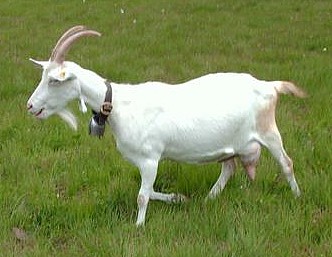
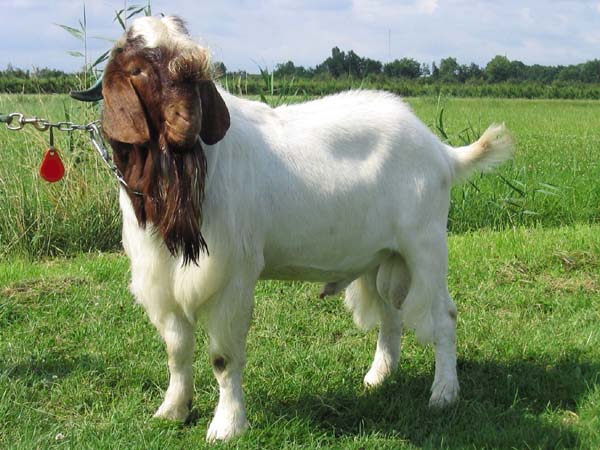
A muscular white-bodied, red-headed goat — the world's leading meat breed.
By WARN Research & Conservation TeamLast updated
In brief
The Boer is a large South African meat goat with a white body, red head and pendulous ears, bred for fast growth, heavy muscling and hardiness. It is the world's leading meat-goat breed and is docile, fertile and highly adaptable.
What are the key facts about a Boer?
The Boer is a goat breed from South Africa: large (does 90–100 kg; bucks 110–135 kg), docile, hardy, fast-growing. A muscular white-bodied, red-headed goat — the world's leading meat breed.
| Origin | South Africa |
|---|---|
| Size | Large (does 90–100 kg; bucks 110–135 kg) |
| Typical weight | Does 90–100 kg; bucks 110–135 kg |
| Lifespan | 12–20 years |
| Coat & colour | Short white coat with a red-brown head and neck; pendulous ears |
| Temperament | Docile, hardy, fast-growing |
| Kept for / suits | Meat production, crossbreeding, brush and scrub clearing |
Should you keep a Boer?
Keep a Boer only if you can meet livestock law, land, feed and veterinary care — not because the goat looks friendly online. This South Africa type is large (does 90–100 kg; bucks 110–135 kg) and docile, hardy, fast-growing.
A Boer is husbandry, not a house pet. Check local zoning, neighbour rules, and whether you can provide species-appropriate shelter, forage and handling. A muscular white-bodied, red-headed goat — the world's leading meat breed.
Impulse “micro” livestock and Easter-gift birds are how goats end up dumped. If you cannot commit for 12–20 years, do not start. Rescue and rehoming exist; buying a cheap animal you cannot keep is the problem this page is trying to prevent.
What is a Boer?
A muscular white-bodied, red-headed goat — the world's leading meat breed. Origin is South Africa; coat or markings are described as Short white coat with a red-brown head and neck; pendulous ears.
Kennel and registry labels describe a type. Individual Boers still vary, and rescue animals may be mixes.
Where does the Boer come from?
Boers come from South Africa. The Boer was developed in the early 20th century in South Africa from indigenous goats kept by Khoikhoi and Bantu peoples, with some European and Indian influence.
Its name comes from the Afrikaans 'boer' (farmer). Selected for meat conformation, fertility and rapid growth, it has become the global standard meat goat and a popular improver in crossbreeding.
That origin still shows. A Boer is large (does 90–100 kg; bucks 110–135 kg) and docile, hardy, fast-growing, typically living 12–20 years. Use the history as context for care and conservation, not as folklore to repeat without sources.
What husbandry does a Boer need?
Boer husbandry is land, feed, handling and veterinary access — for 12–20 years. This South Africa type is large (does 90–100 kg; bucks 110–135 kg) (Does 90–100 kg; bucks 110–135 kg) and docile, hardy, fast-growing.
Shelter, clean water, species-appropriate forage and a plan for parasites and feet or hooves are the baseline. Coat notes (Short white coat with a red-brown head and neck; pendulous ears) tell you about weather and grooming, not whether the animal can live in a garage.
Know what you will do with offspring, and do not keep a single highly social goat alone if the species is a flock or herd animal.
What surprises people about the Boer?
A few details about the breed, alongside the practical care information in this guide.
- 'Boer' is Afrikaans for 'farmer'.
- It is the most widely used meat-goat breed in the world.
- Boer does are highly fertile and can breed out of season.
- Twins and triplets are common in well-managed herds.
What health issues should you know about in a Boer?
Health concerns to discuss with your vet, including changes to watch for and everyday care. This is general guidance, not veterinary advice — always speak to your vet.
Parasitic gastroenteritis (barber's pole worm)
Gut worms — especially Haemonchus contortus, the 'barber's pole worm' — cause anaemia, bottle jaw, weight loss and death, particularly in warm, wet climates.
Care: Use faecal egg counts and targeted, rotational worming rather than blanket dosing; pasture management and the FAMACHA anaemia check help control resistance.
Footrot
A contagious bacterial infection of the hoof, common in wet conditions, causing painful lameness, smelly discharge and separation of the horn.
Care: Keep footing dry, trim and inspect hooves regularly, isolate affected animals and treat promptly with veterinary guidance.
Coccidiosis (kids)
An intestinal protozoan parasite that causes diarrhoea, poor growth and sometimes death in young kids, especially when housing is crowded or dirty.
Care: Keep pens clean and dry, avoid overcrowding, and seek veterinary treatment and coccidiostats when kids scour.
Who should skip a Boer?
Skip a Boer if you are anyone without land, zoning permission, and a vet. This South Africa goat is large (does 90–100 kg; bucks 110–135 kg) and docile, hardy, fast-growing — the mismatch is usually lifestyle, not a missing accessory.
This page is allowed to say no. Skip if you are anyone without land, zoning permission, and a vet.
A different goat breed on this site may fit. Wanting “a Boer” after a film or a colour photo is not a reason to ignore the skip list.
What are the hidden catches with a Boer?
The hidden cost of a Boer is usually not the purchase price. It is years of care, the health list on this page, and the mismatch between a docile, hardy, fast-growing animal and a busy home.
The impulse-buy catch
A Boer from South Africa is often sold on looks. Coat, colour and size are not a temperament test. Meet the adult animal, ask about health screening, and walk away from pressure sales.
The parasitic gastroenteritis (barber's pole worm) catch
Gut worms — especially Haemonchus contortus, the 'barber's pole worm' — cause anaemia, bottle jaw, weight loss and death, particularly in warm, wet climates. Use faecal egg counts and targeted, rotational worming rather than blanket dosing; pasture management and the FAMACHA anaemia check help control resistance.
The footrot catch
A contagious bacterial infection of the hoof, common in wet conditions, causing painful lameness, smelly discharge and separation of the horn. Keep footing dry, trim and inspect hooves regularly, isolate affected animals and treat promptly with veterinary guidance.
How does a Boer compare with Saanen and Alpine (French Alpine)?
A Boer is not interchangeable with Saanen and Alpine (French Alpine). Compare origin, size, lifespan and temperament before you choose — those four lines prevent most regret.
| Goat fact | Boer | Saanen | Alpine (French Alpine) |
|---|---|---|---|
| Origin | South Africa | Switzerland (Saanen valley) | French Alps |
| Size | Large (does 90–100 kg; bucks 110–135 kg) | Large (does 60–70 kg; bucks 80–100 kg) | Large (does ~61 kg; bucks ~77 kg) |
| Lifespan | 12–20 years | 15–18 years | 15–18 years |
| Temperament | Docile, hardy, fast-growing | Calm, gentle, steady | Curious, hardy, friendly |
What is the verdict on the Boer?
Choose a Boer only if the care, skip-if and health sections still look like your life after a week of thinking. Otherwise pick a different goat or wait. Rescue is usually the better first door than a waiting-list puppy or kitten.
If the match is real, budget for 12–20 years of vet care and do not skip health screening. If it is not, walking away is the kind choice — for you and for the animal.
Goats are herd animals, not lawn ornaments
Goats are intelligent, social browsers that suffer when tethered alone on short ropes. Whatever the breed, they need at least one companion, secure fencing, browse and hay, hoof care and shelter. WARN's working-animal programmes support rural veterinary access where goats and equines share the same routes.