Ferret Breed · Domestic (colour type)
Chocolate
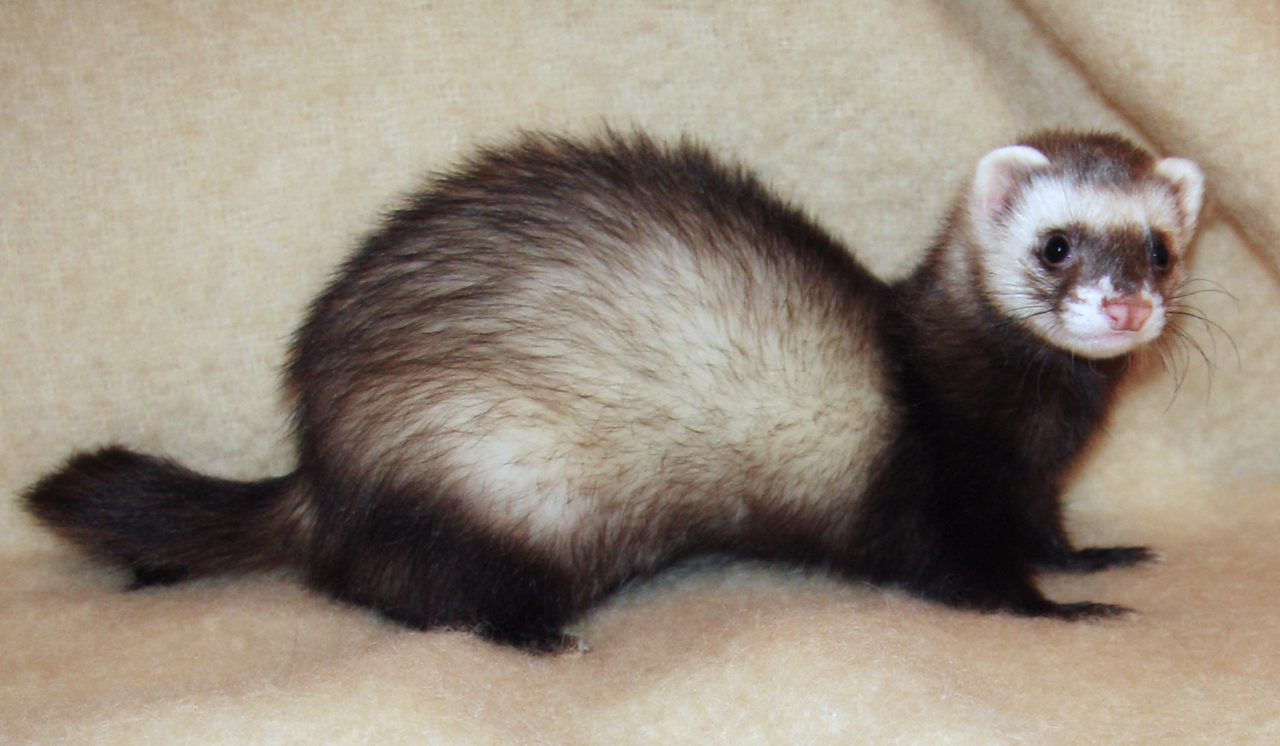
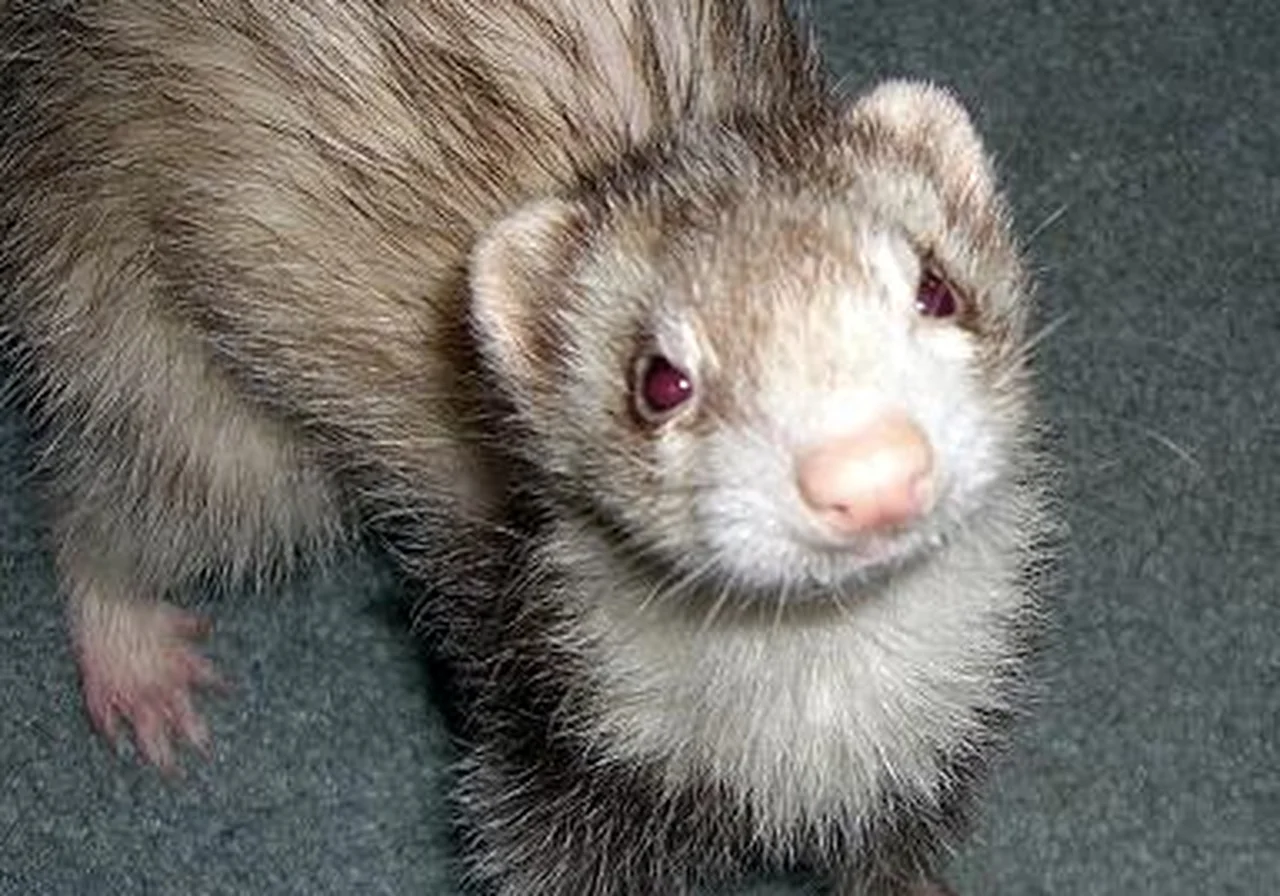
Rich milk-chocolate coat with warm brown tones and a soft, plush look.
By WARN Research & Conservation TeamLast updated
In brief
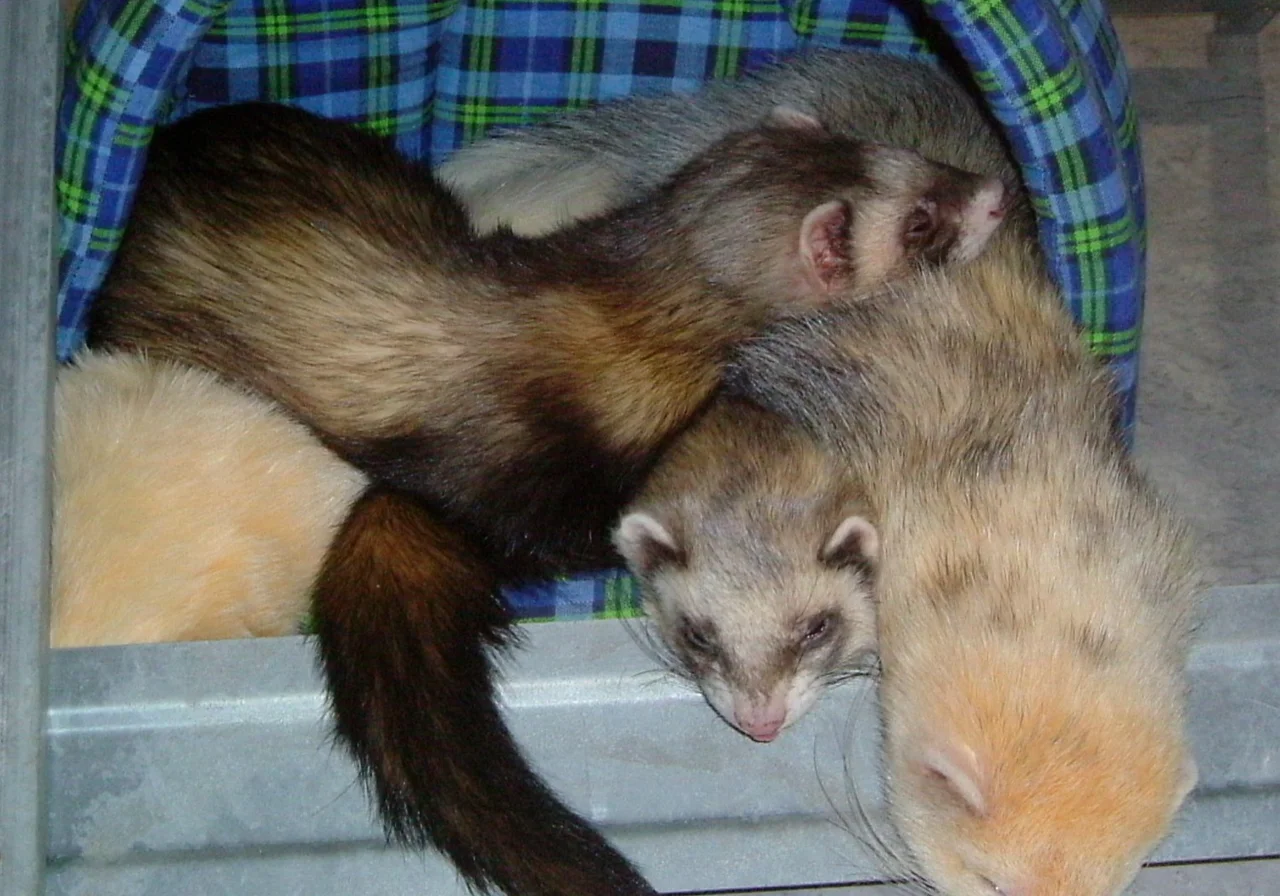
The Chocolate ferret is a domestic colour type with rich milk-chocolate guard hairs and warm brown tones throughout the coat. Its defining trait is a soft, plush appearance combined with a gentle, people-oriented temperament prized by companion owners.
What are the key facts about a Chocolate?
The Chocolate is a ferret breed from Domestic (colour type): small (0.7–2 kg), gentle, playful, people-oriented. Rich milk-chocolate coat with warm brown tones and a soft, plush look.
| Origin | Domestic (colour type) |
|---|---|
| Size | Small (0.7–2 kg) |
| Adult weight | 0.7–2 kg (1.5–4.4 lb); hobs at the upper end when intact |
| Lifespan | 5–10 years |
| Coat & colour | Short dense fur in warm chocolate brown with a slightly lighter undercoat and matching nose leather. The coat feels plush and photographs with deep tone in natural light. Minimal grooming beyond moulting brushes keeps the colour rich. |
| Temperament | Gentle, playful, people-oriented |
| Best suited to | Suits families and individuals wanting an affectionate ferret that tolerates handling when socialised early. Chocolate ferrets often seek human company and do well with neutered companions. Monitor weight, as their gentle nature can pair with lower activity if enrichment is lacking. |
Is a Chocolate a good ferret for you?
A Chocolate is a good ferret when your home matches suits families and individuals wanting an affectionate ferret that tolerates handling when socialised early. chocolate ferrets often seek human company and do well with neutered companions. monitor weight, as their gentle nature can pair with lower activity if enrichment is lacking.. It is a gentle, playful, people-oriented small (0.7–2 kg) breed from Domestic (colour type).
Rich milk-chocolate coat with warm brown tones and a soft, plush look. That one-line pitch is not a care plan. Factor grooming (Short dense fur in warm chocolate brown with a slightly lighter undercoat and matching nose leather. The coat feels plush and photographs with deep tone in natural light. Minimal grooming beyond moulting brushes keeps the colour rich.), typical adult size (0.7–2 kg (1.5–4.4 lb); hobs at the upper end when intact), and the health issues listed below before you pay a deposit.
Meet adults of the breed, not only puppies or kittens, and prefer rescue or health-screened homes. A Chocolate that looks right in a photo can still be the wrong animal for a small flat, a full-time office job, or a household that wanted a low-energy companion.
What is a Chocolate?
Rich milk-chocolate coat with warm brown tones and a soft, plush look. Origin is Domestic (colour type); coat or markings are described as Short dense fur in warm chocolate brown with a slightly lighter undercoat and matching nose leather. The coat feels plush and photographs with deep tone in natural light. Minimal grooming beyond moulting brushes keeps the colour rich..
Kennel and registry labels describe a type. Individual Chocolates still vary, and rescue animals may be mixes.
Where does the Chocolate come from?
Chocolates come from Domestic (colour type). Chocolate ferrets were developed from cinnamon and sable dilutions in dedicated colour breeding programmes in North America during the 1990s.
Breeders selected for even brown tone without the reddish cast of cinnamon. The variety gained registry recognition alongside other dilute colours. Chocolate remains a favourite among owners who prefer warm brown tones over grey sables.
That origin still shows. A Chocolate is small (0.7–2 kg) and gentle, playful, people-oriented, typically living 5–10 years. Use the history as context for care and conservation, not as folklore to repeat without sources.
How much care does a Chocolate need?
Plan 5–10 years of food, vet care, grooming and time. A Chocolate is small (0.7–2 kg) (0.7–2 kg (1.5–4.4 lb); hobs at the upper end when intact) from Domestic (colour type), with coat care described as short dense fur in warm chocolate brown with a slightly lighter undercoat and matching nose leather. the coat feels plush and photographs with deep tone in natural light. minimal grooming beyond moulting brushes keeps the colour rich..
Match daily exercise to the gentle, playful, people-oriented temperament rather than to Instagram.
Grooming follows the coat, not a generic clip: Short dense fur in warm chocolate brown with a slightly lighter undercoat and matching nose leather. The coat feels plush and photographs with deep tone in natural light. Minimal grooming beyond moulting brushes keeps the colour rich.. Keep the animal lean; extra weight is a joint and heart tax, especially in a small ferret.
Budget for unexpected vet bills. The health section below is why “cheap to buy” is not the same as cheap to keep.
What surprises people about the Chocolate?
A few details about the breed, alongside the practical care information in this guide.
- Chocolate ferrets are sometimes confused with cinnamon, but chocolate lacks red undertones.
- Nose colour often matches the coat, ranging from pink to light brown.
- Kits may appear almost grey before adult chocolate guard hairs develop.
- The colour pairs attractively with white bibs or mitts in some lines.
What health issues should you know about in a Chocolate?
Health concerns to discuss with your vet, including changes to watch for and everyday care. This is general guidance, not veterinary advice — always speak to your vet.
Adrenal disease
Progressive adrenal enlargement causes hair loss, itching and behavioural shifts in middle-aged ferrets.
Care: Deslorelin implants can manage signs for months; discuss long-term plans with your exotics veterinarian.
Insulinoma
Functional pancreatic tumours produce excess insulin, leading to hypoglycaemic episodes.
Care: Never fast ferrets for procedures without vet supervision; maintain emergency glucose supplies at home.
Obesity
Excess weight strains the ferret's short spine and worsens insulinoma management.
Care: Limit treats, encourage active play and weigh regularly. Your vet can set a target body condition score.
Who should skip a Chocolate?
Skip a Chocolate if you are homes that cannot match a gentle, playful, people-oriented small (0.7–2 kg) ferret from Domestic (colour type). This Domestic (colour type) ferret is small (0.7–2 kg) and gentle, playful, people-oriented — the mismatch is usually lifestyle, not a missing accessory.
This page is allowed to say no. Skip if you are homes that cannot match a gentle, playful, people-oriented small (0.7–2 kg) ferret from Domestic (colour type).
A different ferret breed on this site may fit. Wanting “a Chocolate” after a film or a colour photo is not a reason to ignore the skip list.
What are the hidden catches with a Chocolate?
The hidden cost of a Chocolate is usually not the purchase price. It is years of care, the health list on this page, and the mismatch between a gentle, playful, people-oriented animal and a busy home.
The impulse-buy catch
A Chocolate from Domestic (colour type) is often sold on looks. Coat, colour and size are not a temperament test. Meet the adult animal, ask about health screening, and walk away from pressure sales.
The adrenal disease catch
Progressive adrenal enlargement causes hair loss, itching and behavioural shifts in middle-aged ferrets. Deslorelin implants can manage signs for months; discuss long-term plans with your exotics veterinarian.
The insulinoma catch
Functional pancreatic tumours produce excess insulin, leading to hypoglycaemic episodes. Never fast ferrets for procedures without vet supervision; maintain emergency glucose supplies at home.
How does a Chocolate compare with Sable and Albino?
A Chocolate is not interchangeable with Sable and Albino. Compare origin, size, lifespan and temperament before you choose — those four lines prevent most regret.
| Ferret fact | Chocolate | Sable | Albino |
|---|---|---|---|
| Origin | Domestic (colour type) | Domestic (European polecat lineage) | Domestic (colour mutation) |
| Size | Small (0.7–2 kg) | Small (0.7–2 kg) | Small (0.7–2 kg) |
| Lifespan | 5–10 years | 5–10 years | 5–10 years |
| Temperament | Gentle, playful, people-oriented | Playful, curious, social | Energetic, friendly, bold |
What is the verdict on the Chocolate?
Choose a Chocolate only if the care, skip-if and health sections still look like your life after a week of thinking. Otherwise pick a different ferret or wait. Rescue is usually the better first door than a waiting-list puppy or kitten.
If the match is real, budget for 5–10 years of vet care and do not skip health screening. If it is not, walking away is the kind choice — for you and for the animal.
Ferrets need responsible homes
Ferrets are playful companions but often bought on impulse and abandoned when owners underestimate their care needs. WARN publishes these guides to promote responsible ownership and highlight the wider exotic-pet welfare issues our partners confront.