Chinchilla Breed · Domestic (mutation)
Tower Beige
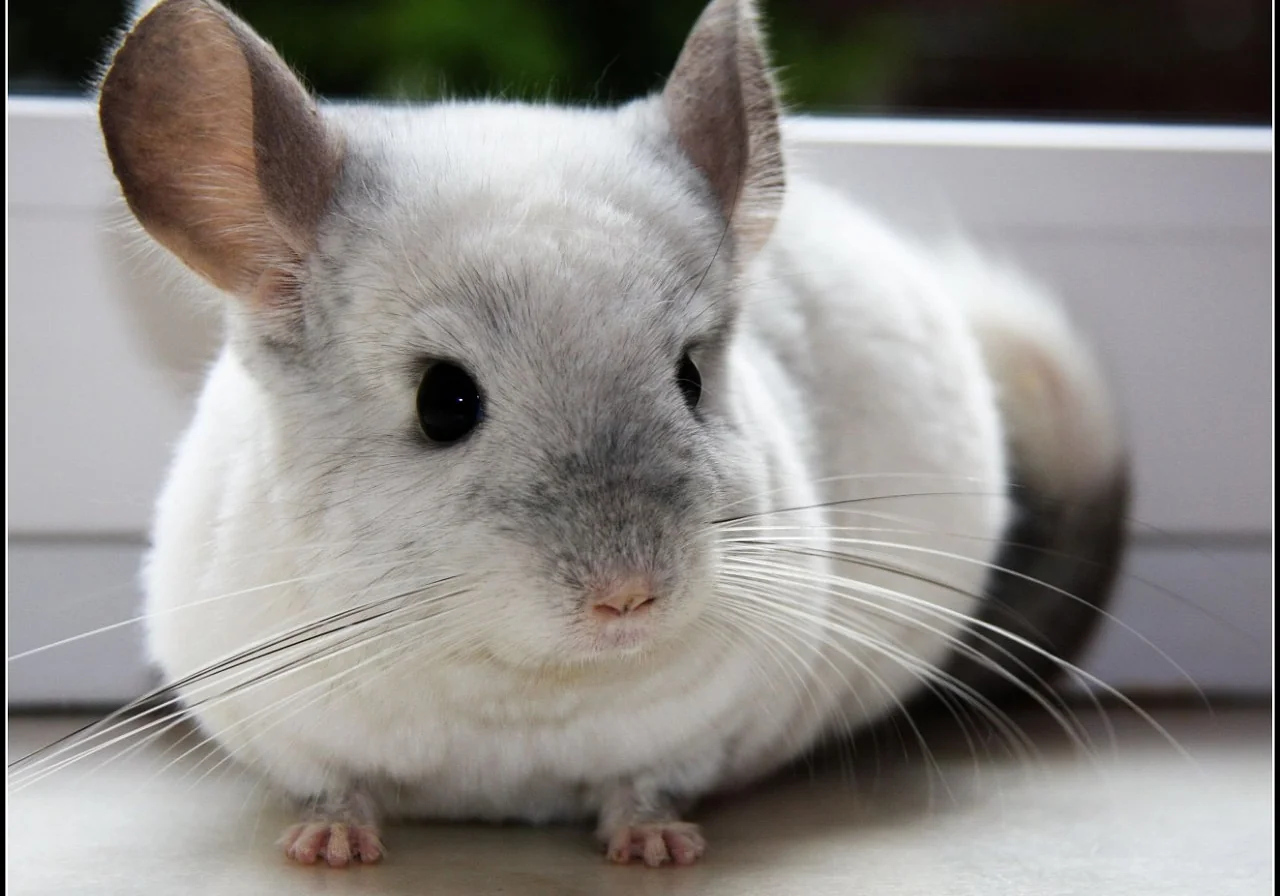
Warm beige coat with a clean white belly — a refined show variety.
By WARN Research & Conservation TeamLast updated
In brief
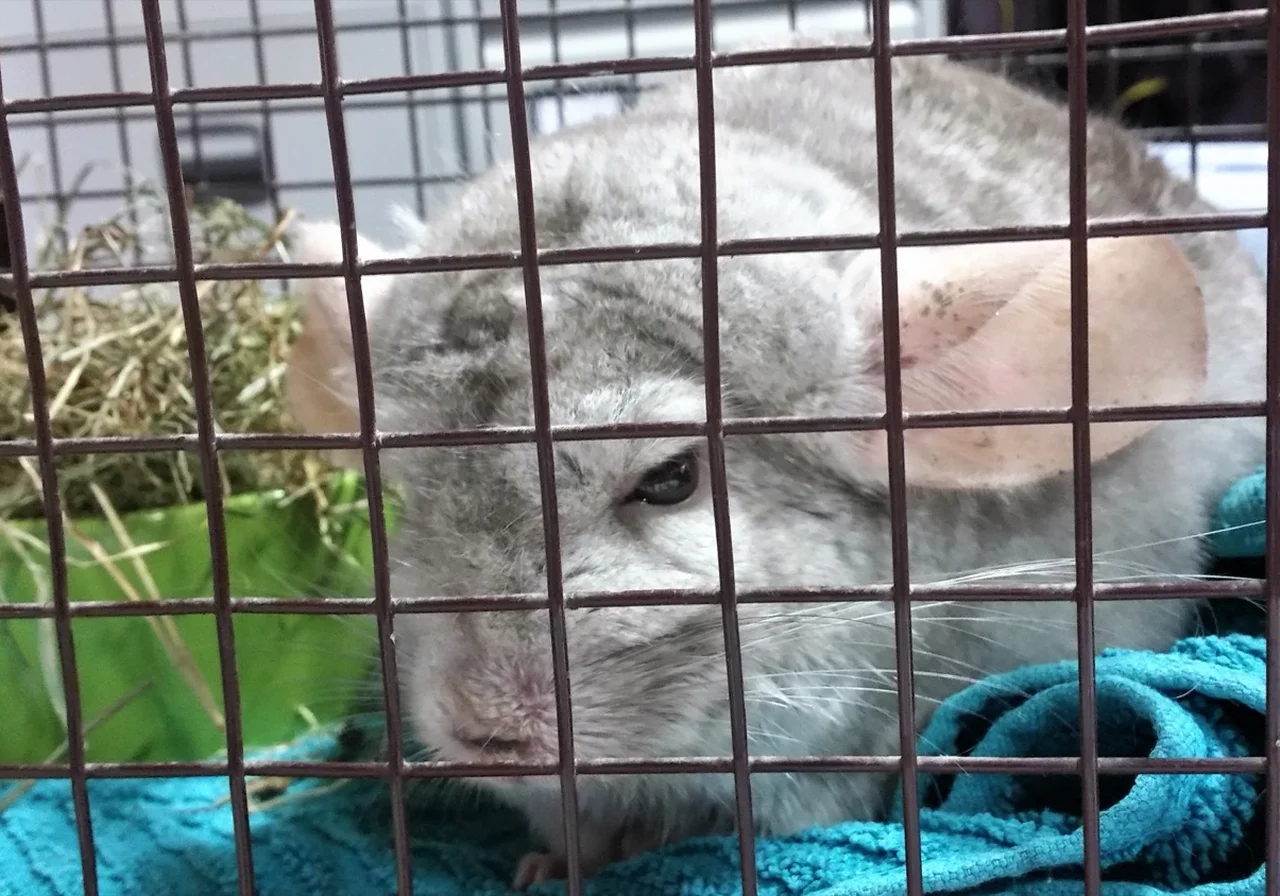
The Tower Beige chinchilla is a show variety with warm beige fur and a clean white belly band. Its defining trait is the 'tower' pattern — refined body colour with a contrasting pale underside prized on the exhibition bench.
What are the key facts about a Tower Beige?
The Tower Beige is a chinchilla breed from Domestic (mutation): small (0.5–0.8 kg), playful, jumpy, crepuscular. Warm beige coat with a clean white belly — a refined show variety.
| Origin | Domestic (mutation) |
|---|---|
| Size | Small (0.5–0.8 kg) |
| Adult weight | 0.5–0.8 kg (1.1–1.8 lb); active jumper |
| Lifespan | 10–20 years |
| Fur & colour | Dense beige fur on back and sides with a crisp white belly creating the tower pattern. Coat texture should feel springy after dust bathing. Seasonal moults may temporarily soften contrast until new growth completes. |
| Temperament | Playful, jumpy, crepuscular |
| Best suited to | Ideal for experienced chinchilla keepers who enjoy playful, jumpy companions active at dawn and dusk. Tower beiges suit pairs housed in tall cages with shelves and ledges. Gentle consistent handling builds trust in shy individuals. |
Is a Tower Beige a good chinchilla for you?
A Tower Beige is a good chinchilla when your home matches ideal for experienced chinchilla keepers who enjoy playful, jumpy companions active at dawn and dusk. tower beiges suit pairs housed in tall cages with shelves and ledges. gentle consistent handling builds trust in shy individuals.. It is a playful, jumpy, crepuscular small (0.5–0.8 kg) breed from Domestic (mutation).
Warm beige coat with a clean white belly — a refined show variety. That one-line pitch is not a care plan. Factor grooming (Dense beige fur on back and sides with a crisp white belly creating the tower pattern. Coat texture should feel springy after dust bathing. Seasonal moults may temporarily soften contrast until new growth completes.), typical adult size (0.5–0.8 kg (1.1–1.8 lb); active jumper), and the health issues listed below before you pay a deposit.
Meet adults of the breed, not only puppies or kittens, and prefer rescue or health-screened homes. A Tower Beige that looks right in a photo can still be the wrong animal for a small flat, a full-time office job, or a household that wanted a low-energy companion.
What is a Tower Beige?
Warm beige coat with a clean white belly — a refined show variety. Origin is Domestic (mutation); coat or markings are described as Dense beige fur on back and sides with a crisp white belly creating the tower pattern. Coat texture should feel springy after dust bathing. Seasonal moults may temporarily soften contrast until new growth completes..
Kennel and registry labels describe a type. Individual Tower Beiges still vary, and rescue animals may be mixes.
Where does the Tower Beige come from?
Tower Beiges come from Domestic (mutation). Tower beige was named for its pale belly band and standardised in North American chinchilla clubs during mid-century hobby breeding.
Beige mutations originated separately from standard grey and combine with TOV, ebony and white genes. The variety spread to European breeders through exported stock. Tower beige remains a recognised show class internationally.
That origin still shows. A Tower Beige is small (0.5–0.8 kg) and playful, jumpy, crepuscular, typically living 10–20 years. Use the history as context for care and conservation, not as folklore to repeat without sources.
How much care does a Tower Beige need?
Plan 10–20 years of food, vet care, grooming and time. A Tower Beige is small (0.5–0.8 kg) (0.5–0.8 kg (1.1–1.8 lb); active jumper) from Domestic (mutation), with coat care described as dense beige fur on back and sides with a crisp white belly creating the tower pattern. coat texture should feel springy after dust bathing. seasonal moults may temporarily soften contrast until new growth completes..
Match daily exercise to the playful, jumpy, crepuscular temperament rather than to Instagram.
Grooming follows the coat, not a generic clip: Dense beige fur on back and sides with a crisp white belly creating the tower pattern. Coat texture should feel springy after dust bathing. Seasonal moults may temporarily soften contrast until new growth completes.. Keep the animal lean; extra weight is a joint and heart tax, especially in a small chinchilla.
Budget for unexpected vet bills. The health section below is why “cheap to buy” is not the same as cheap to keep.
What surprises people about the Tower Beige?
A few details about the breed, alongside the practical care information in this guide.
- The 'tower' name refers to the upright pale belly contrasting the coloured top coat.
- Beige chinchillas darken slightly with age before moult cycles refresh colour.
- Tower pattern quality varies — show lines select for sharp belly borders.
- Beige combines attractively with violet to produce pearl or beige-violet derivatives.
What health issues should you know about in a Tower Beige?
Health concerns to discuss with your vet, including changes to watch for and everyday care. This is general guidance, not veterinary advice — always speak to your vet.
Dental malocclusion
Beige chinchillas develop overgrown teeth like any other line if diet lacks abrasion.
Care: Provide pumice stones, hay and regular weight monitoring as early indicators.
Heat stress
Warm beige coats still trap heat; chinchillas cannot pant effectively to cool down.
Care: Install a room thermometer and act when temperatures exceed 22 °C consistently.
Fur chewing
Chewed flanks or barbered cage-mates indicate boredom, dominance stress or dietary issues.
Care: Enlarge housing, separate incompatible pairs and consult your vet on mineral balance.
Who should skip a Tower Beige?
Skip a Tower Beige if you are homes that cannot match a playful, jumpy, crepuscular small (0.5–0.8 kg) chinchilla from Domestic (mutation). This Domestic (mutation) chinchilla is small (0.5–0.8 kg) and playful, jumpy, crepuscular — the mismatch is usually lifestyle, not a missing accessory.
This page is allowed to say no. Skip if you are homes that cannot match a playful, jumpy, crepuscular small (0.5–0.8 kg) chinchilla from Domestic (mutation).
A different chinchilla breed on this site may fit. Wanting “a Tower Beige” after a film or a colour photo is not a reason to ignore the skip list.
What are the hidden catches with a Tower Beige?
The hidden cost of a Tower Beige is usually not the purchase price. It is years of care, the health list on this page, and the mismatch between a playful, jumpy, crepuscular animal and a busy home.
The impulse-buy catch
A Tower Beige from Domestic (mutation) is often sold on looks. Coat, colour and size are not a temperament test. Meet the adult animal, ask about health screening, and walk away from pressure sales.
The dental malocclusion catch
Beige chinchillas develop overgrown teeth like any other line if diet lacks abrasion. Provide pumice stones, hay and regular weight monitoring as early indicators.
The heat stress catch
Warm beige coats still trap heat; chinchillas cannot pant effectively to cool down. Install a room thermometer and act when temperatures exceed 22 °C consistently.
How does a Tower Beige compare with Wilson White and Standard Grey?
A Tower Beige is not interchangeable with Wilson White and Standard Grey. Compare origin, size, lifespan and temperament before you choose — those four lines prevent most regret.
| Chinchilla fact | Tower Beige | Wilson White | Standard Grey |
|---|---|---|---|
| Origin | Domestic (mutation) | Domestic (mutation) | Chile (Andes) |
| Size | Small (0.5–0.8 kg) | Small (0.5–0.8 kg) | Small (0.5–0.8 kg) |
| Lifespan | 10–20 years | 10–20 years | 10–20 years |
| Temperament | Playful, jumpy, crepuscular | Social, active, needs dust baths | Alert, agile, crepuscular |
What is the verdict on the Tower Beige?
Choose a Tower Beige only if the care, skip-if and health sections still look like your life after a week of thinking. Otherwise pick a different chinchilla or wait. Rescue is usually the better first door than a waiting-list puppy or kitten.
If the match is real, budget for 10–20 years of vet care and do not skip health screening. If it is not, walking away is the kind choice — for you and for the animal.
Wild chinchillas need protection
Both wild chinchilla species are Endangered after centuries of fur hunting. While pet chinchillas are captive-bred, understanding the species helps owners give proper care and appreciate why wild populations still need habitat protection.