Chinchilla Breed · Domestic (mutation)
White Mosaic
Patchwork white and grey pattern — one of the most striking show chinchilla varieties.
By WARN Research & Conservation TeamLast updated
In brief
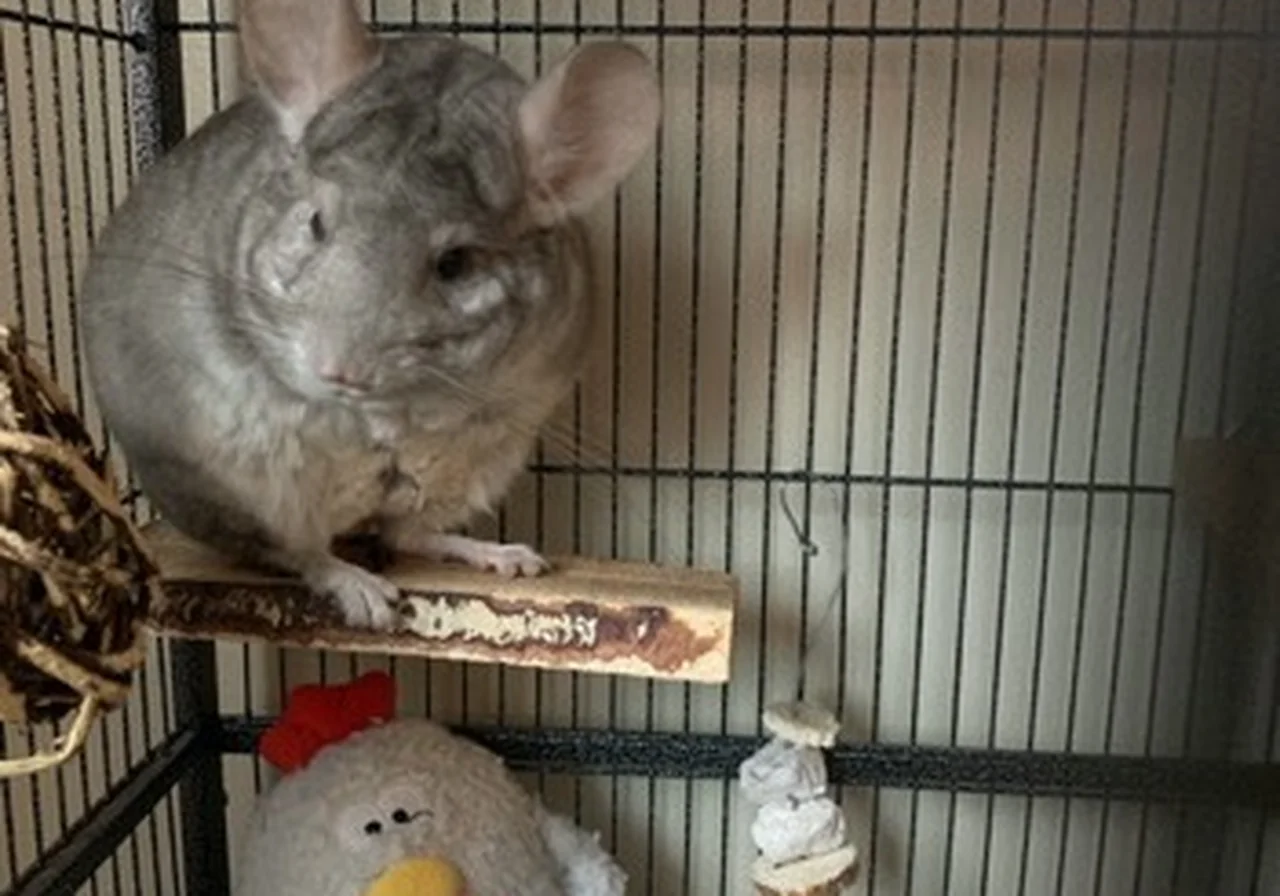
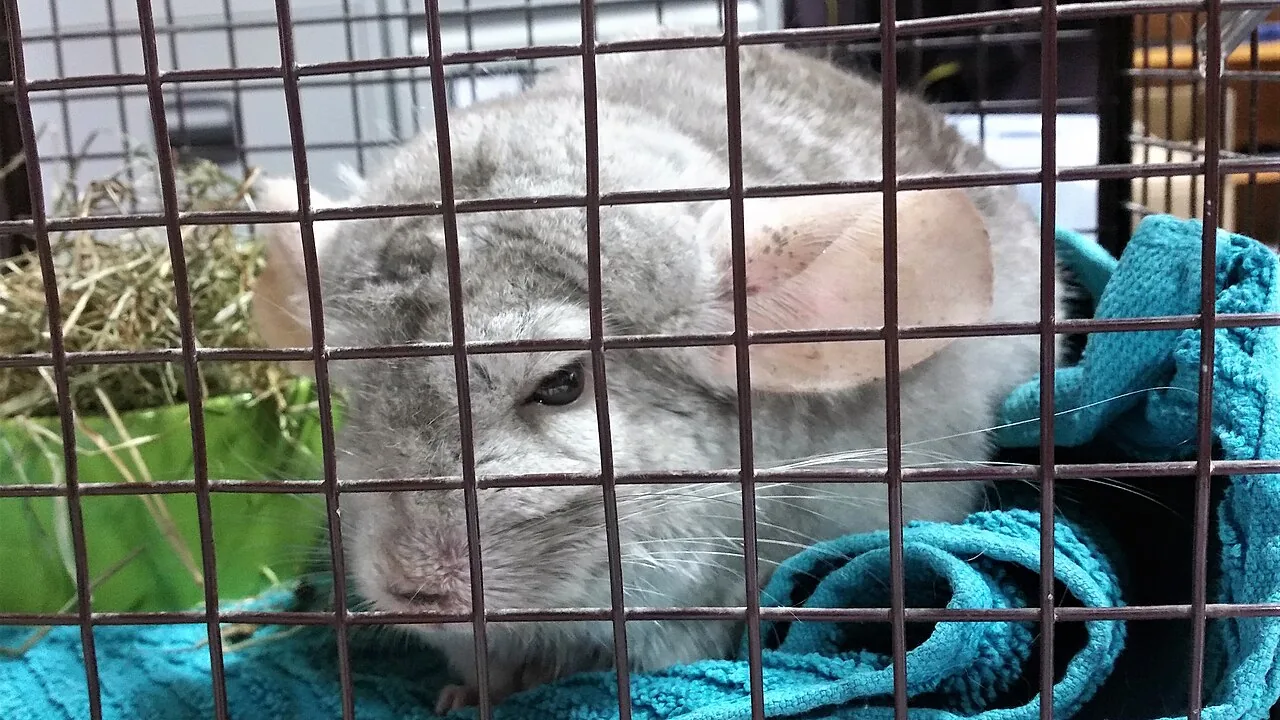
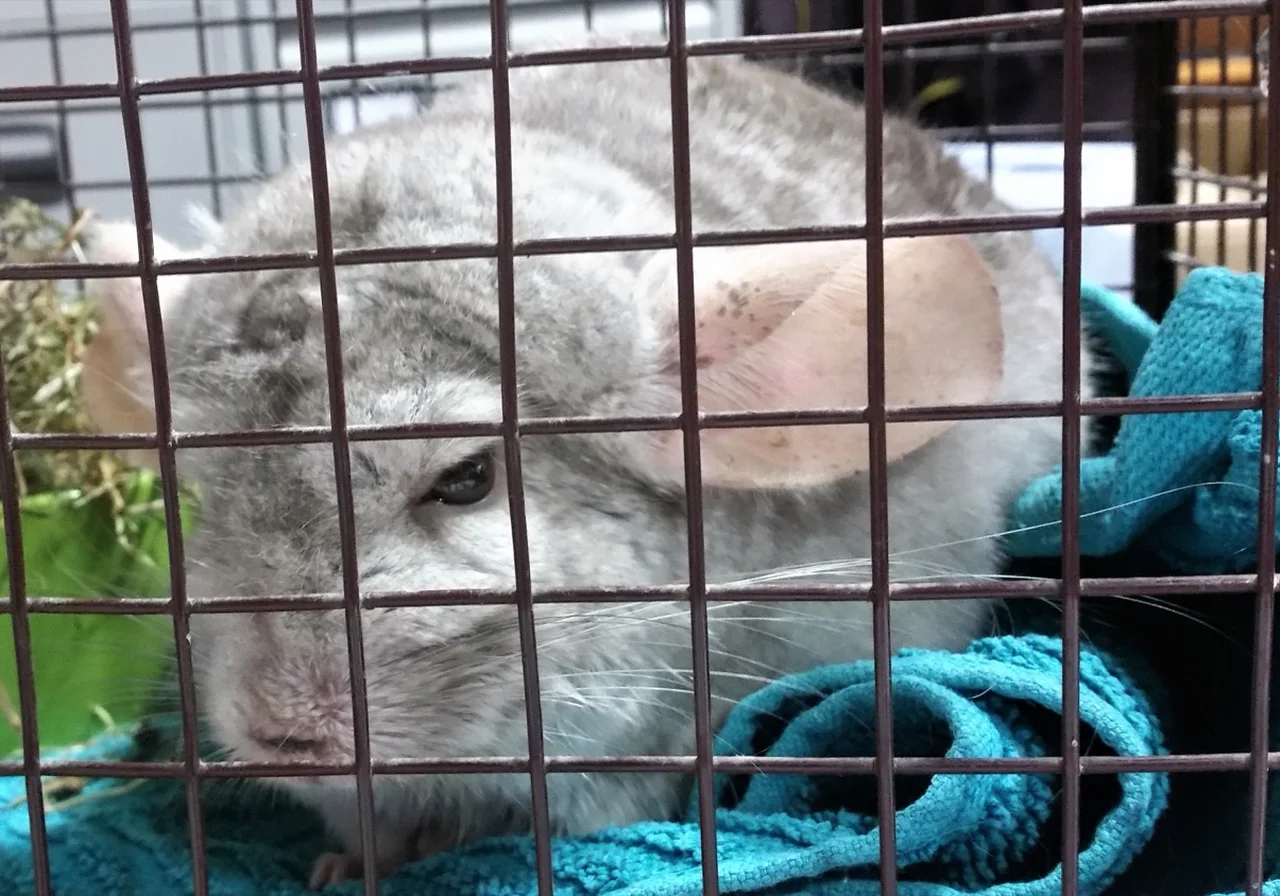
The white mosaic chinchilla displays a patchwork of white and grey fur across the body. Developed from mosaic and white mutations in breeding programmes, it is prized in show circles for unique, asymmetric markings.
What are the key facts about a White Mosaic?
The White Mosaic is a chinchilla breed from Domestic (mutation): small (0.5–0.8 kg), active, curious, gentle when socialised. Patchwork white and grey pattern — one of the most striking show chinchilla varieties.
| Origin | Domestic (mutation) |
|---|---|
| Size | Small (0.5–0.8 kg) |
| Adult weight | 0.5–0.8 kg (1.1–1.8 lb) |
| Lifespan | 10–20 years |
| Fur & colour | Irregular white patches on grey base; pattern unique to each individual |
| Temperament | Active, curious, gentle when socialised |
| Best suited to | Cool indoor homes, patient owners, paired housing after careful introduction, low-noise environments |
Is a White Mosaic a good chinchilla for you?
A White Mosaic is a good chinchilla when your home matches cool indoor homes, patient owners, paired housing after careful introduction, low-noise environments. It is a active, curious, gentle when socialised small (0.5–0.8 kg) breed from Domestic (mutation).
Patchwork white and grey pattern — one of the most striking show chinchilla varieties. That one-line pitch is not a care plan. Factor grooming (Irregular white patches on grey base; pattern unique to each individual), typical adult size (0.5–0.8 kg (1.1–1.8 lb)), and the health issues listed below before you pay a deposit.
Meet adults of the breed, not only puppies or kittens, and prefer rescue or health-screened homes. A White Mosaic that looks right in a photo can still be the wrong animal for a small flat, a full-time office job, or a household that wanted a low-energy companion.
What is a White Mosaic?
Patchwork white and grey pattern — one of the most striking show chinchilla varieties. Origin is Domestic (mutation); coat or markings are described as Irregular white patches on grey base; pattern unique to each individual.
Kennel and registry labels describe a type. Individual White Mosaics still vary, and rescue animals may be mixes.
Where does the White Mosaic come from?
White Mosaics come from Domestic (mutation). Mosaic patterns arise when white spotting genes interact with standard grey background colour, producing irregular patches rather than a uniform coat.
American and European breeders selected mosaic lines for contrast and coverage from the late twentieth century. White mosaic remains popular among show breeders and pet owners who want a distinctive appearance.
That origin still shows. A White Mosaic is small (0.5–0.8 kg) and active, curious, gentle when socialised, typically living 10–20 years. Use the history as context for care and conservation, not as folklore to repeat without sources.
How much care does a White Mosaic need?
Plan 10–20 years of food, vet care, grooming and time. A White Mosaic is small (0.5–0.8 kg) (0.5–0.8 kg (1.1–1.8 lb)) from Domestic (mutation), with coat care described as irregular white patches on grey base; pattern unique to each individual.
This temperament does not thrive on a 20-minute walk and eight hours alone.
Grooming follows the coat, not a generic clip: Irregular white patches on grey base; pattern unique to each individual. Keep the animal lean; extra weight is a joint and heart tax, especially in a small chinchilla.
Budget for unexpected vet bills. The health section below is why “cheap to buy” is not the same as cheap to keep.
What surprises people about the White Mosaic?
A few details about the breed, alongside the practical care information in this guide.
- No two white mosaic chinchillas have identical patch patterns.
- Mosaic is a pattern, not a single gene — breeding outcomes vary litter to litter.
- Show standards reward even patch distribution without overly dark or muddy areas.
- White mosaic chinchillas need the same dust baths and hay diet as standard grey.
What health issues should you know about in a White Mosaic?
Health concerns to discuss with your vet, including changes to watch for and everyday care. This is general guidance, not veterinary advice — always speak to your vet.
Dental malocclusion
Colour variety does not reduce dental risk; overgrown teeth remain the leading health concern.
Care: Hay-first diet and annual exotics dental checks catch problems before weight loss becomes severe.
Heat stress
Dense fur makes heat intolerance a risk for every chinchilla variety, including mosaic.
Care: Monitor room temperature daily in summer and move cages away from radiators and windows.
Respiratory issues in poor ventilation
Dusty bedding or ammonia build-up from urine can irritate airways in small mammals.
Care: Use low-dust bedding, clean cages frequently and ensure good room ventilation without drafts.
Who should skip a White Mosaic?
Skip a White Mosaic if you are owners who wanted a low-exercise companion. This Domestic (mutation) chinchilla is small (0.5–0.8 kg) and active, curious, gentle when socialised — the mismatch is usually lifestyle, not a missing accessory.
This page is allowed to say no. Skip if you are owners who wanted a low-exercise companion.
A different chinchilla breed on this site may fit. Wanting “a White Mosaic” after a film or a colour photo is not a reason to ignore the skip list.
What are the hidden catches with a White Mosaic?
The hidden cost of a White Mosaic is usually not the purchase price. It is years of care, the health list on this page, and the mismatch between a active, curious, gentle when socialised animal and a busy home.
The impulse-buy catch
A White Mosaic from Domestic (mutation) is often sold on looks. Coat, colour and size are not a temperament test. Meet the adult animal, ask about health screening, and walk away from pressure sales.
The dental malocclusion catch
Colour variety does not reduce dental risk; overgrown teeth remain the leading health concern. Hay-first diet and annual exotics dental checks catch problems before weight loss becomes severe.
The heat stress catch
Dense fur makes heat intolerance a risk for every chinchilla variety, including mosaic. Monitor room temperature daily in summer and move cages away from radiators and windows.
How does a White Mosaic compare with Beige and Ebony?
A White Mosaic is not interchangeable with Beige and Ebony. Compare origin, size, lifespan and temperament before you choose — those four lines prevent most regret.
| Chinchilla fact | White Mosaic | Beige | Ebony |
|---|---|---|---|
| Origin | Domestic (mutation) | Domestic (mutation) | Domestic (mutation) |
| Size | Small (0.5–0.8 kg) | Small (0.5–0.8 kg) | Small (0.5–0.8 kg) |
| Lifespan | 10–20 years | 10–20 years | 10–20 years |
| Temperament | Active, curious, gentle when socialised | Calm, observant, social in pairs | Alert, agile, gentle when socialised |
What is the verdict on the White Mosaic?
Choose a White Mosaic only if the care, skip-if and health sections still look like your life after a week of thinking. Otherwise pick a different chinchilla or wait. Rescue is usually the better first door than a waiting-list puppy or kitten.
If the match is real, budget for 10–20 years of vet care and do not skip health screening. If it is not, walking away is the kind choice — for you and for the animal.
Wild chinchillas need protection
Both wild chinchilla species are Endangered after centuries of fur hunting. While pet chinchillas are captive-bred, understanding the species helps owners give proper care and appreciate why wild populations still need habitat protection.