Trafficking · Companion animal facts
What pets should not be kept at home?
Some animals belong in the wild or specialist sanctuaries, not living rooms.
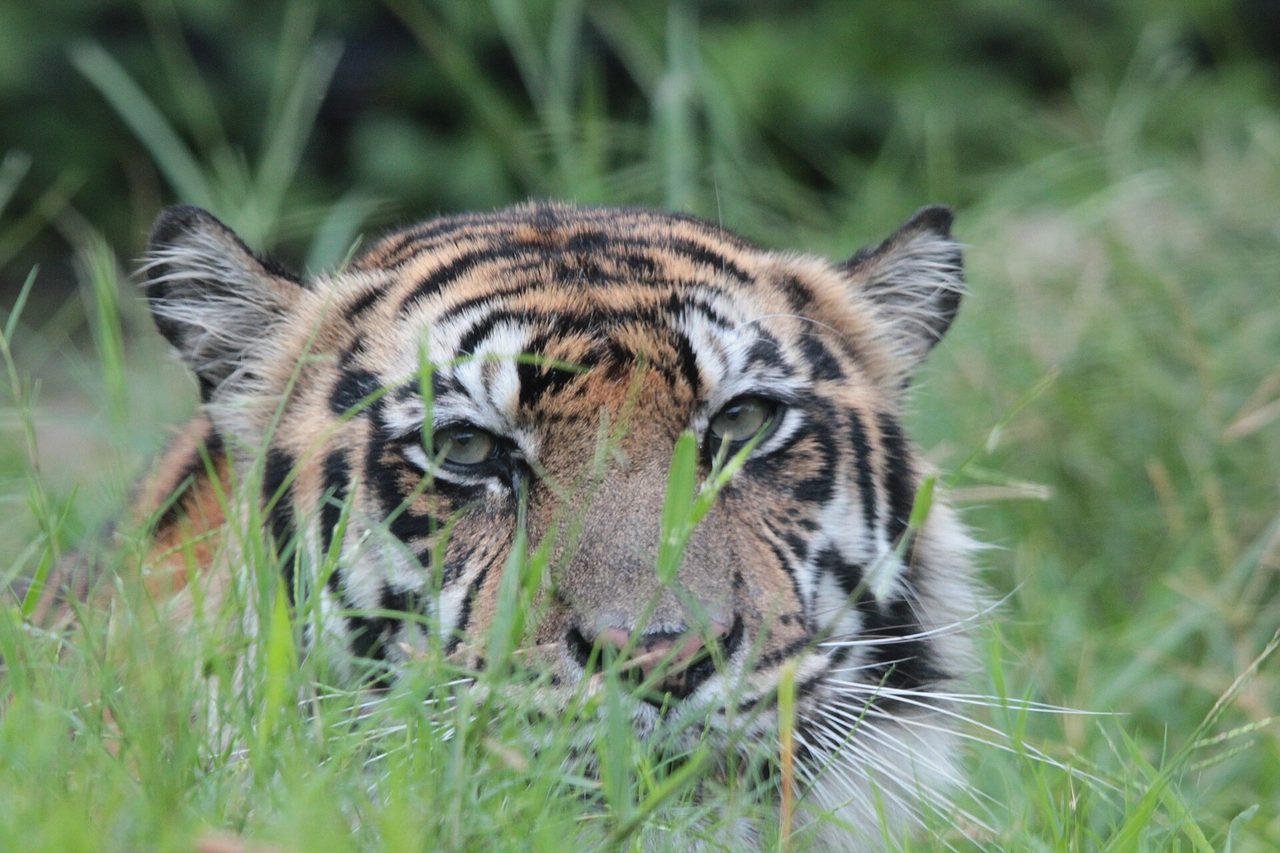
In brief
Animals that should not be kept in ordinary homes include primates, big cats, bears, most wild carnivores, venomous species without licensed facilities, slow lorises and other species whose welfare, safety or legal needs cannot realistically be met. Rule out animals whose adult needs, specialist care or safety requirements your household cannot meet.
By WARN Research & Conservation Team Last updated
Rule out animals whose adult needs, specialist care or safety requirements your household cannot meet. A small or appealing youngster can become a very different commitment.
Quick facts
| Not suitable | Primates, big cats, bears, slow lorises and many wild carnivores |
|---|---|
| Main reasons | Welfare, safety, legality, disease risk and lifetime care |
| Baby trap | Young animals become adults with adult needs and risks |
| Better choice | Adopt a domesticated animal matched to your home |
Key takeaways
- Primates and big cats are not suitable household pets.
- Slow lorises and many wild-caught exotics are trafficking-risk species.
- Adult size, lifespan and behaviour matter more than baby appearance.
- Sanctuary-level needs belong in sanctuary-level care.
Why this question matters
Unusual animals may be advertised as easy pets without a full account of their adult needs.
The welfare-first answer
Unsuitable pets are not “bad” animals. They are animals with needs that require wild habitat, social groups, specialist facilities or licensed expert care.
What to do next
Choose species whose needs you can meet fully, and avoid content that normalises wild animals as accessories.
What WARN does
WARN covers exotic pet and wildlife trade questions because consumer demand can drive capture, laundering and cruelty. Our role is to explain the welfare risk, direct readers away from harmful purchases and link to rescue and anti-trafficking appeals.
Frequently asked questions
Are monkeys good pets?
Can big cats be tame?
What should I do if I already own an unsuitable animal?
Sources & references
Read the linked sources for the welfare guidance behind this answer. Check local requirements and contact an appropriate professional about an individual animal.
Related reading
More from Companion animal facts
More Trafficking answers
Stay connected with WARN
Receive appeal updates, animal-welfare news and published funding reports. Unsubscribe any time.
We only use your address for WARN updates. See our privacy policy.