South Asia
India
India holds more large wild mammals alongside more people than almost anywhere on earth. It is the global stronghold of the Bengal tiger, the Asian elephant and the greater one-hor
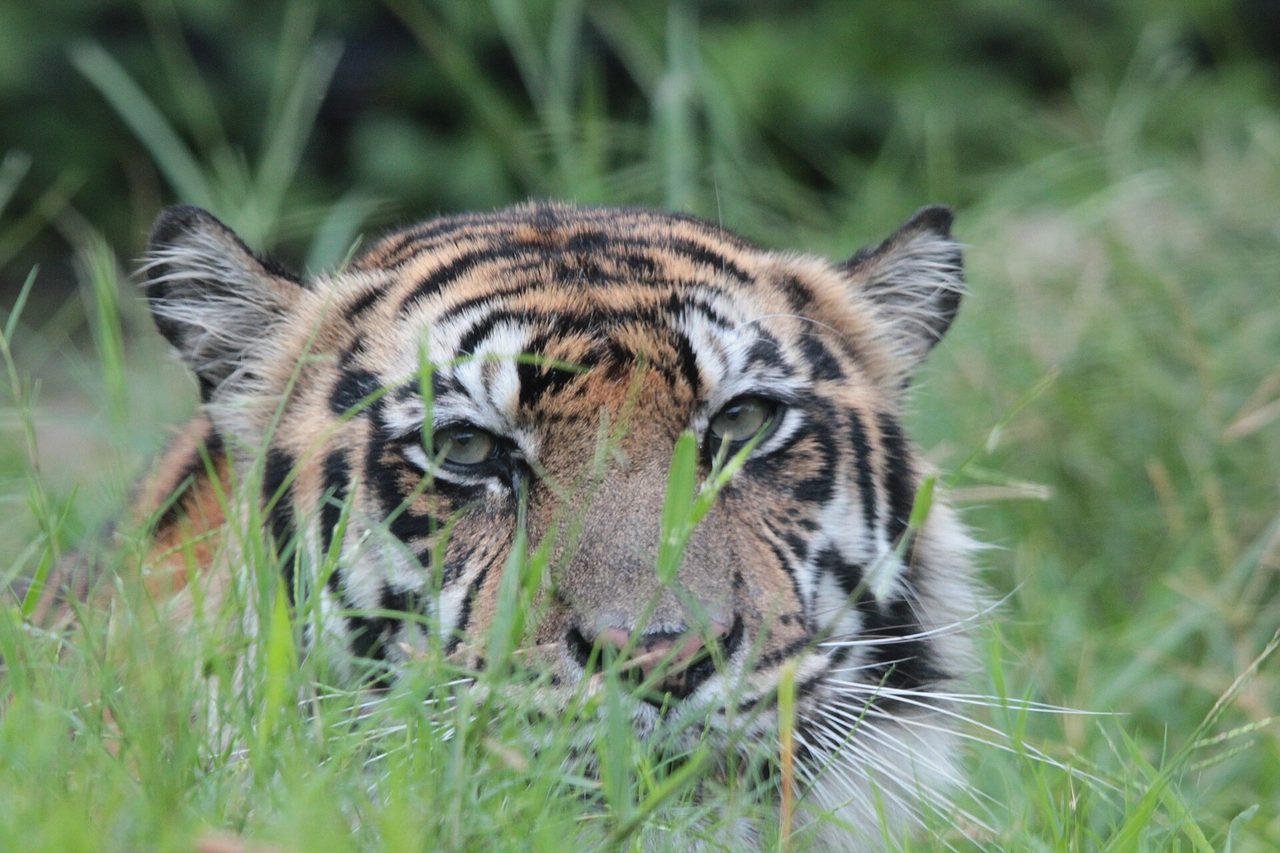
India is a South Asian country that holds roughly 70% of the world's wild tigers, the largest population of Asian elephants, and the great majority of greater one-horned rhinos, alongside leopards, sloth bears and pangolins; its wildlife faces intense human-wildlife conflict, habitat fragmentation and trafficking of skins, bone and scales.
Key Facts About India
- India is home to roughly 70% of the world's remaining wild tigers.
- It holds the world's largest wild population of Asian elephants — around 27,000 animals.
- Greater one-horned rhinos in Assam have recovered from near-extinction to more than 4,000 animals.
- Human-wildlife conflict — elephants on railway lines, leopards in farmland — is one of the country's defining welfare challenges.
- WARN's planned India work would fund partner-led rescue, veterinary response and conflict mitigation, not WARN-run facilities.
- India holds roughly 70% of the world's remaining wild tigers.
- Human-wildlife conflict kills elephants on railway lines and leopards in sugarcane fields daily.
What is the wildlife situation in India?
India combines extraordinary biodiversity with extraordinary human density. Its tiger reserves, under Project Tiger, have driven a national tiger recovery, while Assam's Kaziranga rebuilt the greater one-horned rhino from a few dozen animals. But the same landscapes see daily human-wildlife conflict: elephants killed on railway lines, leopards trapped in sugarcane and at urban edges, and a persistent illegal trade in tiger bone, leopard skin and pangolin scales documented by UNODC and TRAFFIC.
What is WARN preparing to do in India?
WARN does not run shelters. Our planned India work would make grants to and partner with established Indian rescue organisations, sanctuaries and veterinary teams — funding rapid-response rescue of injured and conflict-affected animals, sterilisation and vaccination of community animals, and rehabilitation of confiscated wildlife. We would prioritise partners with a track record in humane conflict mitigation.
Why India matters
India shows that large wild populations can recover when frontline capacity is funded — and that the welfare cost of living alongside that wildlife falls heavily on rural communities. Supporting Indian partners is some of the highest-leverage animal-welfare work available, both for the animals and for the people who share their landscapes.
Conflict mitigation at scale
Elephants on railway corridors and leopards at urban edges need humane, evidence-based response — not just rescue after the fact. WARN's planned grants prioritise partners with track records in conflict mitigation.
Trafficking of skins, bone and scales
UNODC and TRAFFIC document persistent illegal trade in tiger bone, leopard skin and pangolin scales. Partner grants can fund seizure triage and rehabilitation of confiscated wildlife.
Threats to Wildlife in India
Human-wildlife conflict
Habitat fragmentation by roads and rail
Illegal trade in skins, bone and scales
Retaliatory killing
Vehicle and train collisions
What WARN Funds in India
Our planned India work would make grants to and partner with established Indian rescue groups, sanctuaries and veterinary teams — funding rescue of injured and conflict-affected animals, sterilisation and vaccination of community animals, and rehabilitation of confiscated wildlife. WARN would not run its own facilities.
India FAQ
Does India really hold most of the world's wild tigers?
Would WARN run its own sanctuary in India?
Would WARN run its own tiger reserve in India?
How many wild elephants does India have?
Does the rhino appeal cover India?
What about sloth bears?
Is the leopard appeal relevant to India?
Why is India high-leverage for WARN?
Rescue Guides for India
Focused pages for the specific animal rescue searches connected to India, from trafficking response to sanctuary and veterinary care.
Street dogs · Humane alternatives
Why Dog Culling Does Not Work
Dog culling does not work because removed dogs are quickly replaced by breeding and migration, while rabies control depends on vaccination coverage, not killing.
UK donors · Street dog welfare
Help Street Dogs Abroad
From the UK, you can help street dogs abroad by funding humane Catch-Neuter-Vaccinate-Return, rabies vaccination, emergency veterinary care and shelter support through trusted local partners.
UK donors · Dogs and cats abroad
Donate to Help Dogs and Cats Abroad
UK supporters can donate to help dogs and cats abroad by funding partner-led veterinary care, neutering, vaccination, emergency rescue, shelter capacity and humane alternatives to culling or meat-trade suffering.
UK donors · Working equines
Help Working Donkeys Abroad
From the UK, you can help working donkeys abroad by funding mobile veterinary clinics, hoof care, dental treatment, wound care, emergency medicines and humane harness support.
Working equines · Field care
Mobile Vet Clinics for Donkeys
Mobile vet clinics for donkeys bring treatment to working animals where they are: wound care, hoof trimming, dental treatment, deworming, pain relief, harness checks and emergency medicines.
Global · Donkey welfare threat
Donkey Skin Trade
The donkey skin trade kills donkeys for hides used in ejiao, driving theft, slaughter and population pressure in countries where poor families depend on working donkeys.
UK donors · Working horse welfare
Help Working Horses Abroad
From the UK, you can help working horses abroad by funding mobile equine clinics, farriery, wound care, dental treatment, nutrition support, humane harness checks and owner education.
UK donors · International horse welfare
Horse Rescue Abroad
Horse rescue abroad often means mobile veterinary care, farriery, wound treatment, nutrition support and owner education, not moving every horse into sanctuary or overseas adoption.
Working horses · Field veterinary care
Mobile Equine Clinics for Horses
Mobile equine clinics for horses bring veterinary care to working animals on site: farriery, wound care, dental treatment, parasite control, nutrition support, pain relief and owner education.
UK donors · Horse donation intent
Donate to Help Horses Abroad
UK supporters can donate to help horses abroad by funding partner-led mobile equine clinics, farriery, emergency veterinary care, nutrition support, wound treatment and humane harness education.
Wildlife rescue · Tigers
Donate to Tiger Conservation
You can donate to tiger conservation through WARN at /appeals/tigers — gifts fund partner-led anti-poaching patrols, human–tiger conflict response and habitat protection for Sumatran tigers in Indonesia and Malayan tigers in Malaysia, the in-network tiger range.
CNVR · Public health
Rabies Vaccination for Street Dogs — Donate
You can donate to rabies vaccination for street dogs through WARN — gifts fund WHO-endorsed Catch-Neuter-Vaccinate-Return programmes that vaccinate free-roaming dogs against rabies in Pakistan, the Philippines, India and Nepal, targeting the roughly 70% coverage WHO cites for transmission interruption.
UK donors · Symbolic dog adoption
Adopt a Dog Symbolically from the UK
To adopt a dog into your UK home, contact your nearest registered rescue or shelter for rehoming — WARN does not place pets in UK homes, but you can symbolically adopt a dog from £5/month at /adopt/dog to fund partner-led CNVR and rabies vaccination for street dogs in Pakistan, the Philippines, India and Nepal.
UK donors · Dog sponsorship
Sponsor a Dog from the UK
You can sponsor a dog from the UK through WARN from £5/month at /adopt/dog or /donate/monthly — sponsorship is recurring programme support for WHO-endorsed CNVR and rabies vaccination in Pakistan, the Philippines, India and Nepal, not naming or owning an individual shelter dog in the UK.
UK donors · Puppy sponsorship
Sponsor a Puppy from the UK
Sponsoring a puppy through WARN from £5/month at /adopt/dog funds street dog CNVR and rabies vaccination across Pakistan, the Philippines, India and Nepal — it is not sponsorship of a named puppy you track, rehome or visit, and UK puppy adoption remains the route through your local registered rescue.
UK donors · Dog rescue donations
Donate to Dog Rescue from the UK
You can donate to dog rescue from the UK through WARN at /appeals/karachi-dogs or /donate in GBP — gifts fund WHO-endorsed Catch-Neuter-Vaccinate-Return and rabies vaccination for street dogs in Pakistan, the Philippines, India and Nepal, not UK shelter rehoming or Gift Aid relief.
US donors · Symbolic dog adoption
Adopt a Dog from a Charity in the US
To adopt a dog into your US home, contact your nearest local shelter, humane society or breed rescue for rehoming — WARN does not place pets in US households, but you can symbolically adopt a dog from $5/month at /adopt/dog to fund partner-led CNVR and rabies vaccination for street dogs in Pakistan, the Philippines, India and Nepal.
US donors · Dog sponsorship
Sponsor a Dog from the United States
You can sponsor a dog from the US through WARN from $5/month at /adopt/dog or /donate/monthly — sponsorship is recurring programme support for WHO-endorsed CNVR and rabies vaccination in Pakistan, the Philippines, India and Nepal, not naming or owning an individual shelter dog in the US.
US donors · Puppy sponsorship
Sponsor a Puppy from the United States
Sponsoring a puppy through WARN from $5/month at /adopt/dog funds street dog CNVR and rabies vaccination across Pakistan, the Philippines, India and Nepal — it is not sponsorship of a named puppy you track, rehome or visit, and US puppy adoption remains the route through your local shelter or humane society.
US donors · Dog rescue donations
Donate to Dog Rescue from the United States
You can donate to dog rescue from the US through WARN at /appeals/karachi-dogs or /donate in USD — gifts fund WHO-endorsed Catch-Neuter-Vaccinate-Return and rabies vaccination for street dogs in Pakistan, the Philippines, India and Nepal, not US shelter rehoming or tax-deductible giving.
Appeals You Can Support in India
Back a specific cause for the animals of India. Every gift funds frontline rescue, veterinary care and humane coexistence work through our local partners.
Indonesia · Malaysia
Save the Wild Tiger
Fewer than 5,000 tigers remain in the wild. Support anti-poaching, human-wildlife conflict response and rescue for tigers caught in captivity and the illegal trade, with Indonesia and Malaysia as the in-network focus.
Support this appeal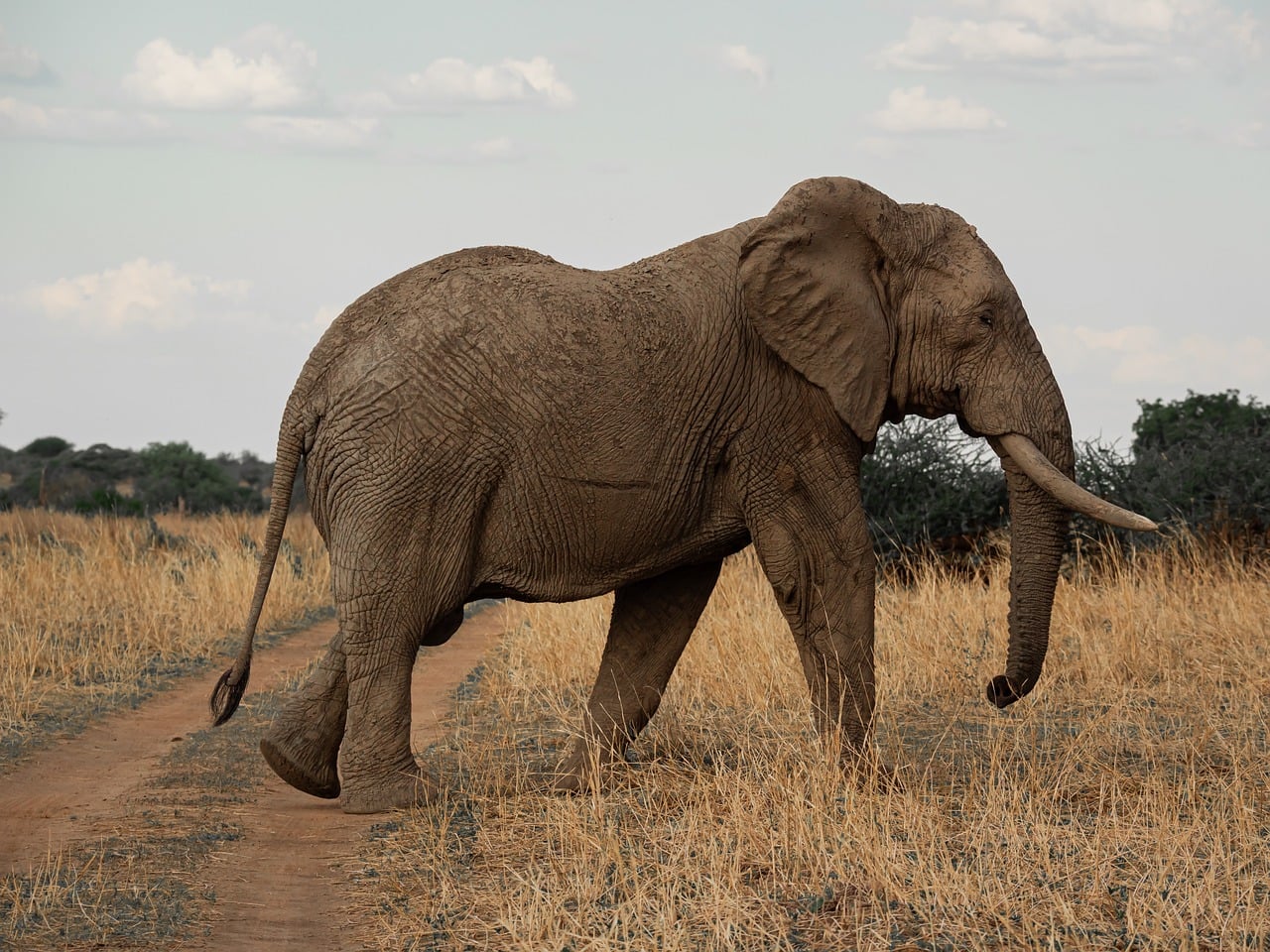
Indonesia · Malaysia
Elephant Rescue & Protection
Sumatran and Bornean elephants face habitat loss, conflict and poaching. Fund rapid veterinary response and humane coexistence work through partners in Indonesia and Malaysia.
Support this appeal
Pakistan
Help Working Donkeys
Working donkeys carry water, bricks, market goods and family livelihoods. Fund mobile veterinary clinics, hoof care, dental treatment, wound care and humane harness support in high-need countries.
Support this appeal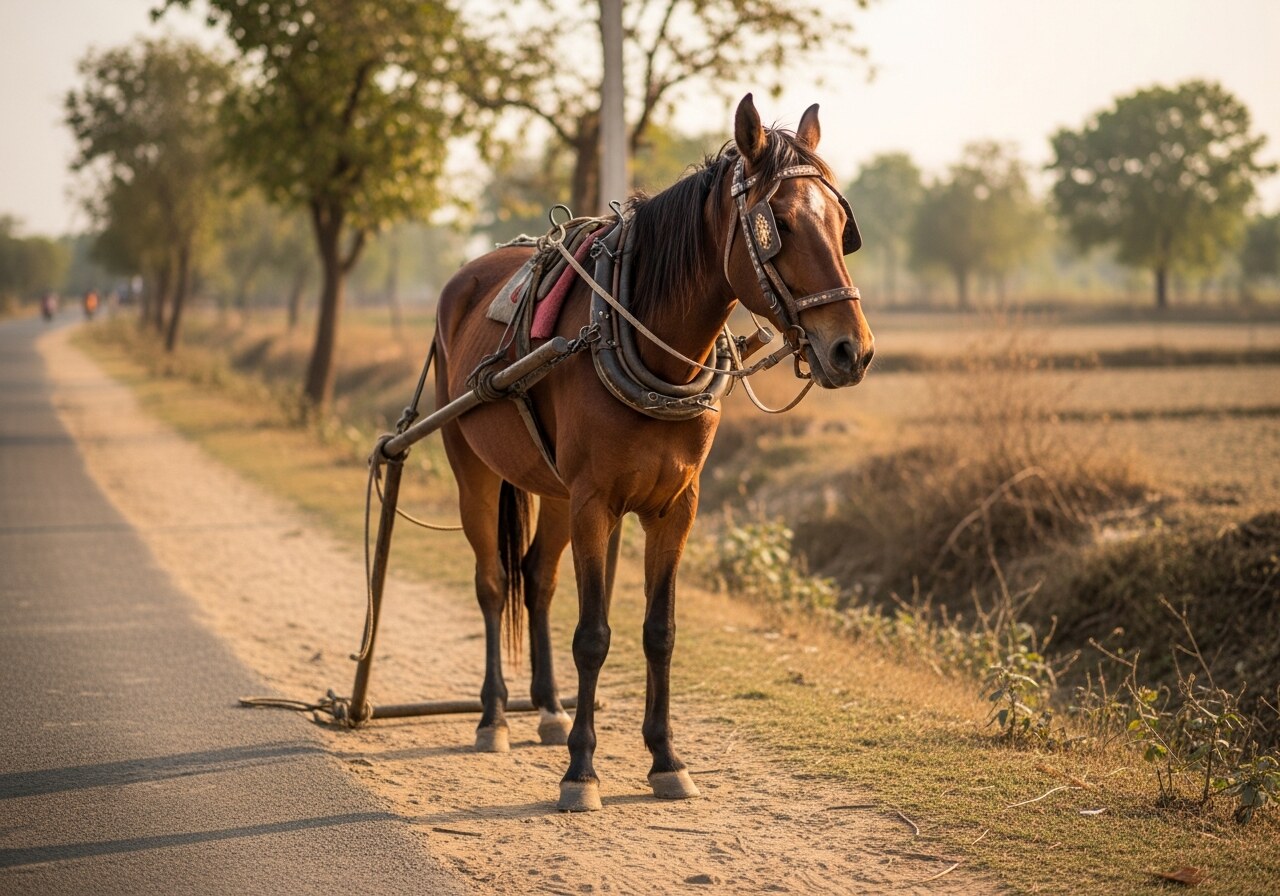
Pakistan
Help Working Horses
Working horses pull carts, carry goods and support family incomes, often with untreated wounds, lameness and exhaustion. Fund mobile equine clinics, farriery, nutrition support and emergency veterinary care.
Support this appeal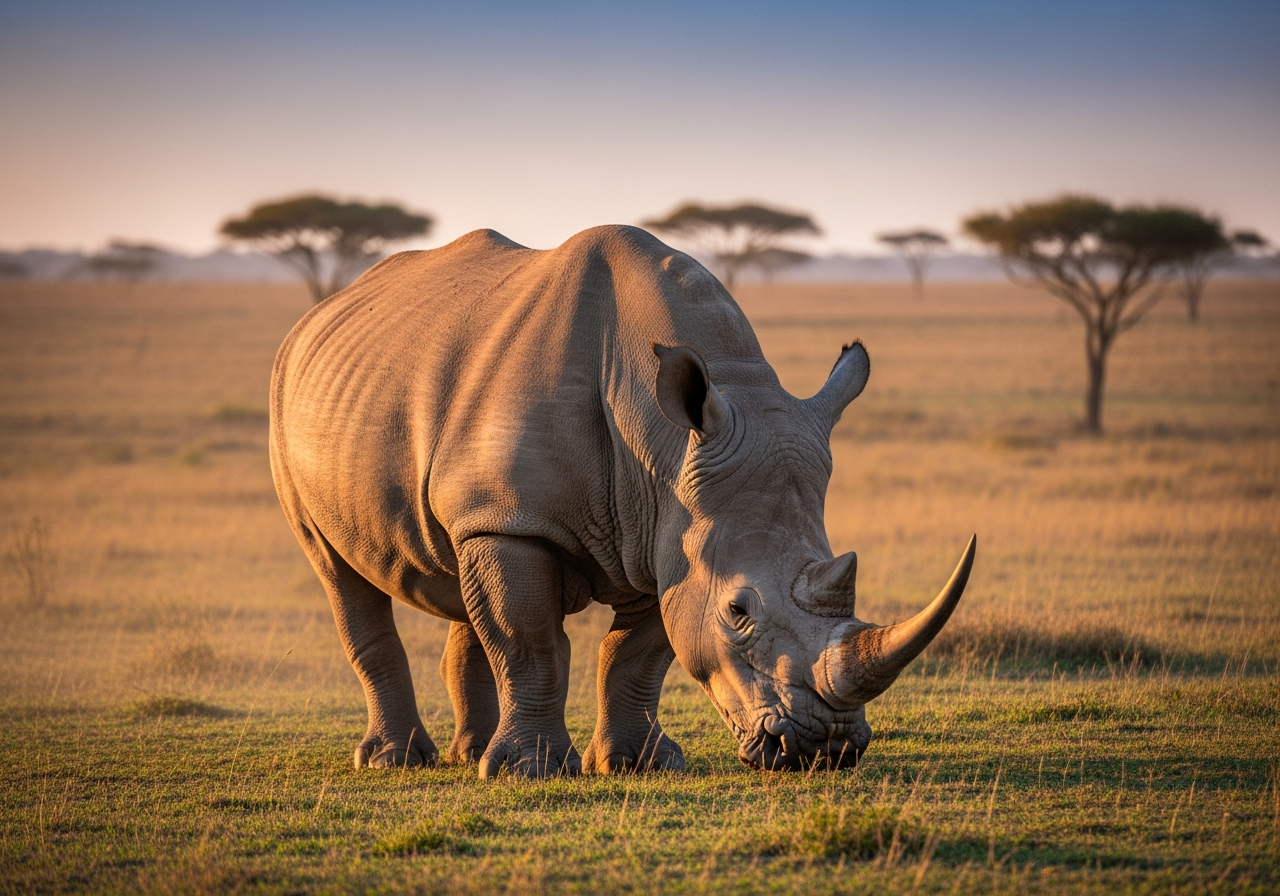
South Africa · Kenya · India · Nepal · Indonesia
Stop the Rhino Poaching Crisis
Rhinos are poached for horn made of keratin. Fund partner-led anti-poaching, veterinary response and orphan care in South Africa, Kenya, India, Nepal and Indonesia.
Support this appeal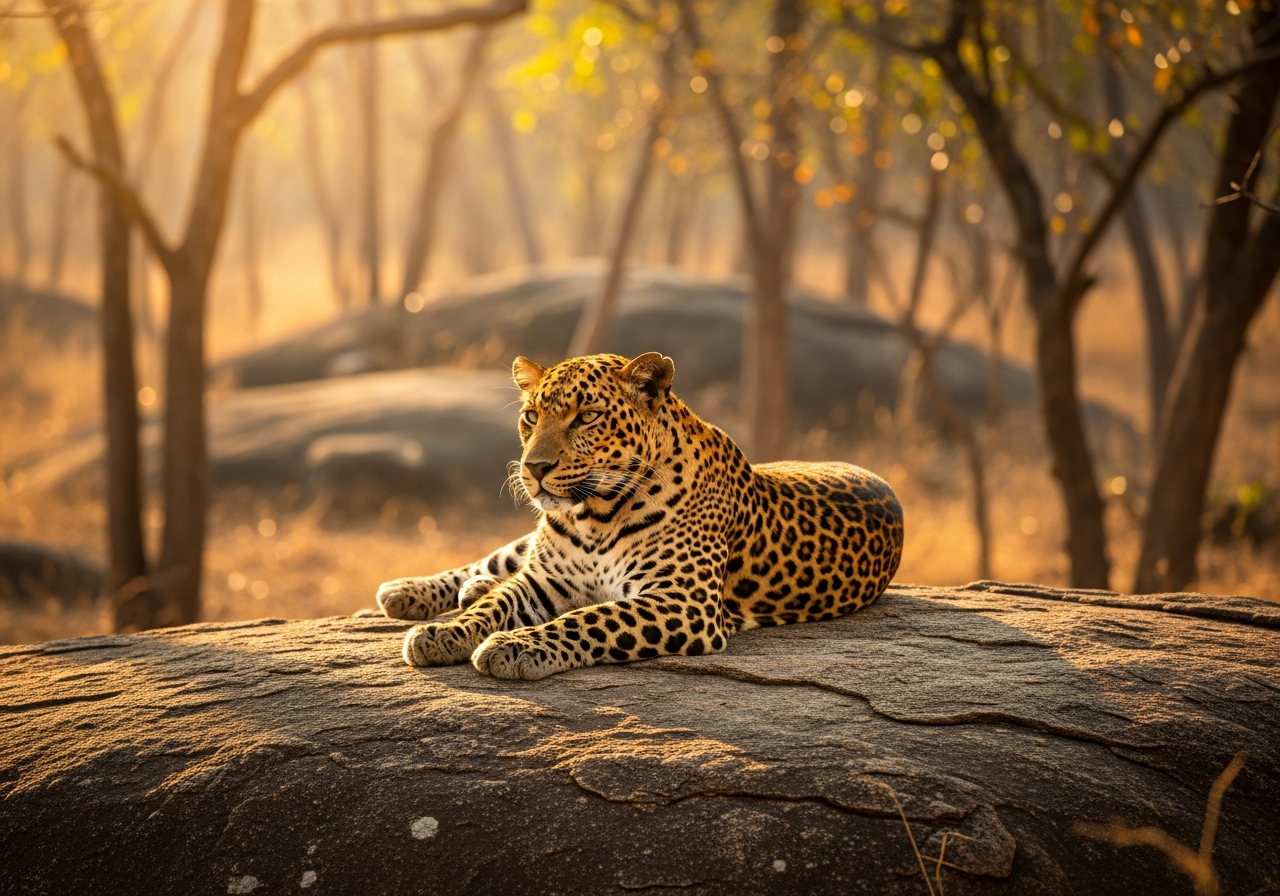
India · Sri Lanka · Kenya · Tanzania · South Africa
Save the Leopard
Snared, poisoned and trafficked, the leopard is one of the most persecuted big cats on earth. Fund partner-led snare response, conflict mitigation and rescue through grants in India, Sri Lanka, Kenya, Tanzania and South Africa.
Support this appeal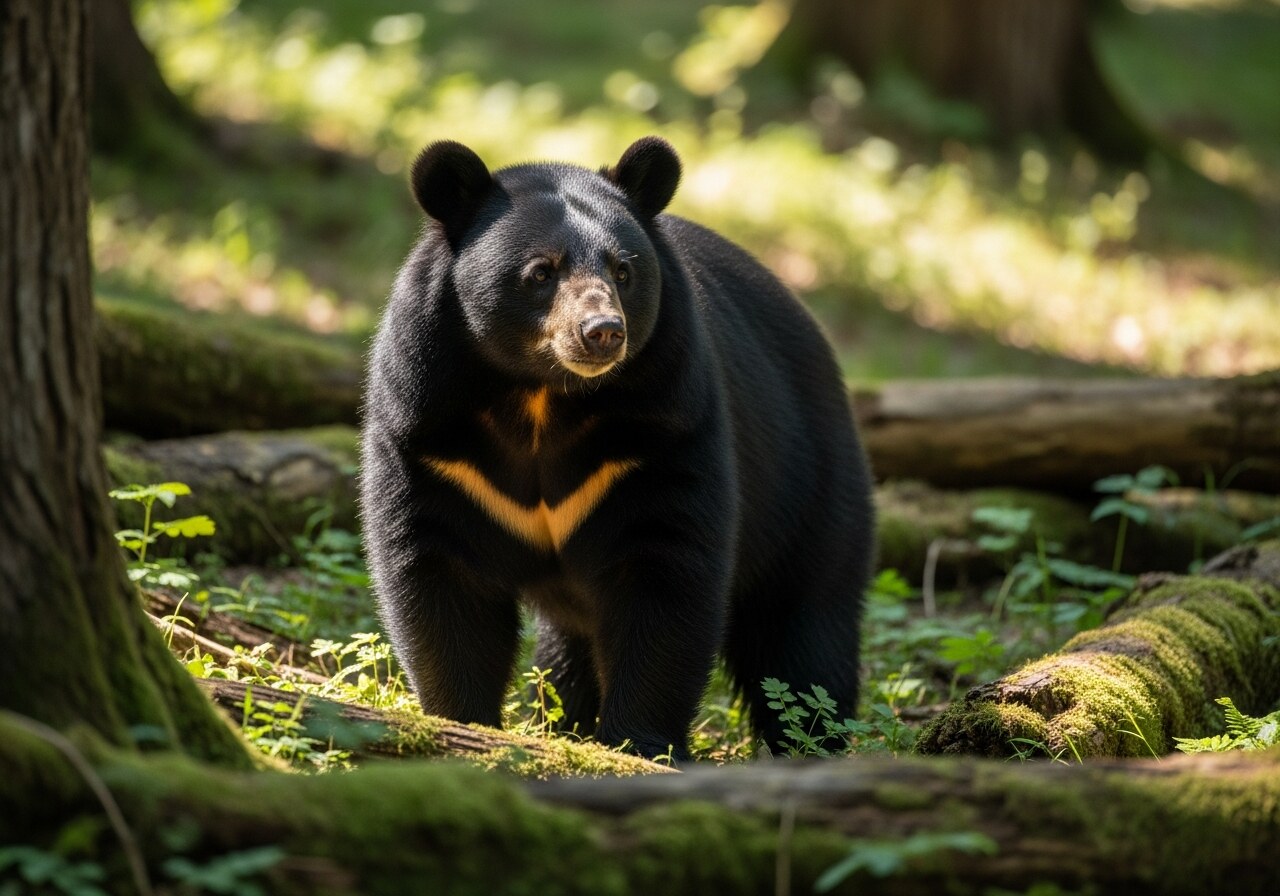
Indonesia · Malaysia
Rescue Asia's Moon Bears
Moon bears face bile farming, trafficking and habitat loss across Southeast Asia. Fund sanctuary care, rescue operations and welfare support through partners in Indonesia and Malaysia.
Support this appealHelp the Animals of India
Your donation funds the rescue teams, sanctuaries, and programmes protecting wildlife and street animals across India.
Donate Now