Guide 1
Why Working Horses Need International Support
Working horses pull carts, transport goods, support farming and keep low-income households earning. In many high-need areas, owners have little access to affordable veterinary care, farriery, dental treatment or humane harness equipment.
Guide 2
What Helps Working Horses Most
The most direct support funds field care: wound treatment, lameness care, hoof trimming, dental work, parasite control, pain relief, nutrition advice and owner education. These interventions reduce pain quickly and help prevent repeat injuries.
Guide 3
Why This Is Different from UK Horse Rescue
In the UK, horse rescue often means sanctuary, rehoming or retirement. Overseas working horse welfare usually means treating the horse where it works so the animal suffers less and the family does not lose its income.
Guide 4
UK Donor Path for Working Horses
Donate at working horses appeal in GBP. WARN grants to Pakistani partners running mobile equine clinics — farriery, dental care, wound treatment and humane harness education for cart horses and working horses in urban and rural settings.
Guide 5
Cart Horse Welfare in South Asia
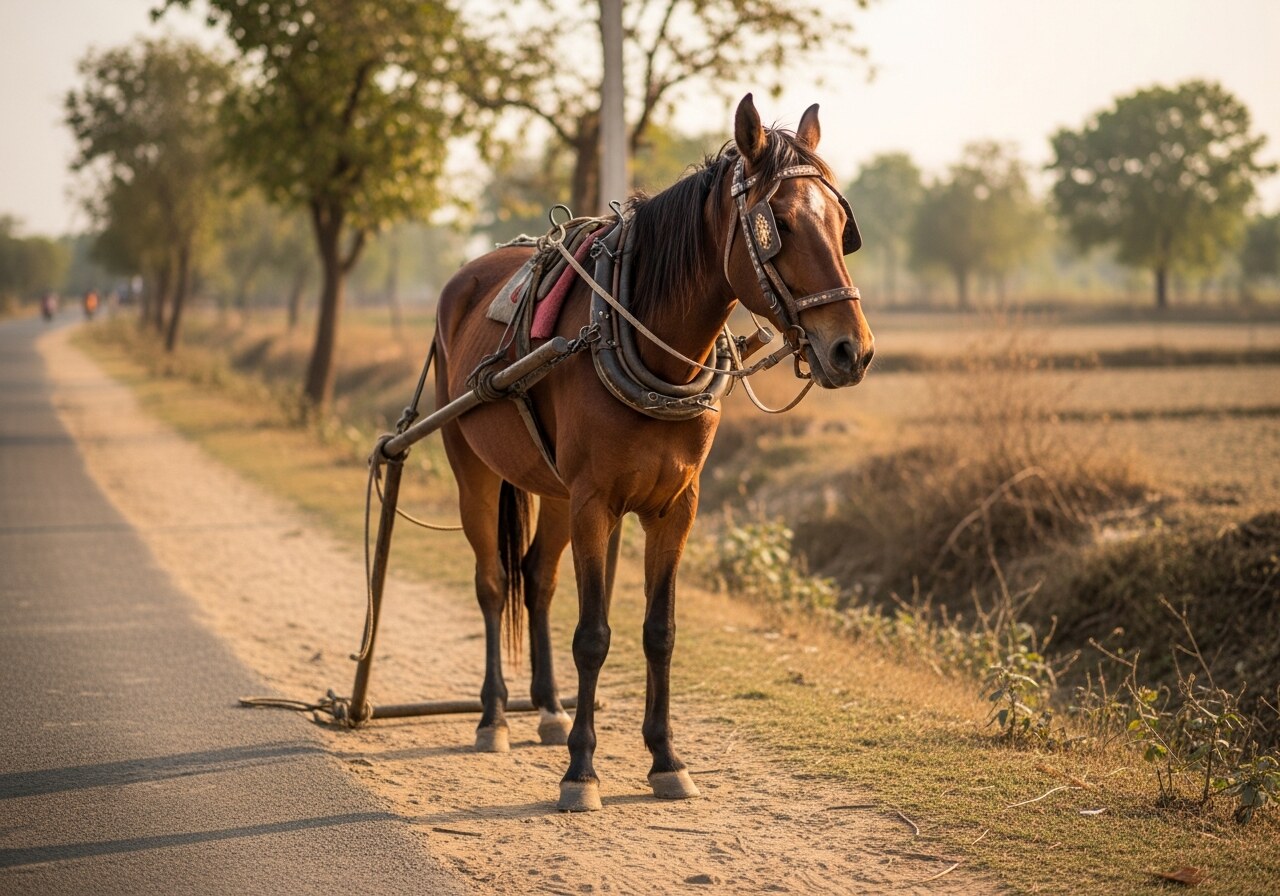
Working horses haul goods, passengers and construction materials in heat and traffic with inadequate rest or hoof care. Lameness, colic and harness wounds are routine. Mobile clinics treat horses in situ where owners depend on their labour.
Guide 6
Why UK Donors Choose WARN — Transparent Partner Grants
WARN is a registered UK Community Interest Company (Company no. 17298990) and is not a charity, so it cannot claim Gift Aid. The donation case is transparent partner-led welfare where support reaches practical field needs. WARN states upfront that gifts fund WARN's 17-country partner network across South Asia, Southeast Asia, East Africa, Southern Africa and South America programmes through vetted local partners — not WARN-run sanctuaries. Every gift is receipted; give one-off at donate or monthly at monthly giving.