Guide 1
Why Rabies Vaccination for Street Dogs Matters
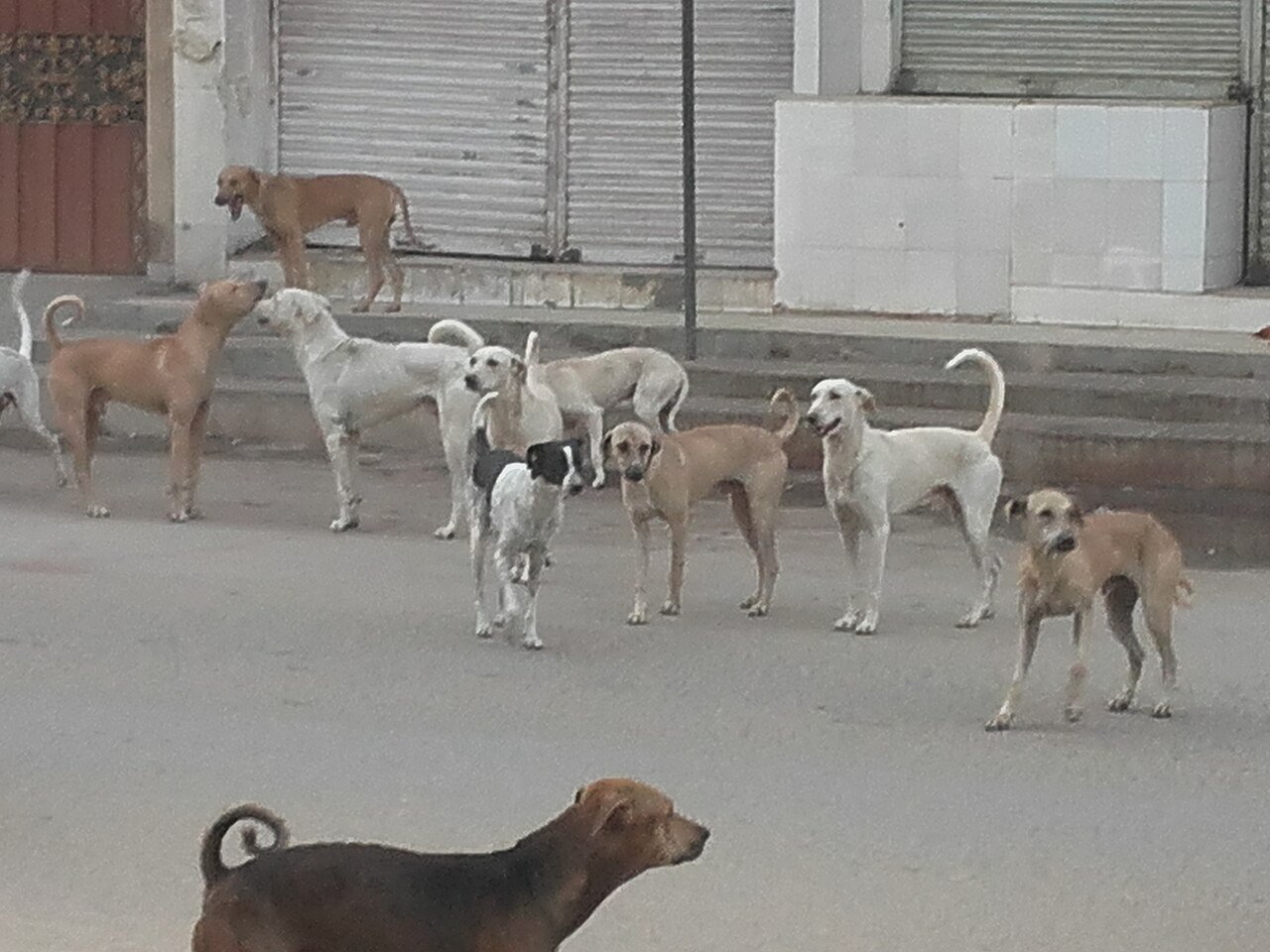
Roughly 99% of human rabies deaths come from dog bites — mostly in Asia and Africa. WHO estimates about 59,000 human rabies deaths annually. Mass dog vaccination, not culling, is the evidence-based control method. CNVR delivers vaccination alongside neutering.
Guide 2
The 70% Coverage Threshold
WHO guidance targets roughly 70% rabies vaccination coverage in the free-roaming dog population to interrupt transmission. Achieving this requires sustained CNVR rounds over three to five years — not one-off campaigns. Monthly donor income helps partners maintain schedules.
Guide 3
CNVR — Catch, Neuter, Vaccinate, Return
Dogs are humanely caught, neutered under anaesthetic, vaccinated against rabies, marked for identification and returned to territory. Stable vaccinated populations protect communities better than culling, which creates a vacuum effect.
Guide 4
Where WARN Funds Rabies Vaccination
Pakistan (Karachi and Lahore), the Philippines (Manila, Cebu, Davao), India and Nepal within the 17-country network. Donate at Karachi street dogs appeal or donate directed to street dog welfare.
Guide 5
Cost Per Vaccinated Dog
Roughly £15–25 funds one dog through catch, surgery, rabies vaccine and return when pooled with partner infrastructure. £100 supports a small clinic day vaccinating dozens of dogs.
Guide 6
UK Donor Route
Donate in GBP at donate or Karachi street dogs appeal. See help street dogs abroad and why dog culling does not work for full CNVR context.
Guide 7
WHO Vaccination Thresholds
WHO guidance targets roughly 70% rabies vaccination coverage in the free-roaming dog population to interrupt transmission. CNVR delivers vaccination alongside neutering — the integrated model WARN funds in Pakistan, the Philippines, India and Nepal.