Wildlife appeal · Indonesia & Malaysia
Save the wild tiger
Fewer than 5,000 tigers cling on — hunted for skins and bone, squeezed from their forests. Help fund the teams on the front line in Indonesia and Malaysia.
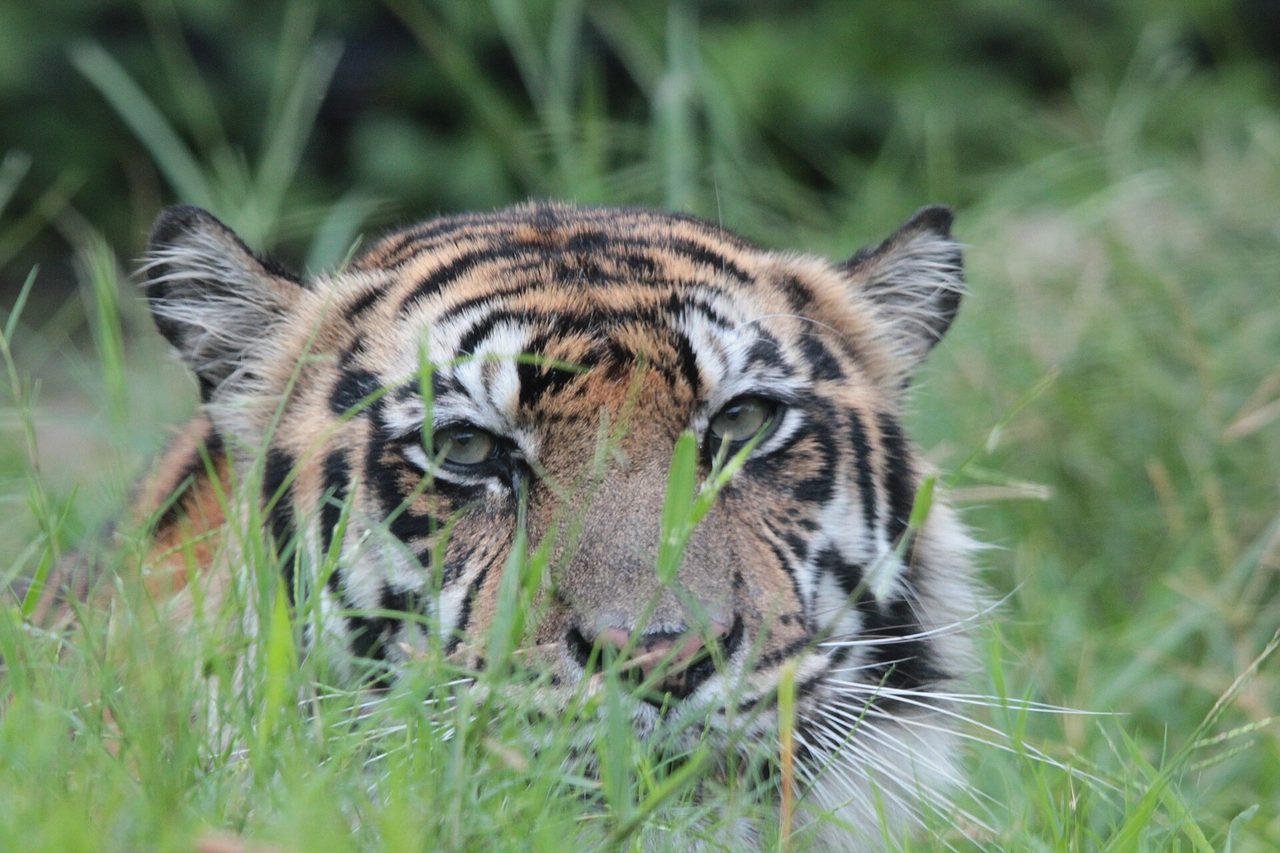
In brief
Fewer than 5,000 wild tigers remain — Endangered and declining after losing most of their historic range. UK donors can fund anti-poaching, conflict response and rescue for tigers caught in snares, captivity and the illegal trade through WARN partners in Indonesia and Malaysia, its in-network focus.
<5,000
Wild tigers remaining (IUCN)
~400
Sumatran tigers left (est.)
Endangered
IUCN Red List — all living subspecies
2
WARN in-network countries
Figures: IUCN Red List tiger assessment. See sources below.
A century ago around 100,000 tigers roamed Asia. Today fewer than 5,000 survive. WARN funds partner anti-poaching, conflict response and rescue in Indonesia and Malaysia — home to the Critically Endangered Sumatran and Malayan tigers. Read our Sumatran tiger briefing and snaring crisis explainer.
What threats do tigers face?
Poaching & the parts trade
Tigers are killed for skins and bone destined for illegal markets. As wild populations shrink, every poaching loss matters disproportionately — especially for small subspecies like the Sumatran tiger.
Tiger listed CITES Appendix I since 1975
Habitat loss & fragmentation
Forests cleared for palm oil, logging and settlement isolate tiger populations. Sumatra and Peninsular Malaysia have lost vast primary forest in recent decades.
Sumatran tiger Critically Endangered — ~400 remain
Human–tiger conflict
When tigers stray into villages or plantations, fear can turn quickly to retaliation. Rapid-response teams that safely manage conflict protect both people and cats.
Conflict is a leading cause of tiger mortality near forest edges
Snaring
Wire snares set for deer and pigs kill tigers indiscriminately across Southeast Asia. Snared tigers often walk on with crippling injuries until infection or starvation ends their lives.
Snaring crisis documented across Southeast Asian forests
Captive tiger facilities
Thousands of tigers live in captivity with no conservation value — bred for tourism, selfies or parts. These facilities add a welfare crisis separate from wild population decline.
Captive tigers outnumber wild tigers in some estimates
Tiger subspecies compared
| Subspecies | Status | Population (est.) | WARN network |
|---|---|---|---|
| Sumatran (P. t. sumatrae) | Critically Endangered | ~400 | Indonesia ✓ |
| Malayan (P. t. jacksoni) | Critically Endangered | ~150 | Malaysia ✓ |
| Bengal (P. t. tigris) | Endangered | ~3,000+ | Search context only |
| Siberian (P. t. altaica) | Endangered | ~500 | Search context only |
Quick tiger facts
| Historic population | ~100,000 tigers a century ago |
|---|---|
| Current wild total | Fewer than 5,000 (IUCN) |
| Largest cat | Tigers are the largest living cat species |
| Gestation | ~103 days; usually 2–4 cubs |
| WARN focus | Indonesia and Malaysia — Sumatran and Malayan tigers |
| Symbolic adoption | Adopt a tiger from £5/month |
| CITES | Appendix I — commercial international trade banned |
| What WARN does not fund | Tiger tourism venues offering riding or contact |
What does WARN fund?
Partner-led patrols, conflict teams and sanctuary rescue — see the tiger wildlife guide.
Focus 1
Anti-Poaching Support
Patrol kit, monitoring and ranger capacity keeping poachers out of tiger forests.
Focus 2
Conflict Response
Rapid-response teams when tigers stray into villages — protecting people and cats.
Focus 3
Rescue from the Trade
Partner sanctuaries taking in tigers seized from traffickers or grim captive conditions.
Focus 4
Habitat & Corridors
Protecting and reconnecting fragmented forests tigers need to survive.
Choose your gift
Secure checkout · Certificate emailed within 4 hours of payment.
WARN is a registered global not-for-profit animal welfare organisation, not a charity, so it cannot claim Gift Aid. The donation case is transparency: low fixed costs and partner-led delivery in the countries where help is needed.