Guide 1
What Is the Donkey Skin Trade?
The donkey skin trade supplies hides used to make ejiao, a gelatine product used in traditional medicine and consumer goods. Rising demand has placed pressure on donkey populations and created incentives for theft, illegal slaughter and cross-border trafficking.
Guide 2
Why It Hurts Poor Communities
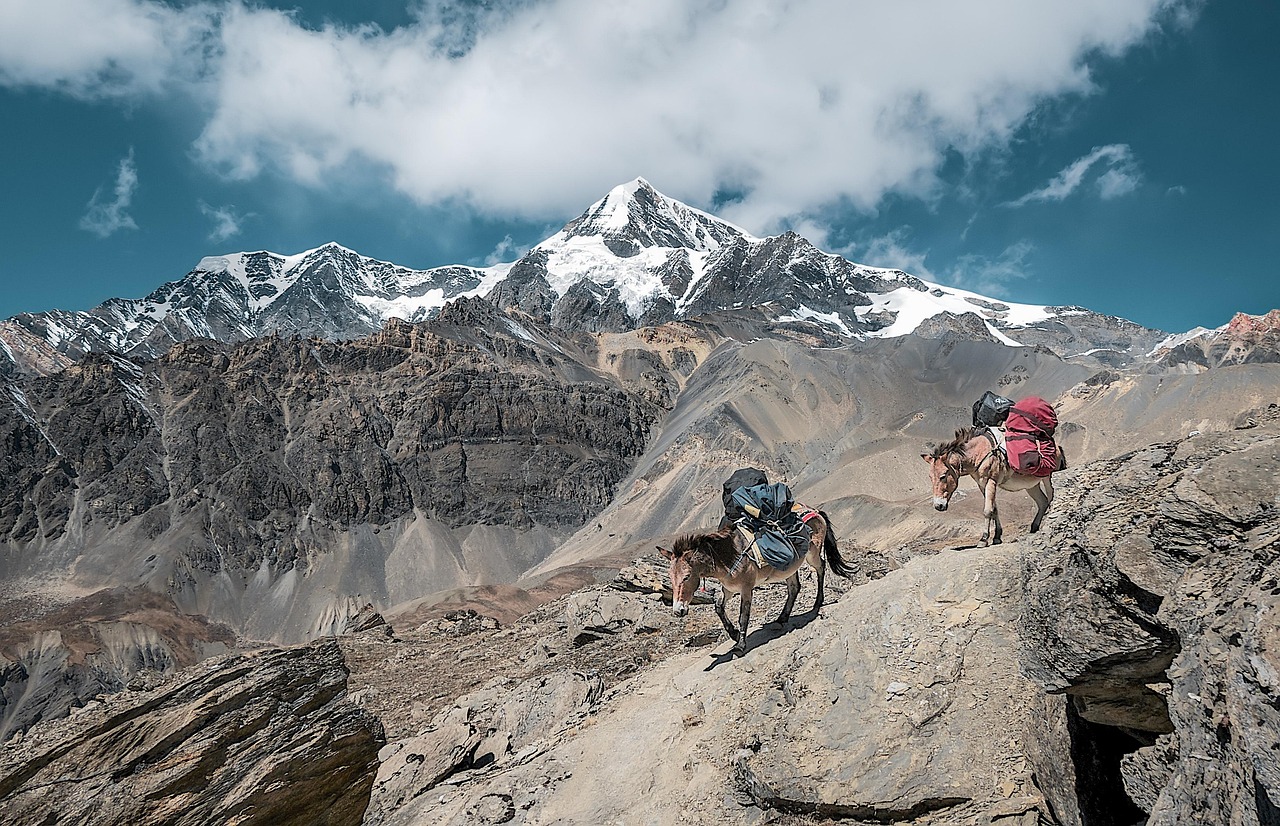
For many low-income households, a donkey is transport, income and resilience. Losing a donkey to theft or slaughter can remove the family’s ability to carry water, reach markets or earn daily wages.
Guide 3
How Welfare Work Helps
Protecting working donkeys requires veterinary care, owner support, community awareness and enforcement against theft and illegal slaughter. Healthy, valued donkeys are less likely to be abandoned or sold under pressure.
Guide 4
Ejiao and the Global Donkey Skin Trade
Ejiao is a gelatin product made from donkey hides, used in some traditional medicine markets. Demand has driven mass theft and slaughter of working donkeys across Africa and Asia — collapsing rural economies that depend on donkey labour.
Guide 5
Protecting Working Donkeys from Theft
WARN's working donkey programme in Pakistan includes community awareness and veterinary support that indirectly protects against theft — healthy, identifiable working donkeys with owner networks are harder targets. See working donkeys appeal.
Guide 6
Why UK Donors Choose WARN — Transparent Partner Grants
WARN is a registered UK Community Interest Company (Company no. 17298990) and is not a charity, so it cannot claim Gift Aid. The donation case is transparent partner-led welfare where support reaches practical field needs. WARN states upfront that gifts fund WARN's 17-country partner network across South Asia, Southeast Asia, East Africa, Southern Africa and South America programmes through vetted local partners — not WARN-run sanctuaries. Every gift is receipted; give one-off at donate or monthly at monthly giving.