India · Sri Lanka · Kenya · Tanzania · South Africa
Save the leopard
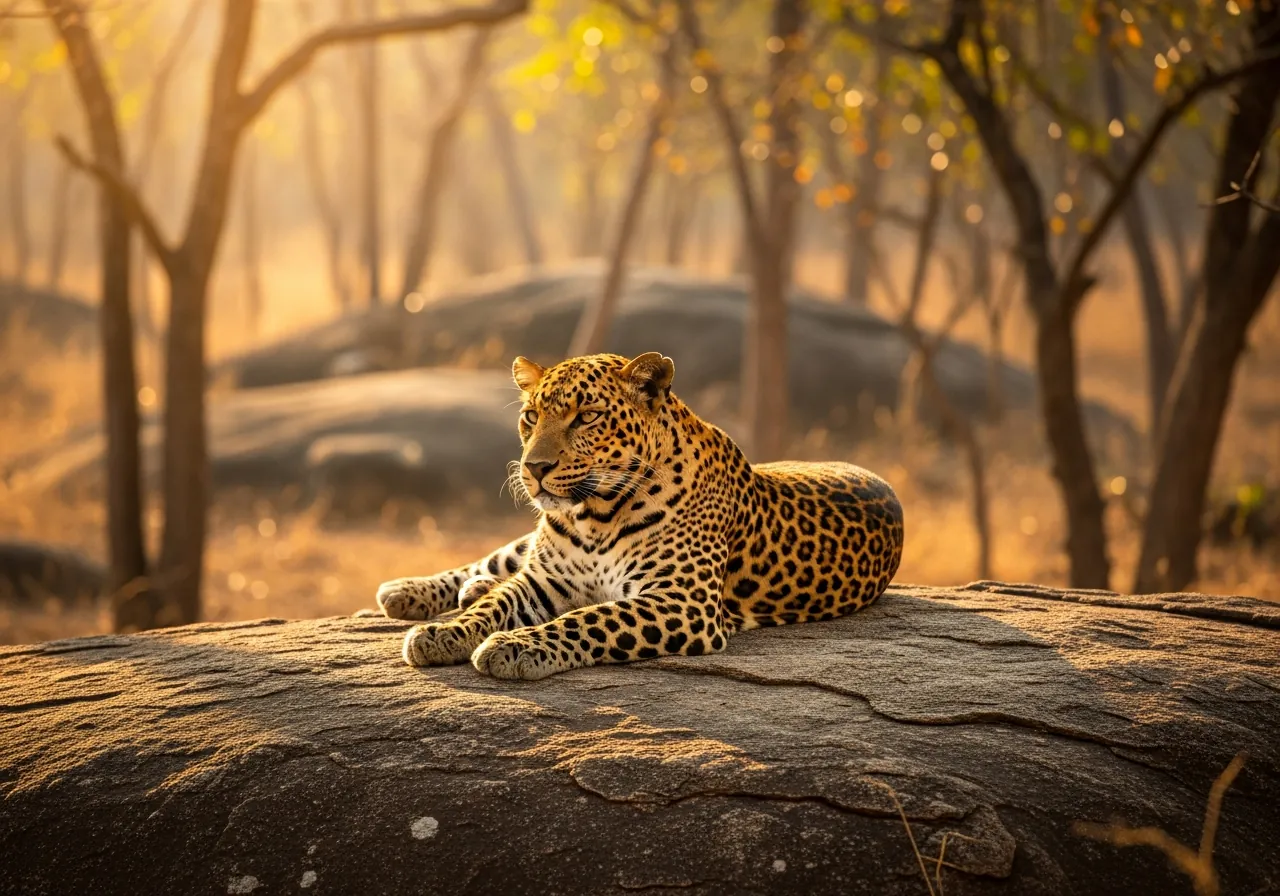
The most adaptable big cat — and one of the most persecuted. Learn what's driving the decline and how an unrestricted gift supports WARN's in-network rescue work.
In brief
Leopards have lost an estimated 63–75% of their historic range and are listed as Vulnerable — several subspecies are far more imperilled. WARN funds partner-led snare response, conflict mitigation and rescue in India, Sri Lanka, Kenya, Tanzania and South Africa through grants — not WARN-run facilities.
By the WARN Research & Conservation TeamChecked against IUCN Red List & CITES sourcesLast updated
Give monthly — the most effective way
What your monthly gift can do
Regular gifts let our partners plan rescues, veterinary care and sanctuary capacity ahead of time. WARN's target is for at least 80% of unrestricted donations to fund programme delivery — grants to partner shelters, sanctuary capacity, veterinary care and rescue across the network.
£25 /month
helps vaccinate street dogs against rabies through WHO-endorsed CNVR — sustained month after month.
Start £25/month£50 /month
helps fund emergency veterinary care for a working donkey or horse — sustained month after month.
Start £50/month£100 /month
supports the rescue-to-sanctuary journey for a trafficked animal — sustained month after month.
Start £100/monthFigures are illustrative of partner-led costs and are not a guarantee of how any single gift is spent. Prefer a single gift? Give once instead.
63–75%
Historic range lost (IUCN)
Vulnerable
IUCN Red List status
Endangered
Sri Lankan leopard subspecies
5
WARN in-network countries
Figures: IUCN Red List. See sources below.
The leopard crisis
The leopard is the most adaptable of the big cats — and one of the most persecuted. Quietly, it has vanished from most of its historic range. Subspecies such as the Sri Lankan leopard are now Endangered, isolated in shrinking pockets of forest.
Across India, Sri Lanka, Kenya, Tanzania and South Africa, leopards are caught in wire snares, poisoned in retaliation for taking livestock, and killed as they move through farmland and the edges of towns. WARN makes partner grants for snare response, conflict mitigation and rescue in these in-network countries.
What threatens leopards?
Snaring & bushmeat bycatch
Wire snares set for antelope and pigs kill leopards across Asia and Africa. Leopards are among the most common big-cat victims of indiscriminate snaring.
Snares maim and kill leopards daily across their range
Retaliatory killing
When leopards take livestock — or are blamed for losses — farmers poison, trap or shoot them. Conflict is rising as leopards adapt to farmland and even towns.
Conflict is a leading cause of leopard mortality
Skin & bone trafficking
Leopard skins and bones are trafficked for traditional medicine and decoration, increasingly as a substitute for tiger parts. Illegal trade adds pressure on already declining populations.
Leopard parts substitute for tiger in some markets
Habitat loss
Forest clearance and fragmentation isolate populations. The Sri Lankan leopard and other subspecies survive in shrinking pockets with reduced genetic diversity.
Subspecies in small ranges face highest risk
Road & rail mortality
As leopards cross roads and railways at night, vehicle collisions kill breeding adults. Mitigation requires fencing, underpasses and speed enforcement.
Infrastructure kills leopards in fragmented landscapes
Leopard populations and subspecies
| Population / subspecies | Estimate | IUCN status | Key range |
|---|---|---|---|
| African leopard | Declining; no reliable global count | Vulnerable (species) | Sub-Saharan Africa |
| Indian leopard | Roughly 12,000–14,000 | Vulnerable | India, Nepal, Bhutan |
| Sri Lankan leopard | 700–950 | Endangered | Sri Lanka only |
| Persian (Caucasian) leopard | <1,000 | Endangered | Iran, Caucasus, Central Asia |
| Amur leopard | ~120 in wild | Critically Endangered | Russia–China border |
| Javan leopard | 250–500 | Critically Endangered | Java, Indonesia |
Quick leopard facts
| Scientific name | Panthera pardus |
|---|---|
| Weight | Males ~30–90 kg depending on region; females smaller |
| Diet | Carnivore — from insects to antelope; highly adaptable |
| Habitat | Most adaptable big cat — forest, savanna, mountains, semi-desert |
| Activity | Mostly nocturnal and solitary |
| CITES | Appendix I |
| Climbing | Stores kills in trees to avoid scavengers |
Key facts
- Leopards are the most adaptable big cats — yet they have vanished from most of their historic range.
- Snaring, retaliatory killing and trafficking in skins and bones are among the deadliest threats.
- Several subspecies — Amur, Javan, Sri Lankan — are Endangered or Critically Endangered.
- Leopards increasingly enter farmland and towns, raising conflict that often ends in poisoning.
- WARN makes partner grants in India, Sri Lanka, Kenya, Tanzania and South Africa for snare response, conflict mitigation and rescue.
- An unrestricted gift still supports the most urgent partner-led rescue need across all 17 network countries.
Give Where It's Needed Most
Partner grants in India, Sri Lanka, Kenya, Tanzania and South Africa fund snare response, conflict mitigation and rescue for leopards.