Working donkey appeal · Pakistan
Help Working Donkeys
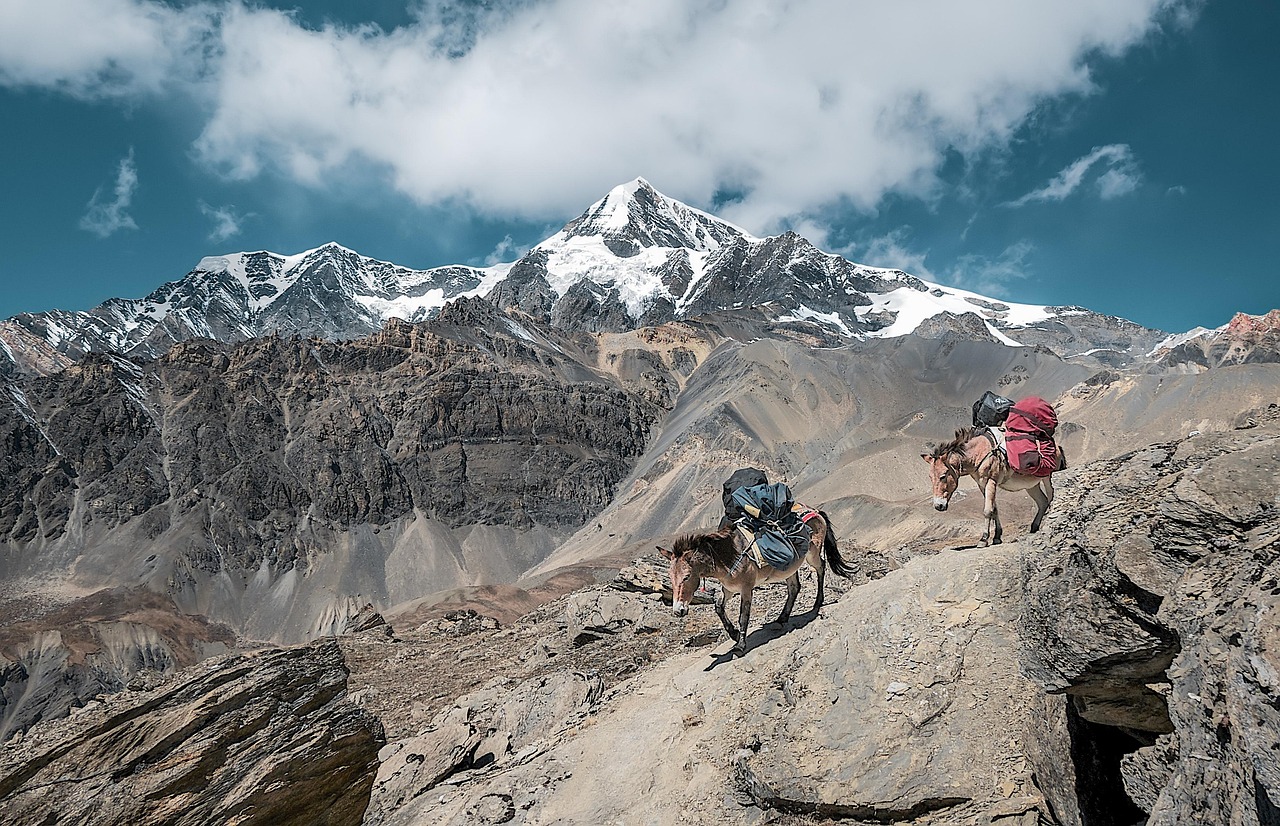
Working donkeys carry water, bricks, market goods and family livelihoods. Many suffer painful wounds, bad hooves, dental disease and exhaustion without veterinary care.
In brief
The best way to help abused or overworked donkeys abroad is to fund mobile veterinary clinics, hoof and dental care, wound treatment, humane harness support and owner education where the donkeys actually work. WARN funds partner-led donkey welfare in Pakistan, its in-network focus country.
~50M
Donkeys worldwide
~116M
Working horses, donkeys & mules
~600M
People who depend on them
Pakistan
WARN’s in-network focus
Figures: FAO/FAOSTAT and peer-reviewed research. Full citations in the Sources section below.
Why Do Working Donkeys Need Help?
For millions of families, a donkey is not a pet — it is the engine of the household. In Pakistan, WARN’s in-network focus, donkeys haul water, bricks, fodder and market goods, and work in agriculture, construction and waste collection. When the donkey is healthy, the family can earn; when it is injured or sick, that income can disappear overnight.
Yet the people who rely on donkeys are often poor themselves, with no affordable access to vets, farriers or humane harness equipment. The result is widespread, preventable suffering: open harness sores, untreated hooves, dental pain, parasites, dehydration and exhaustion. Because owner and animal share the same hardship, helping the donkey almost always helps the family too.
WARN’s role is not to run clinics itself but to fund partner-led working-equine welfare — mobile treatment, emergency care, practical equipment and owner education that reduce pain now and prevent it returning.
What Welfare Problems Do Working Donkeys Face?
Most are preventable with basic care. In peer-reviewed research on working donkeys in Pakistan, around 65% of owners reported load-related injuries, with wounds and lameness the most common (see Sources).
Harness & load wounds. Ill-fitting harnesses, ropes and overloading rub and cut, leaving painful open sores.
Lameness & hoof disease. Overgrown, cracked or untrimmed hooves and poor farriery are a leading cause of pain.
Dental pain. Sharp points and untreated teeth make eating — and working — painful and inefficient.
Dehydration & heat stress. Long hours in high temperatures with too little water and rest exhaust the animal.
Parasites & skin disease. Worms and untreated skin infections quietly drain body condition and strength.
Untreated injuries & infection. Wounds are often left without pain relief, antibiotics or basic first aid.
Overwork & poor nutrition. Too much work on too little feed shortens a donkey’s healthy working life.
How Many Working Donkeys And Equids Are There?
There are an estimated 50 million donkeys worldwide, and most of them work. Together with horses and mules, around 116 million working equids support the livelihoods of roughly 600 million people, overwhelmingly in low- and middle-income countries. Because donkeys are frequently left out of official livestock counts, the real totals may be higher.
| Donkeys worldwide | ~50 million |
|---|---|
| Working equids (horses, donkeys & mules) | ~116 million |
| People who depend on working equids | ~600 million |
| Where most donkeys live | ~61% Africa · ~26% Asia |
| Donkeys in Pakistan (WARN’s focus) | ~5.9 million |
| Most common work | Water, bricks, farm loads, market transport, waste |
| Top welfare problems | Wounds, lameness, hoof & dental disease |
| WARN’s role | Funds partner-led mobile vet care, farriery & owner education |
Figures from FAO/FAOSTAT and peer-reviewed welfare research. See Sources below.
What Does WARN Fund For Working Donkeys?
WARN funds partner-led welfare in Pakistan — practical, field-based care delivered by local teams who know the communities and the donkeys.
Mobile vet clinics
Field treatment for wounds, infection, colic, lameness and exhaustion — taken to where the donkeys are.
Hoof & dental care
Farriery, tooth rasping and pain relief for donkeys who may never have seen a vet or farrier.
Humane harness support
Better-fitting equipment and practical guidance that prevent recurring load and harness wounds.
Emergency medicines
Antibiotics, pain relief, deworming and wound supplies for urgent and neglected cases.
Owner education
Training so families can prevent pain, spread the load and extend a donkey’s working life.
The Donkey Skin Trade: The Wider Picture
Educational context · not a WARN partner programme
Beyond everyday welfare, working donkeys face a second threat: the global trade in their skins. The hides are processed into ejiao, a traditional remedy made from donkey-skin collagen. Soaring demand has driven a large and often illegal international trade, and donkey populations have fallen sharply in some regions as a result. Most of the world’s donkeys live in Africa, and in February 2024 the African Union agreed a continent-wide 15-year moratorium on slaughtering donkeys for their skins.
We include this so the page reflects the full picture facing donkeys worldwide — but it is wider context, not WARN’s work. WARN’s funded focus is practical, partner-led welfare for working donkeys in Pakistan.
How Your Donation Helps
Every gift funds partner-led field care for working donkeys. The maximum possible share reaches the animals that need it.
£25
Hoof & wound care
Helps fund farriery and wound treatment for donkeys who have never seen a vet.
£60
Mobile clinic visit
Helps fund a mobile veterinary visit that brings treatment to where donkeys work.
£150
Community welfare day
Helps fund a field day of veterinary care, dental work and owner education.
Working Donkeys FAQ
Why do working donkeys need help?
What welfare problems do working donkeys face?
How many working donkeys are there in the world?
How many people depend on working donkeys and other equids?
Where does WARN's working-donkey work happen?
Does WARN remove donkeys from their owners?
What is the donkey skin trade?
Can UK donors support donkey welfare abroad?
Sources
Figures on this page are drawn from primary, peer-reviewed and government sources.
- FAO / FAOSTAT — Global and country livestock data — about 50 million donkeys worldwide and roughly 5.9 million in Pakistan.
- Overview of Donkey Welfare and Husbandry Practices in Asia — Animals (MDPI), 2025 — Peer-reviewed: regional distribution (~61% Africa, ~26% Asia) and Pakistan welfare data, where about 65% of owners report load-related injuries.
- The Socioeconomic Impact of Diseases of Working Equids in Low- and Middle-Income Countries — Animals (MDPI), 2023 — Peer-reviewed: around 116 million working equids worldwide support the livelihoods of roughly 600 million people.
- African Union (AU-IBAR) — moratorium on the slaughter of donkeys for their skins (adopted 2024) — The African Union’s Inter-African Bureau for Animal Resources led the continent-wide moratorium on killing donkeys for the skin trade.