South Africa · Kenya · India · Nepal · Indonesia
Stop the rhino poaching crisis
Roughly one rhino is killed for its horn every day in Africa. Learn what's driving the trade — and how an unrestricted gift supports WARN's in-network rescue work.
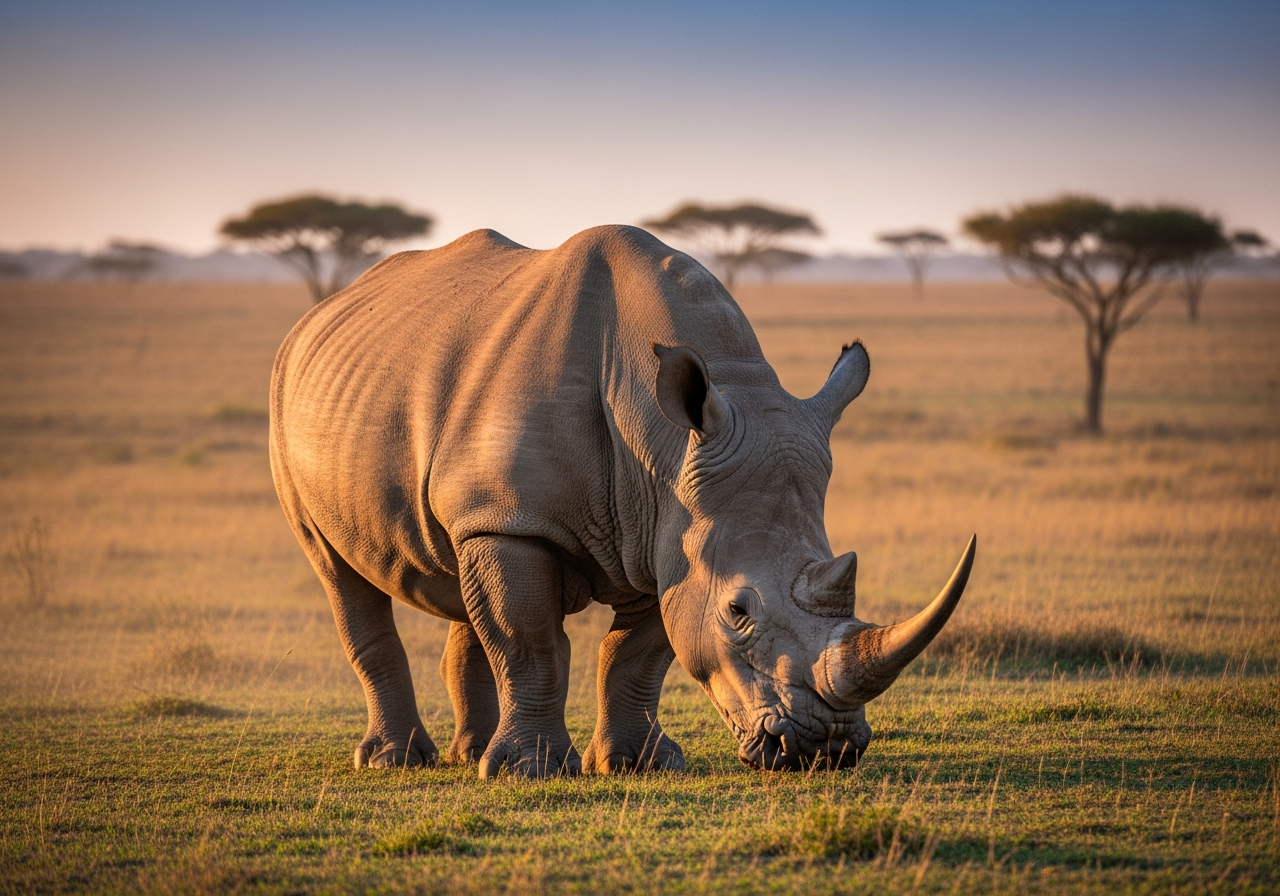
In brief
Around 27,000 rhinos remain across five species — with African white and black rhinos bearing the brunt of poaching for horn made of keratin. WARN funds partner-led anti-poaching, veterinary response and orphan care in South Africa, Kenya, India, Nepal and Indonesia through grants — not WARN-run facilities.
~27,000
Rhinos worldwide (all species)
~1/day
Poached in South Africa (recent years)
CR
Black, Sumatran & Javan rhino status
5
WARN in-network countries
Figures: IUCN Red List assessments. See sources below.
The rhino crisis
Rhinos have walked the earth for millions of years. Now organised crime hunts them for horn made of nothing more than keratin. South Africa, home to most of the world's rhinos, loses on the order of one rhino a day to poaching.
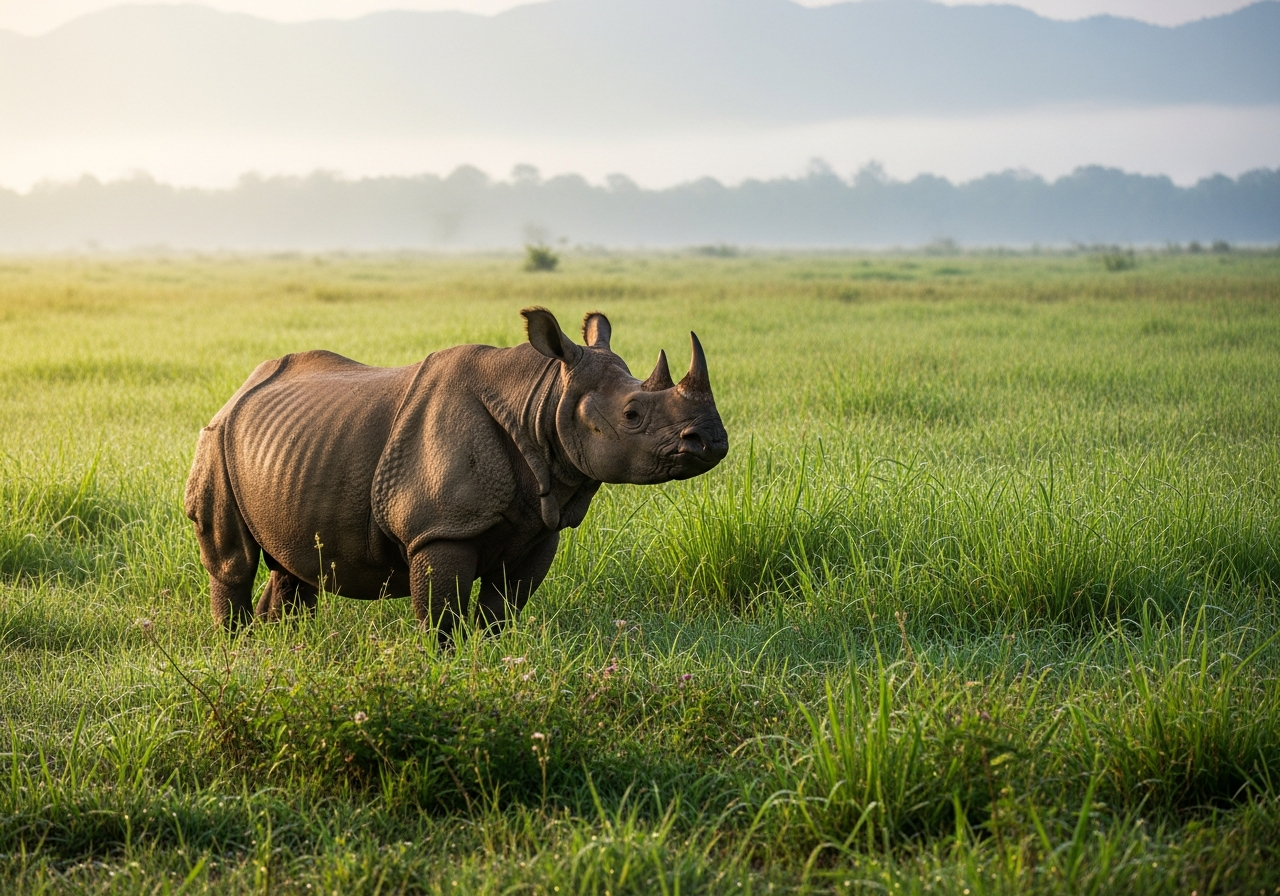
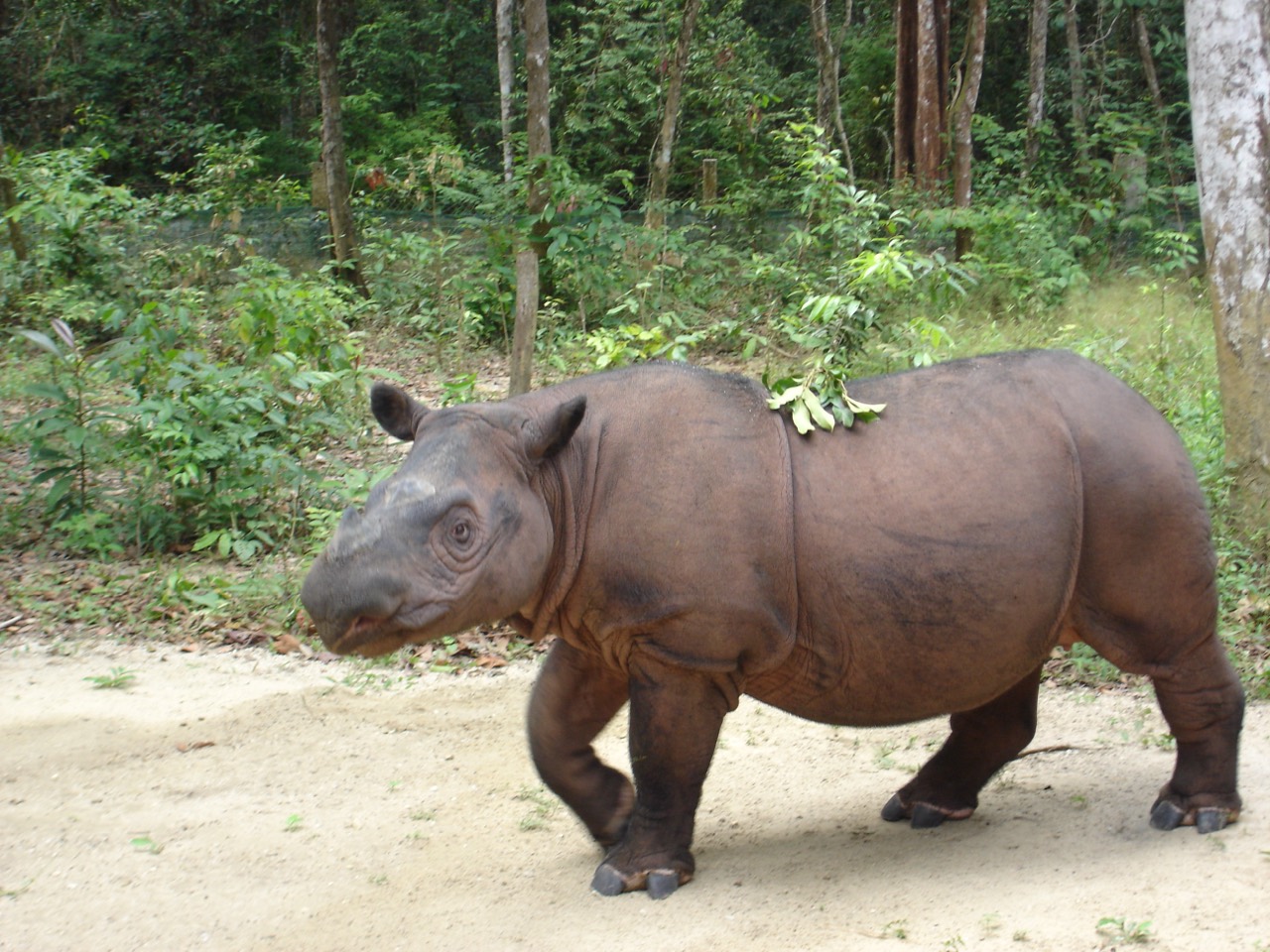
In India and Nepal, the greater one-horned rhino has recovered from near-extinction through fierce protection — but remains a target. Sumatran and Javan rhinos cling to tiny forest fragments in Indonesia. WARN makes partner grants across South Africa, Kenya, India, Nepal and Indonesia for anti-poaching and veterinary response.
What threatens rhinos?
Poaching for horn
Rhino horn is trafficked to demand markets where it is wrongly believed to have medicinal value. Horn is keratin — the same protein as hair and fingernails — with no proven medical benefit. Organised crime drives most poaching.
South Africa loses on the order of one rhino a day to poaching
Habitat loss
Grassland and forest conversion reduces range for all rhino species. Small populations become genetically isolated and harder to protect.
Javan and Sumatran rhinos hold tiny ranges
Orphan calves
When a mother is poached, her dependent calf may starve or fall prey. Orphan rearing is expensive and technically demanding — yet essential when poaching kills breeding females.
Each poaching death can orphan a calf
Armed conflict & insecurity
In some range states, park rangers face armed poachers. Insecurity disrupts monitoring and anti-poaching patrols.
Rangers are among conservation's highest-risk jobs
Demand reduction gap
Enforcement alone cannot end poaching while demand persists. Consumer education and trafficking disruption must run alongside field protection.
Demand markets drive the trade
All five rhino species at a glance
| Species | Population | IUCN status | Primary range |
|---|---|---|---|
| White rhino (southern) | ~15,000–16,000 | Near Threatened | South Africa, Namibia, Kenya, Zimbabwe |
| White rhino (northern) | 2 (captive only) | Critically Endangered | Extinct in wild; last males died 2018/2023 |
| Black rhino | ~3,100–3,200 | Critically Endangered | East & Southern Africa |
| Greater one-horned | ~4,000+ | Vulnerable (increasing) | India, Nepal |
| Sumatran rhino | <80 | Critically Endangered | Indonesia, Malaysia |
| Javan rhino | ~76 | Critically Endangered | Ujung Kulon, Java, Indonesia only |
Quick rhino facts
| Horn composition | Keratin — same protein as hair and fingernails |
|---|---|
| Weight | Up to ~2,300 kg (white rhino — largest) |
| Gestation | ~15–16 months |
| Lifespan | ~35–50 years in the wild |
| CITES | Appendix I (most populations) or II with annotation |
| Diet | White: grazer; black, Sumatran, Javan: browsers |
Key facts
- Roughly 27,000 rhinos remain — poaching for horn remains the dominant threat to African populations.
- Black, Sumatran and Javan rhinos are Critically Endangered; the northern white rhino is functionally extinct in the wild.
- Greater one-horned rhinos in India and Nepal show that intensive protection can recover a species — but poaching pressure never fully stops.
- Rhino horn has no proven medicinal value — demand is driven by status and traditional beliefs, not science.
- WARN makes partner grants in South Africa, Kenya, India, Nepal and Indonesia for anti-poaching, veterinary response and orphan care.
- An unrestricted gift still supports the most urgent partner-led rescue need across all 17 network countries.
Give Where It's Needed Most
Partner grants in South Africa, Kenya, India, Nepal and Indonesia fund anti-poaching, veterinary response and orphan care for rhinos.