Street dogs · Humane alternatives

Why Dog Culling Does Not Work

Why mass dog culling fails to control street dog populations or rabies, and how CNVR offers a humane evidence-led alternative.

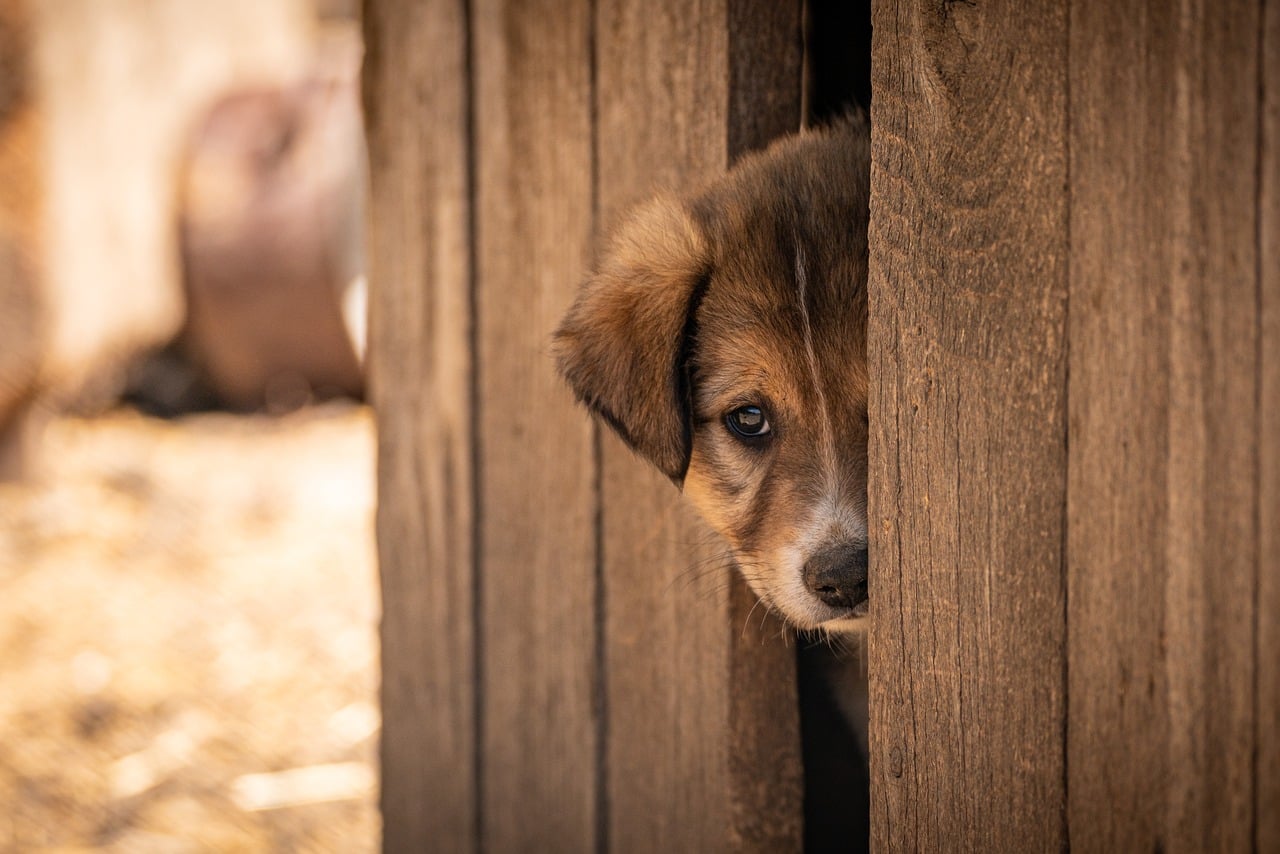
Street dogs resting after humane veterinary treatment

In brief

Dog culling does not work because removed dogs are quickly replaced by breeding and migration, while rabies control depends on vaccination coverage, not killing.

70%

Rabies vaccination target

0

Culling-only successes

CNVR

Humane alternative

99%

Human rabies from dogs

Guide 1

The Vacuum Effect

When dogs are removed from an area, food sources and shelter remain. Surviving dogs breed, and unvaccinated dogs move in from neighbouring areas. This replacement effect means population numbers can rebound quickly after culling.

Guide 2

Why Culling Fails Rabies Control

Rabies is controlled by vaccination coverage. Killing dogs without vaccinating the population does not create herd immunity and may make outreach harder by damaging community trust. Stable vaccinated dogs protect territories and help block transmission.

Guide 3

What Works Instead

Catch-Neuter-Vaccinate-Return combines humane catching, surgery, rabies vaccination, identification and return to territory. When delivered consistently at scale, CNVR reduces breeding, stabilises populations and supports public health.

Guide 4

The Vacuum Effect Explained

Removing visible dogs creates empty territory. New unvaccinated dogs move in within weeks. Surviving dogs breed faster with reduced competition. Rabies coverage never reaches the roughly 70% threshold WHO cites for transmission interruption — so culling fails both welfare and public-health goals.

Guide 5

CNVR as the Evidence-Based Alternative

Catch-Neuter-Vaccinate-Return stabilises vaccinated populations in place. Breeding slows, bite incidents fall and communities build trust with humane field teams. WARN funds CNVR through partners in Pakistan, the Philippines, India and Nepal across the 17-country network.

Guide 6

Why UK Donors Choose WARN — Transparent Partner Grants

WARN is a registered UK Community Interest Company (Company no. 17298990) and is not a charity, so it cannot claim Gift Aid. The donation case is transparent partner-led welfare where support reaches practical field needs. WARN states upfront that gifts fund WARN's 17-country partner network across South Asia, Southeast Asia, East Africa, Southern Africa and South America programmes through vetted local partners — not WARN-run sanctuaries. Every gift is receipted; give one-off at donate or monthly at monthly giving.

Source Notes

WARN uses named intergovernmental, conservation and animal-welfare sources for numeric claims. These notes summarise the source basis for this page.

World Health Organization

WHO guidance emphasises dog vaccination for rabies control.

WOAH animal welfare guidance

Humane dog population management focuses on responsible, evidence-led interventions.

Global rabies control guidance

Sustained vaccination coverage is central to ending dog-mediated human rabies.

Why Dog Culling Does Not Work: Frequently Asked Questions

Does killing street dogs reduce rabies?
No. Rabies control depends on vaccinating enough dogs to interrupt transmission. Culling without vaccination does not create herd immunity.
What is the vacuum effect?
The vacuum effect is the rebound that happens when removed dogs are replaced by new animals or increased breeding among survivors.
What is the humane alternative to dog culling?
The humane alternative is CNVR: Catch-Neuter-Vaccinate-Return, delivered at sufficient scale with community education.
Why do cities still cull dogs if it fails?
Culling is politically visible and fast — but evidence from WHO, WOAH and peer-reviewed studies shows it does not control populations or rabies long term.
What vaccination coverage stops rabies?
WHO guidance targets roughly 70% of the free-roaming dog population vaccinated — achievable only with sustained CNVR, not one-off culls.
Can UK donors fund CNVR instead of culling?
Yes — donate to Karachi street dogs appeal or help street dogs abroad. Gifts fund humane alternatives through local partners.
How long does CNVR take to work?
Typically three to five years of repeated rounds to stabilise populations and reach vaccination thresholds — another reason monthly giving matters.
Is WARN a registered charity?
World Animal Rescue Network (WARN) is World Animal Rescue Network CIC (Company number 17298990), a registered UK Community Interest Company — not a registered charity. See registration status for full legal identity.

Help Fund Frontline Rescue

World Animal Rescue Network CIC (Company no. 17298990) raises funds for established local partners. Your support helps build the rescue capacity these animals need.