Wildlife appeal · Indonesia & Malaysia
Rescue Asia's moon bears
Thousands spend their lives in cages barely larger than their bodies, milked for bile. Help fund the sanctuaries and rescue teams giving them a way out.
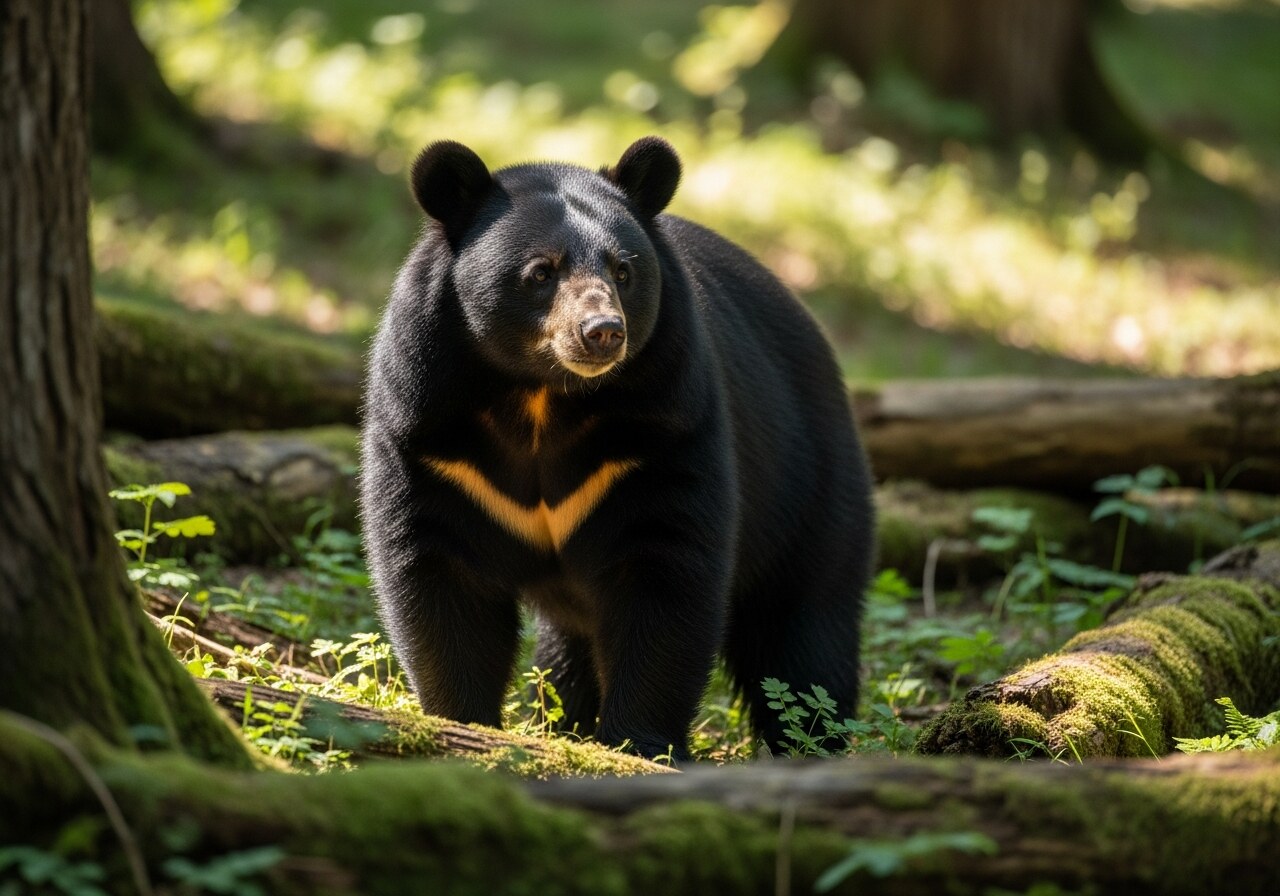
In brief
Moon bears (Asiatic black bears) endure bile farming, trafficking and habitat loss across Southeast Asia — listed Vulnerable and declining. UK donors can fund sanctuary care, rescue operations and welfare support through WARN partners in Indonesia and Malaysia, its in-network focus.
By the WARN Research & Conservation TeamChecked against IUCN Red List & CITES sourcesLast updated
Give monthly — the most effective way
What your monthly gift can do
Regular gifts let our partners plan rescues, veterinary care and sanctuary capacity ahead of time. WARN's target is for at least 80% of unrestricted donations to fund programme delivery — grants to partner shelters, sanctuary capacity, veterinary care and rescue across the network.
£25 /month
helps vaccinate street dogs against rabies through WHO-endorsed CNVR — sustained month after month.
Start £25/month£50 /month
helps fund emergency veterinary care for a working donkey or horse — sustained month after month.
Start £50/month£100 /month
supports the rescue-to-sanctuary journey for a trafficked animal — sustained month after month.
Start £100/monthFigures are illustrative of partner-led costs and are not a guarantee of how any single gift is spent. Prefer a single gift? Give once instead.
Thousands
Bears still on bile farms (est.)
30+ yrs
A moon bear can live in the wild
Vulnerable
IUCN Red List status
2
WARN in-network countries
Moon bears face bile farming, trafficking and habitat loss across Southeast Asia. WARN funds partner sanctuary care and rescue in Indonesia and Malaysia. Read sun bear vs moon bear and sun bear facts.
What threats do moon bears face?
Bear bile farming
Bears are kept in tiny cages for years while bile is repeatedly extracted for traditional medicine — despite cheap herbal and synthetic alternatives. Untreated wounds, infections and psychological trauma are routine.
Bile farming banned in Vietnam; persists illegally in parts of Asia
Trafficking & cub trade
Cubs are taken from the wild for bile farms, the pet trade and tourist attractions. Mothers are often killed to reach the cubs.
Moon bears CITES Appendix I
Habitat loss
Forest clearance across Sumatra and Borneo removes the habitat moon bears need. Shrinking range pushes bears into conflict with expanding agriculture.
Asiatic black bear Vulnerable (IUCN)
Snaring
Wire snares set for other animals maim and kill bears across Southeast Asian forests. Snared bears often walk on with crippling injuries.
Snaring crisis documented across the region
Sanctuary capacity gap
When farms close or bears are seized, there must be sanctuary space waiting. Lifelong care for bile-farm survivors requires forest enclosures, veterinary treatment and enrichment.
Sanctuary capacity is the bottleneck for farm closures
Bile farming versus sanctuary rescue
| Factor | Bile farm | WARN-funded sanctuary |
|---|---|---|
| Enclosure | Tiny cage, often unable to stand | Forest enclosure with den and enrichment |
| Extraction | Repeated bile draining — painful | No extraction — veterinary care only |
| Lifespan | Often shortened by disease | Lifelong humane care |
| Outcome | Years of suffering | Recovery, dignity and welfare |
| Alternatives | Herbal and synthetic substitutes exist | Advocacy shifting demand away from bile |
Quick moon bear facts
| Name | Moon bear — pale crescent chest marking on Asiatic black bear |
|---|---|
| Scientific name | Ursus thibetanus |
| IUCN status | Vulnerable — populations decreasing |
| Bile farming | Bears caged for repeated bile extraction — immense suffering |
| WARN focus | Indonesia and Malaysia — sanctuary and rescue |
| Alternatives | Herbal and synthetic bile substitutes widely available |
| CITES | Appendix I |
| What WARN does not fund | Bile extraction, farming operations or contact tourism |
What does WARN fund?
Sanctuary care and rescue operations — see sun bear guide (Southeast Asia's other bear species).
Focus 1
Sanctuary Care
Lifelong care — dens, forest enclosures and veterinary treatment for bile-farm survivors.
Focus 2
Rescue Operations
Teams transporting bears surrendered or seized from bile farms and traffickers.
Focus 3
End Bile Farming
Advocacy and community work closing remaining farms and shifting demand.
Focus 4
Conflict & Snare Response
Freeing bears from snares and reducing human-bear conflict as habitat shrinks.
Choose your gift
Secure checkout · Certificate emailed within 4 hours of payment.
WARN is a registered global not-for-profit animal welfare organisation, not a charity, so it cannot claim Gift Aid. The donation case is transparency: low fixed costs and partner-led delivery in the countries where help is needed.