Animal Comparison
Turkey vs Chicken
Turkeys are larger North American birds; chickens are domesticated red junglefowl. Both are galliforms kept as poultry.
By WARN Research & Conservation TeamLast updated
In brief — Turkey vs Chicken
Turkeys are larger New World fowl; chickens are domesticated Asian junglefowl — related orders of business, different species.
Turkeys (Meleagris) are large North American galliform birds domesticated from wild turkeys. Chickens are domesticated red junglefowl (Gallus gallus) with Asian origins. Both are poultry, but they differ in size, head ornament, social behaviour and wild ancestry. A turkey is not simply a big chicken.
See the difference
Images are shown at different scales. Read each caption for the species, source and context.
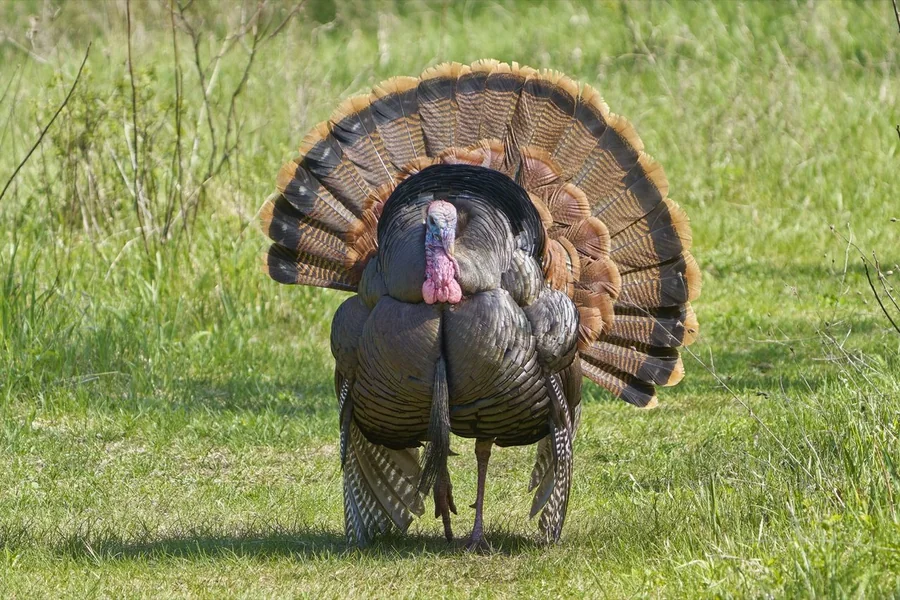
Turkey — fanable tail, fleshy snood
AI-generated educational wildlife portrait — World Animal Rescue Network
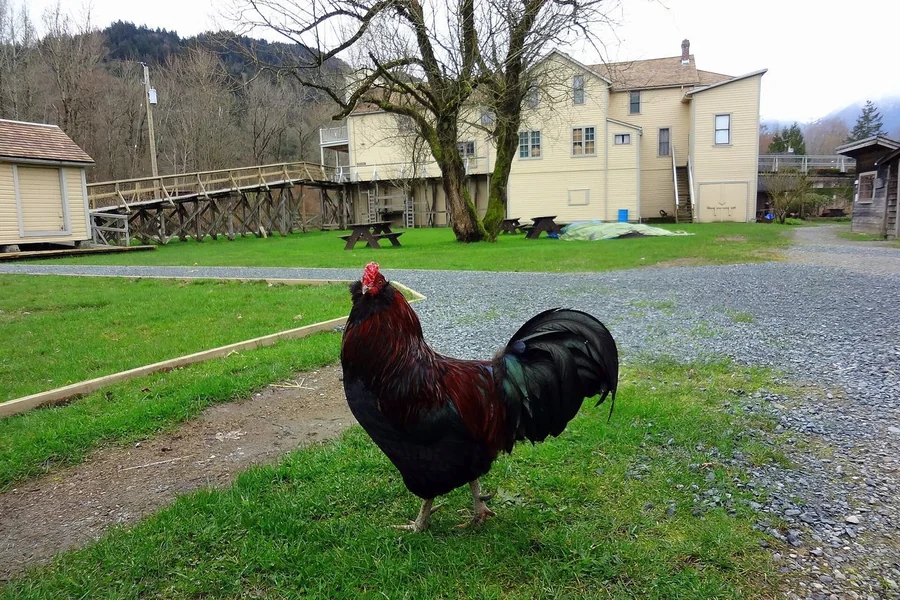
Chicken — comb and wattle domestic fowl
AI-generated educational wildlife portrait — World Animal Rescue Network
Turkey vs Chicken: At a Glance
| Feature | Turkey | Chicken |
|---|---|---|
| Wild ancestor | Wild turkey (Meleagris gallopavo) | Red junglefowl (Gallus gallus) |
| Domestication region | Mesoamerica | Asia |
| Typical adult mass | Much heavier commercial birds | Lighter; breed-dependent |
| Male display sound | Gobble | Crow |
| Head ornaments | Snood, wattles, caruncles | Comb and wattles |
| Tail display | Male fans a broad tail | No turkey-style fan |
| Flight | Wild birds fly well; heavies limited | Short bursts; limited in heavy breeds |
| Eggs | Fewer; larger eggs | Many breeds bred for laying |
| Social note | Can dominate mixed flocks by size | Complex peck orders |
| Commercial use | Primarily meat | Meat and eggs |
Size and physical differences
Domestic turkeys often exceed 5–10 kg and can be much heavier in commercial lines; typical chickens are usually 1.5–4 kg depending on breed.
Turkey versus chicken is a poultry aisle question with a clear evolutionary backstory. Chickens were domesticated from red junglefowl in Asia and diversified into countless breeds. Turkeys were domesticated in Mesoamerica from wild turkeys and later spread worldwide as festive and commercial meat birds. They sit in the same broad fowl order but are not interchangeable species.
Size and head furniture separate them at a glance. Turkeys show fleshy snoods and wattles with fanable tails in displaying males. Chickens show combs and wattles of different shapes by breed, and roosters crow rather than gobble. Behaviour in mixed flocks can be rough because of the size gap.
This comparison sticks to marks you can use without laboratory gear: size, shape, behaviour and the words people actually type into a search box. Scientific names are given where they prevent a regional mix-up. Where published measurements disagree, this page gives the range rather than a single tidy figure that implies more certainty than the sources support.
Different wild ancestors
Chickens trace to red junglefowl. Turkeys trace to wild turkeys of the Americas. That geographic split explains why the animals look and sound different even after centuries of breeding. Domestication selected both for tameness and productivity, but it did not turn one species into the other. Heritage turkey breeds and landrace chickens still echo their wild body plans more than industrial lines do. Field observers should combine silhouette, behaviour and habitat before naming what they see. Where published measurements disagree, this page gives the range rather than a single tidy figure. Treat a single trait as supporting evidence rather than a complete identification. Local field guides remain the final check when similar species share a landscape. When evidence is thin, prefer a broader label over a false precise name.
Size, ornaments and sound
A mature turkey stands taller and heavier than a typical chicken, with a bare, ornamented head and a snood that can lengthen over the beak in males. Displaying toms fan the tail and gobble. Roosters crow and show combs that vary from single blades to walnut shapes by breed. These marks work even for people who never check Latin names. Mixed-species backyard flocks need space because turkeys can injure smaller birds unintentionally. Field observers should combine silhouette, behaviour and habitat before naming what they see. Where published measurements disagree, this page gives the range rather than a single tidy figure. Treat a single trait as supporting evidence rather than a complete identification. Local field guides remain the final check when similar species share a landscape.
Eggs and farming roles
Chickens were shaped heavily for egg production in many breeds; commercial layers can produce eggs on a schedule turkeys are not farmed to match. Turkeys are raised primarily for meat, with strong seasonal demand in some countries. Brooding behaviour, growth rate and housing needs differ enough that poultry manuals treat them as separate enterprises. Welfare problems in fast-growing commercial lines exist in both industries and should not be blurred into a single "poultry" shrug. Field observers should combine silhouette, behaviour and habitat before naming what they see. Where published measurements disagree, this page gives the range rather than a single tidy figure. Treat a single trait as supporting evidence rather than a complete identification. Local field guides remain the final check when similar species share a landscape.
Wild relatives still matter
Wild turkeys have recolonised large parts of North America and are a conservation-and-hunting success story in some regions. Red junglefowl still exist in Asian forests and hybridise with village chickens, complicating genetics. Knowing which domestic bird you keep clarifies which wild species stories apply. A backyard chicken does not explain wild turkey gobbling on a ridge. Field observers should combine silhouette, behaviour and habitat before naming what they see. Where published measurements disagree, this page gives the range rather than a single tidy figure. Treat a single trait as supporting evidence rather than a complete identification. Local field guides remain the final check when similar species share a landscape. When evidence is thin, prefer a broader label over a false precise name.
Why the comparison matters
Cookery writers sometimes treat the birds as interchangeable meat; biology and husbandry do not. Accurate names keep veterinary advice, biosecurity rules and welfare standards attached to the right species. WARN publishes these comparisons so high-intent questions get a sourced answer instead of an unsourced listicle. Field observers should combine silhouette, behaviour and habitat before naming what they see. Where published measurements disagree, this page gives the range rather than a single tidy figure. Treat a single trait as supporting evidence rather than a complete identification. Local field guides remain the final check when similar species share a landscape. When evidence is thin, prefer a broader label over a false precise name. Field observers should combine silhouette, behaviour and habitat before naming what they see. Where published measurements disagree, this page gives the range rather than a single tidy figure.
Did you know?
The snood — the fleshy bit over a turkey’s beak — can change length quickly during display, a detail easy to miss in static photos.
Turkey vs Chicken: FAQs
Is a turkey a type of chicken?
Which is bigger?
Can turkeys and chickens live together?
Do turkeys lay eggs people eat?
Why do male turkeys gobble?
Are domestic turkeys able to fly?
Help protect animals
Learning about animals can help more people understand their needs. WARN raises funds for eligible animal-welfare organisations. Read the relevant appeal’s purpose, recipient status and fund terms, or share this free guide to raise awareness.