Animal Comparison
Porcupine vs Hedgehog
Porcupines are large rodents with barbed quills that detach; hedgehogs are small insectivores with shorter spines that stay attached. They are not closely.
By WARN Research & Conservation TeamLast updated
In brief — Porcupine vs Hedgehog
Big rodent with detachable quills is a porcupine; small curling insectivore with fixed spines is a hedgehog.
Porcupines are large rodents whose long barbed quills detach on contact. Hedgehogs are much smaller insectivores with shorter spines that normally stay attached and are raised when the animal curls into a ball. The similar prickly look is convergence, not close kinship.
See the difference
Images are shown at different scales. Read each caption for the species, source and context.
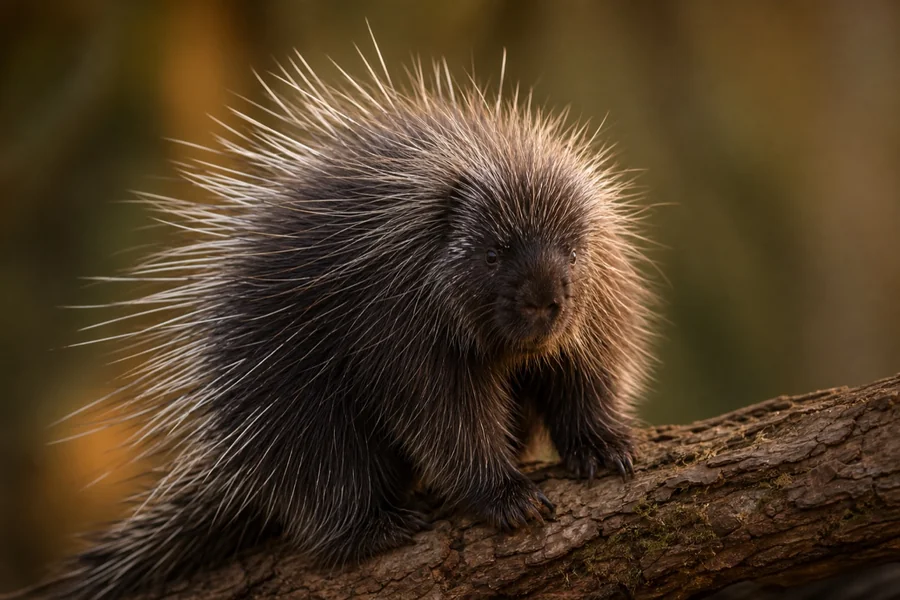
Porcupine — large rodent; barbed quills detach
AI-generated educational wildlife portrait — World Animal Rescue Network
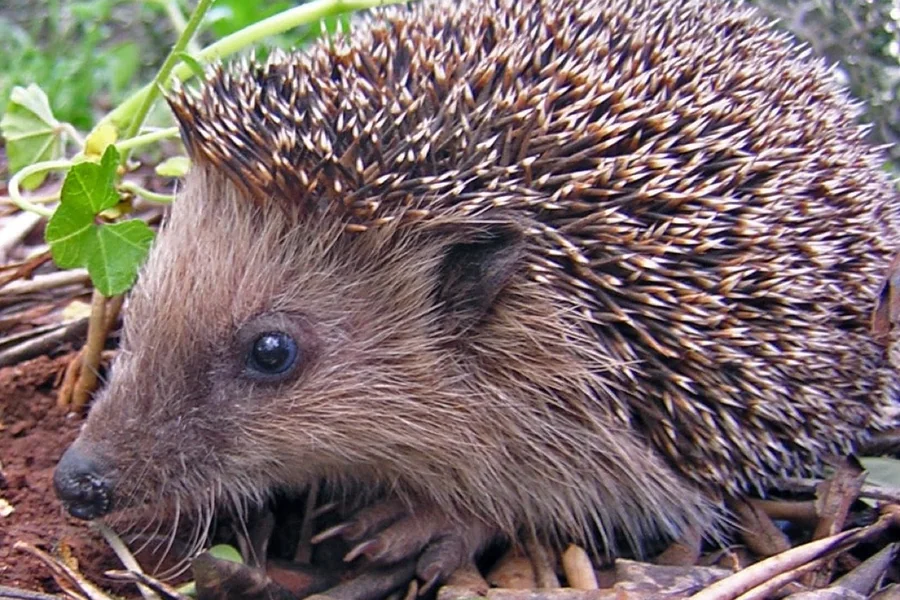
Hedgehog — small insectivore; spines stay attached
AI-generated educational wildlife portrait — World Animal Rescue Network
Porcupine vs Hedgehog: At a Glance
| Feature | Porcupine | Hedgehog |
|---|---|---|
| Group | Rodents (several porcupine lineages) | Erinaceinae insectivores |
| Typical weight | Often 5–15 kg (species-dependent) | European hedgehog ~0.5–1.5 kg |
| Defensive structures | Long quills, often barbed | Shorter spines over the back |
| Do they detach easily? | Yes — quills loosen on contact | No — spines stay attached in normal defence |
| Curl into a ball | Not the primary defence | Yes — classic rolled posture |
| Diet | Mostly plant material | Invertebrates, some plant matter, carrion |
| Teeth | Rodent incisors | Insectivore dentition |
| Native ranges | Americas, Africa, southern Europe, Asia | Europe, Asia, Africa (not Americas natively) |
| Climbing | Some New World species strongly arboreal | Terrestrial; limited climbing |
| Human handling risk | Quills can embed deeply | Spines prick; rolling is the main response |
Size and physical differences
Porcupines are far larger — often 5–15 kg depending on species — while European hedgehogs are typically around 0.5–1.5 kg.
Porcupines and hedgehogs are bundled together in children’s books because both are covered in sharp structures. That is where the useful similarity ends. Porcupines are rodents. Old World porcupines and New World porcupines are themselves not a single tight group, but all are rodents with specialised quills. Hedgehogs are insectivores — closer in lifestyle to shrews than to squirrels — and their spines are modified hairs that stay rooted when touched.
The defensive mechanics differ in ways people need. A porcupine quill can lodge and migrate in flesh because of microscopic barbs. A hedgehog’s spines discourage a bite while the animal rolls up; they are not designed to detach into a predator. Treating them as interchangeable prickly pets or pests leads to the wrong handling advice.
This comparison sticks to marks you can use without laboratory gear: size, shape, behaviour and the words people actually type into a search box. Scientific names are given where they prevent a regional mix-up.
Unrelated animals, similar advertising
The prickly silhouette evolved more than once because sharp points deter predators. Porcupines arrived there as rodents; hedgehogs as insectivores. Shared appearance does not mean shared care, diet or legal status. If a guide or product conflates them, treat that as a red flag for accuracy. Field observers should treat colour alone as weak evidence and combine it with shape, behaviour and habitat before naming what they see. Where published measurements disagree, this page gives the range rather than a single tidy figure that implies more certainty than the sources support. Field observers should treat colour alone as weak evidence and combine it with shape, behaviour and habitat before naming what they see. Where published measurements disagree, this page gives the range rather than a single tidy figure that implies more certainty than the sources support.
Quills that leave versus spines that stay
Porcupine quills are modified hairs with barbs in many species; they detach and can work deeper into tissue. Hedgehog spines are also modified hairs, but they remain attached while the animal raises them and curls. Pulling a lodged porcupine quill is a veterinary problem; picking up a hedgehog carefully is mainly about avoiding a faceful of spines and stress to the animal. Field observers should treat colour alone as weak evidence and combine it with shape, behaviour and habitat before naming what they see. Where published measurements disagree, this page gives the range rather than a single tidy figure that implies more certainty than the sources support. Field observers should treat colour alone as weak evidence and combine it with shape, behaviour and habitat before naming what they see. Where published measurements disagree, this page gives the range rather than a single tidy figure that implies more certainty than the sources support.
Size and lifestyle
A porcupine is a substantial mammal that may climb, gnaw bark and move with a deliberate waddle. A hedgehog is small enough to hide under garden debris and spends nights hunting beetles, worms and other invertebrates. Feeding advice for one is wrong for the other — rodent herbivore diets and insectivore diets are not interchangeable. Field observers should treat colour alone as weak evidence and combine it with shape, behaviour and habitat before naming what they see. Where published measurements disagree, this page gives the range rather than a single tidy figure that implies more certainty than the sources support. Field observers should treat colour alone as weak evidence and combine it with shape, behaviour and habitat before naming what they see. Where published measurements disagree, this page gives the range rather than a single tidy figure that implies more certainty than the sources support.
Geography helps identification
Hedgehogs are native across parts of Europe, Asia and Africa; they are not native to the Americas. New World porcupines are American rodents; Old World porcupines occur in Africa, southern Europe and Asia. A prickly animal in a Canadian forest is not a hedgehog. A garden hedgehog in Britain is not a porcupine. Field observers should treat colour alone as weak evidence and combine it with shape, behaviour and habitat before naming what they see. Where published measurements disagree, this page gives the range rather than a single tidy figure that implies more certainty than the sources support. Field observers should treat colour alone as weak evidence and combine it with shape, behaviour and habitat before naming what they see. Where published measurements disagree, this page gives the range rather than a single tidy figure that implies more certainty than the sources support.
Pets, myths and welfare
Some hedgehog species are kept as pets; porcupines generally are not household animals. Viral claims that porcupines shoot quills are false — contact and thrashing embed them. Hedgehogs do not shoot spines either. Both myths encourage rough handling that injures the animal or the person. Field observers should treat colour alone as weak evidence and combine it with shape, behaviour and habitat before naming what they see. Where published measurements disagree, this page gives the range rather than a single tidy figure that implies more certainty than the sources support. Field observers should treat colour alone as weak evidence and combine it with shape, behaviour and habitat before naming what they see. Where published measurements disagree, this page gives the range rather than a single tidy figure that implies more certainty than the sources support.
Why the comparison matters
People search for porcupine versus hedgehog because a wrong name leads to the wrong expectation — about danger, about care, about what lives in a local habitat. Getting the distinction right is how accurate advice and conservation reporting stay attached to the animal that is actually present. Field observers should treat colour alone as weak evidence and combine it with shape, behaviour and habitat before naming what they see. Conservation status also diverges inside everyday labels: a common garden species and a rare relative can share a common name while facing completely different pressures. Where published measurements disagree, this page gives the range rather than a single tidy figure that implies more certainty than the sources support. WARN publishes these comparisons so high-intent questions get a sourced answer instead of an unsourced listicle.
Did you know?
New World and Old World porcupines evolved their quill defences separately — another reminder that prickliness is a strategy, not a family badge.
Porcupine vs Hedgehog: FAQs
What is the difference between a porcupine and a hedgehog?
Do porcupines shoot their quills?
Can hedgehog spines stick in you like porcupine quills?
Are hedgehogs rodents?
Which is bigger?
Do both live in Britain?
Help protect animals
Learning about animals can help more people understand their needs. WARN raises funds for eligible animal-welfare organisations. Read the relevant appeal’s purpose, recipient status and fund terms, or share this free guide to raise awareness.