Animal Comparison
Otter vs Beaver
Otters are slender fish-eating mustelids with tapered tails; beavers are heavy rodent builders with flat scaly tails. Both swim, but their jobs in rivers differ.
By WARN Research & Conservation TeamLast updated
In brief — Otter vs Beaver
Sleek hunter with a tapered tail usually means otter; heavy builder with a flat paddle tail usually means beaver.
Otters are carnivorous mustelids built to hunt fish and other aquatic prey, with sleek bodies and tapering tails. Beavers are large aquatic rodents that fell trees and build dams and lodges, with heavy bodies and flat, scaly tails. Both swim well and can share watersheds, but diet, tail shape and teeth tell them apart at a glance when you get a clear view.
See the difference
Images are shown at different scales. Read each caption for the species, source and context.
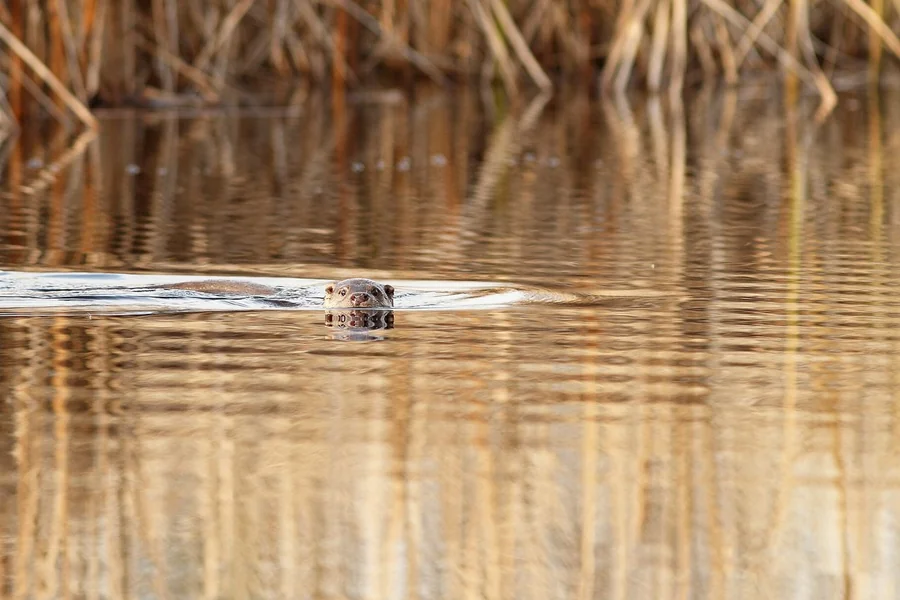
Otter — tapering muscular tail
AI-generated educational wildlife portrait — World Animal Rescue Network
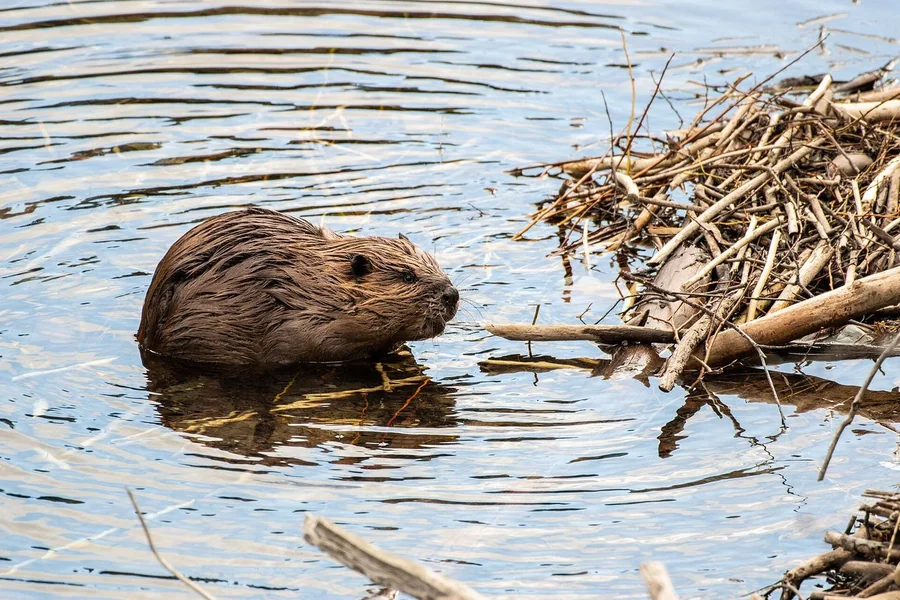
Beaver — flat paddle tail
AI-generated educational wildlife portrait — World Animal Rescue Network
Otter vs Beaver: At a Glance
| Feature | Otter | Beaver |
|---|---|---|
| Family | Mustelid (weasel family) | Rodent (Castoridae) |
| Diet | Fish, crustaceans, other prey | Bark, cambium, aquatic plants |
| Tail | Tapered, muscular, furred | Flat, paddle-like, scaly |
| Build | Long, sleek | Heavy, barrel-chested |
| Teeth focus | Carnivore cheek teeth | Huge ever-growing incisors |
| Engineering | Does not build dams | Dams, lodges, canals |
| Warning signal | Vocalisations, scent | Tail slap on water |
| Feet | Webbed; agile swimmers | Webbed hind feet; swimming specialists |
| Social life | Varies; often family groups | Family colonies common |
| Track clue | Webbed prints; no wood cutting | Wood chips, felled stems, canals |
Size and physical differences
Beavers are much heavier — North American and Eurasian beavers often weigh in the teens to twenties of kilograms — while many river otters are lighter, commonly in a lower single- to low-double-digit kilogram range by species.
Otter versus beaver is a riverside silhouette problem. From a bridge at dusk, a dark head in the water could be either, and both leave wet slides on muddy banks. Otters (Lutrinae) are members of the weasel family specialised for pursuit hunting in water. Beavers (Castor) are rodents specialised for engineering: cutting woody plants with ever-growing incisors and reshaping streams with dams and lodges.
Tail shape ends most arguments when visible. An otter’s tail is muscular and tapers. A beaver’s tail is a flat, scaly paddle used in swimming and warning slaps. Teeth and diet finish the story: otter carnassials for flesh; beaver chisels for wood. This page sticks to those field marks and the ecological jobs behind them.
This comparison sticks to marks you can use without laboratory gear: size, shape, behaviour and the words people actually type into a search box. Scientific names are given where they prevent a regional mix-up. Where a popular belief is wrong, the correction leads; where two animals are simply different, the decisive field mark leads. Ranges and masses are given as working bands from standard natural-history references, not as courtroom measurements for every individual.
Tail and body outline
If you see a flat paddle trailing behind a bulky swimmer, beaver is the call. If you see a long, low, sinuous mammal with a thick tapering tail, otter is more likely. Head shape differs too: beaver shows a blunt rodent profile; otter looks more canine-weasel. Distance and ripple can hide the tail — wait for a dive or a haul-out before locking the name. Use more than one mark before you decide — single-trait IDs fail on juveniles, regional forms and poor light. In practice, people meet these animals in brief glances. Slow down long enough to check the two or three marks in the table above before accepting the first common name that comes to mind. Mislabeling spreads through photos and social posts faster than corrections do, which is why a short, checkable comparison page earns its keep. When experts disagree on subspecies or English names, the underlying biology — diet, body plan, reproductive cycle — remains the stable part of the answer.
Diet decides the teeth
Otters hunt animal prey and have skulls and teeth built for gripping and shearing flesh. Beavers strip bark and process woody plants, and their orange-enamelled incisors are famous chisels. A trail of peeled sticks and wood chips is beaver sign. Fish remains on a bank may suggest otter feeding. Do not invent quantities; use the type of sign. Geography matters: the same English names attach to different species on different continents, and range often settles an argument faster than colour. In practice, people meet these animals in brief glances. Slow down long enough to check the two or three marks in the table above before accepting the first common name that comes to mind. Mislabeling spreads through photos and social posts faster than corrections do, which is why a short, checkable comparison page earns its keep. When experts disagree on subspecies or English names, the underlying biology — diet, body plan, reproductive cycle — remains the stable part of the answer.
Dams versus hunting paths
Beavers change hydrology with dams and create wetland mosaics that other species use. Otters use rivers, lakes and coasts as hunting grounds without building timber dams. People sometimes blame otters for beaver-like landscape change; that is a category error. Look for felled trees of the right chew pattern before attributing engineering. Behaviour at the moment of observation — feeding, escape, nesting — is evidence, not a personality story about the whole species. In practice, people meet these animals in brief glances. Slow down long enough to check the two or three marks in the table above before accepting the first common name that comes to mind. Mislabeling spreads through photos and social posts faster than corrections do, which is why a short, checkable comparison page earns its keep. When experts disagree on subspecies or English names, the underlying biology — diet, body plan, reproductive cycle — remains the stable part of the answer.
Movement in water
Both are strong swimmers, but style differs. Otters often undulate and can appear playful or rapid when chasing prey. Beavers look more purposeful and buoyant when ferrying branches. A beaver may slap its tail when alarmed — a sound people remember. Otters have their own vocal repertoire and scent marking habits. Conservation status is assessed taxon by taxon; a group label like 'wasp' or 'antelope' is not an IUCN status. In practice, people meet these animals in brief glances. Slow down long enough to check the two or three marks in the table above before accepting the first common name that comes to mind. Mislabeling spreads through photos and social posts faster than corrections do, which is why a short, checkable comparison page earns its keep. When experts disagree on subspecies or English names, the underlying biology — diet, body plan, reproductive cycle — remains the stable part of the answer.
Conservation and coexistence
Both have been persecuted historically in parts of their ranges and both benefit from healthier waterways. Recoveries and reintroductions are region-specific stories beyond this comparison’s scope. For identification walkers, the practical gift is simply not mixing a fish-hunter with a tree-cutter when reporting sightings. If you are managing conflict with people or pets, identify first, then choose a proportionate response; misidentification wastes effort and can harm the wrong animal. In practice, people meet these animals in brief glances. Slow down long enough to check the two or three marks in the table above before accepting the first common name that comes to mind. Mislabeling spreads through photos and social posts faster than corrections do, which is why a short, checkable comparison page earns its keep. When experts disagree on subspecies or English names, the underlying biology — diet, body plan, reproductive cycle — remains the stable part of the answer.
Did you know?
A beaver’s warning slap uses the same flat tail that advertises “rodent engineer” when the animal swims past with a branch.
Otter vs Beaver: FAQs
What is the difference between an otter and a beaver?
Which is bigger?
Do otters build dams?
How can I tell them apart in the water?
Do they eat the same food?
Are beavers related to otters?
Help protect animals
Learning about animals can help more people understand their needs. WARN raises funds for eligible animal-welfare organisations. Read the relevant appeal’s purpose, recipient status and fund terms, or share this free guide to raise awareness.