Animal Comparison
Mole vs Vole
Moles are fossorial insectivores with huge forepaws and molehills; voles are small rodents that make surface runways in grass. They are not the same animal.
By WARN Research & Conservation TeamLast updated
In brief — Mole vs Vole
Molehills and spade-like forepaws mean mole; grassy surface runways and a mouse-like rodent mean vole.
Moles are burrowing insectivores with cylindrical bodies, tiny eyes and enlarged forelimbs built for digging; their presence is advertised by molehills. Voles are small rodents related to lemmings and hamsters, with visible eyes and ears and a habit of weaving runways through grass. One lives mainly underground hunting invertebrates; the other lives in the vegetation layer eating plants.
See the difference
Images are shown at different scales. Read each caption for the species, source and context.
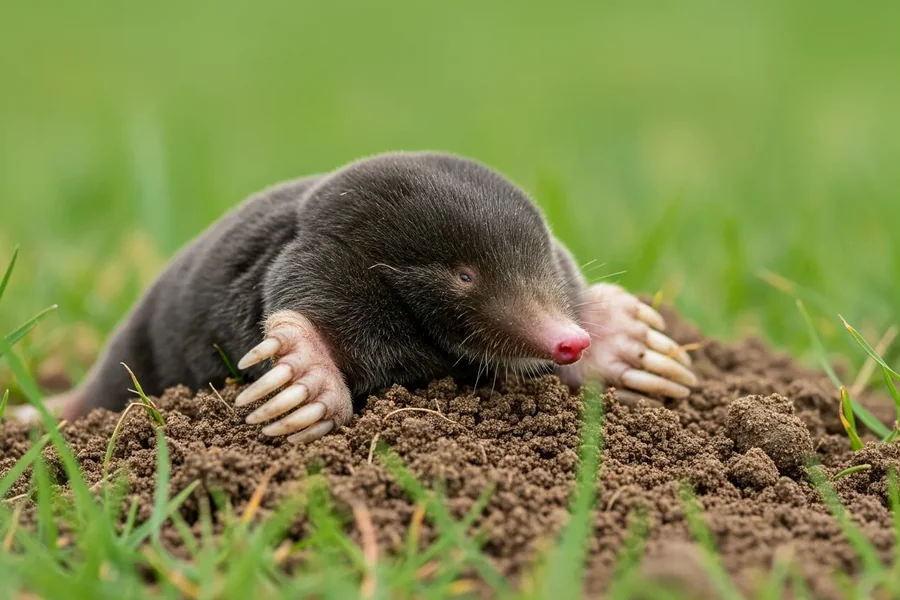
Mole — fossorial digging forelimbs
AI-generated educational wildlife portrait — World Animal Rescue Network
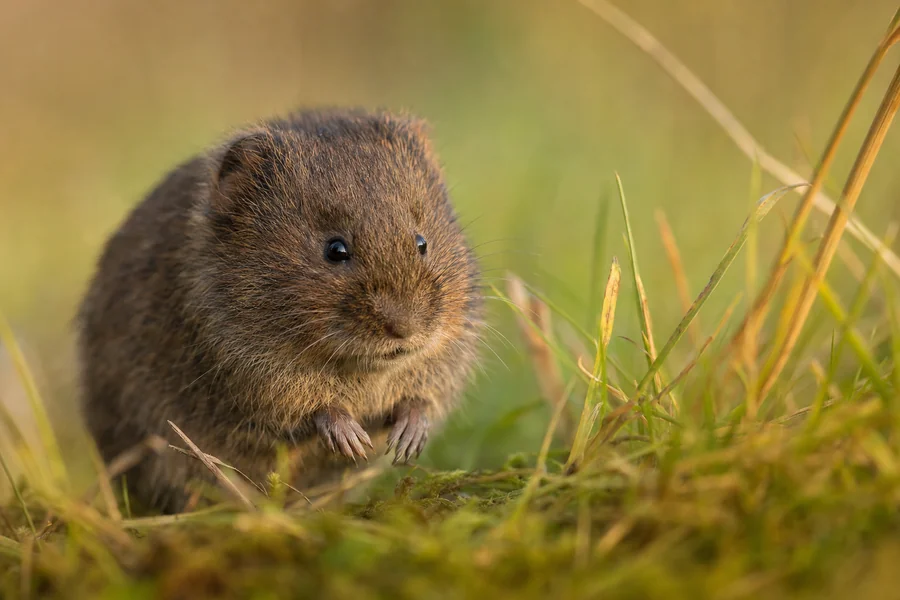
Vole — compact rodent grazer
AI-generated educational wildlife portrait — World Animal Rescue Network
Mole vs Vole: At a Glance
| Feature | Mole | Vole |
|---|---|---|
| Group | Insectivore (talpid) | Rodent (cricetid) |
| Diet | Soil invertebrates | Mostly plants, seeds, bark |
| Forelimbs | Huge digging paws | Ordinary small-mammal feet |
| Eyes/ears | Tiny eyes; ears hidden | Visible eyes and ears |
| Classic sign | Molehills, ridges | Surface runways in grass |
| Fur feel | Velvety, lies any direction | Softer ordinary rodent fur |
| Tail | Short | Short to medium by species |
| Main habitat layer | Underground tunnels | Grass/vegetation layer |
| Lawn effect | Soil heaps, soft turf | Grazing, thatch paths |
| Related to mice? | No | Yes — rodent cousins |
Size and physical differences
European moles are often around 10–15 cm in body length; many voles are smaller, commonly in a lower centimetre range by species — diggings beat a ruler for ID.
Mole versus vole is a lawn-damage mix-up. Homeowners see soil upheaval or chewed grass and reach for whichever small-mammal word comes first. Moles (family Talpidae in the familiar European sense) are specialised diggers that hunt earthworms and other soil invertebrates in tunnel systems. Voles (several genera in Cricetidae) are herbivorous rodents that clip vegetation and create covered runways at the surface.
They are not close ecological twins. A molehill is excavated soil pushed up from tunnels. A vole problem looks more like grazed paths and clipped stems. If you never see the animal, read the sign. If you do see it, check the forelimbs and the face: mole paws are unmistakable; vole faces look like blunt-nosed mice.
This comparison sticks to marks you can use without laboratory gear: size, shape, behaviour and the words people actually type into a search box. Scientific names are given where they prevent a regional mix-up. Where a popular belief is wrong, the correction leads; where two animals are simply different, the decisive field mark leads. Ranges and masses are given as working bands from standard natural-history references, not as courtroom measurements for every individual.
Read the landscape sign first
Molehills are volcanoes of loose soil with no open entrance on top in the classic European mole pattern — soil is pushed up from below. Vole activity shows as woven tunnels in grass, clipped vegetation and sometimes bark damage at ground level in winter. Treating every lawn lump as a vole, or every chewed plant as a mole, sends control efforts at the wrong biology. Use more than one mark before you decide — single-trait IDs fail on juveniles, regional forms and poor light. In practice, people meet these animals in brief glances. Slow down long enough to check the two or three marks in the table above before accepting the first common name that comes to mind. Mislabeling spreads through photos and social posts faster than corrections do, which is why a short, checkable comparison page earns its keep. When experts disagree on subspecies or English names, the underlying biology — diet, body plan, reproductive cycle — remains the stable part of the answer.
Paws and face
A mole’s forepaws are lateral, broadened digging tools with large claws — unique among small garden mammals. The eyes are minute and the snout is pointed for tunnel life. A vole looks like a compact, blunt-faced rodent with visible eyes and ears and ordinary feet. If you have a clear photograph, those traits beat colour, which is dull brown in both. Geography matters: the same English names attach to different species on different continents, and range often settles an argument faster than colour. In practice, people meet these animals in brief glances. Slow down long enough to check the two or three marks in the table above before accepting the first common name that comes to mind. Mislabeling spreads through photos and social posts faster than corrections do, which is why a short, checkable comparison page earns its keep. When experts disagree on subspecies or English names, the underlying biology — diet, body plan, reproductive cycle — remains the stable part of the answer.
Diet drives the damage story
Moles are after prey in the soil, not your ornamental roots as a preferred food, though tunnels can disturb plants mechanically. Voles eat plant material and can girdle stems or nibble bulbs depending on species and season. Knowing which feeder you have changes whether the problem is soil structure or herbivory. Behaviour at the moment of observation — feeding, escape, nesting — is evidence, not a personality story about the whole species. In practice, people meet these animals in brief glances. Slow down long enough to check the two or three marks in the table above before accepting the first common name that comes to mind. Mislabeling spreads through photos and social posts faster than corrections do, which is why a short, checkable comparison page earns its keep. When experts disagree on subspecies or English names, the underlying biology — diet, body plan, reproductive cycle — remains the stable part of the answer.
Tunnel worlds versus runway worlds
Mole tunnel systems are underground networks with nesting chambers. Vole runways are often at the surface under grass cover, connecting feeding spots. Both can be extensive, but the geometry differs. Walking a lawn after rain and parting the grass can reveal vole paths that molehills never show. Conservation status is assessed taxon by taxon; a group label like 'wasp' or 'antelope' is not an IUCN status. In practice, people meet these animals in brief glances. Slow down long enough to check the two or three marks in the table above before accepting the first common name that comes to mind. Mislabeling spreads through photos and social posts faster than corrections do, which is why a short, checkable comparison page earns its keep. When experts disagree on subspecies or English names, the underlying biology — diet, body plan, reproductive cycle — remains the stable part of the answer.
Names that blur in speech
Regional speech sometimes swaps mole, vole and even shrew for any small brown mammal. Shrews are different again — insectivorous, long-nosed, not mole-diggers. Keeping the three words distinct helps when asking for advice. This comparison isolates mole versus vole; shrews get their own pages elsewhere on WARN. If you are managing conflict with people or pets, identify first, then choose a proportionate response; misidentification wastes effort and can harm the wrong animal. In practice, people meet these animals in brief glances. Slow down long enough to check the two or three marks in the table above before accepting the first common name that comes to mind. Mislabeling spreads through photos and social posts faster than corrections do, which is why a short, checkable comparison page earns its keep. When experts disagree on subspecies or English names, the underlying biology — diet, body plan, reproductive cycle — remains the stable part of the answer.
Did you know?
A mole’s velvet fur can lie forward or back — useful in tight tunnels — while a vole keeps the ordinary rodent coat of the grass layer.
Mole vs Vole: FAQs
What is the difference between a mole and a vole?
Do moles eat plants?
What makes molehills?
Are voles mice?
Which is bigger?
Can I have both in one garden?
Help protect animals
Learning about animals can help more people understand their needs. WARN raises funds for eligible animal-welfare organisations. Read the relevant appeal’s purpose, recipient status and fund terms, or share this free guide to raise awareness.