Animal Comparison
Meerkat vs Mongoose
Meerkats are mongooses — a social species in the mongoose family. Everyday “mongoose” covers many species; meerkats are the upright desert specialists.
By WARN Research & Conservation TeamLast updated
In brief — Meerkat vs Mongoose
Meerkats are mongooses; the upright Kalahari sentry is one social species inside a wider mongoose family.
A meerkat is a mongoose: specifically Suricata suricatta, a highly social mongoose of southern African arid country. Everyday “mongoose” names a wider family of small carnivores across Africa and Asia. Meerkats are famous for sentry standing and cooperative breeding; other mongooses vary from solitary hunters to different social systems. The comparison is type-within-family.
See the difference
Images are shown at different scales. Read each caption for the species, source and context.
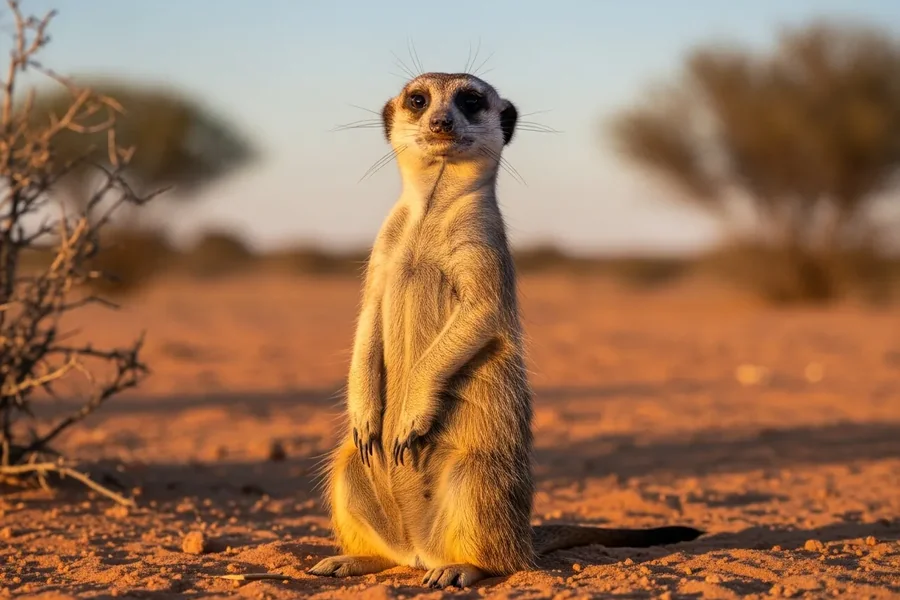
Meerkat — social desert mongoose
AI-generated educational wildlife portrait — World Animal Rescue Network
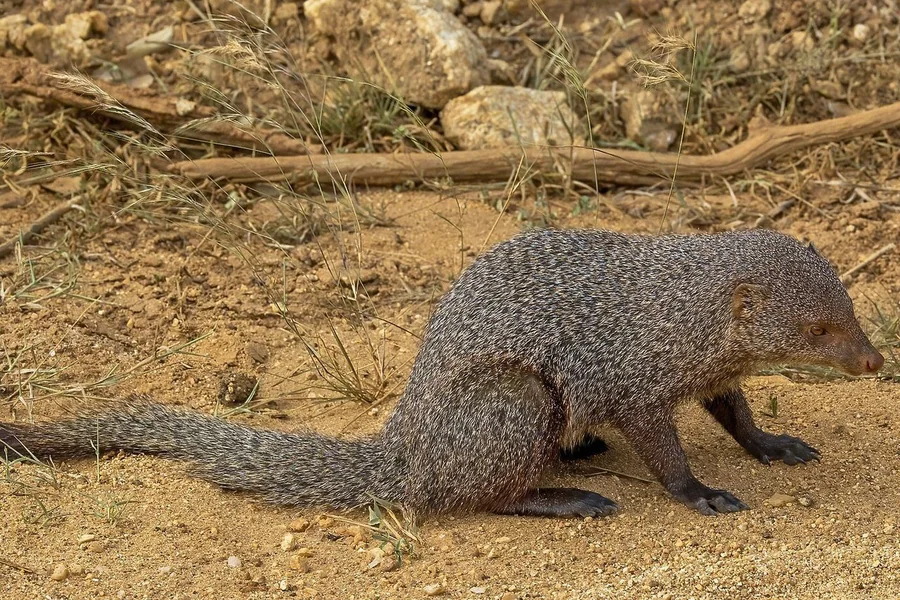
Mongoose — broader mongoose group
AI-generated educational wildlife portrait — World Animal Rescue Network
Meerkat vs Mongoose: At a Glance
| Feature | Meerkat | Mongoose |
|---|---|---|
| Relation | A mongoose species | Family Herpestidae (many species) |
| Scientific name | Suricata suricatta | Many genera/species |
| Social life | Highly social clans | Solitary to social by species |
| Famous behaviour | Upright sentries | Varied; some snake specialists |
| Habitat stereotype | Arid southern Africa | Wide African/Asian habitats |
| Coat | Grizzled with dark patches | Species-specific |
| Diet | Invertebrates, small vertebrates | Mostly small prey; varies |
| Tail use | Balance when standing | Varies |
| Burrows | Extensive warren use | Many den in burrows/crevices |
| Are meerkats mongooses? | Yes | Mongooses are mongooses |
Size and physical differences
Meerkats are small — adults often around 60–80 cm including the tail and roughly 0.6–1 kg — while other mongoose species range smaller to larger around that band.
Meerkat versus mongoose is the same style of question as hornet versus wasp. Meerkats belong to Herpestidae, the mongoose family. Documentaries made Suricata the celebrity, standing upright on sand while clan-mates forage. That fame sometimes splits them off verbally from “mongooses,” as if the sentry were a different kind of animal.
It is not. Useful comparison language contrasts meerkats with other mongoose species — banded, Egyptian, Indian grey and many more — in coat, social life and habitat. Upright guarding and desert living are meerkat hallmarks, not a ticket out of the family.
This comparison sticks to marks you can use without laboratory gear: size, shape, behaviour and the words people actually type into a search box. Scientific names are given where they prevent a regional mix-up. Where a popular belief is wrong, the correction leads; where two animals are simply different, the decisive field mark leads. Ranges and masses are given as working bands from standard natural-history references, not as courtroom measurements for every individual.
Correction first: meerkats are mongooses
Herpestidae includes meerkats. Saying they are not mongooses is like saying a border collie is not a dog because it has a job title. Popular media sometimes needs a short star name; biology still nests Suricata inside the family. Teach the nesting, then enjoy the sentry photos. Use more than one mark before you decide — single-trait IDs fail on juveniles, regional forms and poor light. In practice, people meet these animals in brief glances. Slow down long enough to check the two or three marks in the table above before accepting the first common name that comes to mind. Mislabeling spreads through photos and social posts faster than corrections do, which is why a short, checkable comparison page earns its keep. When experts disagree on subspecies or English names, the underlying biology — diet, body plan, reproductive cycle — remains the stable part of the answer.
Social life is the celebrity trait
Meerkat clans cooperate in babysitting, sentinel duty and burrow life in open country where predators can see far. Many other mongooses are more solitary or live in different social patterns. Upright standing is a meerkat signature in open habitat; forest mongooses do not run the same lookout culture. Geography matters: the same English names attach to different species on different continents, and range often settles an argument faster than colour. In practice, people meet these animals in brief glances. Slow down long enough to check the two or three marks in the table above before accepting the first common name that comes to mind. Mislabeling spreads through photos and social posts faster than corrections do, which is why a short, checkable comparison page earns its keep. When experts disagree on subspecies or English names, the underlying biology — diet, body plan, reproductive cycle — remains the stable part of the answer.
Diet and hunting styles across the family
Mongooses as a group take insects, small vertebrates and, in some species, snakes with famous agility. Meerkats lean heavily on invertebrate foraging in hard soils, digging with purpose. Shared family membership does not mean identical menus. Field guides list species-level diets for a reason. Behaviour at the moment of observation — feeding, escape, nesting — is evidence, not a personality story about the whole species. In practice, people meet these animals in brief glances. Slow down long enough to check the two or three marks in the table above before accepting the first common name that comes to mind. Mislabeling spreads through photos and social posts faster than corrections do, which is why a short, checkable comparison page earns its keep. When experts disagree on subspecies or English names, the underlying biology — diet, body plan, reproductive cycle — remains the stable part of the answer.
Geography and which mongoose you mean
If someone says mongoose in India, they may mean a different species than a South African meerkat. Captive collections and cartoons blur the map. Ask which continent and which common name before comparing behaviour as if all mongooses were meerkats in different coats. Conservation status is assessed taxon by taxon; a group label like 'wasp' or 'antelope' is not an IUCN status. In practice, people meet these animals in brief glances. Slow down long enough to check the two or three marks in the table above before accepting the first common name that comes to mind. Mislabeling spreads through photos and social posts faster than corrections do, which is why a short, checkable comparison page earns its keep. When experts disagree on subspecies or English names, the underlying biology — diet, body plan, reproductive cycle — remains the stable part of the answer.
Feliform neighbourhood
Mongooses sit among feliform carnivores, the same broad side of Carnivora as hyenas and cats. That placement sometimes surprises people who file every small carnivore under “weasel.” Weasels are caniform mustelids. Another hierarchy repair, useful beside the meerkat point. If you are managing conflict with people or pets, identify first, then choose a proportionate response; misidentification wastes effort and can harm the wrong animal. In practice, people meet these animals in brief glances. Slow down long enough to check the two or three marks in the table above before accepting the first common name that comes to mind. Mislabeling spreads through photos and social posts faster than corrections do, which is why a short, checkable comparison page earns its keep. When experts disagree on subspecies or English names, the underlying biology — diet, body plan, reproductive cycle — remains the stable part of the answer.
Did you know?
Meerkat means a star job description in documentaries; in taxonomy it still clocks in as a mongoose every day.
Meerkat vs Mongoose: FAQs
Is a meerkat a mongoose?
What is the difference between a meerkat and a mongoose?
Do all mongooses stand upright like meerkats?
Where do meerkats live?
Are meerkats related to prairie dogs?
Which is bigger?
Help protect animals
Learning about animals can help more people understand their needs. WARN raises funds for eligible animal-welfare organisations. Read the relevant appeal’s purpose, recipient status and fund terms, or share this free guide to raise awareness.