Animal Comparison
Jackal vs Coyote
Jackals are Old World canids; coyotes are New World. They fill similar mid-sized scavenger-hunter roles but do not naturally share continents.
By WARN Research & Conservation TeamLast updated
In brief — Jackal vs Coyote
Old World mid-sized canid means jackal; New World Canis latrans means coyote — similar niche, different continents.
Jackals are several Old World canid species that hunt and scavenge across Africa and Asia. Coyotes are a New World canid (Canis latrans) filling a similar mid-sized role in the Americas. They look broadly alike as lean, long-legged wild dogs, but geography is the first separator, with species-level traits after that.
See the difference
Images are shown at different scales. Read each caption for the species, source and context.
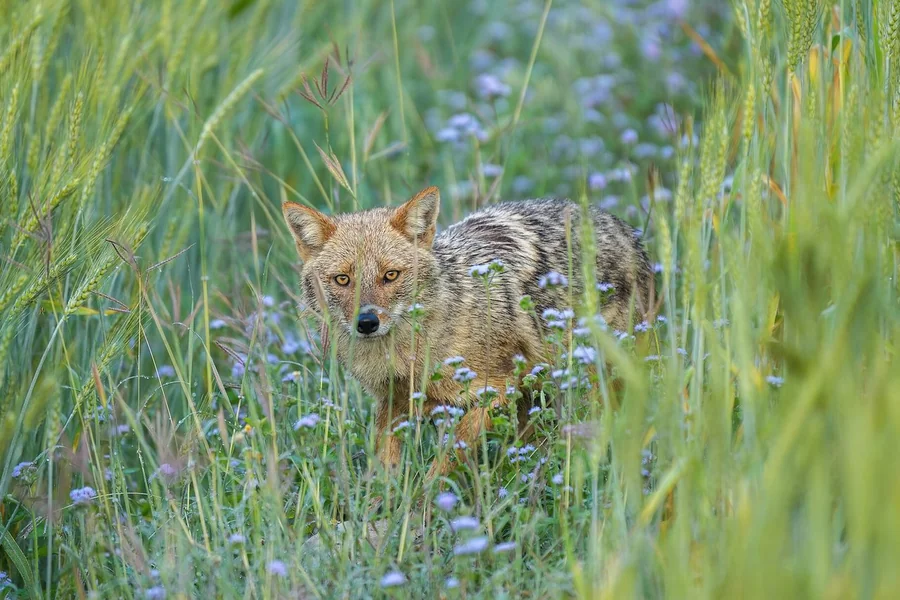
Jackal — Old World canid
AI-generated educational wildlife portrait — World Animal Rescue Network
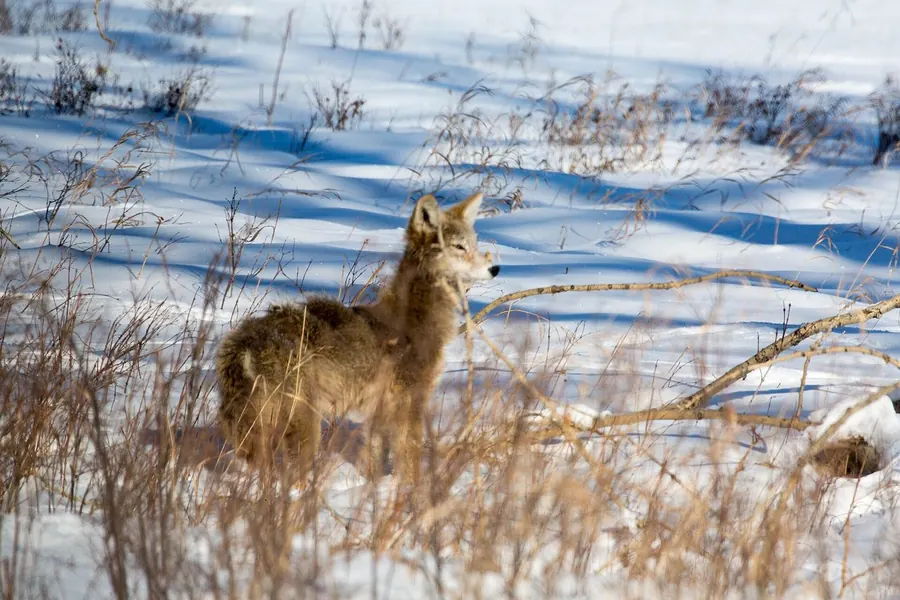
Coyote — New World canid
AI-generated educational wildlife portrait — World Animal Rescue Network
Jackal vs Coyote: At a Glance
| Feature | Jackal | Coyote |
|---|---|---|
| Native realm | Africa / Asia (by species) | Americas |
| Everyday scope | Several species | One main species (C. latrans) |
| Build | Lean, long-legged canid | Lean, long-legged canid |
| Diet | Opportunistic hunter-scavenger | Opportunistic hunter-scavenger |
| Voice | Species-specific calls | Howls and yips familiar in NA |
| Coat marks | E.g. black saddle on black-backed | Typically grizzled grey-brown |
| Urban adaptability | Varies by species | Highly adaptable to suburbs |
| Relation to wolves | Canid relatives | Canis; closer to wolf clade debates ongoing |
| Tail | Bushy; species patterns | Usually carried down when running |
| First ID key | Continent + species marks | Continent + coyote proportions |
Size and physical differences
Both are mid-sized canids often in a roughly 7–18 kg adult band depending on species and region; overlap is real, so range beats a single weight.
Jackal versus coyote is a convergent-canid comparison. People meet one name in African wildlife films and the other in North American suburbs and then ask which is which. Coyotes are a single widely recognised species in the Americas. “Jackal” in everyday speech covers more than one species — notably the golden jackal and black-backed and side-striped jackals — across Africa and Eurasia.
They are not the same animal with two passports. Evolution placed similar body plans on different continents to do similar jobs: opportunistic hunting, scavenging and flexible social life. If your photo has a GPS tag, the continent often settles the English name before ear quirks do.
This comparison sticks to marks you can use without laboratory gear: size, shape, behaviour and the words people actually type into a search box. Scientific names are given where they prevent a regional mix-up. Where a popular belief is wrong, the correction leads; where two animals are simply different, the decisive field mark leads. Ranges and masses are given as working bands from standard natural-history references, not as courtroom measurements for every individual.
Geography before cosmetics
A wild canid in Kenya is not a coyote. A wild canid in Colorado is not a black-backed jackal. Captive collections and rare escapes create exceptions, but for natural history questions continent is the clean first filter. Online quizzes that hide location are testing pattern recognition, not ecological reality. Use more than one mark before you decide — single-trait IDs fail on juveniles, regional forms and poor light. In practice, people meet these animals in brief glances. Slow down long enough to check the two or three marks in the table above before accepting the first common name that comes to mind. Mislabeling spreads through photos and social posts faster than corrections do, which is why a short, checkable comparison page earns its keep. When experts disagree on subspecies or English names, the underlying biology — diet, body plan, reproductive cycle — remains the stable part of the answer.
Jackal is a bundle of species
Golden jackals differ from black-backed jackals in coat and ecology. Treating “the jackal” as one uniform animal invites false comparisons with “the coyote.” When precision matters, use the species name. Coyote at least points to one widely used species concept for everyday readers. Geography matters: the same English names attach to different species on different continents, and range often settles an argument faster than colour. In practice, people meet these animals in brief glances. Slow down long enough to check the two or three marks in the table above before accepting the first common name that comes to mind. Mislabeling spreads through photos and social posts faster than corrections do, which is why a short, checkable comparison page earns its keep. When experts disagree on subspecies or English names, the underlying biology — diet, body plan, reproductive cycle — remains the stable part of the answer.
Shared niche, separate histories
Both take small vertebrates, invertebrates, fruit and carrion as opportunity allows. Both can live near people when food and cover exist. That ecological rhyme explains the visual rhyme: cursorial legs, modest size, opportunistic teeth. It does not merge the lineages into one label. Behaviour at the moment of observation — feeding, escape, nesting — is evidence, not a personality story about the whole species. In practice, people meet these animals in brief glances. Slow down long enough to check the two or three marks in the table above before accepting the first common name that comes to mind. Mislabeling spreads through photos and social posts faster than corrections do, which is why a short, checkable comparison page earns its keep. When experts disagree on subspecies or English names, the underlying biology — diet, body plan, reproductive cycle — remains the stable part of the answer.
Coat patterns that help when location is known
Black-backed jackals show a dark saddle that coyotes lack. Side-striped jackals show pale side stripes. Coyotes are typically grizzled grey-tan with regional morphs. Red foxes confuse North American observers more often than jackals do — a reminder to keep the right pair on the page. Conservation status is assessed taxon by taxon; a group label like 'wasp' or 'antelope' is not an IUCN status. In practice, people meet these animals in brief glances. Slow down long enough to check the two or three marks in the table above before accepting the first common name that comes to mind. Mislabeling spreads through photos and social posts faster than corrections do, which is why a short, checkable comparison page earns its keep. When experts disagree on subspecies or English names, the underlying biology — diet, body plan, reproductive cycle — remains the stable part of the answer.
Voice and culture
Coyote sound is woven into North American night identity. Jackal calls shape different cultural soundscapes in Africa and Asia. Sound libraries can train the ear, but a howl alone should not override a GPS pin on a map. If you are managing conflict with people or pets, identify first, then choose a proportionate response; misidentification wastes effort and can harm the wrong animal. In practice, people meet these animals in brief glances. Slow down long enough to check the two or three marks in the table above before accepting the first common name that comes to mind. Mislabeling spreads through photos and social posts faster than corrections do, which is why a short, checkable comparison page earns its keep. When experts disagree on subspecies or English names, the underlying biology — diet, body plan, reproductive cycle — remains the stable part of the answer.
Did you know?
If the map says Americas, start with coyote; if it says Africa or southern Asia, start with a jackal species — then check the coat.
Jackal vs Coyote: FAQs
What is the difference between a jackal and a coyote?
Are coyotes a type of jackal?
Which is bigger?
Do jackals live in North America?
Is a golden jackal the same as a coyote?
Why do they look alike?
Help protect animals
Learning about animals can help more people understand their needs. WARN raises funds for eligible animal-welfare organisations. Read the relevant appeal’s purpose, recipient status and fund terms, or share this free guide to raise awareness.