Animal Comparison
Fox vs Coyote
Coyotes are larger, longer-legged canids than red foxes; foxes are smaller with fuller brush tails. Both are adaptable, but proportions differ.
By WARN Research & Conservation TeamLast updated
In brief — Fox vs Coyote
Smaller brush-tailed canid usually means fox; larger, longer-legged dog-like canid in western North America usually means coyote.
Foxes — especially the familiar red fox — are smaller, shorter-legged canids with a full brush tail and a more compact muzzle impression. Coyotes are larger and longer-legged, with a more wolf-like outline and a tail that usually hangs rather than fluffs as a banner. Both hunt small prey and adapt to human landscapes, but size and proportions separate them in open view.
See the difference
Images are shown at different scales. Read each caption for the species, source and context.
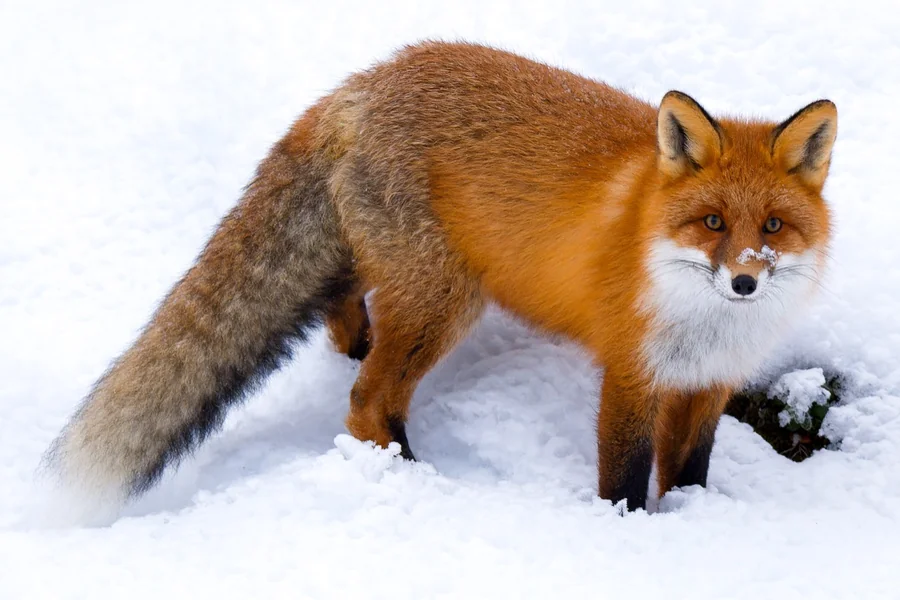
Fox — smaller, bushier tail
AI-generated educational wildlife portrait — World Animal Rescue Network
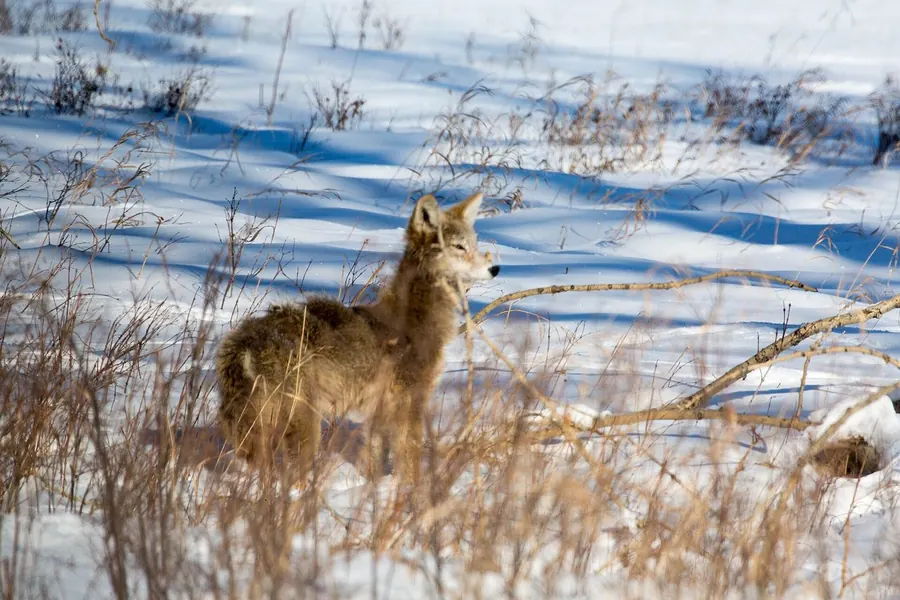
Coyote — larger, lankier canid
AI-generated educational wildlife portrait — World Animal Rescue Network
Fox vs Coyote: At a Glance
| Feature | Fox | Coyote |
|---|---|---|
| Typical adult weight | Red fox often ~4–8 kg | Often ~10–18 kg |
| Leg length | Shorter relative build | Longer-legged |
| Tail | Full brush; red fox often white tip | Less brushy; usually hangs down when running |
| Muzzle | Finer, sharper feel | Longer, more dog-like |
| Ears | Often large relative to head | Upright; proportion differs by individual |
| Gait | Light, sometimes catlike placement | Rangy trot |
| Social feel | Often solitary hunters | Pairs/family groups common |
| Voice | Barks, screams (fox) | Howls, yips (coyote) |
| Range note | Wide; many fox species worldwide | Americas focus for coyote |
| Genus stereotype | Vulpes (red fox) | Canis |
Size and physical differences
Coyotes are clearly larger: often around 10–18 kg for many adults, while red foxes commonly weigh roughly 4–8 kg — regional variation applies.
Fox versus coyote is a North American roadside canid problem, with red foxes also familiar across Eurasia and elsewhere. Coyotes (Canis latrans) fill a mid-sized predator role across much of the Americas. Red foxes (Vulpes vulpes) are smaller, more lightly built hunters that often look catlike in foot placement compared with a rangy coyote.
At night under streetlights, both can look like “a dog.” Wait for a side silhouette: coyotes show more height at the shoulder and a longer stride; foxes show a lower carriage and a big, often white-tipped brush in red foxes. Tracks and scat help experienced observers, but this page centres on marks anyone can use from a car window or a field edge.
This comparison sticks to marks you can use without laboratory gear: size, shape, behaviour and the words people actually type into a search box. Scientific names are given where they prevent a regional mix-up. Where a popular belief is wrong, the correction leads; where two animals are simply different, the decisive field mark leads. Ranges and masses are given as working bands from standard natural-history references, not as courtroom measurements for every individual.
Size and height at the shoulder
A coyote standing in a field reads as a small lanky dog. A red fox reads as clearly smaller, with less height and a fluffier rear banner. Weight ranges above are working bands, not courtroom numbers — sex, region and condition move individuals. If you only get a brief look, compare leg length and body depth before guessing colour morphs. Use more than one mark before you decide — single-trait IDs fail on juveniles, regional forms and poor light. In practice, people meet these animals in brief glances. Slow down long enough to check the two or three marks in the table above before accepting the first common name that comes to mind. Mislabeling spreads through photos and social posts faster than corrections do, which is why a short, checkable comparison page earns its keep. When experts disagree on subspecies or English names, the underlying biology — diet, body plan, reproductive cycle — remains the stable part of the answer.
Tail carriage and tip
Red foxes are famous for a white-tipped brush, though not every fox species shares that badge. Coyote tails are usually carried down when running and lack the same full flag. A black-backed or cross fox still shows fox proportions. Do not rely on colour alone in winter coats. Geography matters: the same English names attach to different species on different continents, and range often settles an argument faster than colour. In practice, people meet these animals in brief glances. Slow down long enough to check the two or three marks in the table above before accepting the first common name that comes to mind. Mislabeling spreads through photos and social posts faster than corrections do, which is why a short, checkable comparison page earns its keep. When experts disagree on subspecies or English names, the underlying biology — diet, body plan, reproductive cycle — remains the stable part of the answer.
Face and ears
Fox faces look pointed and delicate; coyote faces look longer and more lupine. Ear size relative to the head often looks larger on foxes. Roadkill and trail-camera photos make these traits easier than fleeting dusk glimpses. Behaviour at the moment of observation — feeding, escape, nesting — is evidence, not a personality story about the whole species. In practice, people meet these animals in brief glances. Slow down long enough to check the two or three marks in the table above before accepting the first common name that comes to mind. Mislabeling spreads through photos and social posts faster than corrections do, which is why a short, checkable comparison page earns its keep. When experts disagree on subspecies or English names, the underlying biology — diet, body plan, reproductive cycle — remains the stable part of the answer.
Voice at night
Coyote howls and group yip-howls are a different soundscape from fox screams and sharp barks. Sound alone can mislead in dense suburbs where both occur, so treat vocal IDs as supportive rather than final. Still, a classic chorus howl is a coyote clue in much of North America. Conservation status is assessed taxon by taxon; a group label like 'wasp' or 'antelope' is not an IUCN status. In practice, people meet these animals in brief glances. Slow down long enough to check the two or three marks in the table above before accepting the first common name that comes to mind. Mislabeling spreads through photos and social posts faster than corrections do, which is why a short, checkable comparison page earns its keep. When experts disagree on subspecies or English names, the underlying biology — diet, body plan, reproductive cycle — remains the stable part of the answer.
Ecology without rivalry myths
Both take small mammals, birds, fruit and scavenged food depending on place and season. Coyotes can take larger prey than foxes on average because of size. Stories that one species is simply “meaner” are not useful field science. Proportions and range are. If you are managing conflict with people or pets, identify first, then choose a proportionate response; misidentification wastes effort and can harm the wrong animal. In practice, people meet these animals in brief glances. Slow down long enough to check the two or three marks in the table above before accepting the first common name that comes to mind. Mislabeling spreads through photos and social posts faster than corrections do, which is why a short, checkable comparison page earns its keep. When experts disagree on subspecies or English names, the underlying biology — diet, body plan, reproductive cycle — remains the stable part of the answer.
Did you know?
A coyote’s “small wolf” outline is mostly leg length and muzzle — the red fox answers with a lower carriage and a louder brush.
Fox vs Coyote: FAQs
What is the difference between a fox and a coyote?
Which is bigger?
Do coyotes and foxes live in the same places?
Does a white-tipped tail mean fox?
Are coyotes wolves?
Can foxes howl like coyotes?
Help protect animals
Learning about animals can help more people understand their needs. WARN raises funds for eligible animal-welfare organisations. Read the relevant appeal’s purpose, recipient status and fund terms, or share this free guide to raise awareness.