Animal Comparison
Eagle vs Hawk
Eagles are generally larger hawks in everyday speech; hawk is a broad label. Bill size, wingspan and hunting style help, but English names are inconsistent.
By WARN Research & Conservation TeamLast updated
In brief — Eagle vs Hawk
Eagles are typically larger, heavier-billed raptors; hawk is a wider, messier everyday category.
Eagle is an everyday name for several large birds of prey; hawk is a broader label that shifts by country. Eagles are usually larger, with bigger bills and longer wingspans, but English does not follow a single scientific line — some “hawks” are buzzards in British usage, and not every large raptor is an eagle.
See the difference
Images are shown at different scales. Read each caption for the species, source and context.
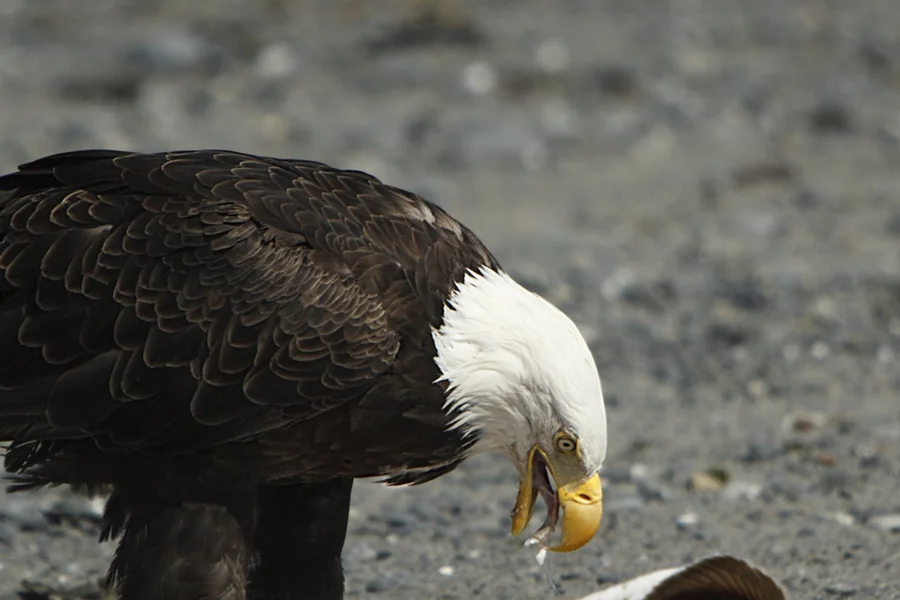
Eagle — generally larger; heavier bill and wingspan
AI-generated educational wildlife portrait — World Animal Rescue Network
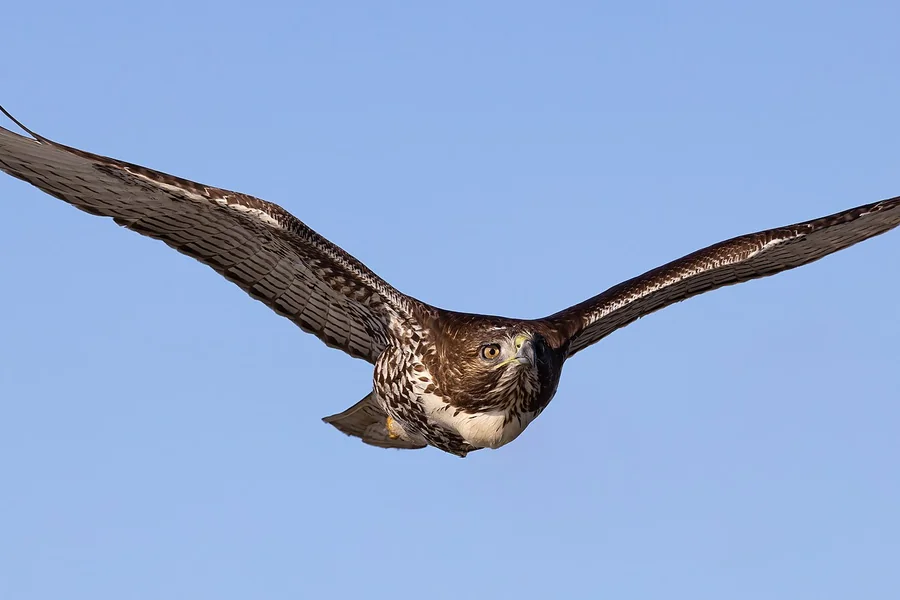
Hawk — broader everyday label; often smaller raptors
AI-generated educational wildlife portrait — World Animal Rescue Network
Eagle vs Hawk: At a Glance
| Feature | Eagle | Hawk |
|---|---|---|
| Everyday meaning | Several large raptor genera | Broad label; sense varies by country |
| Typical size | Larger and heavier | Often smaller; many exceptions in naming |
| Bill | Usually deeper, more massive | Usually smaller relative to head |
| Wings | Long, broad; soaring common | Accipiters shorter/rounded; buteos broader |
| British 'hawk' note | Eagle used similarly for large species | Sparrowhawk/goshawk; 'buzzard' for Buteo |
| US 'hawk' note | Bald/golden eagles named eagle | Buteo often called hawk (red-tailed hawk) |
| Talons/feet | Large; fish-eagles specialised | Variable by hunting style |
| Nest | Huge stick eyries common | Stick nests; generally smaller |
| Conservation | Some recovering; some threatened | Varies widely by species |
| Taxonomy | Not one genus | Not one genus |
Size and physical differences
Eagles are usually larger: many eagles exceed 70 cm in length with wingspans over 2 m, while many familiar hawks are smaller; overlaps exist.
Eagle versus hawk is partly biology and partly dialect. Both words sit on birds of prey with hooked bills and sharp talons, but they are not twin ranks of equal standing. Hawk in North America is applied to birds British English often calls buzzards; eagle gathers several large genera such as Aquila and Haliaeetus. Size, bill bulk and wingspan trends help, yet the English lexicon will not give you a perfect key.
What readers usually need is triage: is the bird a large soaring eagle-type, or a smaller accipiter/buteo-type hawk in local speech? Tail shape, wing shape and hunting style — forest dash versus open soar — often beat colour alone.
This comparison sticks to marks you can use without laboratory gear: size, shape, behaviour and the words people actually type into a search box. Scientific names are given where they prevent a regional mix-up. Where published measurements disagree, this page gives the range rather than a single tidy figure that implies more certainty than the sources support.
Names are inconsistent on purpose
English accumulated hawk, buzzard, eagle and falcon long before modern genera. A red-tailed hawk in the US is a buteo; a British buzzard is also a buteo. An eagle is not simply “a big hawk” in taxonomy, even if that is a workable folk rule. Learn local field-guide names for the species you actually see. Field observers should treat colour alone as weak evidence and combine it with shape, behaviour and habitat before naming what they see. Where published measurements disagree, this page gives the range rather than a single tidy figure that implies more certainty than the sources support. Field observers should treat colour alone as weak evidence and combine it with shape, behaviour and habitat before naming what they see. Where published measurements disagree, this page gives the range rather than a single tidy figure that implies more certainty than the sources support.
Size and bill as practical guides
Eagles usually look front-heavy: deep bill, large head, long broad wings. Many hawks look lighter in the head and more compact. Still, a large goshawk can impress, and a small eagle species abroad can confuse travellers. Combine size with shape and flight. Field observers should treat colour alone as weak evidence and combine it with shape, behaviour and habitat before naming what they see. Where published measurements disagree, this page gives the range rather than a single tidy figure that implies more certainty than the sources support. Field observers should treat colour alone as weak evidence and combine it with shape, behaviour and habitat before naming what they see. Where published measurements disagree, this page gives the range rather than a single tidy figure that implies more certainty than the sources support.
Flight and hunting styles
Open-country eagles often soar on thermals and take medium-sized mammals or fish. Accipiter hawks use short rounded wings and long tails to accelerate through woodland after birds. Buteo-type hawks soar more like small eagles. Flight style often identifies the ecological slot before the English noun does. Field observers should treat colour alone as weak evidence and combine it with shape, behaviour and habitat before naming what they see. Where published measurements disagree, this page gives the range rather than a single tidy figure that implies more certainty than the sources support. Field observers should treat colour alone as weak evidence and combine it with shape, behaviour and habitat before naming what they see. Where published measurements disagree, this page gives the range rather than a single tidy figure that implies more certainty than the sources support.
Which word should you use?
Use the species name when you can: golden eagle, marsh harrier, sparrowhawk. Use eagle or hawk when that is all the evidence supports. Over-precise naming from a bad photo creates false records. Field observers should treat colour alone as weak evidence and combine it with shape, behaviour and habitat before naming what they see. Where published measurements disagree, this page gives the range rather than a single tidy figure that implies more certainty than the sources support. Field observers should treat colour alone as weak evidence and combine it with shape, behaviour and habitat before naming what they see. Where published measurements disagree, this page gives the range rather than a single tidy figure that implies more certainty than the sources support. Field observers should treat colour alone as weak evidence and combine it with shape, behaviour and habitat before naming what they see. Where published measurements disagree, this page gives the range rather than a single tidy figure that implies more certainty than the sources support.
Conservation is species-specific
Some eagles recovered after pesticide bans; others remain rare. Some hawks thrive in cities; others decline with farmland change. The everyday labels are too coarse for Red List logic — another reason species pages matter. Field observers should treat colour alone as weak evidence and combine it with shape, behaviour and habitat before naming what they see. Where published measurements disagree, this page gives the range rather than a single tidy figure that implies more certainty than the sources support. Field observers should treat colour alone as weak evidence and combine it with shape, behaviour and habitat before naming what they see. Where published measurements disagree, this page gives the range rather than a single tidy figure that implies more certainty than the sources support.
Why the comparison matters
People search for eagle versus hawk because a wrong name leads to the wrong expectation — about danger, about care, about what lives in a local habitat. Getting the distinction right is how accurate advice and conservation reporting stay attached to the animal that is actually present. Field observers should treat colour alone as weak evidence and combine it with shape, behaviour and habitat before naming what they see. Conservation status also diverges inside everyday labels: a common garden species and a rare relative can share a common name while facing completely different pressures. Where published measurements disagree, this page gives the range rather than a single tidy figure that implies more certainty than the sources support. WARN publishes these comparisons so high-intent questions get a sourced answer instead of an unsourced listicle.
Did you know?
The bird Americans call a red-tailed hawk is the ecological cousin of the bird Britons call a buzzard — same broad type, different inherited word.
Eagle vs Hawk: FAQs
What is the difference between an eagle and a hawk?
Is a buzzard a hawk?
Which is bigger?
Are eagles just large hawks?
Can hawks and eagles kill livestock?
What raptor did I see soaring in circles?
Help protect animals
Learning about animals can help more people understand their needs. WARN raises funds for eligible animal-welfare organisations. Read the relevant appeal’s purpose, recipient status and fund terms, or share this free guide to raise awareness.