Animal Comparison
Cricket vs Grasshopper
Crickets usually have long antennae and sing at night by wing rubbing; grasshoppers often have shorter antennae and are more day-active jumpers. Both are orthopterans.
By WARN Research & Conservation Team Last updated
In brief — Cricket vs Grasshopper
Long antennae and night chirping usually means cricket; shorter antennae and day-active jumping usually means grasshopper.
Crickets and grasshoppers are related jumping insects in the order Orthoptera, but they differ in antenna length, activity pattern and how they make sound. Crickets typically have long, thread-like antennae and are famous for night choruses. Grasshoppers often have shorter antennae, stronger daylight presence, and different song structures. Jumping alone will not separate them.
See the difference
Images are shown at different scales. Read each caption for the species, source and context.
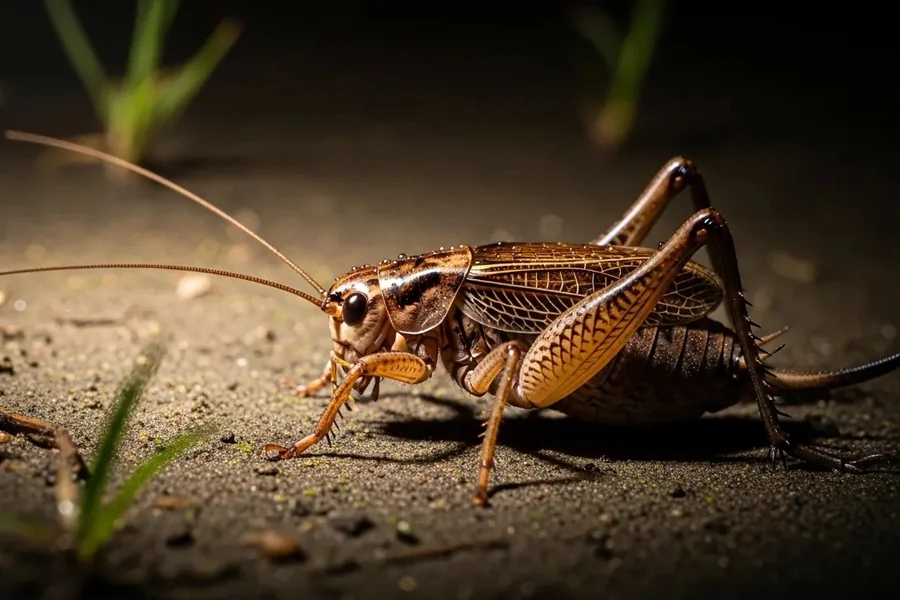
Cricket — long antennae
AI-generated educational wildlife portrait — World Animal Rescue Network
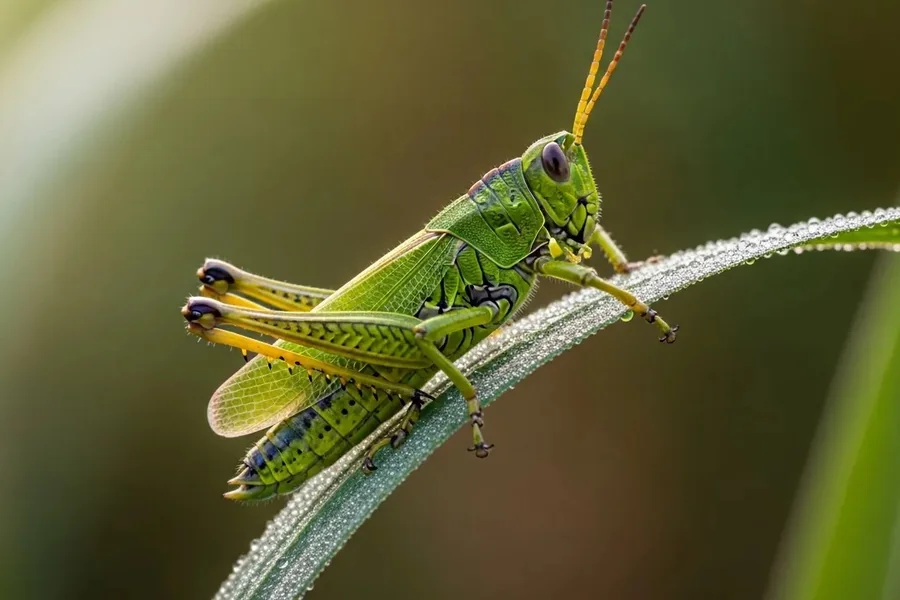
Grasshopper — shorter antennae
AI-generated educational wildlife portrait — World Animal Rescue Network
Cricket vs Grasshopper: At a Glance
| Feature | Cricket | Grasshopper |
|---|---|---|
| Antennae | Typically very long | Typically shorter |
| Activity stereotype | Often nocturnal singers | Often day-active in grass |
| Hearing organs | Often on front tibiae | Often on the abdomen |
| Song style | Chirps/trills from wing rubbing | Varied; many stridulate differently |
| Jumping | Strong hind legs | Strong hind legs |
| Diet | Many omnivorous | Many herbivorous |
| Body feel | Often somewhat flattened | Often deeper-bodied |
| Indoor visitors | Some species enter houses | Less typical house guests |
| Colour | Brown/black/green by species | Green/brown by species |
| Order | Orthoptera | Orthoptera |
Size and physical differences
Body lengths overlap by species — many familiar forms are a few centimetres long — so antennae and behaviour beat a single size number.
Cricket versus grasshopper is a summer-sound question as much as a look-alike question. Both are orthopterans with powerful hind legs for jumping, and both can be green or brown depending on species. That shared toolkit is why photos without antennae confuse people. Crickets (including familiar gryllids) tend toward long antennae and nocturnal singing from low vegetation or indoor crevices. Grasshoppers (caeliferans in the broad everyday sense) are often more conspicuous by day in grass and fields.
Sound production differs in detail too: males rub wings or legs in group-specific ways to attract mates. You do not need to score the exact file to use the big clues — antenna length, time of day, and habitat. This page stays with marks that work in a garden or on a footpath without a microphone.
This comparison sticks to marks you can use without laboratory gear: size, shape, behaviour and the words people actually type into a search box. Scientific names are given where they prevent a regional mix-up. Where a popular belief is wrong, the correction leads; where two animals are simply different, the decisive field mark leads. Ranges and masses are given as working bands from standard natural-history references, not as courtroom measurements for every individual.
Antennae are the quick visual
If the antennae look longer than the body, you are usually looking at a cricket or a closely related long-horned form rather than a typical short-horned grasshopper. Grasshoppers in the everyday sense have shorter, thicker antennae that do not trail like threads. Colour fails as a key: green crickets and brown grasshoppers both exist. Start with antennae, then confirm with behaviour and time of day. Use more than one mark before you decide — single-trait IDs fail on juveniles, regional forms and poor light. In practice, people meet these animals in brief glances. Slow down long enough to check the two or three marks in the table above before accepting the first common name that comes to mind. Mislabeling spreads through photos and social posts faster than corrections do, which is why a short, checkable comparison page earns its keep. When experts disagree on subspecies or English names, the underlying biology — diet, body plan, reproductive cycle — remains the stable part of the answer.
Night chorus versus day fields
Cricket song is a night soundtrack in warm weather — males calling from edges, walls and vegetation. Grasshoppers are more often seen and heard in daylight as you walk through grass, with whirring or clicking songs that differ by species. Exceptions exist, which is why antennae remain the structural backup. A silent insect at noon still has antennae you can score. Geography matters: the same English names attach to different species on different continents, and range often settles an argument faster than colour. In practice, people meet these animals in brief glances. Slow down long enough to check the two or three marks in the table above before accepting the first common name that comes to mind. Mislabeling spreads through photos and social posts faster than corrections do, which is why a short, checkable comparison page earns its keep. When experts disagree on subspecies or English names, the underlying biology — diet, body plan, reproductive cycle — remains the stable part of the answer.
Ears in different places
Orthopteran ears are not on the head like mammalian ears. In many crickets, tympana sit on the front legs; in many grasshoppers they sit on the abdomen. You may not see this without a close view, but it underlines that the groups are not casual renames of one animal. Field guides use these traits when photos are ambiguous. Behaviour at the moment of observation — feeding, escape, nesting — is evidence, not a personality story about the whole species. In practice, people meet these animals in brief glances. Slow down long enough to check the two or three marks in the table above before accepting the first common name that comes to mind. Mislabeling spreads through photos and social posts faster than corrections do, which is why a short, checkable comparison page earns its keep. When experts disagree on subspecies or English names, the underlying biology — diet, body plan, reproductive cycle — remains the stable part of the answer.
Diet and ecological roles
Many grasshoppers are dedicated herbivores of grasses and forbs, sometimes reaching densities that worry farmers. Many crickets take a broader omnivorous mix, including plant material and small animal matter. That difference shapes where you find them and what damage stories attach to each name. A single chewed leaf does not identify the chewer. Conservation status is assessed taxon by taxon; a group label like 'wasp' or 'antelope' is not an IUCN status. In practice, people meet these animals in brief glances. Slow down long enough to check the two or three marks in the table above before accepting the first common name that comes to mind. Mislabeling spreads through photos and social posts faster than corrections do, which is why a short, checkable comparison page earns its keep. When experts disagree on subspecies or English names, the underlying biology — diet, body plan, reproductive cycle — remains the stable part of the answer.
Katydids and long-horned cousins
Long antennae also appear on katydids and related ensiferans, which people sometimes file mentally under cricket. Everyday English is messy at the edges. If your “cricket” has leaf-like green wings and a different song, you may be in katydid territory. The grasshopper contrast still holds for short-horned day jumpers in open grass. If you are managing conflict with people or pets, identify first, then choose a proportionate response; misidentification wastes effort and can harm the wrong animal. In practice, people meet these animals in brief glances. Slow down long enough to check the two or three marks in the table above before accepting the first common name that comes to mind. Mislabeling spreads through photos and social posts faster than corrections do, which is why a short, checkable comparison page earns its keep. When experts disagree on subspecies or English names, the underlying biology — diet, body plan, reproductive cycle — remains the stable part of the answer.
Did you know?
A cricket’s “ears” are often on its front legs — one reason a long-antenna night singer is built differently from a short-horn day jumper.
Cricket vs Grasshopper: FAQs
What is the difference between a cricket and a grasshopper?
Which has longer antennae?
Do both make sound?
Why do I hear chirping at night?
Are they the same insect?
Can grasshoppers live indoors?
Help protect animals
Learning about animals can help more people understand their needs. WARN raises funds for eligible animal-welfare organisations. Read the relevant appeal’s purpose, recipient status and fund terms, or share this free guide to raise awareness.
Stay connected with WARN
Receive appeal updates, animal-welfare news and published funding reports. Unsubscribe any time.
We only use your address for WARN updates. See our privacy policy.