Animal Comparison
Bat vs Bird
Bats are flying mammals with skin-membrane wings; birds are feathered dinosaurs. Both fly, but the anatomy differs completely.
By WARN Research & Conservation TeamLast updated
In brief — Bat vs Bird
Bats are flying mammals with skin wings; birds are feathered animals — similar job, different machinery.
Bats are mammals — they have fur, nurse young with milk, and fly on wings of skin stretched over elongated finger bones. Birds are feathered archosaurs with wings built on fused arm bones and flight feathers. Both achieved powered flight, but they are not close relatives and they do not share a wing design.
See the difference
Images are shown at different scales. Read each caption for the species, source and context.
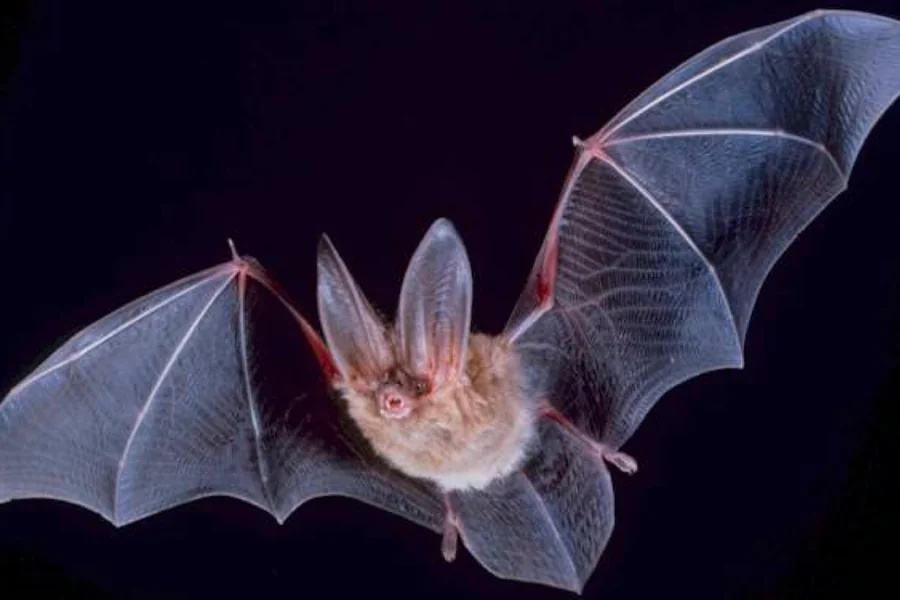
Bat — membranous wings, mammal face
AI-generated educational wildlife portrait — World Animal Rescue Network
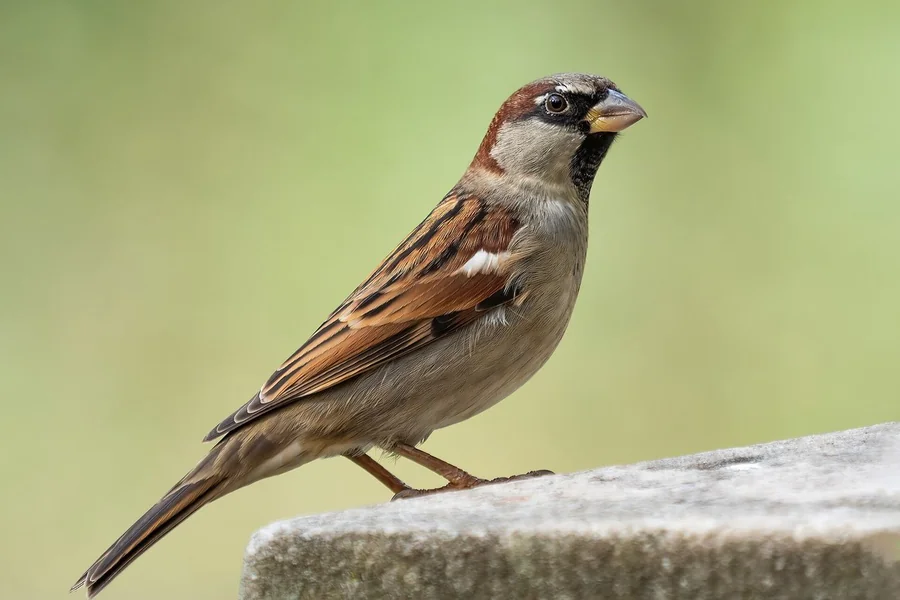
Bird — feathered wings, beak
AI-generated educational wildlife portrait — World Animal Rescue Network
Bat vs Bird: At a Glance
| Feature | Bat | Bird |
|---|---|---|
| Major group | Mammal | Bird (feathered archosaur) |
| Wing surface | Skin membrane over fingers | Flight feathers on arm/hand |
| Body covering | Fur | Feathers |
| Young | Milk-fed live young | Egg-laid; fed regurgitated food/insects |
| Teeth | Present (except some specialists) | Beak; no true teeth in living birds |
| Bones | Elongated finger bones | Fused hand elements; keeled sternum |
| Night navigation | Echolocation in many species | Vision/calls; owls specialised |
| Day roost | Caves, trees, buildings | Nests, perches, colonies vary |
| Metabolic note | Some use torpor | High metabolism; some torpor too |
| Diversity | ~1,400 species | ~10,000+ species |
Size and physical differences
Most bats are small; the largest flying foxes can approach 1.5 m wingspans, still below the largest flying birds such as large albatrosses.
Bat versus bird is a correction page as much as a comparison. Bats are not "birds with fur" and they are not rodents with wings. They are the only mammals capable of true powered flight, in the order Chiroptera. Birds are a separate lineage with feathers, beaks and a different respiratory system. The shared ability to fly is convergent evolution, not evidence that bats belong in the bird category.
Hand anatomy is the clearest teaching mark. A bat wing is a hand: elongated fingers support a membrane. A bird wing is an arm with feathers providing the aerofoil. At dusk, flight silhouette and echolocation calls separate many bats from night birds such as owls, though fruit bats that do not echolocate need other clues.
This comparison sticks to marks you can use without laboratory gear: size, shape, behaviour and the words people actually type into a search box. Scientific names are given where they prevent a regional mix-up. Where published measurements disagree, this page gives the range rather than a single tidy figure that implies more certainty than the sources support.
Say the mammal fact first
Bats are mammals. That is the sentence most searchers need. They have fur, a single lower jawbone of the mammalian type, and females that nurse pups with milk. Birds lay hard-shelled eggs and are covered in feathers. Calling a bat a bird is a category error on the scale of calling a dolphin a fish. Flight does not decide taxonomy; ancestry and anatomy do. Once that correction is in place, the wing comparison becomes interesting rather than confusing. Field observers should combine silhouette, behaviour and habitat before naming what they see. Where published measurements disagree, this page gives the range rather than a single tidy figure. Treat a single trait as supporting evidence rather than a complete identification. Local field guides remain the final check when similar species share a landscape.
Hands versus feathered arms
Spread a bat wing in an anatomy diagram and you can count elongated fingers with membrane between them — the name Chiroptera means hand-wing. Bird wings rearrange the arm and hand bones and rely on feathers to create the continuous surface. The different scaffolds produce different flight styles: many bats are highly manoeuvrable in clutter; many birds exploit soaring efficiency bats rarely match. Damage patterns differ too: torn membranes versus broken remiges present different veterinary problems. Field observers should combine silhouette, behaviour and habitat before naming what they see. Where published measurements disagree, this page gives the range rather than a single tidy figure. Treat a single trait as supporting evidence rather than a complete identification. Local field guides remain the final check when similar species share a landscape.
Night skies and misidentification
At twilight, a fluttering silhouette over a garden may be a bat or a late bird. Jerky, erratic chasing of insects often suggests an aerial-hawking bat; steady flapping toward a roost may be a bird. Echolocation clicks, audible to some people as ticks for certain species, support a bat identification when detectors are available. Fruit bats in the tropics can look more fox-faced and fly more steadily, which is why local knowledge matters. Avoid handling grounded bats — rabies risk is the practical public-health reason, aside from welfare. Field observers should combine silhouette, behaviour and habitat before naming what they see. Where published measurements disagree, this page gives the range rather than a single tidy figure. Treat a single trait as supporting evidence rather than a complete identification.
Ecology roles are not interchangeable
Insectivorous bats eat vast numbers of night-flying insects; fruit bats disperse seeds; nectar bats pollinate plants including economically important ones. Birds fill overlapping and distinct roles by day and night. Wind turbines, white-nose syndrome, habitat loss and hunting pressure affect bat populations in ways bird conservation only partly shares. Treating bats as odd birds erases those specialised threats. Field observers should combine silhouette, behaviour and habitat before naming what they see. Where published measurements disagree, this page gives the range rather than a single tidy figure. Treat a single trait as supporting evidence rather than a complete identification. Local field guides remain the final check when similar species share a landscape. When evidence is thin, prefer a broader label over a false precise name.
Why the comparison matters
School myths and Halloween imagery keep the bird confusion alive. Accurate teaching supports roost protection and reduces fear-based persecution. Accurate names keep advice attached to the animal present. WARN publishes these comparisons so high-intent questions get a sourced answer instead of an unsourced listicle. Field observers should combine silhouette, behaviour and habitat before naming what they see. Where published measurements disagree, this page gives the range rather than a single tidy figure. Treat a single trait as supporting evidence rather than a complete identification. Local field guides remain the final check when similar species share a landscape. When evidence is thin, prefer a broader label over a false precise name. Field observers should combine silhouette, behaviour and habitat before naming what they see. Where published measurements disagree, this page gives the range rather than a single tidy figure.
Did you know?
Bats are the only mammals that truly fly under their own power — flying squirrels glide, which is a different trick.
Bat vs Bird: FAQs
Is a bat a bird?
How do bat wings differ from bird wings?
Do bats lay eggs?
Why do people think bats are birds?
Are bats blind?
Which has more species?
Help protect animals
Learning about animals can help more people understand their needs. WARN raises funds for eligible animal-welfare organisations. Read the relevant appeal’s purpose, recipient status and fund terms, or share this free guide to raise awareness.